
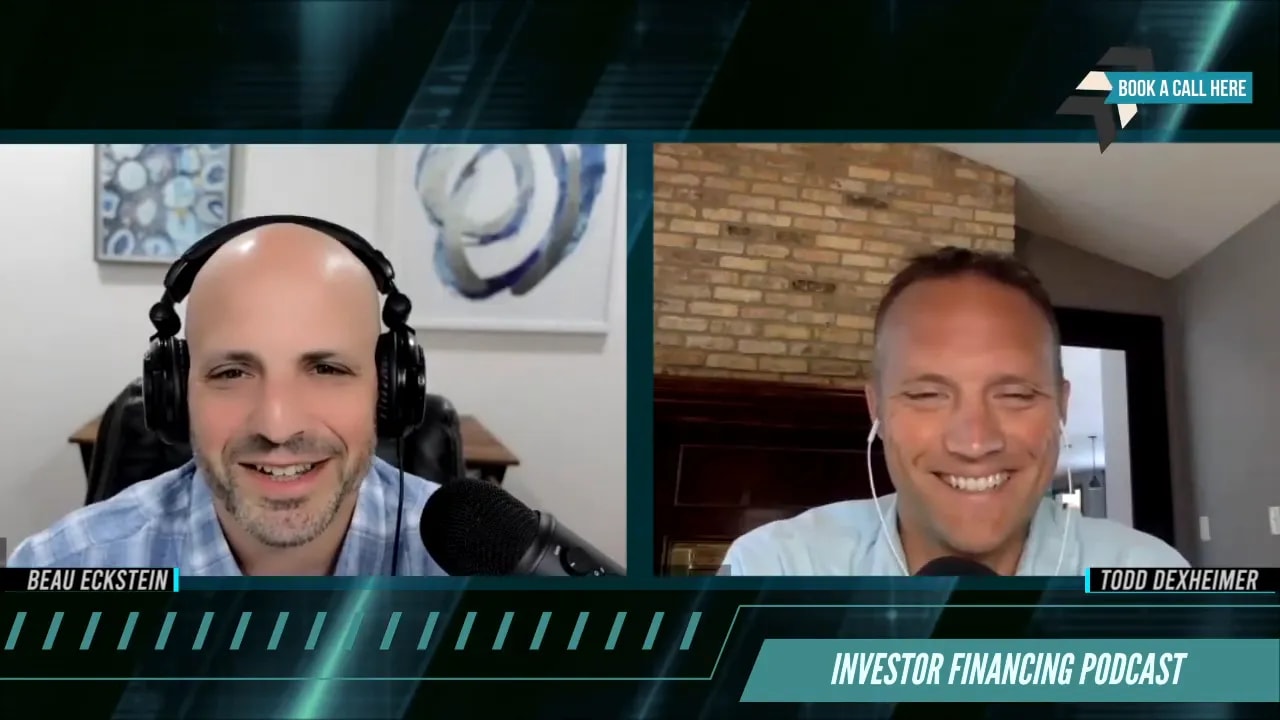
Business Ownership Coach | Investor Financing Podcast is more than a title; it’s a mindset for investors who want to build companies, not just close deals. This piece lays out a practical roadmap from hands-on house flipping to owning thousands of multifamily and senior housing units, with clear lessons about underwriting, operations, partnerships, and timing. If you want to think like a Business Ownership Coach | Investor Financing Podcast guest—strategic, disciplined, and growth-minded—these ideas will help you act on opportunity without chasing fads.
From Woodshop Teacher to Full-Time Investor
Starting small matters. The path described began in a school woodshop, where craft and practical skills met frugality. Owning five rental properties while working as a teacher created real optionality. The decision to leave a stable W-2 job—paid modestly yet steady—was rooted in simple math: one successful flip or one prudent rental purchase could eclipse a teacher’s annual income.
That combination of craftsmanship and financial discipline produced a foundation for scaling. Learning construction, earning a general contractor perspective, and doing dozens of renovations built operational skill sets many investors lack. Those skills made the jump to larger multifamily buildings feel less like a leap and more like a natural step.
Repeat after this: You don’t need to be flashy to win. Be capable, frugal, and persistent. The profile of a Business Ownership Coach | Investor Financing Podcast-minded investor is practical and prepared.
Why Multifamily Was the Lever

Photo by Jakub Żerdzicki on Unsplash
Flips teach speed and margin, but rentals teach compounding. The math on single-family flips versus holding rentals became obvious: rentals produced steadier cash flow with far less day-to-day stress. Once the optics shift—seeing duplexes and four-plexes as stepping stones—you start thinking about 20-, 80-, and 120-unit buildings.
Scaling quickly also required partners with complementary skills. A single operator can do deals, but a team can do deals faster, with better origination and execution. The Business Ownership Coach | Investor Financing Podcast approach emphasizes collaboration: find partners who multiply your strengths and cover your blind spots.
Finally, buy what you can operate and finance. Moving into 100+ unit buildings in successive years was less risky because the investor had the operating experience, project discipline, and a willingness to lean on partners when needed.
Spotting Opportunity: Senior Housing in a Downturn

Photo by Jakub Żerdzicki on Unsplash
When occupancy drops and fear spikes, cap rates break open. Senior housing is a classic example. During a period of public health concern, occupancy dipped dramatically and market participants priced risk into deals. That created opportunities to buy at higher yields—9 to 12 cap on day-one numbers—with clear paths to improve occupancy and operations.
Senior housing is not a short-term speculation; it’s demographic insurance. The aging population is a megatrend: hundreds of thousands are entering the 80-plus cohort each year, and that pool only grows. If operators are behind on modest annual rate increases of 2 to 5 percent, an investor who fixes operations and pricing can win sustainably.
Operationally, scale is managed by choosing the right model. The Business Ownership Coach | Investor Financing Podcast playbook recognizes two routes: operate a focused in-house portfolio where you control the model, or hire third-party operators to scale quickly and focus on acquisitions. Both are valid—pick the one that matches your bandwidth and long-term plan.
Reading the Market: Retrading, Price Discovery, and Discipline

Photo by Jakub Żerdzicki on Unsplash
Markets move in layers, and current sales often reflect decisions made months earlier. Expect lagging price signals. Right now, the market is showing:
- Price compression: Expect properties to trade 10 to 15 percent below where brokers initially whisper they will.
- Retrading: Buyers increasingly push back when financing or underwriting doesn’t match prior assumptions.
- Less aggressive earnest money: Large hard deposits are declining as buyers reintroduce contingencies or walk away.
The practical implication is clear: don’t rely on creative financing to paper over thin underwriting. Where once you could buy by “price per door” and retrofit with aggressive value-add debt, lenders now demand performance-based underwriting. That means buy at today’s cap rates, stress-test your financing, and build conservative models that survive rate moves and slower rent growth.
Institutional buyers are pausing—pencils down—creating windows for nimble, well-capitalized investors. Historically, the smartest move can be to be ready and willing when institutions step back.
Building a Business, Not Just Chasing Deals

Photo by Jakub Żerdzicki on Unsplash
Deals spark growth, but systems sustain it. The most important transition for any investor moving from small-scale to institutional-scale ownership is organizational: hiring the right people, codifying processes, and creating leadership capability.
Key elements of a business-first approach:
- Systems over heroics: Document operating procedures and standardize reporting.
- People playbooks: Train managers and create measurable KPIs for leasing, maintenance, and resident satisfaction.
- Partnership strategy: Use joint ventures to enter unfamiliar asset classes and lean on partner expertise.
- Capital strategy: Maintain flexible capital raising options and consider private equity relationships when scaling quickly.
Always ask: can this business run without me? If not, start building the org chart that will let it.
Daily Routines That Fuel Performance

Photo by Jakub Żerdzicki on Unsplash
Small daily habits compound. A simple routine—brief morning reading, journaling, a light core routine, then a focused midday workout—can protect cognitive and physical energy for long operating days. Breaks are not wasted time; they’re strategic resets that improve decision-making.
Movement every hour, short mobility or strength bursts, and a heavy workout when your body is fully awake are practical ways to maintain performance. Discipline outside the deal room translates to better focus inside it.
Practical Takeaways You Can Use
To act on these ideas, consider these steps:
- Underwrite to today’s rates: Buy on current cap rates and run stress tests on interest and occupancy.
- Partner for gaps: Use joint ventures to enter new asset classes or markets.
- Decide on operations model: Choose in-house or third-party property management based on scale and control needs.
- Look for demographic tailwinds: Senior housing is a long-term secular play despite short-term softness.
- Build the business: Systems, hiring, and culture will compound returns beyond single deals.
These are the kinds of lessons a Business Ownership Coach | Investor Financing Podcast-minded investor applies every time a new deal crosses the desk.
Ready to refine your approach? Think like a Business Ownership Coach | Investor Financing Podcast participant: be conservative in underwriting, aggressive in execution, and relentless about building scalable systems. That combination creates wealth that lasts.