
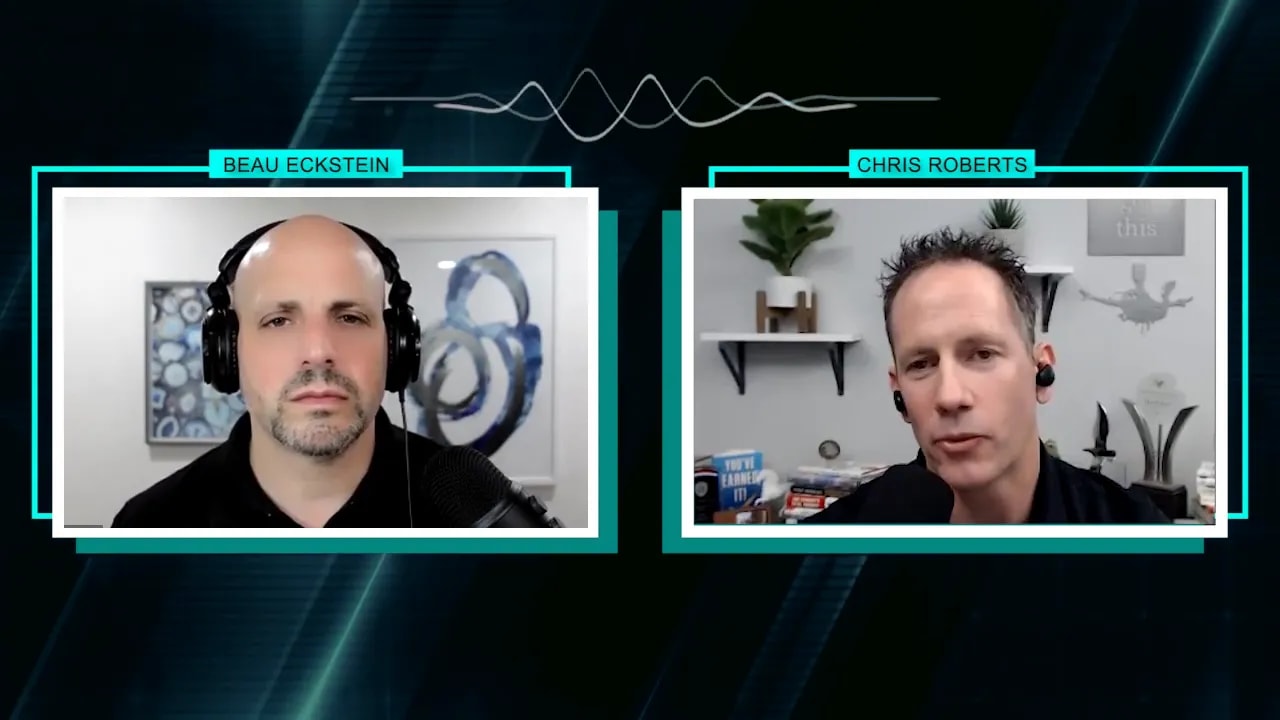
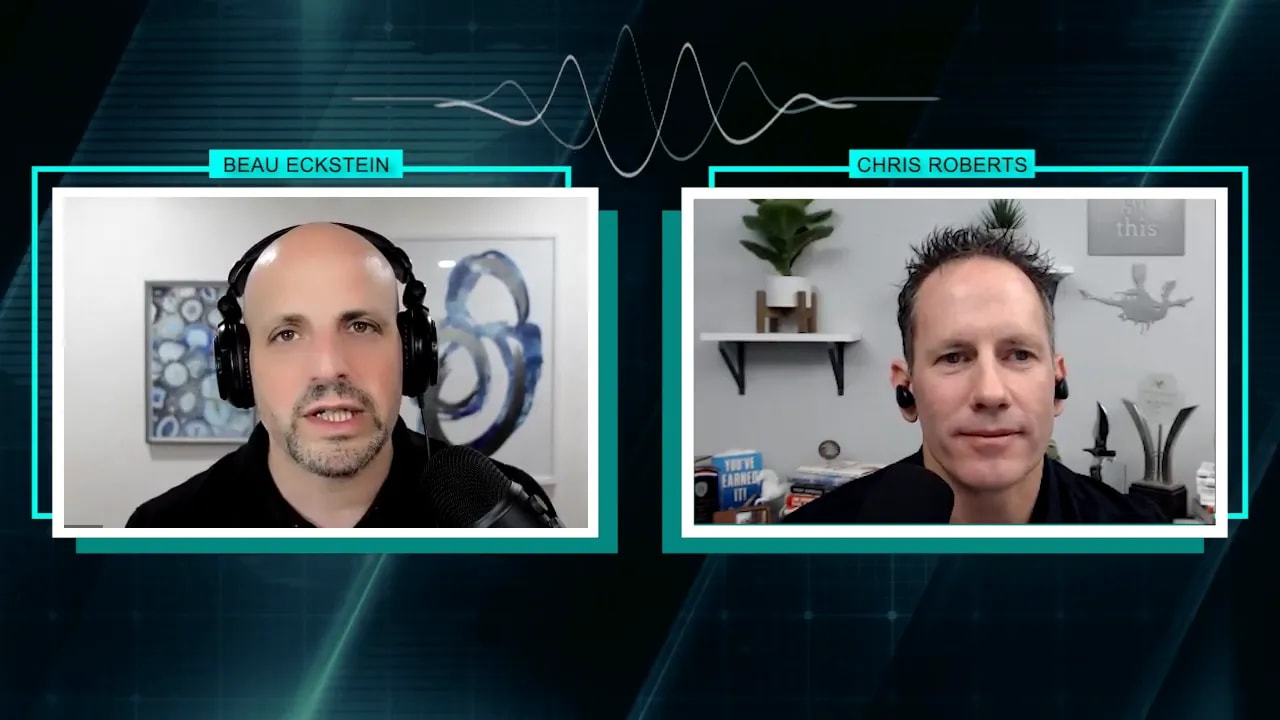
Business Ownership Coach | Investor Financing Podcast is more than a tagline — it’s a mindset. If you want to turn hands-on real estate work into repeatable, scalable wealth, the path isn’t mystery: it’s discipline, conservative underwriting, smart partner selection, and relentless communication. Below are the patterns and actionable lessons that separate hobby investors from repeatable syndicators.
From single-family flips to 100+ unit multifamily plays
Starting small matters. Many successful operators began buying distressed single-family homes, renovating, and renting or flipping them to build cash and experience. The repeatable math—buy below market, model conservative rents, and allow for maintenance and vacancy—was the lab where bigger strategies were born.
Once a reliable playbook is in place, the next logical step is scaling. Moving into multifamily allows operators to:
- Leverage operational efficiencies — one property manager, one HVAC provider, fewer trip costs per door.
- Aggregate capital — syndication lets you pool investor dollars and pursue larger value-add opportunities.
- Unlock institutional financing — agency loans and commercial debt are typically available for larger assets.
Chris’s story follows this progression. He used small wins to build confidence, then shifted focus to larger value-add projects where significant capex unlocked outsized returns for investors.
How to set investor expectations after a home run

Delivering a spectacular return is a rare, joyful problem: investors get used to it. The smart operator avoids inflating expectations by sticking to conservative underwriting and constant transparency.
Here’s a practical approach:
- Underwrite conservatively. Use modest IRR and equity multiple assumptions that account for vacancies, repairs, and rising interest rates.
- Explain upside vs. baseline. Tell investors what the base case is and why a deal might outperform (market rent growth, compressed cap rates, faster execution).
- Be transparent daily. Share both bad news and good news — from a plumbing issue to a surprise rent spike. Trust compounds faster than performance.
When a deal performs far beyond projections, emphasize the one-off nature of that result while reminding investors of the team’s conservative track record. That combination of results plus honesty keeps capital sticky.
Building a team that scales: roles, fit, and guardrails

Photo by Tierra Mallorca on Unsplash
Scaling from a few doors to 100+ units is a team sport. The single-family model rewards individual hustle; multifamily rewards distributed expertise.
Key roles to assemble early:
- Analytical partner — system and process focus, underwriting rigor.
- Underwriter — market expert who validates deal assumptions.
- Fund manager — manages debt, insurance, and fund-level compliance.
- Investor relations — keeps LPs informed and handles capital calls and reports.
- Operations and asset managers — execute the value-add plan on the ground.
Culture and alignment matter as much as skill. Treat key team members like equals in vision, if not always in equity. Do background checks, clear role definitions, and honest conversations about expectations before formalizing partnerships. If you’re co-general partnering, protect investor capital by ensuring decision-making control resides where it should.
A simple syndicator checklist

Photo by Tierra Mallorca on Unsplash
- Conservative underwriting templates with stress cases
- Defined partner roles and responsibilities
- Investor communication cadence (monthly or quarterly reporting)
- Third-party due diligence: title, survey, environmental when needed
- Exit strategy and timeline, including refinance or sale triggers
Where to look: markets, deal type, and why the Southeast

Photo by Tierra Mallorca on Unsplash
Market selection is rarely random. Focus where demand fundamentals and landlord-friendly environments converge. The Southeast has been popular for many investors because of:
- Population growth and job creation
- Landlord-friendly regulations in many states
- Lower construction and labor costs compared with coastal metros
- Strong broker networks that feed quality deal flow
For operators who like deep value-add work, 100-plus unit properties with large capex budgets are where the “meat on the bone” lives. Bigger capex budgets (seven-figure ranges) create room to push value through renovation, unit reconfiguration, and improved operations.
Daily habits, mindset, and compounding knowledge

Photo by Tierra Mallorca on Unsplash
Successful real estate entrepreneurs share a few consistent habits:
- Consume broadly and often. Books, podcasts, and interviews are the training ground. Absorb ideas and then apply them.
- Work the grind. Early wins often require sacrifice — living below means, reinvesting cash, and delaying comforts.
- Be curious about people. Interview others, ask hard questions, and learn from adversity stories.
- Stay fired up for the right reasons. Motivation often comes from wanting to improve your life and help others, not chasing a headline return.
Routine matters less than consistency. What compounds is the daily application of learning, the deals you underwrite and lose and win, and the relationships you nurture.
Quick action plan for an aspiring syndicator
- Start with conservative models and buy one small property to learn operations.
- Find one partner whose strengths offset yours and formalize responsibilities.
- Build a simple investor communication packet and stick to it.
- Target markets with strong rent growth or demographic tailwinds.
- Protect investor capital first — reputation compounds into capital access.
Business Ownership Coach | Investor Financing Podcast is a reminder that scaling real estate is a systems game, not a lucky streak. Conservatism in underwriting, transparency with investors, and a deliberate team build will deliver repeatable outcomes over time.
If you’re ready to take the next step, map the roles you need and start recruiting one complementary partner this quarter. That single hire is often the lever that moves you from operator to scalable sponsor.