
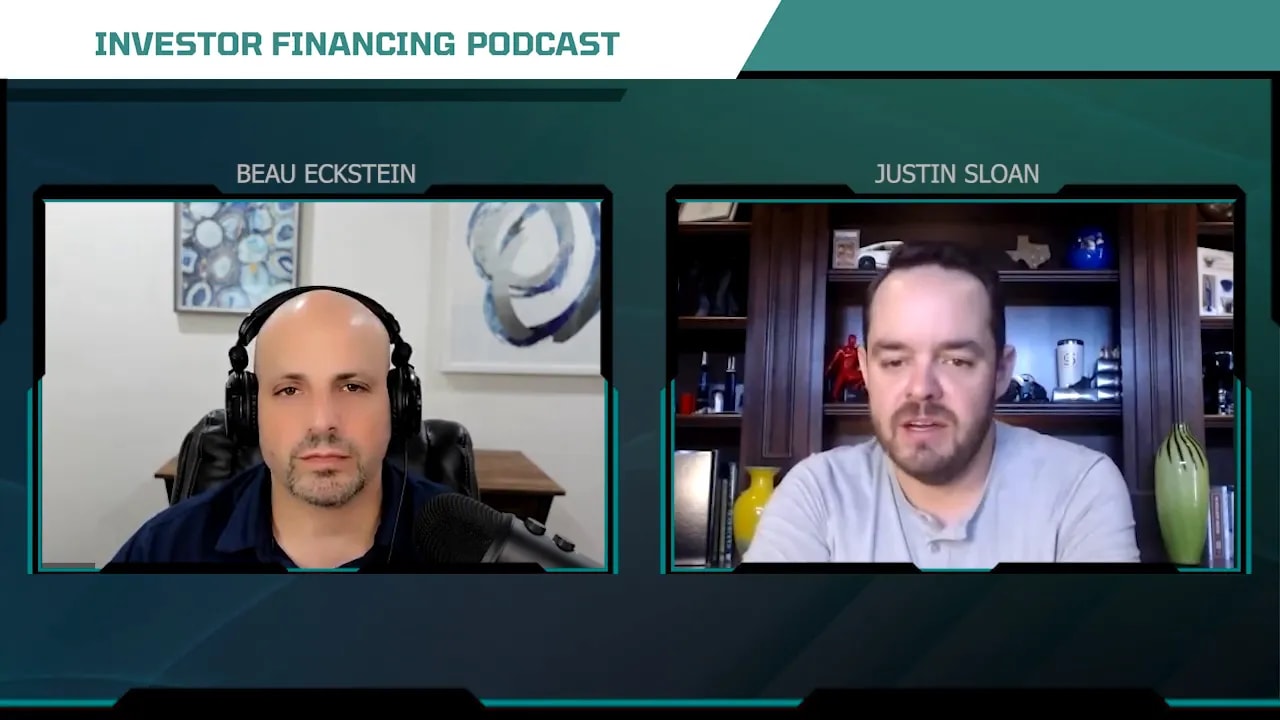
If you want real-world guidance on building businesses that scale, the phrase Business Ownership Coach | Investor Financing Podcast should be on your radar. As a Business Ownership Coach | Investor Financing Podcast host would suggest, the smartest entrepreneurs diversify: keep core real estate holdings, then add operating businesses and franchise territory plays to create multiple, resilient income streams.
Why diversify beyond real estate
Real estate is familiar and profitable for many investors, but concentrating all capital into one asset class is risky. As a reminder from experienced operators, the goal of a Business Ownership Coach | Investor Financing Podcast approach is to avoid the shakeouts that come when markets turn. The last decade’s real estate run produced great returns, but downturns can still hit hard — tenants default, interest rates shift, and valuations compress.
Diversification means allocating into businesses that provide basic human needs — food, shelter, services — and structuring those investments with conservative debt or no debt. When a property manager calls at 3 a.m. because a sump pump froze, that’s a reminder: many passive labels are deceiving. Franchise ownership and fractional operating equity can provide exposure to consumer-facing success without requiring you to be the one on the grill every night.
Why the franchise model beats starting from scratch

Photo by Bernd 📷 Dittrich on Unsplash
Buying a franchise buys you a proven system. That is the core argument a Business Ownership Coach | Investor Financing Podcast conversation often emphasizes: royalties reduce gross margin, but they also eliminate the trial-and-error costs of product development, supply-chain sourcing, and branding. For people leaving W-2 work, franchising is a way to trade a bit of margin for predictable processes and fast ramp-up.
The real value of a brand is consistency. From menus and equipment to employee training and grand-opening playbooks, a strong system reduces execution risk. If you want to be semi-passive, the franchise pathway allows a blend: learn the operations deeply early, then hire district managers and let the system run.
Buying a territory and scaling fast

Photo by Kristina spremo on Unsplash
Territory ownership changes the scale equation. A single-unit operator competes locally; a territory owner commits to dozens of units over multiple years, unlocking value creation attractive to roll-up buyers and institutional acquirers. This is precisely what many people hear from a Business Ownership Coach | Investor Financing Podcast style discussion: commit to a territory, prove the model, then either keep the cash flow or sell a concentrated portfolio to a larger operator.
Practical steps for territory growth:
- Activate visibility: open flagship units and food trucks to create local demand.
- Recruit franchisees: not every market requires a single owner — partner with other operators.
- Use multiple growth channels: company-operated stores plus fractional investor-owned stores to speed expansion.
Funding structure, passive investors, and governance

Photo by Kristina spremo on Unsplash
Franchises can be financed multiple ways. One practical structure combines small LLCs that hold clusters of restaurants with fractional equity sold to accredited investors. That’s a repeatable model a Business Ownership Coach | Investor Financing Podcast style host often recommends: form an LLC for two or three units, raise capital in blocks (for example, $50,000 increments), and operate with strong reporting and transparency so investors see the month-to-month progress.
Core structural points to protect investors and operators:
- LLC per cluster: keeps operational risk contained and simplifies accounting.
- Minimum investment requirements: helps ensure investors understand the illiquidity and operational risk (commonly accredited-only).
- Frequent reporting and community: treat investors as partners, share updates, invite them to grand openings, and show on-the-ground progress.
Practical lessons: location, leases, and timelines

Photo by Kristina spremo on Unsplash
A few operational truths stand out. First, nothing moves as fast as you want. Permits, contractors, and public agencies are often the pace limiter. Accept the delay, but design processes that let you use extra time to hire well and polish the opening.
Second, leases matter more than people expect. If rent is 20 percent of sales, the unit struggles even with great product. Negotiate rent-to-sales expectations up-front. A Business Ownership Coach | Investor Financing Podcast mindset focuses on saving margin through clever lease negotiation — often the highest-return activity early in development.
“Don’t ask people to do anything that we’re not willing to do ourselves.”
That leadership line captures the best founder behavior. Learn operations before you delegate. Work the first shifts. Then systematize, hire, and replace yourself.
How to evaluate if this path fits you

Photo by Kristina spremo on Unsplash
Ask yourself three honest questions:
- Do I want to operate or invest? If you have capital but limited time, fractional equity in operator-run stores can offer exposure without the day-to-day commitment.
- Do I understand leases and real estate? Location is the single biggest driver of retail success. If not, partner with someone who is.
- Can I tolerate longer timelines? Construction and permitting often add months; plan buffers into your financial model.
A disciplined rollout with conservative assumptions, transparent reporting, and a plan for exit (roll-up to a larger operator or long-term cash flow ownership) is the blueprint most aligned with a Business Ownership Coach | Investor Financing Podcast philosophy.

Next steps to get started
If you are serious about franchise ownership, follow these starter actions:
- Read the FDD thoroughly: understand unit economics and historical unit performance.
- Visit multiple locations: taste the product, talk with managers, and observe peak-hour execution.
- Run conservative pro formas: stress-test rent, payroll, and supply disruptions.
- Consider territory deals: if you want scale, a territory gives you optionality to operate and recruit partners.
- Plan an exit: make your business saleable by standardizing operations and keeping healthy financial records.
The disciplined operator builds multiple income sources and then writes checks to other great operators to keep compounding momentum. That is the essence of a modern Business Ownership Coach | Investor Financing Podcast approach: combine hands-on experience with strategic, diversified capital deployment.