
If you have been in short term rentals and you are wondering what comes next, this is exactly the kind of pivot a Business Ownership Coach should help you think through. The game has changed. Airbnb was a great run for a lot of operators, but tighter regulations, heavier competition, and compressed returns are pushing investors to look for assets with more control, more land value, and more room to scale.
That is why so many people are looking at three hospitality plays right now: RV parks, glamping resorts, and boutique motels. Each one can create wealth, but they do it in different ways. The right choice depends on your operating style, your budget, your financing path, and how hands on you want to be.
A smart Business Ownership Coach does not just ask what sounds exciting. The real question is what fits your strengths and can actually get funded and operated well.
Why hospitality assets are pulling investors away from standard STRs

The appeal is pretty straightforward. With hospitality assets, you are not just renting a box and hoping platform traffic holds up. You are creating a destination, controlling the experience, and in many cases owning the land underneath the business.
That matters.
Land based hospitality gives you more levers to pull. You can upgrade the asset, improve branding, add revenue streams, and build a business that is more than a single nightly rental. This is where a Business Ownership Coach can help clarify whether you are really looking for passive income, an operating company, or a value add reposition play.
RV parks: simple, accessible, and often full of hidden upside

RV parks are one of the more approachable hospitality asset classes, especially for buyers moving up from smaller real estate deals. A lot of them are still run by mom and pop owners who have not optimized pricing, branding, or additional revenue opportunities. That creates room for improvement without always needing a massive redevelopment budget.
The biggest advantages usually look like this:
- Lower cost per unit compared with many other hospitality options
- Potential for relatively fast cash flow if operations are tightened up
- Strong demand from travelers and full time RV users
- Upside through site improvements, better management, or adding cabins
That said, RV parks are not automatic winners. Utilities can be outdated, especially septic and electrical systems. Seasonality can hit hard depending on the market. And if a park has long term tenants, some of that income may not be counted the way you expect during SBA underwriting.
Another issue is financial reporting. A lot of these properties have books that are rough around the edges, which can make underwriting more complicated than buyers expect.
How RV parks are commonly financed

For acquisitions and lighter improvements, SBA 7(a) financing is often a strong fit. If you are planning a larger repositioning or adding permanent structures, SBA 504 may be more attractive. If the property is in a rural market, USDA financing can also become part of the conversation and may allow for larger funding potential.
If your goal is stable cash flow with land ownership and operational simplicity compared with a full service lodging business, this is a lane worth taking seriously.
Glamping: branding, experience, and premium pricing
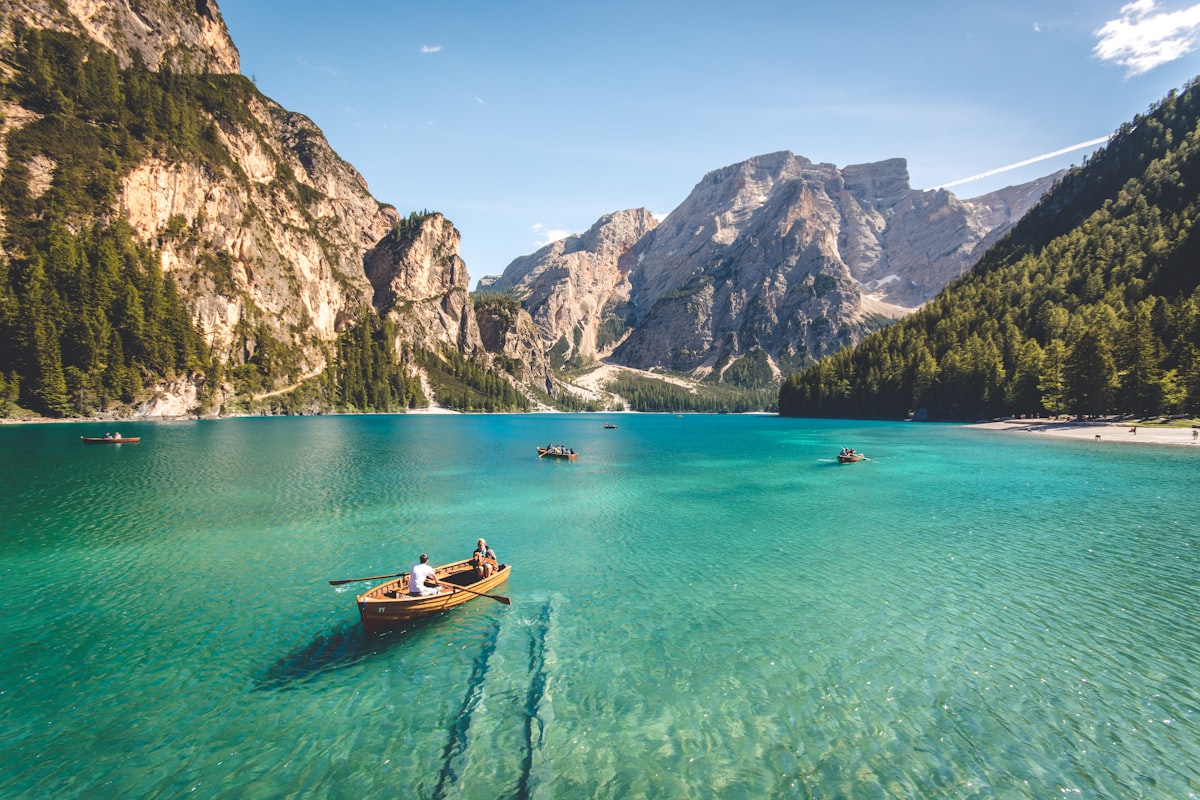
Glamping is the experience first model. This is where design, story, and feel drive the economics. Think domes, tiny homes, cabins, and other unique stays that people remember and share.
What makes glamping attractive?
- Higher nightly rates when the concept is dialed in
- Potentially lower cost per unit depending on what you build
- Strong branding potential
- Appeal to remote workers, couples, creatives, and people looking for something memorable
This is where the creativity side of the business really matters. If you enjoy crafting a guest experience, designing something distinct, and marketing a concept instead of just selling nights, glamping can be a strong fit.
But here is the reality. Glamping is not a plug and play investment. Zoning can get messy fast. Some local jurisdictions are supportive, while others are confusing or inconsistent. And not every structure qualifies for traditional financing.
Where glamping deals run into trouble
One of the biggest mistakes people make is assuming tents and trailers will be treated like financeable real estate. If the units are not permanent structures, you can run into financing walls quickly.
Operations are also more hands on than many people think. Marketing matters. Guest communication matters. The overall feel of the place matters. If you ignore the hospitality side and treat it like ordinary rental property, the model can disappoint you.
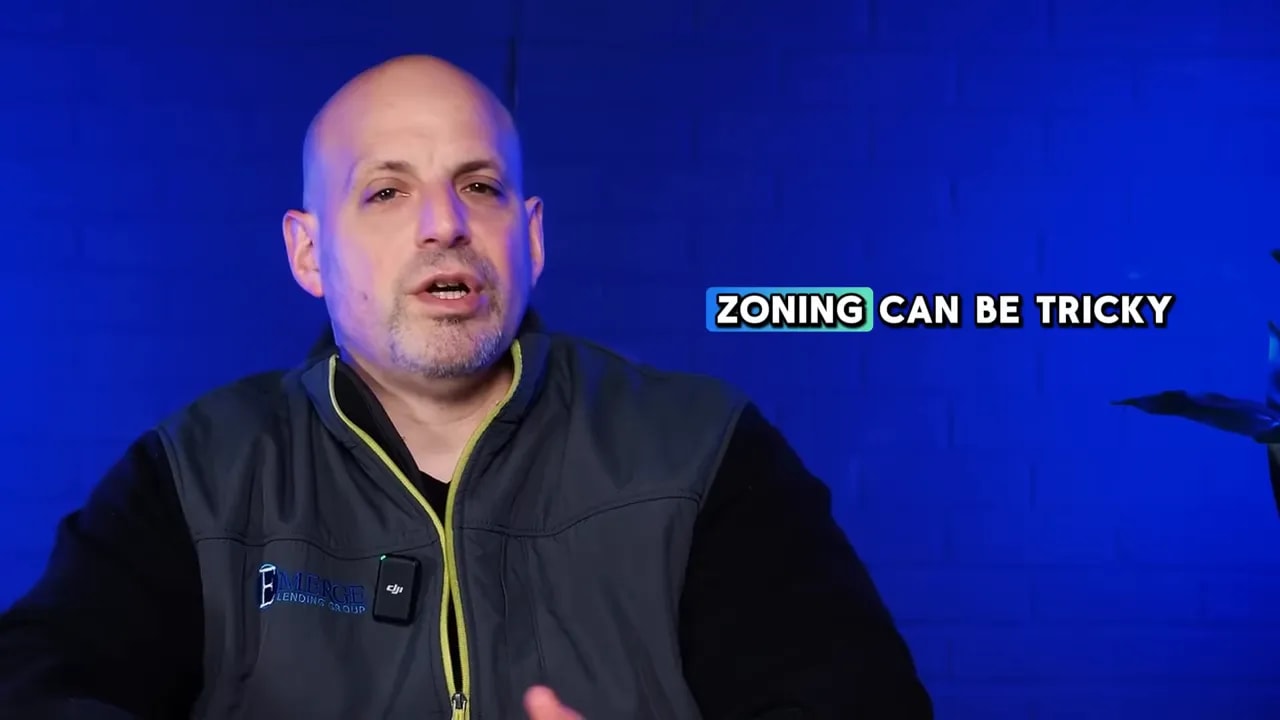
When the site is shovel ready and the units are permanent, SBA 7(a), SBA 504, and sometimes USDA financing can all be options depending on the deal. That is why a Business Ownership Coach should look at the actual structure plan, land use, and development path before assuming the capital stack is straightforward.
Boutique motels: the reposition play with the biggest business upside

Boutique motels are having a real moment because travelers are chasing charm, design, and character over generic lodging. If you can take an older roadside motel and give it a clear identity, improved operations, and a more compelling guest experience, the upside can be significant.
Why this model stands out:
- The infrastructure is already there
- Many properties are underperforming
- Branding and renovation can raise average daily rate in a meaningful way
- You can add multiple income streams like events, food and beverage, or retreats
This is less of a landlord play and more of an operating business. If you are thinking about systems, staffing, and scale, this becomes a very interesting lane.
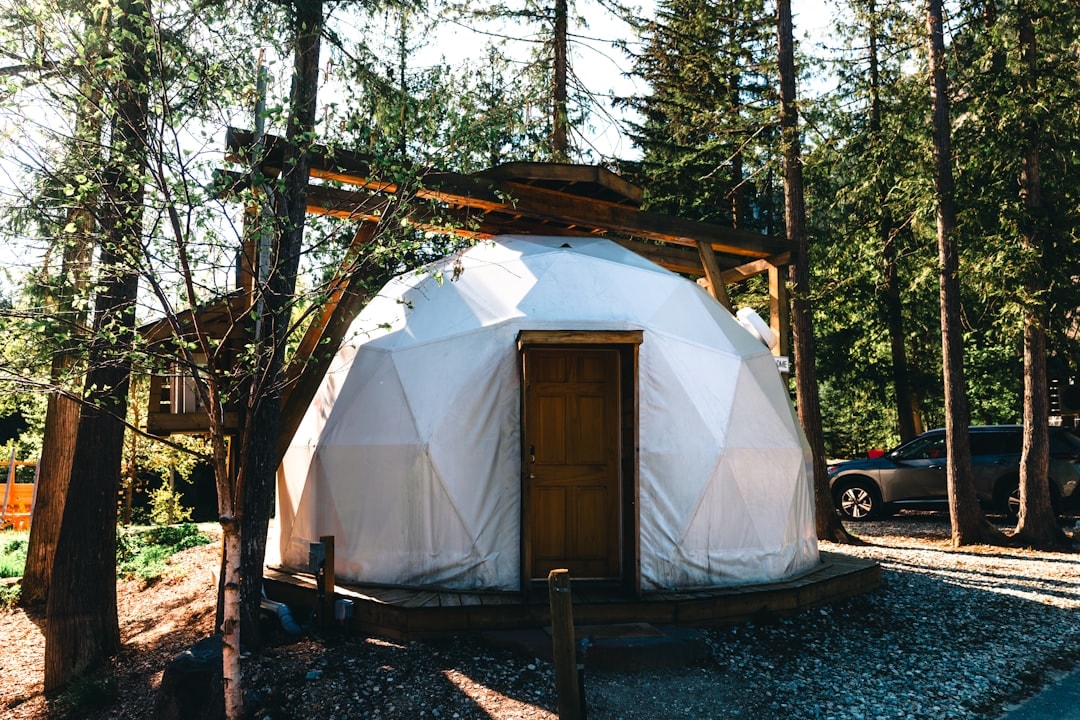
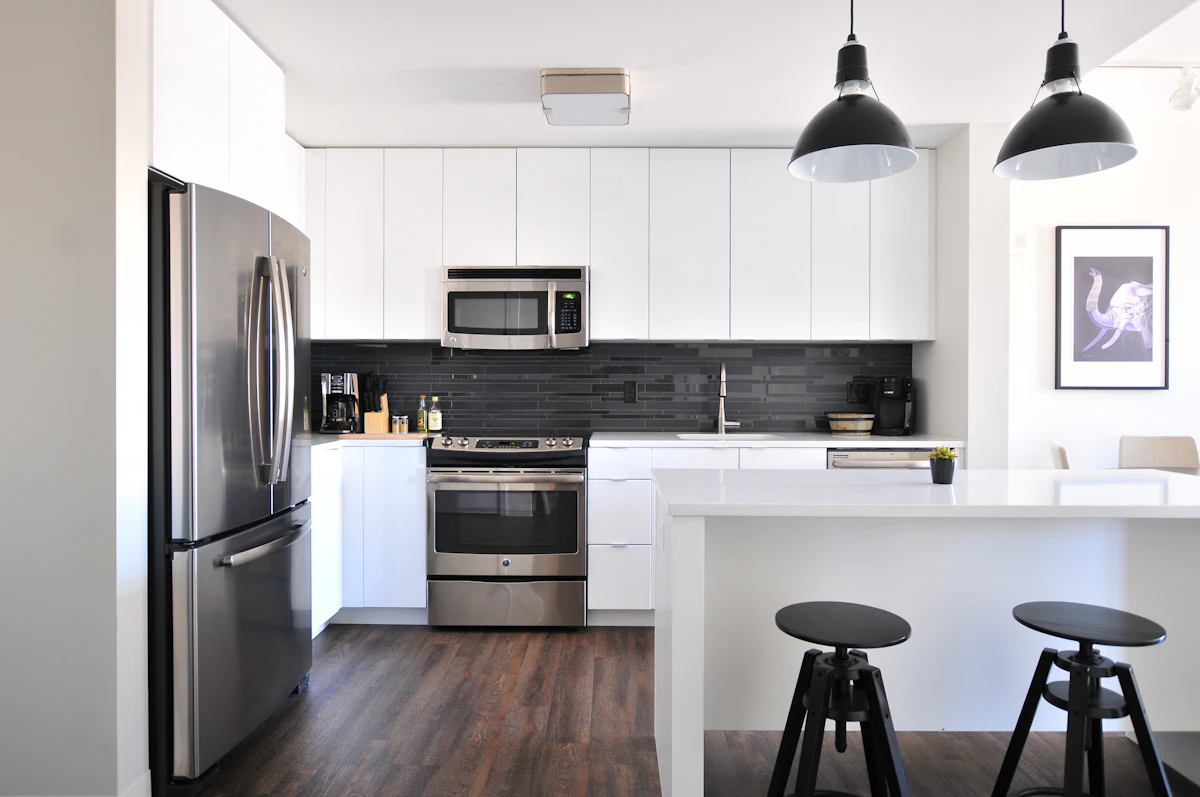
Photo by Ali Kazal on Unsplash
What makes boutique motels more demanding

The tradeoff is that upfront costs can be higher. Renovations may be extensive. The asset may need operational systems, staff, and a stronger management structure right out of the gate. This is not the best fit for someone who wants a quiet, mostly passive hold.
For larger repositioning or rebuild strategies, SBA 504 often makes sense. For lighter upgrades, SBA 7(a) may work. Tax strategy can also become a major part of the conversation, especially if you are considering cost segregation in the first year.
How to choose the right lane
If I were acting as your Business Ownership Coach, I would simplify the decision like this:
- Choose RV parks if you want simpler operations, land ownership, and a more passive to semi passive cash flow model.
- Choose glamping if you are creative, brand minded, and energized by designing a memorable experience.
- Choose boutique motels if you want a true hospitality business with staff, systems, and multiple revenue channels you can grow and eventually exit.
The best asset is not the one with the most hype. It is the one you can finance, operate, and improve effectively.
Financing and tax details that matter more than people realize

Across these hospitality asset types, the financing path often comes back to SBA 7(a), SBA 504, or USDA financing depending on the property, the location, and your business plan. The details of the deal matter a lot, so general rules only take you so far.
Another major point is asset classification. Cabins and motel properties used for short term lodging are typically treated as commercial real estate rather than residential. That affects depreciation.
In many cases, these assets depreciate over 39 years instead of 27.5. But a cost segregation study may allow parts of the property to be broken out into shorter life categories like five, seven, or 15 years. That can create a much larger first year deduction and improve cash flow.
This is one of those areas where a Business Ownership Coach, lender, and CPA should all be aligned before you close.
Common mistakes to avoid

There are a few mistakes that show up again and again in hospitality deals:
- Assuming SBA financing works for non permanent glamping units
- Skipping zoning verification before planning the concept
- Going in with too little reserve capital and working capital
- Trying to get approved without a real business plan
Lenders want to see comps, projections, and a business story that actually makes sense. If the plan is vague, the approval process gets harder. If the numbers are thin, it gets even harder.
Additional Resources

If you want help evaluating a deal, book a strategy call.
If you want to plug into a broader community, join the Business Ownership Academy.
For ongoing insights, subscribe to the newsletter.
If you need support building leverage in your business, here is a resource for a virtual assistant.
If funding is part of the next step, schedule an SBA discovery call.
The bottom line

The right hospitality investment is not universal. RV parks, glamping resorts, and boutique motels can all build wealth, but they match different personalities and different operating styles.
If you want stable land based cash flow, look hard at RV parks. If you want a high experience, design driven concept, glamping may be your play. If you want to build a real hospitality company with scale and optionality, boutique motels deserve a serious look.
A good Business Ownership Coach helps you choose based on fit, financeability, and long term execution, not hype. That is how you avoid expensive mistakes and build something that actually works.