
A Business Ownership Coach can help you avoid one of the biggest traps in entrepreneurship: buying a business because it looks exciting, not because it has been properly evaluated. If you are considering acquiring a company, franchise, or local service business, the real work is not finding a listing. The real work is understanding cash flow, risk, deal structure, and whether the business can actually support you after closing.
The truth is simple. Business ownership can create serious wealth, but it is not passive, and it is not forgiving of sloppy due diligence. A strong Business Ownership Coach helps you think clearly, ask better questions, and build the right team before you sign personal guarantees or invest your savings.
What a Business Ownership Coach Actually Helps With

A Business Ownership Coach is not just there to motivate you. The real value is strategy and decision-making.
At a practical level, a good coach helps you:
- Clarify acquisition criteria so you do not chase random deals
- Evaluate fit based on your skills, capital, and lifestyle
- Understand financing options, including SBA-backed deals
- Identify risks hidden in financial statements and operations
- Build the right team of lenders, CPAs, attorneys, and buy-side advisors
- Stay disciplined when emotion starts driving the deal
That matters because many first-time buyers think the hardest part is finding money. Often, the bigger problem is not being prepared to run what they buy.
Why Buying an Existing Business Often Beats Starting From Scratch

One of the clearest themes in acquisition strategy is this: an existing business usually gives you better odds than building from zero.
Why? Because an existing business may already have:
- Customers
- Revenue history
- Employees
- Vendor relationships
- Operational systems
- Market proof
Starting from scratch means you are funding payroll, rent, customer acquisition, and mistakes before you even know when the company will become profitable. Buying an established business does not remove risk, but it can reduce uncertainty if the business has survived different economic cycles and has a track record you can verify.
A Business Ownership Coach should help you separate businesses that have real staying power from businesses that only look good in a teaser or listing.
The Real Lifeblood of a Business: Cash Flow, Not Profit

Many new buyers focus too heavily on revenue and profit. That is a mistake.
A business can look profitable on paper and still fail because it runs out of cash. That happens when money goes out faster than it comes in.
Examples include:
- Customers paying in 60 to 110 days
- Payroll due every two weeks
- Inventory piling up on shelves
- Unexpected equipment failures
- Tax obligations not reserved for in advance
This is where a Business Ownership Coach earns their keep. You need someone who can help you understand working capital, receivables, payables, inventory turns, and cash projections. If you cannot predict whether the business will have enough cash for payroll, you do not understand the business well enough yet.
Financial Red Flags Buyers Miss All the Time
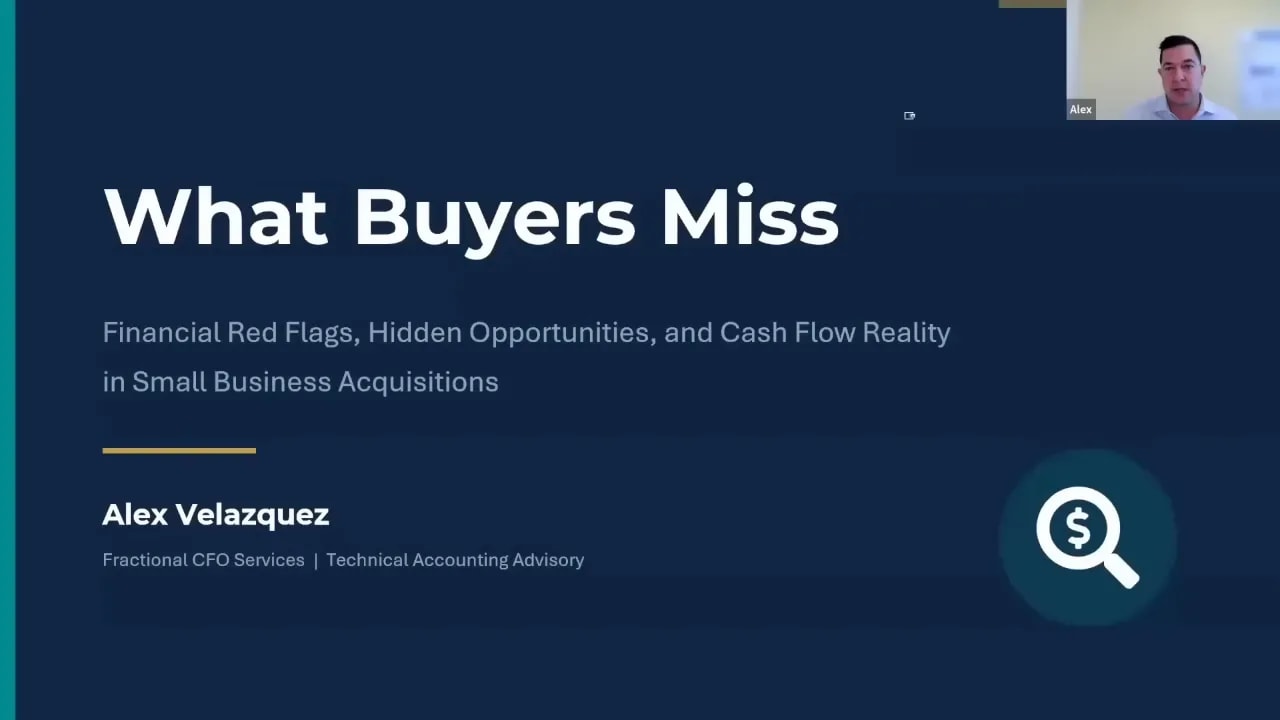
There are patterns that show up over and over again in bad deals. A smart Business Ownership Coach should train you to spot them early.
1. Tax returns do not match the internal financials
If the seller presents one set of numbers and the tax returns tell a very different story, that gap needs to be explained. Sometimes the reason is legitimate. Sometimes it is not.
2. Receivables are too old
If customers are taking too long to pay, you may be buying a collection problem disguised as a healthy company.
3. EBITDA add-backs are too aggressive
Some expenses truly are one-time. Others get labeled as one-time even though they happen every year. If you overpay based on inflated add-backs, you will feel it after closing.
4. Customer concentration is too high
If one client represents a large chunk of revenue, the business can become unstable fast if that relationship leaves.
5. Books are disorganized
Messy financials usually point to deeper operational problems. It also makes financing harder and can kill deals.
6. Owner and business expenses are mixed together
When the books are muddy, diligence becomes guesswork. Guesswork is expensive.
How to Evaluate a Business Before You Buy

A solid Business Ownership Coach will usually push you through a framework, not just a checklist. Here is a practical one:
- Verify revenue
Sample invoices and trace them to actual payments. - Review margins
Understand which products, services, or customers are truly profitable. - Study the balance sheet
Do not stop at the profit and loss statement. The balance sheet often reveals the history and hidden issues. - Inspect working capital
Look at AR aging, AP timing, and inventory movement. - Check for key person risk
If a single manager, technician, or salesperson leaves, what happens? - Assess the seller’s role
Can the business function without the current owner? - Review legal and tax structure
Entity setup matters for both liability and taxes. - Model post-close cash needs
Do not assume the purchase price is the only capital required.
Why You Should Never Try to Buy a Business Alone

Buying a business is a team sport. That is not a cliché. It is reality.
You may be strong in sales, operations, or marketing. That does not make you strong in accounting, tax structure, legal review, or deal negotiations. Ego is expensive in acquisitions.
Your team may include:
- A Business Ownership Coach
- A strategic CPA
- An attorney with deal experience
- An SBA or acquisition lender
- A buy-side advisor
- An industry operator if the target business is outside your background
Trying to save money by skipping expert help can cost far more than the advisory fees you avoided.
What Buy-Side Advisory Means for a Serious Buyer

Buy-side advisory is the quarterback role in an acquisition. This is often where a Business Ownership Coach overlaps with transaction support, though they are not always the same thing.
A buy-side advisor helps with:
- Defining target criteria
- Sourcing deals
- Coordinating diligence
- Helping negotiate price and structure
- Reducing emotion in decision-making
- Thinking through the first 90 days after closing
The best buyers do not just ask, “Can I buy this?” They ask, “Should I own this, and can I improve it?”
Common Deal Structure Tools You Need to Understand

A Business Ownership Coach should help you understand how risk can be shared between buyer and seller. Common tools include:
- SBA financing for qualified acquisitions
- Seller notes where part of the price is paid over time
- Standby notes in some SBA structures
- Earnouts tied to future performance
Not every structure fits every deal. Sellers often dislike earnouts, especially in smaller transactions, but concentration risk or uncertain performance may justify them. The point is not to force a structure. The point is to match structure to risk.
Mistakes First-Time Buyers Make

- Falling in love with the idea of ownership before understanding the business
- Focusing only on top-line revenue
- Ignoring the balance sheet
- Underestimating working capital needs
- Not identifying key employee risk
- Assuming the seller’s numbers are fully clean
- Skipping paid experts to save money
- Buying a business that depends too much on the owner
- Thinking business ownership is passive from day one
Who Should Work With a Business Ownership Coach?
A Business Ownership Coach is especially useful if you are:
- A W-2 employee planning an exit into ownership
- A real estate investor exploring business acquisitions
- A first-time buyer using SBA financing
- An operator looking to expand through acquisition
- A franchise candidate comparing resale versus startup options
If you want help evaluating SBA-backed opportunities, a good starting point is this SBA discovery call. For a broader framework, the SBA financing course can help you understand the lending side before you approach a deal.
Additional Resources

- Book a strategy call
- Join the business ownership community
- Subscribe to the newsletter
- Learn about virtual assistant support
Final Takeaway
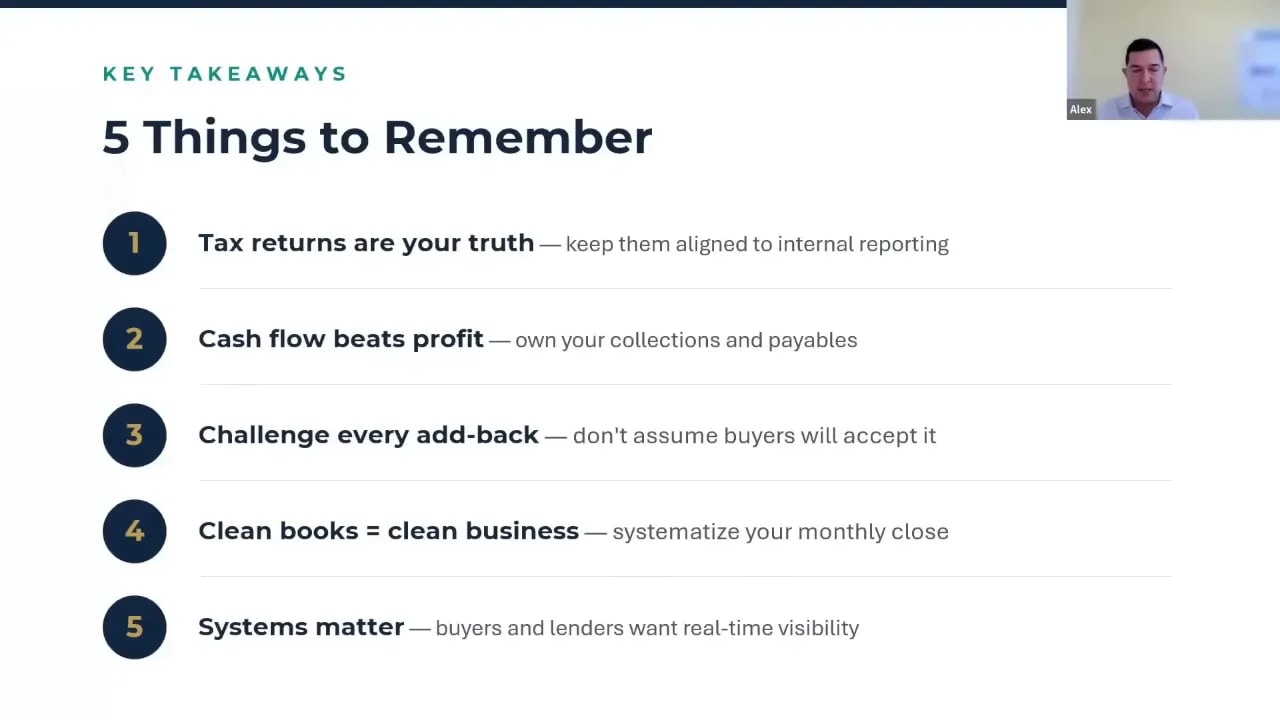
The right Business Ownership Coach helps you stay grounded in reality. Business acquisitions can create wealth, but only if you understand what you are buying, how it will be financed, what risks you are taking on, and how the company will perform after closing.
Do not chase the fantasy of easy ownership. Chase clarity. Chase clean numbers. Chase businesses with durable cash flow, manageable risk, and room for improvement. That is how smart buyers win.