
If you are exploring franchising as a way to leave a traditional job, add a side business, or buy an established operation, a Business Ownership Coach can help you think more clearly about fit, funding, risk, and growth. In 2025, interest is rising around lean service franchises, home-based models, resale opportunities, and AI-powered operations. The reason is simple: many buyers want a business with lower overhead, scalable systems, and a path to income that does not depend on building everything from scratch.
This guide explains which franchise models are getting attention, why some buyers start part time while others go all in, how financing often works, and what due diligence matters most before signing anything.
Why franchise ownership is attracting more first-time buyers
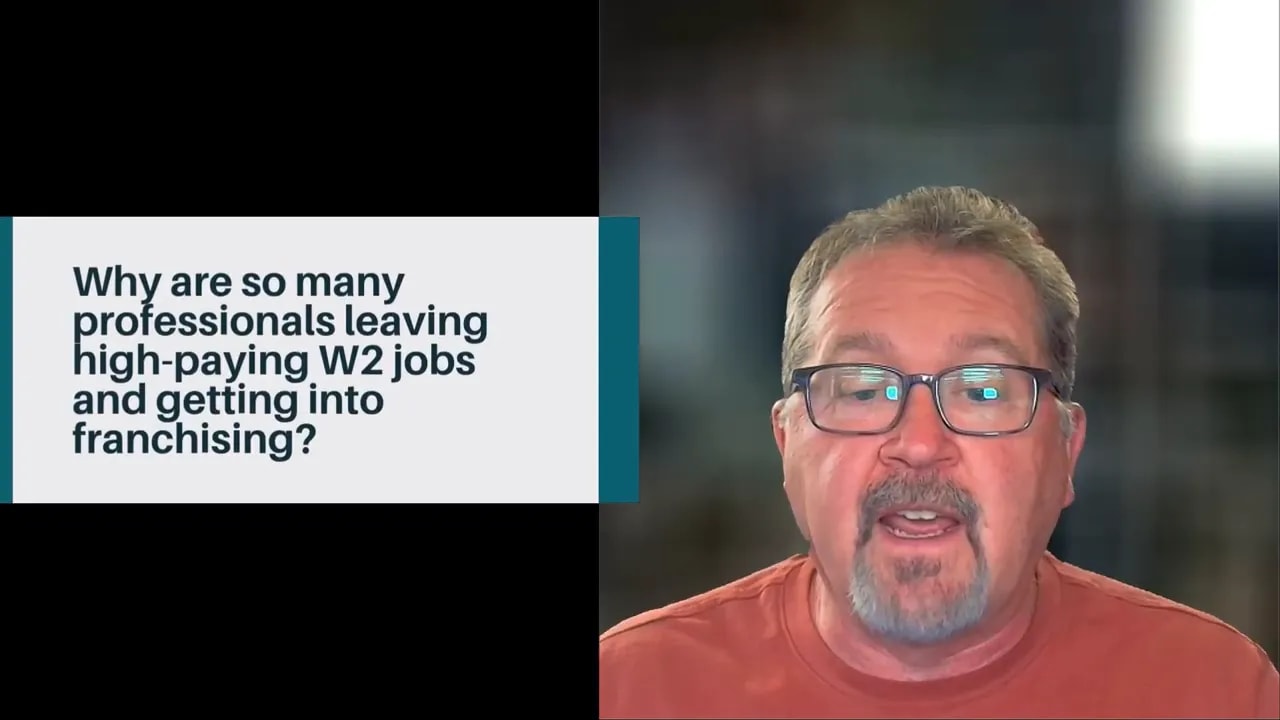
More professionals are looking beyond a standard salary and asking whether business ownership can create more control over income, time, and long-term wealth. A franchise is appealing because it offers a system, operating processes, brand support, and marketing infrastructure instead of a blank slate.
A Business Ownership Coach typically helps buyers sort through a few big questions:
- Do you want a side business or a full-time replacement for your job?
- Do you want home-based, mobile, retail, or office-based operations?
- Are you comfortable managing employees?
- Do you want a simple local business or a multi-unit growth plan?
- How much capital can you invest up front?
Those questions matter because “franchise” is not one thing. It can mean a van-based home service company, a cleaning business, a pet care brand, a wellness location, a retail concept, or a resale of an existing unit.
What kinds of franchises are growing in 2025?

Photo by LinkedIn Sales Solutions on Unsplash
The strongest interest is going toward asset-light, service-based businesses that can start without an expensive buildout. These models often operate from home, a small warehouse, or directly from service vehicles.
Categories getting attention include:
- Home services such as painting, HVAC, plumbing, drain cleaning, dryer vent cleaning, and air duct cleaning
- B2B and janitorial services with recurring commercial demand
- Pet care where spending tends to remain steady
- Health and wellness including recurring treatment models
- Senior care and adult day care where demographics support long-term demand
These businesses tend to stand out for a few reasons:
- Lower startup costs than many traditional retail concepts
- Less dependence on expensive real estate
- Practical, recurring services people continue to buy
- Clear unit economics around technicians, vehicles, service calls, and average ticket size
That does not mean every brand or every operator succeeds. Owner execution still matters. In almost any franchise system, performance varies widely between top operators and weak ones.
Why low-cost, home-based franchises are getting so much attention
Many people still assume franchising means a restaurant or a storefront with a large buildout. That is only one slice of the market. A growing share of franchise buyers are choosing models with lower fixed costs and more flexibility.
Common advantages of home-based and mobile franchise models include:
- Lower overhead because there may be no full retail lease
- Smaller teams at the start
- Faster path to launch in some systems
- Scalability by adding technicians, vehicles, or territories
- Simpler operations for buyers who are new to ownership
For a buyer who wants to keep a job while starting a business, these models can also be easier to manage than labor-heavy retail concepts. Some operate with only one employee or contractor early on.
How AI is changing franchise operations

Photo by krakenimages on Unsplash
AI is becoming one of the biggest operational advantages in service-based franchising. Brands that adopt it well can respond faster, reduce missed leads, and run leaner admin teams.
Practical AI use cases include:
- AI call answering for inbound inquiries
- Appointment scheduling without needing a live person every time
- Website chat automation for immediate response
- Lead follow-up outside standard office hours
- Workflow automation that reduces manual admin tasks
In service businesses, speed matters. When a customer reaches out online or by phone, the first company to respond often wins the job. AI can improve that response time and lower payroll pressure by reducing the number of admin hires needed.
A Business Ownership Coach can help buyers ask a smart question during diligence: not just whether a brand uses AI, but whether its AI tools actually improve lead conversion, scheduling, and labor efficiency.
Should you buy one territory or multiple units?
Some first-time buyers are skipping the one-unit mindset and buying multiple territories from the start. The logic is tied to income replacement and scale.
If one territory has a ceiling based on population, service volume, and margin, that single unit may not produce enough owner income to replace a high salary. Adding a second territory can increase the upside and create a more realistic path to the income target.
That said, bigger is not automatically better. Multi-unit planning only makes sense if you understand the numbers.
Key unit economics to review
- Population or business density in the territory
- Average ticket per service call
- How many calls one vehicle can handle per day
- Gross revenue potential per technician or van
- Expected gross margin and net margin at maturity
- Staffing needs and payroll burden
- Ramp-up period before stable cash flow
A good Business Ownership Coach pushes buyers to think like operators and owners, not just excited shoppers.
Health, wellness, and recurring-revenue models
Health and wellness franchises continue drawing attention because many of them are based on repeat customer behavior. Businesses built around recurring services can be more predictable than one-time transactions.
Examples of recurring wellness demand mentioned in this market include:
- Anti-aging services
- Weight-related treatment models
- Botox-related recurring visits
- Men’s wellness and testosterone optimization
These businesses depend heavily on the right demographics and location. In the right market, they may hold up better because the customer base is often willing and able to continue paying for services tied to health, energy, or appearance.
Still, this is not a universal rule. A buyer should review the target customer profile, competition, and recurring retention pattern before treating any wellness concept as recession-proof.
What is a franchise resale or franchise flip?
Not every buyer starts from zero. Some buy existing franchise units that are already operating. This can be attractive for two different reasons.
1. Resale for immediate infrastructure
An existing unit may already have staff, customers, equipment, territory presence, and some revenue. That can reduce the startup grind and shorten the path to operating cash flow.
2. Turnaround or “flip” strategy
Sometimes a franchise owner exits because the business was a poor fit, operations were weak, or life circumstances changed. A more operationally strong buyer may purchase that underperforming unit, improve systems, grow revenue, and eventually sell at a higher value.
This strategy is not passive. It works best for buyers who understand operations, systems, and turnaround execution.
Is brick-and-mortar franchising still worth it?

Photo by krakenimages on Unsplash
Yes, but buyers are becoming more selective. Brick-and-mortar is not dead. It just requires more capital, more buildout, and usually more operational complexity.
Examples of retail or location-based models still drawing interest include:
- Smoothie concepts with relatively simple operations and strong product margins
- Pool-related businesses that combine routes with a retail supply location
- Cell phone repair businesses
- Adult day care and senior-focused care centers
- Entertainment concepts in emerging niches
The tradeoff is usually straightforward:
- Higher startup cost
- Longer return timeline
- More employees and facility issues
- Potentially stronger long-term positioning if the concept is well chosen
A Business Ownership Coach can help compare a $100,000 to $200,000 mobile service concept against a seven-figure retail buildout so the buyer does not focus only on the brand name and ignore capital structure.
How franchise financing often works

Photo by krakenimages on Unsplash
Financing is one reason more buyers are considering franchising. Some franchise purchases and startup costs can be financed with SBA-backed lending, which may reduce the amount of cash needed up front.
In the scenarios discussed here, buyers may be able to finance up to 90 percent of eligible project costs, depending on the deal and lender requirements. That is why some lower-cost franchise models become accessible without needing hundreds of thousands in cash on day one.
For buyers who want to understand funding options, an SBA discovery call can help clarify whether the deal structure, down payment, and cash flow profile are realistic.
For resale acquisitions, financing typically depends on whether the business cash flows and whether the seller’s financial records support the loan request.
Who tends to do well in franchising?
Franchising can work for many backgrounds, including first-time owners. It can also be a strong fit for people who are disciplined, coachable, and able to follow systems.
Veterans are often highlighted as strong franchise candidates because the model rewards:
- Process orientation
- Execution discipline
- Comfort with structure
- Leadership under pressure
Women, minority entrepreneurs, and buyers without direct industry experience can also succeed if they choose a model that matches their strengths and follow the system. Many franchise owners enter industries like HVAC, plumbing, or cleaning without prior technical experience. The key is not technical mastery on day one. It is the ability to build, manage, and improve a system.
Biggest mistakes first-time franchise buyers make
- Buying emotionally instead of analyzing economics and fit
- Assuming every franchise is turnkey when owner skill still matters
- Ignoring labor complexity in low-wage, high-turnover businesses
- Not speaking with existing franchisees across different performance levels
- Overlooking the Franchise Disclosure Document and key legal items
- Failing to compare multiple models before deciding
- Underestimating working capital needs during the ramp-up period
One of the smartest moves is to compare several business types before committing. A buyer should look at franchises, resales, and even non-franchise acquisitions before deciding what best fits their goals.
A practical due diligence checklist

Photo by krakenimages on Unsplash
Before buying, review these areas carefully:
- Brand support and training quality
- Territory size and market demand
- Franchisee retention and turnover
- Litigation history and system health
- Item 19 financial performance data if available in the FDD
- Startup and ongoing fees
- Staffing model and labor pain points
- Marketing effectiveness and lead generation systems
- AI and automation capabilities
- Resale value potential
If you want structured guidance while evaluating options, a franchise strategy call or support from a Business Ownership Coach can be useful. For ongoing education, the Business Ownership Academy and this business ownership newsletter are also relevant resources. If your future business will need support staff, this resource on a virtual assistant for business owners may help streamline early operations.
Bottom line
Franchise ownership in 2025 is not just about restaurants and retail leases. The biggest interest is shifting toward lean service businesses, recurring-revenue models, AI-assisted operations, and existing units that offer a faster path to cash flow. For some buyers, that means a side hustle beside a job. For others, it means a multi-territory plan built to replace a six-figure income.
The best path depends on your capital, your tolerance for employees and operations, and whether the business model truly fits your goals. That is where a Business Ownership Coach adds value: helping you narrow the field, pressure-test the numbers, and avoid buying the wrong business for the wrong reasons.
Additional Resources

- SBA Lending and Business Ownership Advisor
- Book a franchise consultation
- Join the business ownership community
- Subscribe for business ownership updates
- Learn about virtual assistant support