
If you are exploring franchise ownership, the biggest challenge usually is not finding options. It is filtering them. There are thousands of franchise models across service, retail, home-based, semi-absentee, owner-operator, and manager-run categories. That is why a smart decision starts with a process, not a hunch. This guide is built around the search intent behind Business Ownership Coach | Investor Financing Podcast and focuses on how to evaluate franchises based on fit, finances, due diligence, and long-term goals.
The right franchise should match your strengths, your risk tolerance, your timeline, and your available capital. It should also make sense operationally. A brand can be excellent and still be wrong for you. That distinction is where many people make expensive mistakes.
What “Choosing the Right Franchise” Really Means
Choosing a franchise is not about finding the most popular brand or the lowest entry price. It means identifying a business model that fits three core areas:
- Personal fit: your background, management style, motivation, and tolerance for uncertainty
- Financial fit: your net worth, liquidity, funding strategy, and comfort with the total investment
- Operational fit: how the business actually runs day to day, including staffing, customer acquisition, and local market dynamics
That is the lens often emphasized in Business Ownership Coach | Investor Financing Podcast. The goal is not just to buy a business. The goal is to buy the right one.
Start With Your Goals Before You Look at Brands

Before comparing franchises, get clear on what you want this business to do for you. Many buyers skip this step and jump straight into brand names. That usually leads to confusion.
Questions to answer first
- Do you want to replace income quickly or build long-term wealth?
- Are you looking for full-time ownership or a more passive structure?
- How much capital are you prepared to invest comfortably?
- What time horizon do you have for launch and ramp-up?
- Do you care more about lifestyle flexibility, growth potential, or legacy?
When buyers define income goals, lifestyle goals, and long-term objectives early, it becomes much easier to eliminate poor-fit concepts.
Assess Your Entrepreneurial Profile
One of the most overlooked parts of franchise selection is self-assessment. Not every good operator thrives in every franchise model.
For example, a highly structured person may do well in a systems-heavy brand with tight compliance and process management. Someone more relationship-driven may thrive in service businesses where local networking and team leadership matter more than inventory or retail traffic.
Useful areas to evaluate include:
- Decision-making style
- Motivation
- Risk tolerance
- Sales ability
- Leadership and hiring strengths
- Preference for owner-operator versus executive oversight
The broader lesson from Business Ownership Coach | Investor Financing Podcast is simple: do not force yourself into a business that only works if you become a different person.
How to Narrow Thousands of Franchise Options to a Shortlist
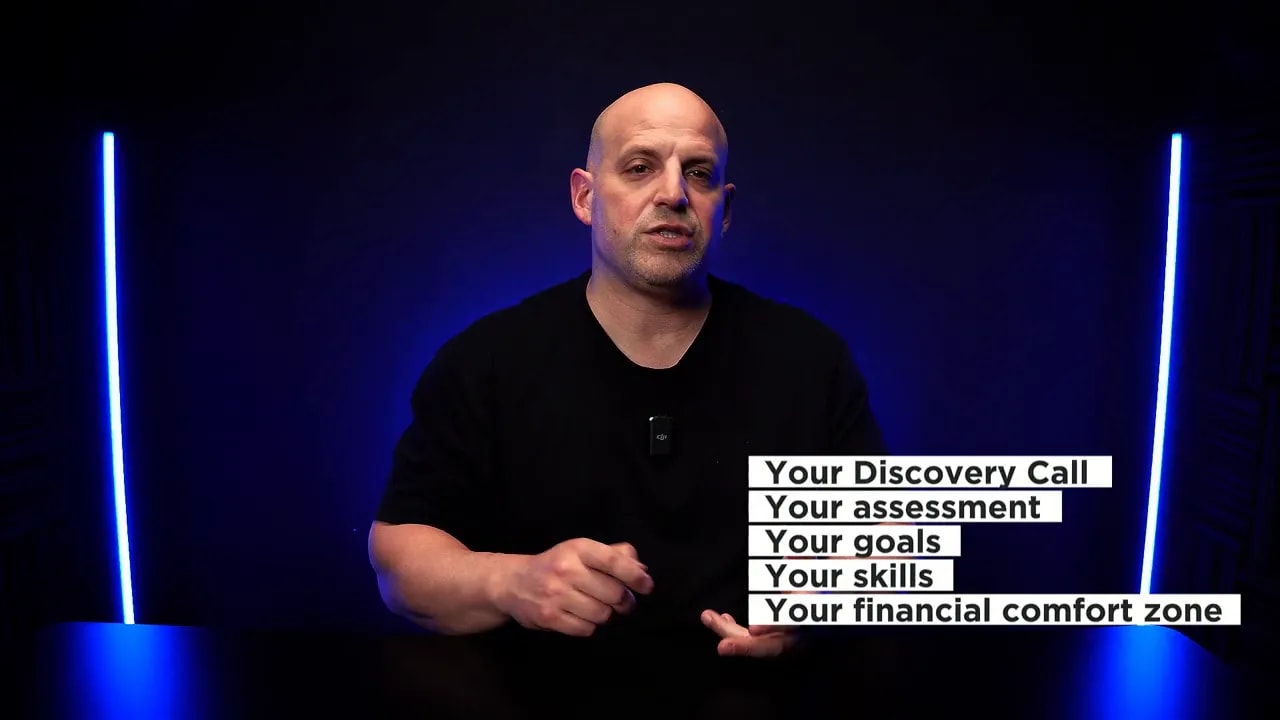
Once your goals and profile are clear, the next step is building a shortlist. A strong shortlist is usually small enough to compare but broad enough to give you real choice. For most buyers, that means starting with around five to seven options and then narrowing to a smaller group for deeper research.
What to compare at the shortlist stage
- Initial investment range
- Training and support
- Business model complexity
- Owner role
- Territory structure
- Industry demand
- Alignment with your timeline and capital
The goal here is not to choose instantly. It is to select a few brands worth serious due diligence.
The Franchise Due Diligence Process, Step by Step

After a shortlist is created, the real evaluation begins. This is where people move from broad interest to fact-based decision-making.
1. Introductory brand call
This first conversation is designed to confirm basic fit. You learn the high-level business model, and the franchisor learns more about your background and goals. If the fit looks promising, you move deeper.
2. Review the Franchise Disclosure Document
The Franchise Disclosure Document, or FDD, is one of the most important documents in the process. It outlines legal, financial, and operational details about the franchise system. This is not a document to skim. It is a core part of your due diligence.
Pay close attention to obligations, fees, territory terms, and the structure of the franchise relationship.
3. Analyze territory and unit economics
This step focuses on whether the business can make sense in your market. You should understand:
- Local demand
- Competitive landscape
- Revenue drivers
- Typical expenses
- What profitability could look like for a specific location or territory
This is where assumptions start turning into actual numbers.

Photo by Patrick Tomasso on Unsplash
4. Validate with existing franchisees
Talking to current operators is one of the most valuable parts of the process. Ask about:
- Start-up experience
- Daily operations
- Support from the franchisor
- Challenges they faced
- Earnings and margins, when they are willing to discuss them
This is often where the quality of a franchise system becomes much clearer.
5. Meet leadership
As you move closer to a decision, conversations with the executive team help assess alignment. Culture matters. Values matter. Expectations matter. A long-term business partnership should feel right on both sides.
6. Attend Discovery Day
Discovery Day is usually the point where a buyer is close to making a final decision. It may be in person or virtual. The purpose is to see the systems, meet key people, and confirm whether the brand operates the way it presents itself.
7. Territory award and franchise agreement
If everything checks out, the franchisor may offer a territory. From there, the process typically includes signing the franchise agreement and submitting the initial investment within a defined time frame.
Do Not Wait Too Long to Plan Financing

Financing should begin early, not after you have emotionally committed to a franchise. Many buyers need time to prepare documentation, understand funding options, and build financial projections.
Common funding routes mentioned in Business Ownership Coach | Investor Financing Podcast include:
- SBA financing
- ROBS rollover structures
- Home equity lines of credit
- Personal liquidity and cash investment
If SBA funding may be part of your plan, an SBA discovery call can help clarify next steps, timing, and what lenders may require.
Why projections matter
Projections force you to understand how the business really works. Even if you dislike spreadsheets, this exercise matters. You should know:
- How revenue is generated
- Your average ticket or sale assumptions
- Key operating expenses
- Labor needs
- How long it may take to reach stability
Good projections are not about pretending you know the future. They are about proving you understand the model.
Common Mistakes When Choosing a Franchise
- Starting with brands instead of goals
- Ignoring personal fit
- Underestimating working capital needs
- Rushing through the FDD
- Failing to speak with enough current franchisees
- Delaying financing conversations
- Assuming a strong brand guarantees local success
A franchise can have a solid system and still require strong execution, local market understanding, and disciplined ownership.
Should You Work With a Franchise Advisor?

Photo by JESHOOTS.COM on Unsplash
For many buyers, yes. A good advisor can help with structure, brand filtering, due diligence questions, and decision support. One point often highlighted in Business Ownership Coach | Investor Financing Podcast is that franchise advisors are generally compensated by the franchisor rather than charging the buyer directly.
That does not replace your own judgment. It simply means you may have help organizing the process and avoiding blind spots. If you want to explore franchise discovery support, you can book a consultation.
A Simple Franchise Evaluation Checklist
Use this checklist before making a final decision:
- My goals are clearly defined
- The franchise fits my strengths and preferred ownership role
- I understand the full investment, not just the franchise fee
- I have reviewed the FDD carefully
- I understand territory potential and unit economics
- I have spoken with existing franchisees
- I have a realistic funding strategy
- I have built projections I can explain confidently
- I trust the leadership team and support system
- I am choosing based on fit, not emotion
Additional Resources
For ongoing insights on buying, building, and financing businesses, the business ownership newsletter can be a useful resource.
Final Takeaway
The best franchise decision is rarely the fastest one. It comes from a structured process that starts with self-awareness, moves through focused research, and ends with disciplined due diligence. That is the consistent theme behind Business Ownership Coach | Investor Financing Podcast.
If you approach franchise ownership with clarity on goals, careful review of the numbers, and honest validation from current operators, you dramatically improve your odds of choosing a business that fits both your life and your financial plan.