
If you are searching for practical guidance on leaving the default career path and building something of your own, Business Ownership Coach | Investor Financing Podcast points to a bigger question: where does real security come from?
For many people, the safest option looks like keeping a steady job, collecting a paycheck, and waiting for the right time to do something more. But long-term security rarely comes from dependence alone. It comes from skills, ownership, value creation, and the ability to solve problems. That is why betting on yourself is not reckless by default. In many cases, it is the most rational move available when done with preparation and a plan.
This guide explains what it really means to bet on yourself, why so many people hesitate, how business ownership changes the way you think, and how to start without blowing up your life.
What Does It Mean to Bet on Yourself in Business?
Betting on yourself means choosing to build your own path instead of relying entirely on someone else’s system for income and opportunity. That does not always mean quitting your job tomorrow. It means making a decision to take ownership of your future.
In practice, that can look like:
- Starting a side hustle while keeping your current income
- Buying a business instead of building from zero
- Exploring franchise ownership with an established model
- Launching a service business from home
- Using financing options such as SBA-backed funding for the right opportunity
The core idea behind Business Ownership Coach | Investor Financing Podcast is simple: jobs can provide income, but ownership can create leverage, growth, and more control over your time and earning potential.
Why “Playing It Safe” Is Often More Risky Than It Looks

Photo by Vitaly Gariev on Unsplash
Many people are taught to equate a paycheck with safety. That belief feels stable on the surface, but it has a hidden downside. When your financial life depends on a single employer, your control is limited.
There are several risks in staying on autopilot:
- Your income is usually capped by a role or promotion structure
- Your schedule is controlled by someone else
- Your growth may be tied to office politics, not your potential
- You can spend years helping build a company without building equity for yourself
That does not mean employment is bad. It means employment alone is not the same as security. Real security often comes from the ability to create value in the marketplace, adapt, and own part of the upside.
Why Business Ownership Builds a Different Kind of Security

Photo by Vitaly Gariev on Unsplash
One of the strongest ideas behind Business Ownership Coach | Investor Financing Podcast is that security is built, not granted. The most durable form of security usually comes from what you can do, what you know, and what you can produce.
When you pursue ownership, you tend to develop:
- Transferable skills such as sales, leadership, hiring, operations, and decision-making
- Problem-solving ability that applies across industries
- Confidence through action, not just theory
- Income potential that is not limited to a salary band
This matters because markets change, employers change, and industries change. Skills and ownership capacity travel with you.
Signs You May Be Ready to Start Your Own Thing

Not everyone should jump into a business tomorrow. But many people ignore clear signs that they are ready for more responsibility and ownership.
You may be ready if:
- You constantly feel underused or underchallenged
- You have ideas you keep postponing
- You want more control over your income and schedule
- You are tired of building someone else’s vision exclusively
- You know you can contribute more than your current role allows
That feeling is not always ego. Sometimes it is an accurate signal that your current path no longer matches your ambition.
The Real Cost of Not Betting on Yourself
The conversation about entrepreneurship usually focuses on the risks of starting. What gets ignored is the cost of doing nothing.
Choosing not to act can lead to:
- Years spent trading time only for a paycheck
- Missed opportunities to build assets or equity
- Regret over ideas that were never tested
- A growing gap between your effort and your results
In other words, inaction is also a decision. It may feel less scary in the short term, but over time it can become more expensive than trying.
Fear Is Normal, But It Should Not Make the Decision for You

Photo by Vitaly Gariev on Unsplash
Starting a business is intimidating. So is staying stuck in a situation you know is too small for your goals. Fear is not usually the sign that you should stop. More often, it is the sign that the decision matters.
The better question is not “How do I eliminate fear?” It is “How do I move with fear in a smart, prepared way?”
That shift changes everything. Instead of waiting for complete certainty, you start building a process that reduces avoidable risk.
How to make fear manageable
- Start small instead of making an all-or-nothing move
- Keep your job while validating a business idea if possible
- Get guidance before committing capital
- Build a simple plan for cash flow, timeline, and next steps
- Choose proven models if you do not want to invent from scratch
Ways to Start a Business Without Quitting Your Job
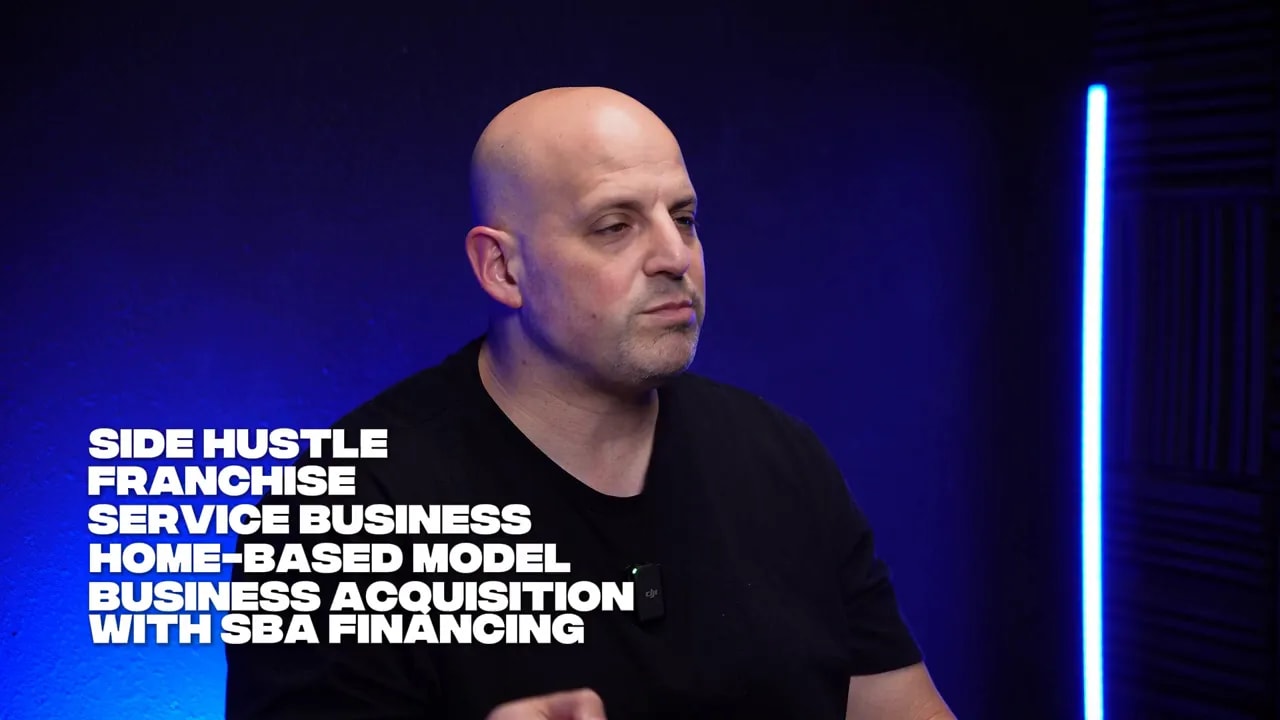
One of the biggest misconceptions in entrepreneurship is that you need to walk away from your job immediately. In reality, there are more paths than ever to start with lower disruption.
Here are some common entry points:
1. Side hustle
A side hustle can help you test demand, sharpen skills, and generate early revenue before making a bigger transition.
2. Service business
Service businesses often have relatively low startup complexity because they rely more on expertise and execution than heavy infrastructure.
3. Home-based model
A home-based business can reduce overhead while you learn what works.
4. Franchise ownership
A franchise may appeal to people who want training, systems, and an established operating model rather than starting from a blank page.
5. Business acquisition
Buying an existing business can allow you to step into existing revenue, customers, and operations. For some buyers, SBA discovery support can be a relevant next step when exploring financing options.
How Ownership Rewires Your Thinking

Ownership changes more than income potential. It changes how you make decisions.
Once you own the outcome, you tend to think less like a worker following instructions and more like a builder creating solutions. That often leads to:
- More initiative
- Better resourcefulness
- Greater leadership development
- A stronger bias toward action
- A habit of asking “How can this work?” instead of “Can I do this?”
This mindset shift is one reason Business Ownership Coach | Investor Financing Podcast resonates with people who feel capped by traditional career paths. Ownership forces growth because the results are tied directly to your effort, judgment, and adaptability.
Why Other People Start Believing in You After You Commit

Photo by Vitaly Gariev on Unsplash
Confidence tends to attract support. Once you start acting decisively, others often respond differently.
That can include:
- Customers who trust committed operators
- Partners who respect clarity and follow-through
- Lenders who want to see preparation and conviction
- Team members who rally around leadership
This does not mean support appears automatically. It means action often creates momentum that hesitation never will.
A Simple Framework for Betting on Yourself Responsibly

If you want to take action without making careless moves, use this five-step framework:
Step 1: Decide what kind of ownership you want
Do you want to build, buy, or plug into an existing model such as a franchise?
Step 2: Inventory your skills
Identify what you already know how to do and where you need support.
Step 3: Choose a low-chaos starting point
The best first move is often the one that fits your current finances, time, and risk tolerance.
Step 4: Create a plan for risk
Risk does not disappear. But it becomes more manageable when you prepare, gather guidance, and make it calculated instead of emotional.
Step 5: Take the first visible action
That might be researching a business model, talking to an advisor, or setting up a small pilot offer.
Common Mistakes to Avoid
Betting on yourself works best when paired with discipline. Avoid these common mistakes:
- Waiting for perfect certainty. You will likely never have it.
- Making a dramatic leap without a plan. Start strategic, not impulsive.
- Ignoring ownership options beyond startups. Buying or franchising may fit better.
- Confusing a paycheck with full security. Income is helpful, but capability matters more.
- Trying to do everything alone. Good guidance can shorten the learning curve.
Who This Approach Is Best For

The message behind Business Ownership Coach | Investor Financing Podcast is especially relevant for people who:
- Want more control over their professional future
- Feel constrained by a traditional job structure
- Are interested in entrepreneurship but want practical options
- Prefer a measured transition instead of a reckless one
- Want to explore buying, financing, or operating a business
It is not about glorifying risk. It is about recognizing that ownership may be a smarter long-term strategy than passive dependence.
Next Steps If You Want to Explore Business Ownership
If you are serious about making a move, start by getting informed and narrowing your options. A few useful resources include business ownership guidance for evaluating next steps and a business ownership newsletter for ongoing frameworks around buying, building, funding, and growing a business.
If you are building capacity and want operational support, learning more about virtual assistant solutions may also help lighten the load as your business grows.
Final Takeaway
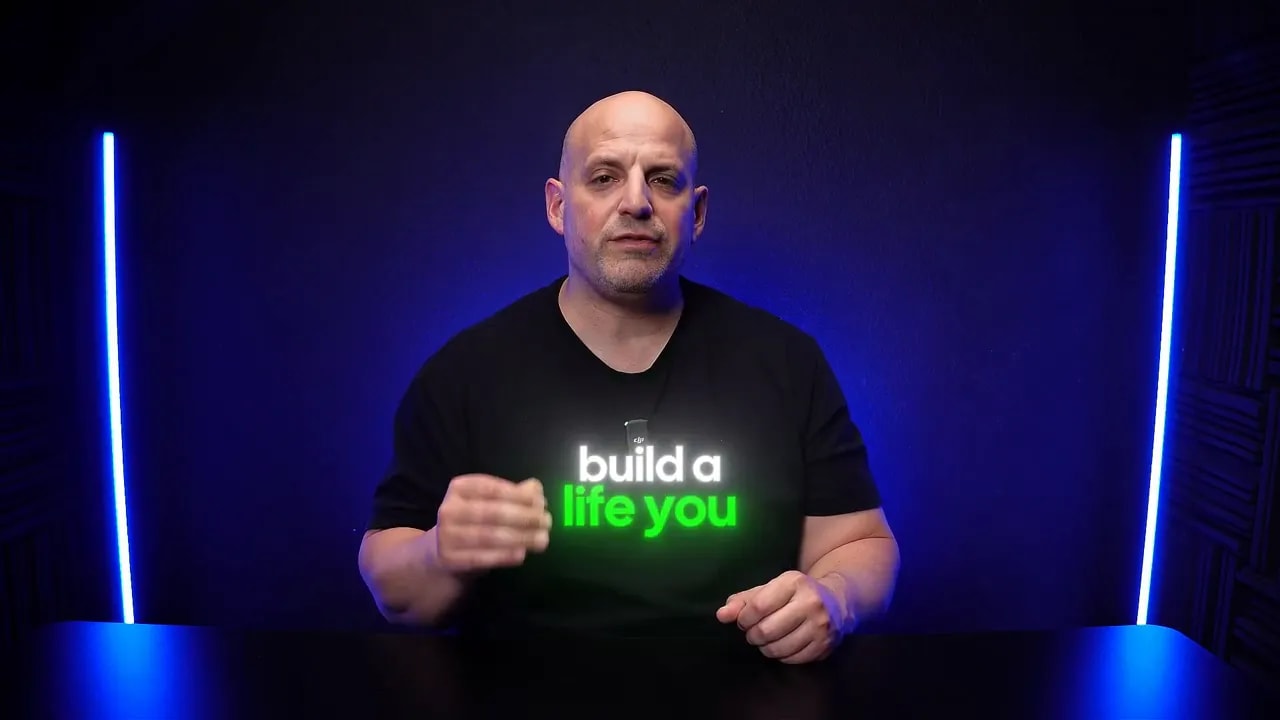
Betting on yourself does not require reckless action. It requires ownership, planning, and the willingness to stop outsourcing your future.
The biggest shift is mental. Once you understand that real security comes from your skills and your ability to create value, business ownership becomes less of a fantasy and more of a practical path worth exploring.
Business Ownership Coach | Investor Financing Podcast speaks directly to that turning point. If your current path no longer matches your potential, the answer may not be to wait longer. It may be to start smaller, think bigger, and begin building something that belongs to you.