
The core lesson behind Business Ownership Coach | Investor Financing Podcast is simple: wealth usually starts with disciplined behavior long before it shows up as assets, cash flow, or business ownership. A high income can help, but income alone is not the reason some people get ahead early. The bigger drivers are delayed gratification, consistent saving, smart allocation, and a clear plan.
For anyone trying to create financial freedom, this matters. Whether you are a W-2 employee, a tradesperson, a freelancer, or an aspiring buyer of a business or rental property, the same principles apply. Spend less than you earn, direct money intentionally, and build toward assets that can eventually produce income.

Photo by Precondo CA on Unsplash
Business Ownership Coach | Investor Financing Podcast also highlights an important truth that many people miss: financial freedom does not have to mean becoming ultra-wealthy. For most people, the goal is building enough semi-passive or passive cash flow to create options, stability, and control over time.
What Financial Freedom Actually Means
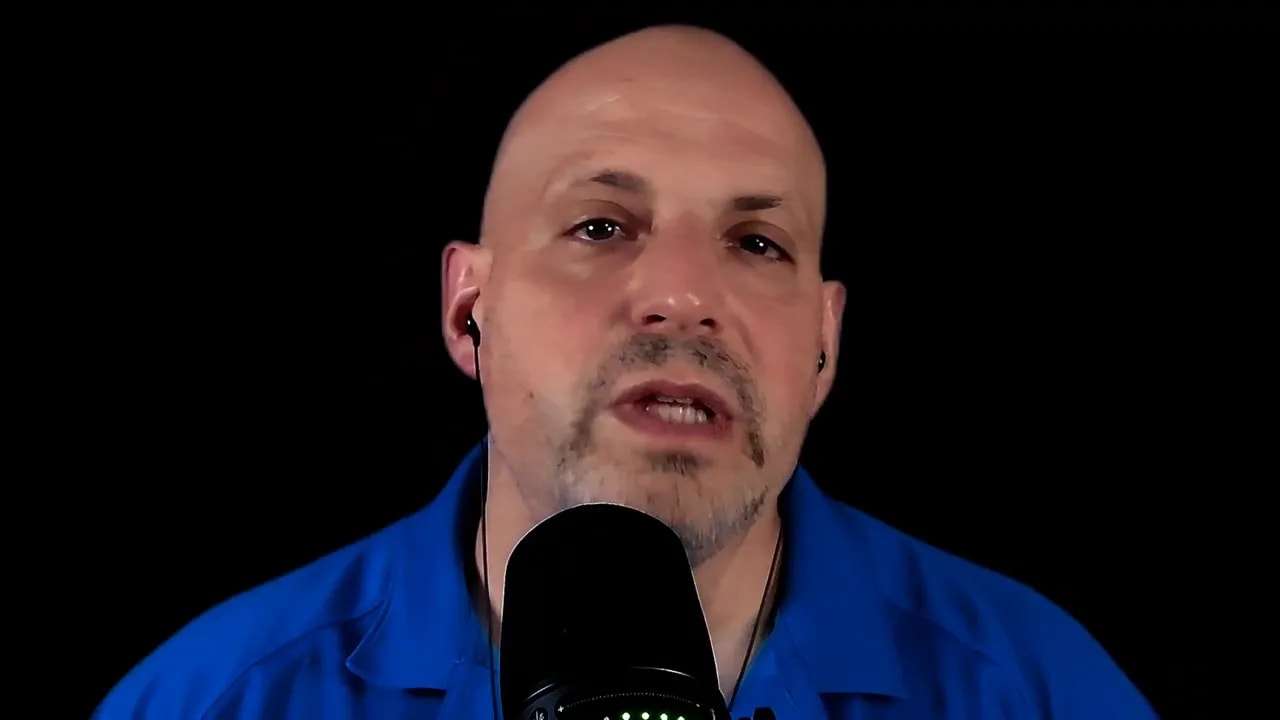
Financial freedom is often misunderstood. It is not necessarily about flashy wealth, luxury purchases, or reaching some giant net worth target. In practical terms, it means building income streams that reduce your dependence on a paycheck.
That can come from:
- Owning a business that produces profit
- Owning real estate that generates rental income
- Using tax strategy to keep more of what you earn
- Saving and investing consistently over time
This is where Business Ownership Coach | Investor Financing Podcast becomes especially relevant. The focus is not on get-rich-quick thinking. It is on creating a repeatable framework that ordinary earners can actually use.
Why Starting Early Matters So Much

Photo by Sasun Bughdaryan on Unsplash
One of the biggest advantages a young person has is time. Starting early gives savings, investments, and business decisions more years to compound. Even if early earnings are modest, disciplined habits can produce a major gap over a decade or two.
Starting young helps because it allows you to:
- Build a saving habit before lifestyle inflation takes over
- Take calculated risks with more time to recover
- Accumulate capital for future investments
- Learn business and tax fundamentals earlier
- Avoid wasting years with no plan
The key point is not age itself. It is behavior. A person in their 20s who saves aggressively can move fast. A person in their 40s can still make significant progress by adopting the same discipline. It is never too late to start, but earlier is easier because time is on your side.
The Wealth-Building Habits That Matter Most
If you want to build wealth from a normal working income, the foundational habits are not complicated. They are just hard to maintain because they require patience.
1. Live below your means
This is the non-negotiable starting point. If every raise turns into higher spending, wealth building stalls. Frugality is not about deprivation. It is about refusing to overspend on things that do not move your life forward.
That can include:
- Choosing value over brand prestige
- Keeping housing costs manageable
- Driving a less expensive car for longer
- Resisting social pressure to spend
2. Start working and saving as early as possible
Early earned income creates the first pool of capital. Even small amounts saved consistently can become seed money for future investments, education, tools, or a business opportunity.
3. Allocate every check intentionally
Money usually disappears when there is no plan for it. One of the best habits is deciding where each dollar goes as soon as income comes in. This is closely aligned with a pay-yourself-first mindset.
A simple allocation approach may include:
- Living expenses
- Savings reserve
- Investment fund
- Taxes
- Business or side hustle reinvestment
4. Delay gratification
Delayed gratification is the bridge between earning money and keeping money. Many people can earn. Fewer can hold back consumption long enough to buy productive assets.
That is often the difference between looking successful and becoming successful.
A Practical Wealth Plan for W-2 Employees and Side Hustlers

Business Ownership Coach | Investor Financing Podcast strongly supports the idea that even salaried workers should consider a side hustle or business. This does not mean everyone must immediately quit a job. It means earned income alone may limit your options, especially if your long-term goal includes financial freedom.
A practical plan can look like this:
- Stabilize your monthly budget. Know your basic cost of living.
- Build reserves. Aim to create a cushion so one surprise expense does not derail everything.
- Start a side income stream. This can help create additional cash flow and future optionality.
- Learn basic tax strategy. Study credible CPA guidance and verify what applies to your situation.
- Direct extra cash into assets. Focus on investments that can compound or produce income.
For readers exploring financing options for future acquisitions or expansion, an SBA discovery call may be useful if business buying is part of the plan.

Photo by Sasun Bughdaryan on Unsplash
The Three-Part Framework: Tax Strategy, Business, and Real Estate
One of the clearest frameworks presented in Business Ownership Coach | Investor Financing Podcast is a three-part approach:
- Tax strategy
- Operating business
- Long-term real estate ownership
This framework matters because wealth is rarely built from only one angle.
Tax strategy
Taxes can significantly affect how much capital you retain. Studying legitimate tax strategies and working with qualified professionals can help you keep more cash available for reinvestment. It is important to fact-check advice and avoid blindly following social media tax claims.
Topics such as depreciation, bonus depreciation, and Section 179 may become relevant in the right business or investment context, but they are not universal shortcuts. They require proper application and professional guidance.
Operating business
Owning a business can create cash flow, control, and future equity. For some people, that business starts as a side hustle. For others, it may involve acquiring an existing company, including service businesses or franchises.
If business ownership is the goal, useful next steps may include learning about acquisitions, franchising, and financing. Readers who want structured updates on these topics can explore The Business Ownership Newsletter.
Long-term real estate
Real estate can become an important wealth-building tool when purchased responsibly and held with a long-term mindset. Rental income, appreciation, and tax treatment are part of the appeal, though results depend on the deal, market, and management.
Real estate is not magic. Buying too aggressively, overpaying, or underestimating costs can create stress instead of freedom. But when paired with disciplined saving and strong cash flow, it can be a powerful asset class.
How to Use the “Pay Yourself First” Mindset

Photo by Sasun Bughdaryan on Unsplash
Paying yourself first means saving or investing before lifestyle spending expands. Instead of hoping there is money left at the end of the month, you move money out first into designated accounts.
This can help create:
- Consistency in saving
- Separation between spending money and investment money
- Urgency to operate leaner
- Momentum toward future deals
A simple version looks like this:
- Income arrives
- A portion moves immediately to savings or reserves
- A portion goes to taxes if needed
- A portion goes to investment or business growth
- The remainder is what you live on
This structure can reduce the temptation to spend whatever is in the checking account.
Common Mistakes That Slow Down Wealth Building
Many people want financial freedom, but a few predictable mistakes hold them back.
- No written plan. Without one, money gets spent reactively.
- Lifestyle inflation. Earnings rise, but savings do not.
- Overspending for status. Expensive purchases can delay investing for years.
- Ignoring tax planning. Keeping no eye on taxes can reduce investable cash.
- Waiting for the perfect moment. Progress usually starts with a small, imperfect first step.
- Assuming passive income is instant. Most passive or semi-passive income takes time and setup.
Business Ownership Coach | Investor Financing Podcast consistently points back to planning, discipline, and repeated action rather than hype.
What to Do This Month If You Want to Start Building Wealth
If you are serious about improving your financial position, start with actions that are realistic and repeatable.
- Track all spending for 30 days. You need clarity before you can optimize.
- Choose a savings percentage. Start with something sustainable.
- Open a separate account for reserves or investments.
- Identify one side hustle or business path.
- Study tax basics from credible professionals.
- Set a long-term asset goal. This might be a rental property, business acquisition, or franchise.
If support is needed around business funding or ownership decisions, resources such as business financing guidance can help clarify your next step.
Is Business Ownership Necessary to Build Financial Freedom?

Photo by Sasun Bughdaryan on Unsplash
Not strictly, but it can accelerate the process. A strong career plus disciplined investing can absolutely build wealth. That said, business ownership can offer additional upside through cash flow, scale, and tax planning opportunities.
For many people, the ideal path is not choosing only one lane. It is combining stable income, a side business, and eventually real estate or another cash-flowing asset. That is why the framework emphasized by Business Ownership Coach | Investor Financing Podcast resonates with so many entrepreneurs and aspiring investors.
Additional Resources
If you want to continue learning about entrepreneurship, acquisitions, and growth systems, these resources may be helpful:
The Bottom Line
The biggest wealth lesson here is not about age, luck, or flashy investing tactics. It is about behavior. People who build wealth early often do ordinary things with uncommon consistency: they work, save, resist unnecessary spending, learn strategy, and buy assets.
Business Ownership Coach | Investor Financing Podcast reinforces that building financial freedom is less about one perfect move and more about following a plan. If you can combine frugality, intentional cash allocation, side income, smart tax awareness, and long-term asset ownership, you put yourself in a far stronger position over time.
Start where you are. Build the habit first. Then build the asset base.