
Business Ownership Coach | Investor Financing Podcast strategies matter when you’re building a real estate platform that can scale. Mobile home parks and RV communities are different animals from traditional multifamily — they require a focused playbook, operational discipline, and an intentional investment in people and systems. Below I lay out a practical roadmap for growing and scaling a mobile home park investing business, distilled from operators doing it right.
Why mobile home parks? The opportunity and the economics
Mobile home parks and long-term RV lots are increasingly attractive because they sit at the intersection of affordability and strong demand. They offer predictable cashflow, lower acquisition prices than traditional multifamily, and a recession-resilient tenant base. That said, cap rates have compressed as more capital has entered the space. The answer is not to chase speculative upside but to become a better operator.
Key economic realities:
- Cap rates for quality assets have compressed; underwriting needs to be conservative.
- Off-market deals and direct-to-seller transactions often deliver the best entry pricing.
- Most long-term returns come from steady NOI growth and reduced operational cost, not from flipping home units.
As a Business Ownership Coach | Investor Financing Podcast host would emphasize: invest for durable cashflow and be wary of overpaying for yield in a competitive market.
Investing in people: the single biggest growth lever
Scaling beyond a handful of parks demands a team. That means hiring early, paying well for experience, and building internal leaders rather than trying to wear every hat yourself. Top operators view people as their most important asset — from community managers to in-house accounting and asset managers.
Practical hiring and team priorities:
- Bring an in-house controller when you’re ready to standardize fund-level reporting and controls.
- Hire regional asset managers to coach community-level managers and enforce daily rhythms.
- Create an internal training academy so procedures and culture scale with the team.
Put simply: the fastest way to multiply your capacity is to invest in people and systems first. The Business Ownership Coach | Investor Financing Podcast approach is to trade short-term cash hoarding for long-term human-capital investments that compound.
Operations: systems, accounting, and asset management
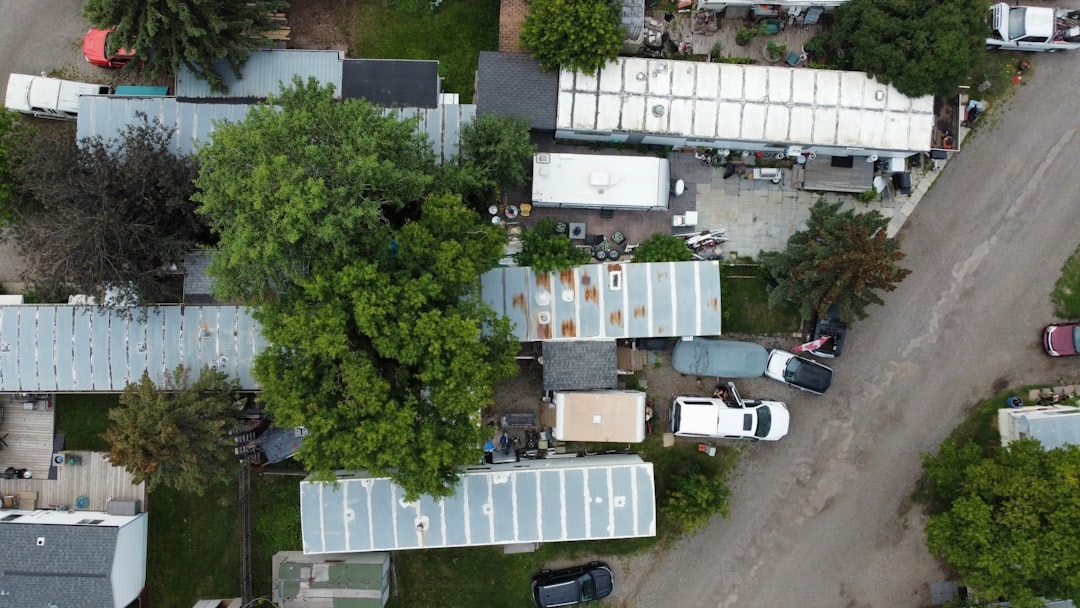
Photo by Julian Ackroyd on Unsplash
Operations are where the promise of mobile home park investing turns into predictable returns. Consistent, repeatable processes — from maintenance huddles to monthly pulse reports — make it possible for one corporate team to manage many properties without falling apart.
Operational playbook essentials:
- Daily maintenance huddles and manager check-ins to identify tours, turns, and work-in-progress.
- Standard operating manuals adapted to your business and a learning management system (LMS) for onboarding.
- Property management software and investor portals for transparent reporting.
Tools matter: monday.com for project and takeover tracking, AppFolio for property and investor management, and a simple LMS to centralize training are proven building blocks. Bring accounting in-house when scale demands it — the controller becomes the nerve center for cash flow and compliance.
RV parks, glamping, and revenue diversification

Photo by Daniel Miksha on Unsplash
RV parks and outdoor hospitality are adjacent opportunities that many mobile home operators are pursuing. The mix of long-term sites and short-term, higher-yield stays — combined with ancillary revenue streams like camp stores, fuel, firewood, and cabins — can dramatically boost per-site income.
Ways to add revenue:
- Introduce short-term rentals (cabins, yurts, glamping tents) in attraction-driven locations.
- Operate a small retail outlet or service station to capture onsite spending.
- Use experienced campground hosts to shift operations from passive to hospitality-driven models.
Small capital investments (for example, a $10k–$15k yurt) can yield strong nightly returns and pay back quickly. Treat these experiments as controlled pilots — test on a few sites before rolling out at scale.
Underwriting, market conditions, and risk management

Photo by Daniel Miksha on Unsplash
Markets are cyclical and current pricing can be tight. Underwriting aggressively for downside — rather than relying on price appreciation — is a disciplined way to preserve capital and deliver consistent returns. Operators that win are those who:
- Find off-market deals where seller motivation reduces competition.
- Underwrite stress scenarios for vacancy, capex, and interest rate movement.
- Keep reserves and maintain debt coverage ratios that survive the unexpected.
Long-term demand for affordable housing suggests structural support for this asset class. Still, treat each acquisition as a business: know your exit assumptions, maintain adequate reserves, and select assets with clear operational pathways to growth.
Getting started: focus, mentorship, and first steps

Photo by Daniel Miksha on Unsplash
If you want to enter mobile home park investing, the single best advice is to choose a path and stick to it. Focus on one market, one asset type, and one operating model until you become an expert. Tactical first steps:
- Study one asset class deeply — read market reports, case studies, and operator playbooks.
- Find mentors and join local meetups to shortcut learning and access deal flow.
- Work a deal end-to-end — even if you’re a junior partner — to learn diligence, underwriting, and operations.
Start small but think big. Invest in systems that let you replicate what works: manuals, LMS training, clear takeover checklists, and disciplined financial controls. That’s the operating playbook a Business Ownership Coach | Investor Financing Podcast host would recommend as you scale from single assets to a multi-park business.
Quick checklist to act on this week
- Identify one target market and gather three recent off-market leads.
- Outline the first three SOPs you need at property level (maintenance, leasing, collections).
- Draft a hiring plan: one in-house controller or a part-time accounting leader within 90 days.
- Choose one pilot revenue experiment for an RV property or a vacant lot (yurt, cabin, or store).
Mobile home parks and RV communities are a long game. The path to scale involves disciplined underwriting, relentless operational improvement, and investing in people and systems early. If you treat the business as a vertically integrated operation and focus on repeatable processes, you can build a resilient, high-return platform. The Business Ownership Coach | Investor Financing Podcast message is simple: invest in people, build systems, and keep your focus tight.