
Business Ownership Coach | Investor Financing Podcast — this is a practical, step-by-step roadmap to move from curiosity to signing your franchise agreement. If you are exploring franchise ownership, the path can feel straightforward on the surface and complex as you dig in. I lay out the core steps I use with clients so you can compare concepts, line up funding, and complete the due diligence that protects your investment.
1. Start shopping: pick a concept that fits your life
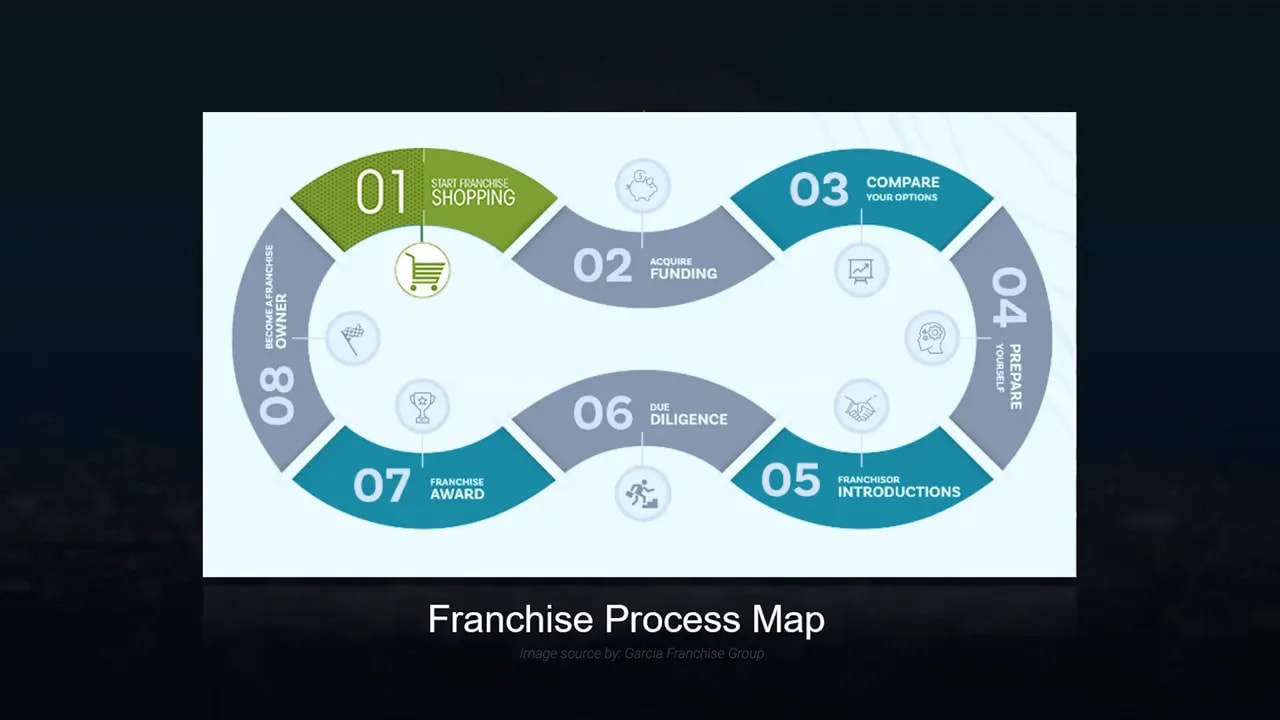
Begin by defining what you want from business ownership. Do you want:
- an owner-operated location where you are present 40 hours a week
- a semi-passive model where a manager runs day-to-day operations
- a home-based or mobile franchise with low overhead
Tip: many prospective owners start with a category in mind (restaurant, fitness, home services) and then discover other models that better match their goals. Keep an open mind: the best fit balances lifestyle, budget, and long-term returns.
2. Acquire funding: options and realities

Photo by Volodymyr Hryshchenko on Unsplash
Finding capital is often the gatekeeper. Here are common funding sources to consider:
- SBA 7(a) and 504 loans — good for brick-and-mortar with strong collateral and solid credit.
- Traditional bank loans — faster for experienced owners or proven cash flow businesses.
- Franchisor financing — some franchisors offer internal loans or preferred lender programs.
- Equipment loans and leases — use for specific assets to preserve working capital.
- ROBS (401k rollover) — an option for owner-operators to use retirement funds without penalty.
- Private investors or partners — bring capital and possibly domain expertise.
- Home equity or personal savings — common for lower-cost or home-based concepts.
Match the funding structure to the franchise model. Banks will expect a well-developed business plan and a clear FDD review showing reasonable initial investment and cash flow projections.
3. Compare franchise opportunities: beyond the logo

Photo by Amina Atar on Unsplash
When comparing concepts, evaluate these dimensions:
- Initial investment and ongoing fees: franchise fee, royalty %, marketing fee, and working capital needs.
- Unit economics: average revenue per unit, gross margins, break-even expectations.
- Operational complexity: staff requirements, training length, equipment needs.
- Territory and market saturation: protection terms and competitor density.
- Support and training: onboarding, marketing support, technology, and field operations.
Create a simple comparison matrix with these categories and score each brand. This prevents decisions driven solely by brand recognition or personal preference.
4. Preparing yourself: learn the FDD and tools of the trade

Photo by Amina Atar on Unsplash
The Franchise Disclosure Document, or FDD, is the central legal and financial snapshot of the system. Key items to focus on include:
- Item 1: the franchisor’s background.
- Item 7: estimated initial investment breakdown.
- Item 19: financial performance representations when available.
- Item 20: list of current franchisees to contact for validation.
- Litigation and bankruptcy history: items that reveal potential risks.
Invest time in industry resources, franchise attorney review, and checklists so you know what to look for in every FDD you evaluate.

5. Meet the franchisor: introductions and discovery day
At this stage you’ll get a walk-through of the business, often culminating in a discovery day. Use that time to observe culture, operations, and leadership style.
- Ask for a realistic day-in-the-life description of an owner.
- Request detailed timelines for rollout, training, and grand opening support.
- Confirm what is mandatory vs optional in site selection, vendors, and equipment.
Discover whether the franchisor’s values and operational tempo match your expectations. This relationship matters long after the ink is dry.
6. Due diligence: validate assumptions and talk to franchisees
Validation is the most important phase. Speak with franchisees in different markets and different tenure lengths. Ask focused questions:
- How long to reach break-even?
- What are the biggest operational surprises post-opening?
- How responsive is corporate during crisis or supply issues?
- What is the average owner’s day like and how many hours do they actually work?
- Are the initial investment and ongoing fees accurate versus reality?
Document these conversations. Cross-check what franchisees say against the FDD and financial projections. Discrepancies are red flags that require deeper digging.

7. Approval and closing: becoming the owner
Once approved by the franchisor and your financing is secured, you’ll move toward signing. Before you sign:
- Have final legal review of the franchise agreement and related contracts.
- Confirm the timeline for training, construction, and soft opening.
- Lock in vendor agreements and the hiring plan.
- Secure insurance and any required licenses or permits.
After signing, continued diligence and strong execution determine success. Use the franchisor’s playbook but adapt where your market demands it.
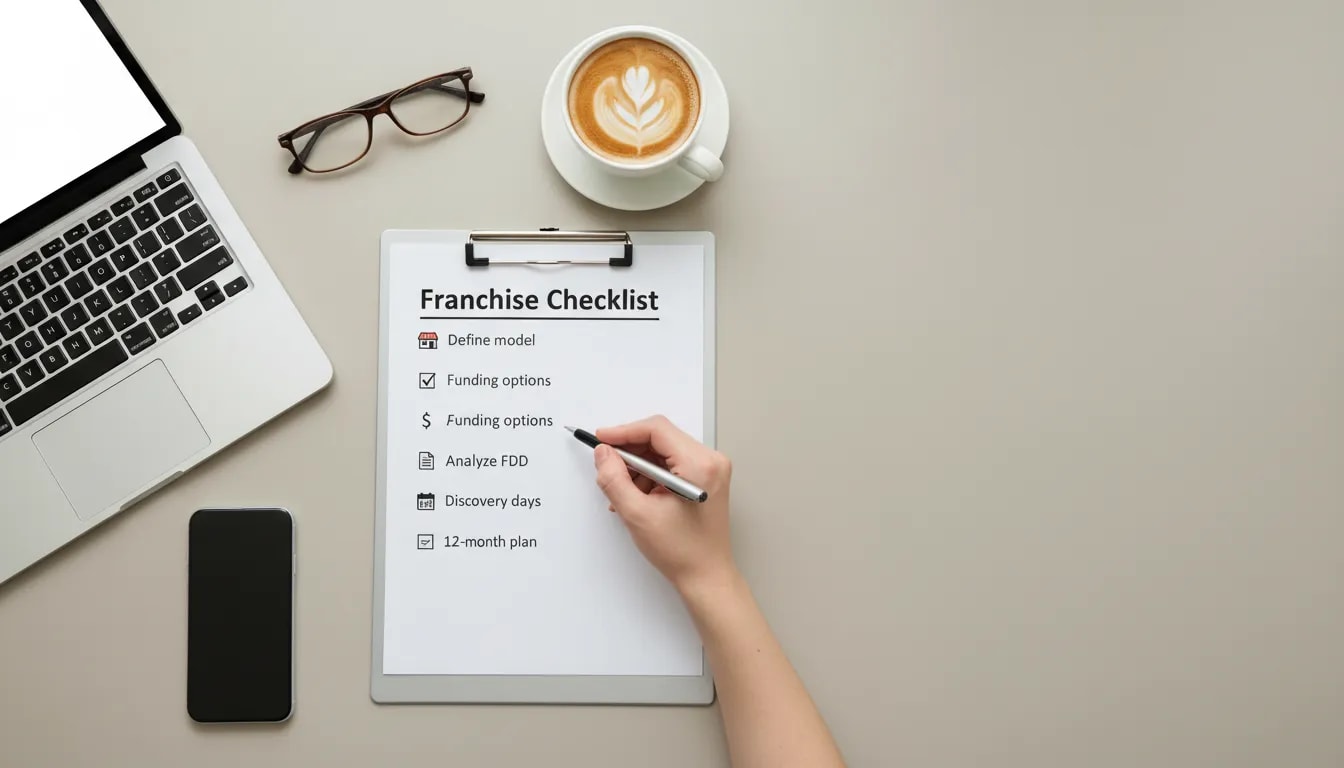
Checklist: quick actions to move forward
- Define your target franchise model and acceptable investment range.
- Assemble funding options and speak with lenders early.
- Request and analyze the FDD with a franchise attorney.
- Schedule discovery days and talk to at least five franchisees.
- Create a 12-month operational plan and contingency for slower revenue.
Final thoughts from a Business Ownership Coach | Investor Financing Podcast
Owning a franchise can accelerate entrepreneurship by giving you an established brand, playbook, and support network. Success depends on choosing the right fit, lining up realistic funding, and doing relentless validation. Use the steps above as your roadmap and build a decision process that reduces emotional bias and increases objective evaluation.
If you want a single takeaway: prioritize validation. A well-structured conversation with current owners and a careful review of the FDD will save you time and money.
Business Ownership Coach | Investor Financing Podcast — use this roadmap to guide your next conversations and funding strategy. When you pair clear goals with disciplined due diligence, franchise ownership becomes an achievable and rewarding path.