
Finding a business your family can build together is one of the best ways to create practical experience, ownership skills, and a potential income-producing asset. A Business Ownership Coach can help families assess franchise models, business opportunities, financing paths, and the real operating work behind a so-called passive business.
For parents considering an opportunity with teenagers, college-aged children, or adult children, the goal should not be to find a business requiring zero effort. The better goal is to find a model with repeatable systems, manageable operational demands, and responsibilities that can be divided across family members.
What Is a Semi-Passive Family Business?

A semi-passive business is one that can operate without the owner performing every customer-facing task every day. It still requires accountability, cash management, oversight, marketing, and problem-solving. However, the business may be structured so that employees, operators, vendors, technology, or family members handle much of the routine work.
A good Business Ownership Coach will set expectations early: no franchise, vending route, or service business is truly passive at the start. Every ownership model needs an operator who monitors the numbers and protects the investment. The more systems a business has, the more realistic it is to transition from owner-operated work toward owner oversight.
For families, semi-passive ownership can provide a practical bridge between employment and entrepreneurship. A parent may contribute capital, business experience, and oversight while a younger family member handles day-to-day responsibilities such as inventory, scheduling, customer communication, or local marketing.
Vending Machines Can Be a Strong Family Business Opportunity
Vending is often discussed alongside franchises, but it is generally a business opportunity rather than a franchise. That distinction matters. A franchise typically involves a franchisor, brand standards, operating systems, and continuing fees. A vending route is commonly built around equipment, product supply, locations, and the operator’s ability to service those locations successfully.
Vending can be a compelling entry point for families because the work is concrete and teachable. A younger operator can learn how to:
- Stock and organize inventory
- Track machine sales and product demand
- Visit locations on a reliable schedule
- Maintain professional relationships with location owners
- Handle basic machine servicing and issue reporting
- Understand revenue, expenses, and cash flow
The owner does not necessarily need to fill every machine personally. A parent can oversee capital deployment and financial controls while a responsible teenager or adult child helps service the route. As the route grows, the business can become more system-driven, provided the locations are productive and service standards remain consistent.
Do not make the mistake of buying machines before securing viable locations. A machine is an asset, but the location drives the opportunity. Before investing, evaluate foot traffic, customer fit, access hours, servicing expectations, commission arrangements, and the likelihood of repeat sales.
Membership-Based Fitness and Dance Concepts

Photo by Vitaly Gariev on Unsplash
Families should also consider businesses tied to a younger family member’s interests and existing skills. A dance, choreography, or group fitness concept can make sense for someone with a genuine background in dance, cheer, fitness instruction, or community-building.
Membership-based concepts can offer recurring revenue potential because customers may pay regularly to participate in classes and community activities. That does not eliminate the need for strong operations. The business still needs instructors, a consistent customer experience, class scheduling, retention efforts, local promotion, and responsible facility management.
A Business Ownership Coach should help the family distinguish between enthusiasm and operational fit. A recent graduate may love dancing, but the business owner must also be ready to sell memberships, coordinate instructors, manage expenses, and solve customer issues. Passion can be a valuable starting point, but systems and unit economics determine whether the concept can sustain itself.
Home Service Businesses Offer Another Family Path

Home service businesses are another category worth exploring when a family wants a practical business with recurring local demand. The exact model should match the family’s skills, available capital, and willingness to manage field operations. Some owners prefer to build a team that performs service work while they focus on sales, scheduling, quality control, and growth.
This category can appeal to a parent who is tired of a traditional W-2 career and wants to build an asset alongside an adult child. The parent may bring professional judgment and financial capacity, while the child may bring energy for operations, technology, customer engagement, or sales.
The important question is not whether a model sounds passive. Ask whether it can be documented, staffed, measured, and managed. If the answer is yes, it may offer a pathway to a more owner-managed business over time.
How to Choose the Right Business With Your Children

Photo by Cabri Caldwell on Unsplash
The best opportunity is rarely the one with the flashiest marketing. A sound decision begins with an honest family assessment. Before choosing a franchise or business opportunity, define who will do what and what each person expects from the investment.
Start With Roles and Commitment

Photo by Cabri Caldwell on Unsplash
Clarify whether the child is a part-time helper, the future operating owner, or a co-owner with decision-making authority. Also decide who is responsible for funding, bookkeeping, inventory, hiring, sales, and business development.
Put these expectations in writing. Family relationships are valuable, and unclear assumptions can create avoidable conflict. A simple operating agreement or written family business plan can establish responsibilities, compensation, ownership percentages, and a process for resolving disagreements.
Evaluate the Business Model, Not Just the Brand
Whether you are evaluating a franchise, a resale, or an independent business opportunity, focus on the operating model. Review the customer demand, revenue drivers, labor needs, required owner involvement, recurring expenses, and growth constraints.
For a franchise, study the franchise disclosure documents, speak with existing operators, and understand the franchisor’s support structure. For vending and other business opportunities, review equipment costs, supplier arrangements, location agreements, and the actual workload required to maintain the route.
Due Diligence Checklist Before You Invest
Thorough due diligence protects both your capital and your family relationship. Before signing an agreement or transferring funds, work through the following checklist:
- Assess your goals: Determine whether you want income, a career transition, a legacy asset, or entrepreneurial training for a child.
- Identify available capital: Include the purchase price, equipment, opening expenses, working capital, and a realistic reserve.
- Confirm operational involvement: Define how many hours each family member can truly commit.
- Talk to operators: Ask about daily work, customer acquisition, staffing challenges, margins, and surprises.
- Review legal documents: Have qualified legal and tax professionals review agreements appropriate to the transaction.
- Build a conservative financial model: Do not rely on best-case assumptions or assume rapid scale.
- Plan for training: Make sure the family member expected to operate has the skills and support needed to succeed.
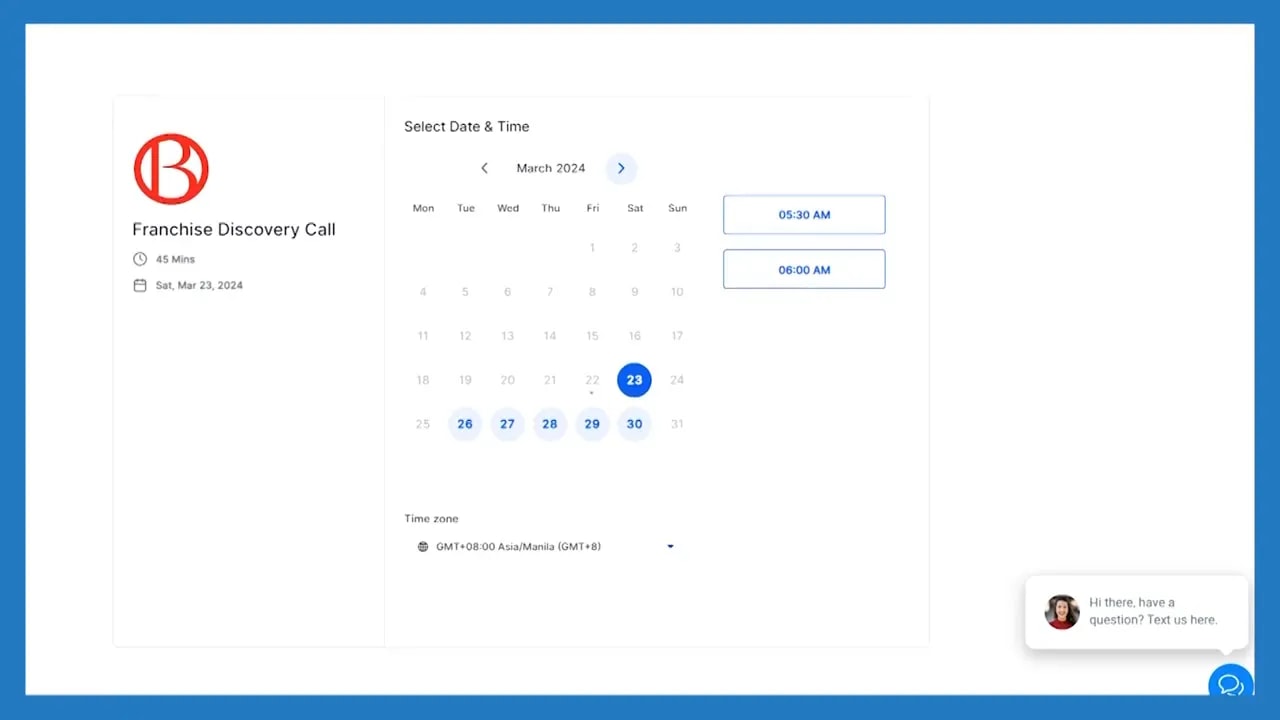
In 2026, financing should be addressed as part of the discovery process, not after the business decision is made. The funding structure must fit the type of acquisition, the borrower profile, the equity contribution, and the cash flow potential of the business. Families considering SBA-backed financing can schedule an SBA discovery call to discuss the financing side of a potential acquisition.
Common Mistakes Families Should Avoid
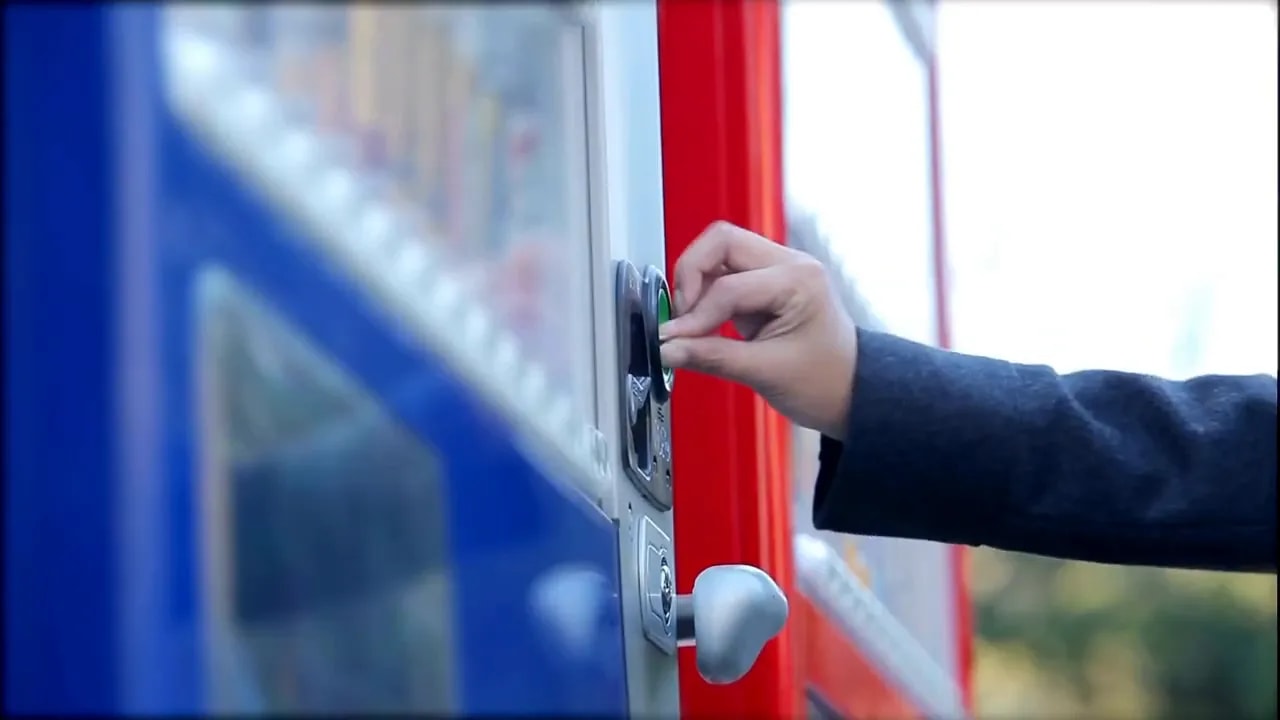
The most common mistake is treating a business as a passive investment before it has proven systems, customers, and dependable operators. New ownership requires attention. Even a simple vending route needs location management, inventory controls, and regular servicing.
Other avoidable mistakes include:
- Choosing a business solely because it appears easy to run
- Investing before defining ownership and operating roles
- Assuming a child will remain interested without a clear incentive structure
- Overlooking working capital and ongoing operating expenses
- Skipping calls with existing franchisees, operators, or location partners
- Confusing a business opportunity with a franchise
- Buying based on emotion rather than demand and financial fit
A capable Business Ownership Coach brings discipline to this process. The goal is not to push a particular franchise or business model. The goal is to identify an ownership opportunity that fits your household’s capital, capabilities, timeline, and desired level of involvement.
Build a Family Ownership Plan Before You Buy
A family business can become a powerful training ground for financial literacy, accountability, customer service, and entrepreneurship. Vending, membership-based fitness concepts, and home services are all examples of models that may be structured around family participation.
Start with a discovery process. Identify the interests and strengths of each family member, evaluate several business categories, and perform serious due diligence before committing capital. If you want structured education on evaluating ownership opportunities, explore the Business Ownership Academy. For ongoing ideas and ownership insights, join the business ownership newsletter.
The right business is not simply the one that promises passive income. It is the one your family can operate responsibly, improve over time, and turn into a durable asset.