
A Business Ownership Coach helps entrepreneurs think beyond income and start building true wealth. One of the biggest mindset shifts is understanding that tax law is not just a bill to pay. It is a system of incentives that rewards certain activities, especially business ownership, investing, job creation, housing, food, and energy.
If you are earning good money but still feel like too much of it disappears to taxes, this is where a Business Ownership Coach can be valuable. The goal is not to dodge taxes or chase gimmicks. The goal is to structure income, expenses, entities, and investments in a legal, intelligent way so you keep more of what you earn and put it to work.
What a Business Ownership Coach Actually Helps You Do

A Business Ownership Coach is not just there to motivate you. The real value is helping you move from earned income thinking to ownership thinking.
That means learning how to:
- Choose the right business model
- Understand how income type affects taxes
- Use entities correctly
- Reinvest capital strategically
- Pair business ownership with investing
- Build the right advisory team
Too many people focus only on making more money. A solid Business Ownership Coach pushes you to ask a better question: what happens to the money after you make it?
Why Business Owners Often Pay Less Tax Than Employees

This is one of the most important concepts to understand.
In simple terms, employees generally earn money, pay tax, and then spend what is left. Business owners can often earn money, reinvest it into deductible expenses or qualifying assets, and then pay tax on what remains after those deductions.
That difference matters.
The tax code tends to favor activities the government wants more of. That includes:
- Creating jobs
- Building businesses
- Providing housing
- Investing in energy
- Supporting food production
So if you are operating strictly as an employee, you usually have fewer ways to legally reduce taxable income. A Business Ownership Coach helps you identify whether starting, buying, or scaling a business could open up better long term tax treatment.
The Four Ways People Make Money and Why It Matters

One of the most useful frameworks in wealth building is to look at how you make money.
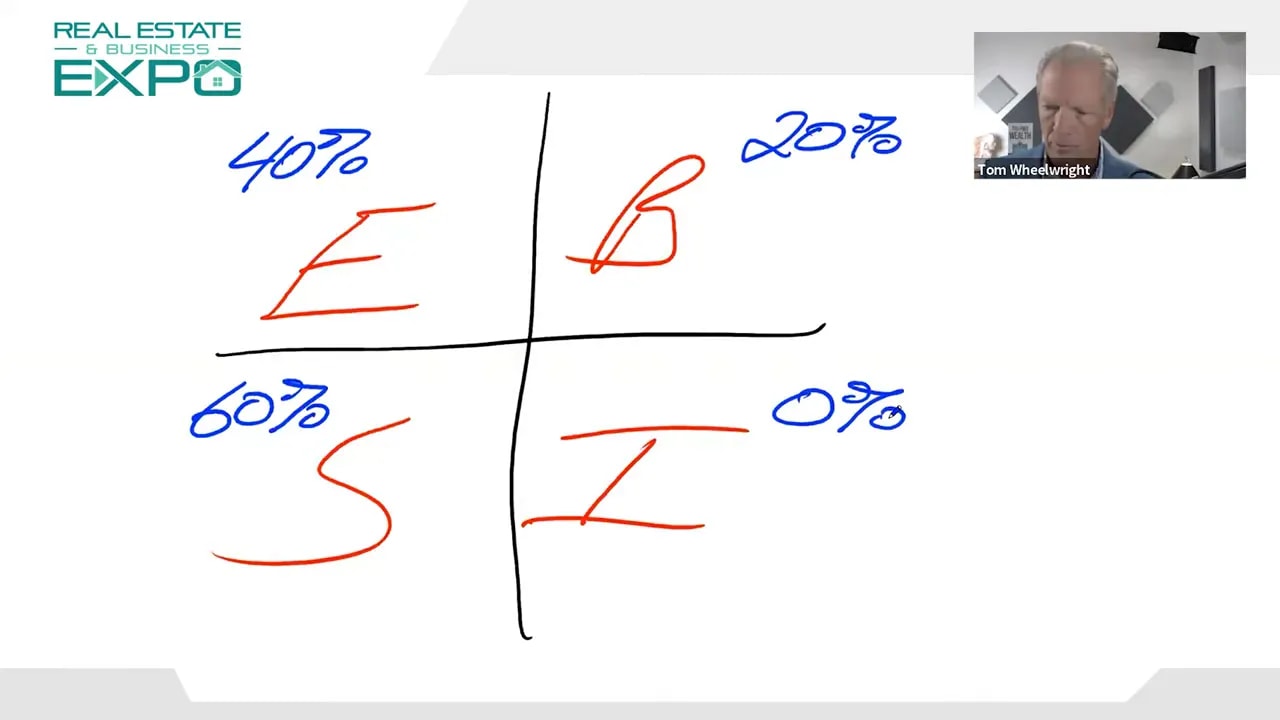
Broadly, income often falls into four buckets:
- Employee income
- Self-employed or small business income
- Big business ownership income
- Professional investor income
The key point is that different buckets often lead to different tax outcomes.
Employees and highly paid professionals can end up carrying some of the heaviest tax burdens. On the other hand, business owners and investors may have access to deductions, depreciation, and entity strategies that reduce taxable income significantly.
A Business Ownership Coach helps you move intentionally toward the buckets that offer more control, not just more revenue.
Tax Law Is a Set of Incentives, Not Just Rules

A lot of business owners think tax planning is about finding loopholes. That is the wrong way to look at it.
The better way is this: tax law is a set of incentives. If you do what the system rewards, you may get better tax results. If you do not, you likely will not.
That is why two people with similar income can end up with very different tax bills. It is not automatically about fairness or unfairness. It is usually about structure, planning, and behavior.
This is also why trying to figure it all out alone is risky. A Business Ownership Coach can help you think strategically, but you also need a strong tax advisor who understands business and investment tax rules.
Why Combining Business Ownership and Investing Can Be Powerful

Photo by Kelly Sikkema on Unsplash
This is where wealth starts to compound.
Owning a business can create cash flow and deductions. Investing can create appreciation, cash flow, and additional tax benefits. When both work together, the result can be far more powerful than relying on wages alone.
For example, qualifying real estate investments may create depreciation deductions. If structured properly, those deductions can potentially offset some other income, depending on your facts, entity setup, filing status, and tax classification.
The broader lesson is simple. A Business Ownership Coach should not only help you start a business. They should help you think about what that business income can buy, control, and shelter over time.
Bonus Depreciation and Real Estate: Why Owners Pay Attention

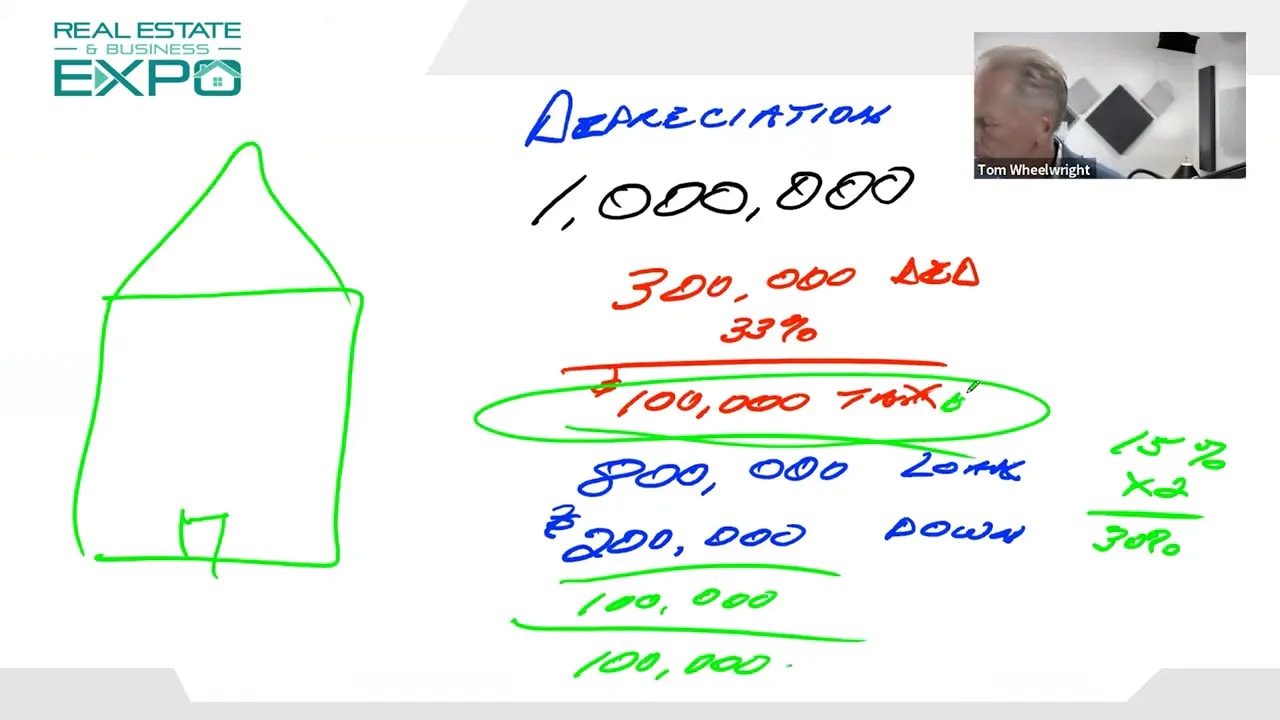
One of the examples discussed involved buying residential rental property and using depreciation, including bonus depreciation, to create a large deduction.
The core idea works like this:
- You purchase an income-producing property
- You may use leverage rather than paying all cash
- A cost segregation study may accelerate certain depreciation deductions
- That deduction can reduce taxes, which effectively improves your real return on invested capital
In the example, a $1 million property was used to show how a substantial deduction could be created, which then translated into significant tax savings. The bigger point was not the exact number. It was that tax savings can act like a contribution from the government into your investment equation.
That is a big mindset shift, and exactly the kind of thing a Business Ownership Coach should help you understand before you buy a business or an asset.
Can a Business Owner Offset W2 Income?

Potentially, yes, in some cases.
That depends on the specific structure, the type of income, filing status, entity selection, and whether the taxpayer qualifies under the relevant rules. The discussion highlighted that, with the right setup, certain depreciation deductions may flow through and offset part of personal income, including some wage income.
But this is not something to wing.
A Business Ownership Coach can help you think through the strategy, but implementation belongs with a qualified CPA or tax advisor who understands these rules in detail.
Common Mistakes Business Owners Make With Tax Strategy

Here are some of the biggest mistakes:
- Waiting until tax season to think about tax planning
- Operating without a real strategy for business income
- Mixing personal and business finances
- Choosing entities without guidance
- Investing without understanding the tax impact
- Trying to do everything alone
If you want better tax outcomes, planning needs to happen before year end and ideally before major purchases, financing decisions, or entity changes.
Why Franchising Can Be an Easier Entry Point

For many aspiring owners, starting from scratch feels overwhelming. That is where franchising can make sense.
The argument made was straightforward: franchises can offer systems, marketing, structure, and an easier path to growth than building every process yourself from day one.
That does not mean every franchise is good. It means a Business Ownership Coach can help you evaluate whether a franchise model fits your capital, skill set, goals, and desired level of risk.
If you want support exploring ownership options, you can book a call or join the business ownership community for additional guidance.
How to Build the Right Team Around You

No serious entrepreneur should try to do advanced tax and ownership planning in isolation.
Your team may include:
- Business Ownership Coach
- CPA or tax strategist
- Attorney
- Lender or financing advisor
- Bookkeeper
- Operations support
As you scale, delegation matters too. If you need help freeing up time and creating leverage, a virtual assistant resource can be a smart next step.
For ongoing insights, consider joining the business ownership newsletter.
When Financing Becomes Part of the Strategy

Ownership and tax strategy often connect to financing. Whether you are buying a business, acquiring a franchise, or looking at income-producing property, the capital stack matters.
Getting the wrong financing can limit flexibility. Getting the right financing can help you preserve cash, improve returns, and move faster.
If SBA funding is part of your path, you can schedule an SBA discovery call to discuss loan options and next steps.
Bottom Line

A great Business Ownership Coach helps you stop thinking like a taxpayer and start thinking like an owner. That means understanding how you make money, what you do with it, how you structure it, and how you use it to build long term assets.
The biggest lesson is simple: ownership creates options. Business ownership can open doors to deductions. Investing can improve wealth compounding. Done together, and done legally with the right advisors, they can dramatically change your financial trajectory.
If you are serious about building a business that creates income, tax efficiency, and long term wealth, do not just focus on earning more. Focus on owning better.