
A Business Ownership Coach looks at more than hype. The real question is whether a business model fits your time, capital, risk tolerance, and long term plan. In 2026, vending continues to stand out as a practical entry point for people who want cash flow, operational simplicity, and a business they can often run alongside a full time job.
That does not mean vending is effortless. It does mean the model can be easier to understand than many franchises, easier to scale than a one-off side hustle, and in some cases easier to finance than other small business opportunities. If you are exploring your first business, a Business Ownership Coach would typically evaluate vending as a gateway option rather than the final destination.
What a Business Ownership Coach Means by a Gateway Business

Photo by Luke Liscom on Unsplash
A gateway business is a business that helps you become an owner without taking on the full complexity of a large company on day one. From a Business Ownership Coach perspective, that means a model with:
- Lower startup costs than many traditional businesses
- Simple operations that are easier to learn
- Flexible time demands for people keeping outside income
- Potential financing options that reduce the upfront cash burden
- A clear path to scale by adding units over time
Vending fits that framework because one machine can produce data, revenue, and operating experience. Then you can add more machines, improve route density, refine product mix, and decide whether to grow into a larger unattended retail business.
Why Vending Still Gets Attention in 2026

Photo by Kate Trysh on Unsplash
The Business Ownership Coach lens here is simple: follow customer behavior. Self service retail is not going away. Consumers are comfortable tapping a card or phone, grabbing what they need, and moving on.
That trend supports traditional vending, healthier vending, smart vending, and micro market concepts. The source material highlights several reasons this space remains attractive:
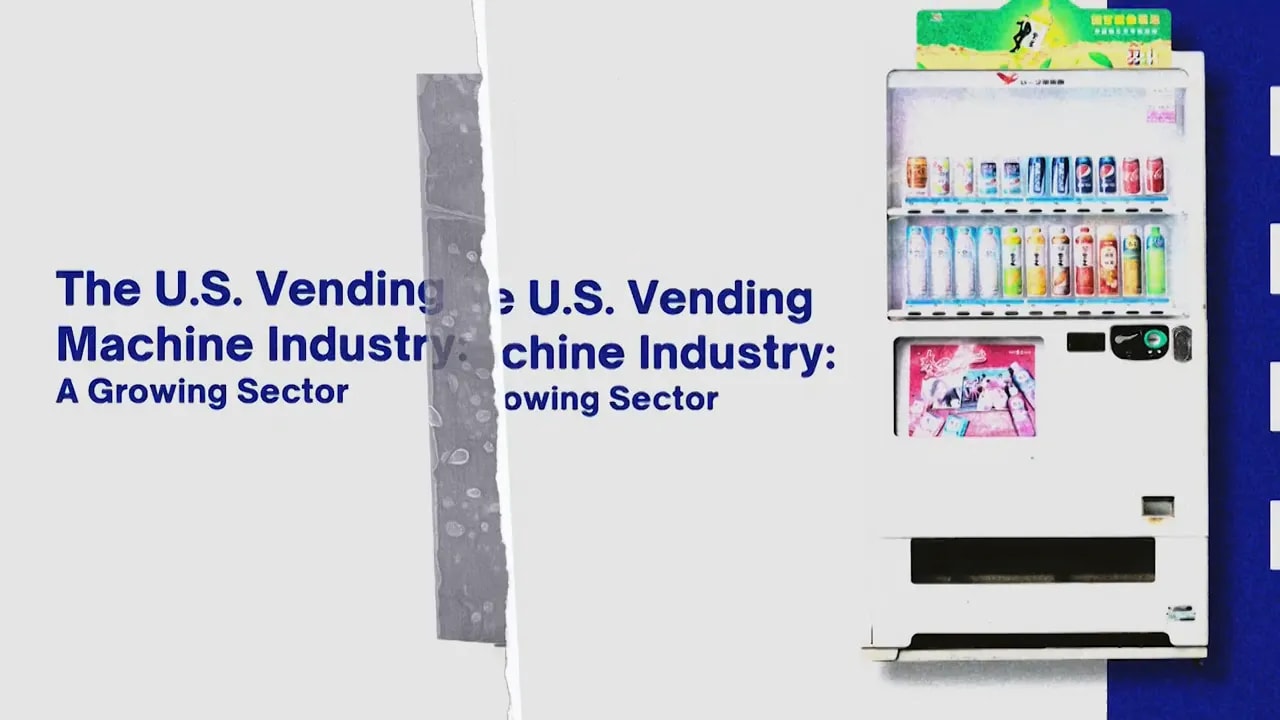
- The U.S. vending industry was valued at about $6.24 billion in 2023
- It was projected to grow toward nearly $12 billion by 2032
- North America held a major share of the global market
- New payment systems and inventory technology are improving efficiency
- Unattended retail continues to expand in places like apartments, hospitals, schools, and workplaces
For a first time buyer, that matters because growing industries usually create more room for good locations, better support services, and more modern equipment.
How a Business Ownership Coach Evaluates Vending for Busy Professionals

Photo by Kate Trysh on Unsplash
Many people looking for a Business Ownership Coach are trying to transition out of a W2 job without blowing up their finances. That is where vending can make sense.
The source material points to a useful rule of thumb: about one hour per week per machine. That is not a guarantee, but it is a helpful planning assumption. Ten machines might mean about ten hours per week, depending on distance, stocking needs, machine reliability, and route efficiency.
This business can also be managed with your phone because modern systems can track sales, inventory needs, and refill timing. That makes vending more attractive than business models that require constant staffing.
In other words, a Business Ownership Coach may recommend vending to someone who:
- Still needs outside income
- Wants a simpler operating model
- Does not want a large payroll yet
- Values recurring cash flow over complexity
The Biggest Variable in Vending: Location

If there is one lesson any Business Ownership Coach should emphasize, it is this: vending is not just about the machine. It is about the placement.
Good locations often include:
- Schools
- Hospitals
- Large office buildings
- Employee centers
- Apartment communities
- Other secure, high traffic environments
The source material also notes that some business opportunity providers help locate initial placements and may even relocate underperforming machines if weekly sales do not meet a stated benchmark. That kind of support can reduce one of the biggest beginner mistakes, which is buying machines before solving the location problem.
That said, the long term goal should be to learn your market yourself. A Business Ownership Coach would want you to build skill in identifying strong locations, negotiating placements, and understanding traffic patterns over time.
SBA Financing for Vending Machines

Photo by Kate Trysh on Unsplash
One reason a Business Ownership Coach may like vending is the possibility of SBA financing. According to the source material, funding up to 90% of total project costs may be possible in the right situation, including equipment and working capital.
Using the example provided, a $100,000 project could require roughly a 10% equity injection, or about $10,000, depending on structure and lender requirements.
The source material also points to common qualifications that may matter for SBA financing:
- A credit score around 680 or higher
- Outside income that supports outside debt
- Credit utilization generally below 30%
Those are not universal approvals, but they are useful screening guidelines. If financing is part of your plan, a Business Ownership Coach should help you think about both loan qualification and debt comfort, not just minimum down payment.
If you want guidance around SBA loan strategy, a practical next step is to book an SBA discovery call.
Tax Strategy Matters More Than Most Beginners Realize

A sharp Business Ownership Coach does not just talk about revenue. Ownership also changes the tax conversation.
The source material references Section 179, which may allow business owners to expense qualifying equipment purchases, subject to current tax rules and professional guidance. It also mentions that small business ownership can open up broader write-off planning and even family employment strategies in some cases.
The key point is not to assume every deduction applies to you. The key point is that business ownership can create options that W2 earners do not usually have. Always confirm details with a CPA or tax attorney before acting.
Why Some Owners Prefer Vending Over Rental Properties for Early Cash Flow

This is where the Business Ownership Coach conversation gets interesting. Many first time entrepreneurs default to real estate, but the source material makes the case that an operating business can produce stronger early cash flow than a single rental property.
The reasoning is straightforward:
- One rental property can lose most of its cash flow when a major repair hits
- Vending spreads revenue across multiple machines
- Business financing may offer leverage that helps preserve your cash
- Business ownership can create tax advantages not available in the same way to passive holdings
The broader framework described is a triangle approach: tax strategy, operating business, then long term real estate. A Business Ownership Coach may use vending as the operating business that helps fund the next stage of wealth building.
Common Risks and Mistakes to Avoid
Photo by Kate Trysh on Unsplash
No Business Ownership Coach should frame vending as passive magic. There are real risks.
1. Bad locations
A mediocre machine in a great location usually beats a great machine in a weak location.
2. Underestimating route logistics
Drive time, refill frequency, and route density affect profitability.
3. Ignoring security
Vandalism and theft still matter, although cashless payments can reduce some of the old risks. Secure locations and insurance are important.
4. Buying before getting trained
The source material mentions two day training and ongoing coaching in some models. That kind of support can shorten the learning curve.
5. Assuming every machine performs the same
Product mix, demographics, and traffic vary widely by site.
6. Quitting your job too early
A Business Ownership Coach would usually push for reserves and a measured transition, not an emotional leap.
How to Know if Vending Fits Your Exit Plan

If your goal is to leave your job, vending may be a bridge rather than the final answer. The source material suggests building enough machine count and cash flow to cover a meaningful share of your income before making a transition.
A Business Ownership Coach would typically look for:
- Stable personal reserves, often several months of living expenses
- Predictable business cash flow
- Systems and reporting so you know what is actually happening
- A growth plan for adding machines or expanding into adjacent models
That is the difference between escaping a job and replacing it with chaos.
Practical Next Steps

If you are thinking like a Business Ownership Coach, start with fit, then funding, then execution.
- Clarify your income goal and available weekly time.
- Review your credit profile and debt picture.
- Determine whether you want independent ownership or a supported business opportunity model.
- Map out target locations in your market.
- Speak with an SBA specialist before committing to equipment.
- Build a conservative transition plan out of your W2.
If you want to explore whether vending is the right fit, you can schedule a vending consultation. If you want broader help evaluating different business models, book time through this business call link.
For ongoing education and community, there is also the Business Ownership Academy and a business ownership newsletter. If you plan to scale and offload admin work, review this virtual assistant resource.
Bottom Line

A Business Ownership Coach should not promise financial freedom from one idea. But vending deserves serious consideration because it can be simple, scalable, financeable, and manageable for the right person.
If you want a gateway business that teaches ownership, creates cash flow, and can potentially support a measured move out of your job, vending is one of the more practical models to evaluate in 2026.