
If you are searching for a Business Ownership Coach to help you evaluate franchise opportunities, adult day care deserves a serious look. This category sits at the intersection of recurring revenue, community impact, and a growing senior population. It also offers a different operating profile than in home care or assisted living.
For the right owner, this can be a practical business model with clearer structure, daytime hours, and room to scale. The key is understanding how the model works, where the economics come from, and whether it fits your long term ownership goals.
What a Business Ownership Coach Looks for in Senior Care

A strong Business Ownership Coach does not just ask whether a business sounds interesting. The better question is whether the business matches your lifestyle, capital, skill set, and exit goals.
In senior care, there are several broad models:
- In home care, which often becomes a staffing heavy operation
- Assisted living or residential care, which can involve 24 hour demands and more complexity
- Adult day care, which is typically daytime focused and structured around scheduled attendance
That difference matters. A Business Ownership Coach will usually pay close attention to operating hours, staffing difficulty, regulatory complexity, and whether the model can be managed semi absentee after launch.
What Is a Non Medical Adult Day Program?

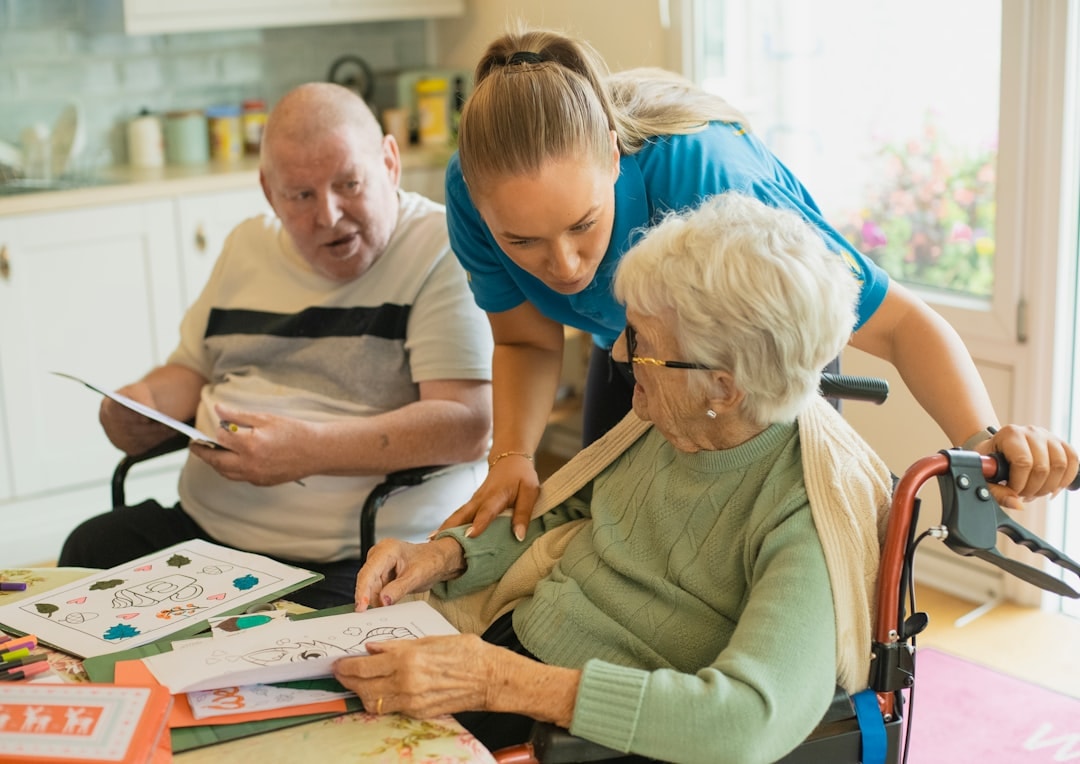
A non medical adult day program is a social care business designed to keep seniors active, engaged, and connected during the day. It is especially relevant for families caring for older adults who need support, routine, and supervision, but do not yet need full time residential placement.
In the model discussed here, the program focuses heavily on seniors, including those affected by Alzheimer’s and dementia. Core features include:
- Dementia friendly programming
- Structured daily routines
- Social interaction and cognitive engagement
- Membership based recurring revenue
That last point is a big one. A Business Ownership Coach will always look for predictability. Membership pricing can create steadier cash flow than a pure hourly or one off service model.
Why Demand Is Growing

The underlying demand story is simple. More Americans are aging into the senior category every year, and more families want care solutions that allow loved ones to remain at home longer.
Several demand indicators stand out:
- Millions of Americans turn 65 each year
- A meaningful portion of seniors are affected by Alzheimer’s
- The adult day care industry is already a multibillion dollar market
- Families increasingly want flexible daytime support rather than immediate full time placement
A good Business Ownership Coach looks for underserved pockets of demand. Adult day care appears to have a much smaller share of the senior care market than in home care or residential care, which suggests room for expansion if operators educate their local market well.
Why Families May Choose Adult Day Care Instead of Other Care Options

Cost and flexibility are major drivers. Compared with full time in home care or a residential facility, adult day care can be substantially more affordable.
The pricing example shared for Northern California used three membership tiers:
- 8 days per month at $1,125
- 13 days per month at $1,675
- Unlimited weekdays at $2,500
By comparison, in home care in that market was described at roughly $5,000 to $6,000 per month, while a full time one bedroom facility was described around $10,000 to $11,000 per month.
That does not mean adult day care replaces every other option. It means it can serve families looking for a lower cost daytime solution before full time care becomes necessary. A Business Ownership Coach would frame this as a business serving a clear transition point in the care journey.
How the Daily Experience Supports Retention
Retention is one of the biggest drivers of healthy unit economics. A repeatable routine helps support that.
The operating day described in this model runs Monday through Friday from 8:00 a.m. to 5:30 p.m. Activities may include:
- Coffee, snacks, and easy arrival activities
- Music based programming
- Crafts and cognitive exercises
- Simple lunch service
- Chair based exercise
- Afternoon snacks, games, and social time
There is also a quiet space available for participants who need a break.
From a Business Ownership Coach perspective, this matters because structured programs can improve word of mouth, retention, and family satisfaction, while also keeping staffing more standardized.
Why This Model Can Be Easier to Operate Than Other Senior Care Businesses

Not every care business feels the same to own. One of the main advantages here is that this is a social program, not a medical program. That distinction can mean:
- Lower regulatory complexity
- Easier staffing structure
- No overnight shifts
- Potentially faster scaling
That is exactly the kind of thing a Business Ownership Coach would highlight. A business can have strong demand, but if the operating burden is too high, owners get burned out.
Another important point is staffing appeal. Because the schedule is daytime only and weekends are off, the model may be more attractive to employees than 24 hour care settings.
Startup Costs, Margins, and Ownership Styles

Every Business Ownership Coach should help you pressure test the numbers before you get emotionally attached to the concept.
For this model, the total initial investment range was described between $218,000 and $398,000. That includes startup needs such as buildout, operating budget, and franchise fee. The final number depends on location, tenant improvement support, and local buildout costs.
The business also cited profit margins of more than 26%.
Ownership can be approached in a few ways:
- Owner operator from day one
- Semi absentee with a team in place
- Potentially more passive over time after systems and leadership are established
A Business Ownership Coach should remind buyers that semi absentee does not mean hands off on day one. Launching, hiring, local marketing, and process setup still require energy. But a daytime structured model can become more manageable as it matures.
What Staffing Usually Looks Like Early On

Early staffing was described as starting with a core team of about four people:
- General manager or administrator
- Front desk and sales support
- Activity director
- Activity aide, often with CNA experience
While some states may not require CNAs, the recommendation was to use them where possible because of their background and experience.
A typical staffing ratio mentioned was eight participants to one staff member in many states, with actual operations aiming closer to about 6.75 participants per staff member for service quality and profitability.
This is another place where a Business Ownership Coach adds value. It is not enough to like the category. You need to understand labor needs, role design, and whether you are comfortable leading people in a care centered environment.
Can You Scale to Multiple Locations?

Yes, and that may be one of the strongest reasons a growth minded buyer would consider it.
The playbook discussed for expansion is straightforward:
- Open the first location
- Build it toward capacity
- Create a waitlist
- Open a second site within a nearby radius
- Leverage demand and referrals from the first location
Facility sizes mentioned were roughly:
- 3,000 square feet for around 32 participants
- 4,000 square feet for around 45 participants
- 5,000 plus square feet for around 60 participants
A Business Ownership Coach should ask a bigger question here: are you building for income replacement, legacy, or eventual sale? One profitable unit is different from a multi unit platform. The decisions you make now around territory, real estate, leadership, and systems should reflect the end goal.
Common Mistakes to Avoid

- Assuming every senior care model is the same
In home care, adult day care, and assisted living operate very differently. - Focusing only on short term income
A strong Business Ownership Coach will push you to define the 10 to 15 year vision. - Underestimating local education and marketing
An underserved category often requires explaining the model to families and referral partners. - Thinking semi absentee means zero involvement
Good systems take time to build. - Ignoring facility strategy
Square footage, market density, and future expansion all matter.
Is This the Right Fit for You?

This opportunity may fit if you want:
- A recurring revenue model
- Daytime business hours
- A service business with community impact
- A franchise system with playbooks and support
- A path to multi unit growth
It may be less ideal if you want a business with no staffing component, no local relationship building, or no involvement during startup.
A practical next step is to speak with a Business Ownership Coach who understands franchise selection, funding, and long term wealth building. If you want to explore SBA funding options, you can book an SBA discovery call. You can also schedule a consultation, review available franchise opportunities, preview an SBA financing course, join the business ownership community, subscribe to the newsletter, or explore virtual assistant support as you build your operating team.
Final Takeaway from a Business Ownership Coach Perspective

An experienced Business Ownership Coach looks for business models that combine demand, reasonable operational structure, and long term scalability. Adult day care checks many of those boxes.
It is not the right business for everyone. But if you are comparing franchise models in senior care and want something more structured than 24 hour care, more recurring than project based services, and more scalable than a single location income replacement play, this category deserves real due diligence.