
Many professionals reach a point where their résumé looks strong, their income may be solid, and yet something still feels capped. That is usually not a talent problem. It is often a vehicle problem. A Business Ownership Coach helps ambitious professionals evaluate whether staying in a traditional job is limiting their upside and whether business ownership offers a better path.
This matters most for people who want more autonomy, more control over income, and a clearer connection between effort and long-term wealth. For many, the answer is not starting from scratch. It is buying an existing business with customers, cash flow, and systems already in place, often using SBA financing as the bridge into ownership.
What a Business Ownership Coach Actually Helps You Do

A Business Ownership Coach is not just someone who tells you to become an entrepreneur. The real value is helping you move from vague frustration to a practical ownership strategy.
That usually includes:
- Assessing whether your current role is fundamentally capped
- Clarifying if ownership fits your goals better than climbing higher in employment
- Identifying business models that align with your skills
- Explaining how business acquisition differs from launching a startup
- Helping you understand financing options such as SBA loans
- Creating a transition plan that does not require blowing up your life
In other words, a Business Ownership Coach helps you stop reacting to career frustration and start designing a path toward ownership with intention.
Signs You May Have Outgrown the W-2 Environment
Not everyone should leave a job. But some people clearly outgrow the environment they are in. The challenge is that this often shows up as subtle dissatisfaction before it becomes obvious.
Common signs include:
- You keep performing, but the upside feels limited.
- More responsibility does not lead to more ownership.
- You are working harder without gaining more autonomy.
- Your ideas create value, but you do not control the asset.
- You feel bored, underused, or disconnected despite external success.
A good Business Ownership Coach helps distinguish between temporary burnout and a deeper structural issue. Sometimes the problem is workload. Sometimes the real issue is that the system you are in was never built to reward your ambition the way ownership can.
Why Working Harder in a Capped System Often Fails
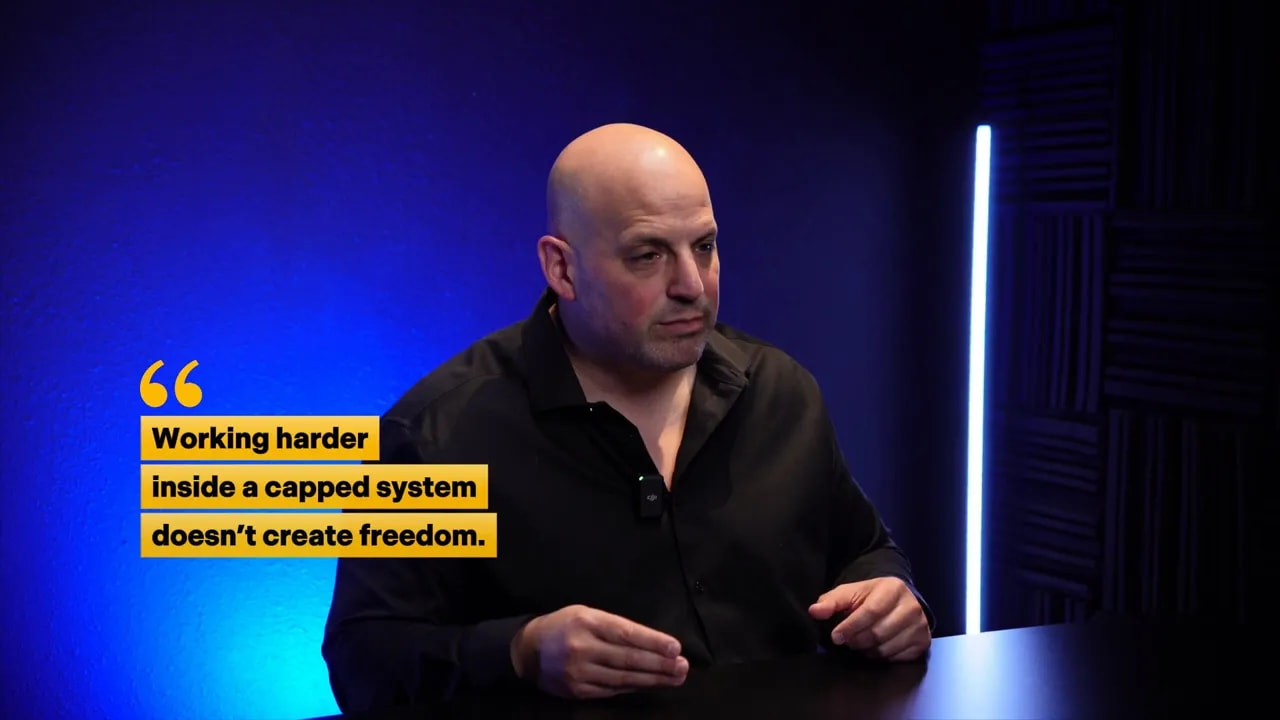
One of the biggest career misconceptions is that more effort inside any system will eventually produce freedom. That is not always true.
If the structure around you limits your income, decision-making power, or equity upside, more effort may simply make you a more productive employee inside the same ceiling. You may earn more, but still not own anything. You may manage more, but still control very little.
This is where a Business Ownership Coach can be useful. The focus shifts from “How do I do more?” to “What vehicle am I in?” That question matters because your vehicle often determines your ceiling more than raw effort does.
Why Buying a Business Appeals to High Performers

Many ambitious professionals assume entrepreneurship means starting from zero, taking huge risks, and spending years building without predictable cash flow. That is only one path.
Another path is acquisition entrepreneurship, which means buying an existing business that is already operating. This approach can be attractive because it offers:
- Existing customers
- Current revenue and cash flow
- Established systems
- A real operating base from day one
- An opportunity to apply your skills quickly
For the right buyer, this can shorten the distance between ambition and ownership. A Business Ownership Coach can help evaluate whether buying a business is a better match than building one from scratch.
Who this path tends to fit best
- Professionals with leadership or operational experience
- People who want a practical transition into ownership
- Buyers who value systems and existing demand
- High achievers who can improve an operating business
How SBA Financing Can Make Business Acquisition Possible
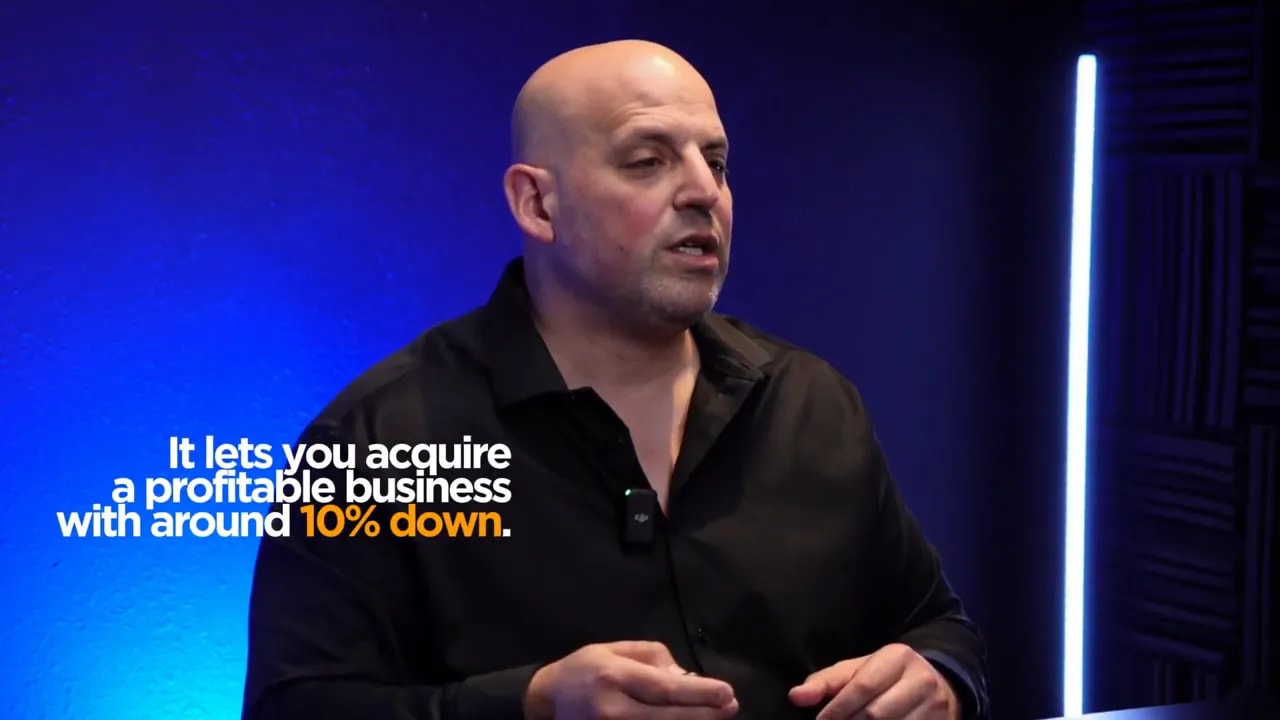
SBA financing is one of the main reasons business acquisition becomes realistic for more buyers. According to the source material, profitable businesses may be acquired with around 10% down using SBA financing, which can reduce the need to fund a purchase entirely with personal savings.
That matters because it turns business ownership from an abstract dream into a structured option. Instead of waiting years to self-fund an acquisition, buyers may be able to leverage financing against a real business asset.
A Business Ownership Coach can help you understand where financing fits into the bigger picture. The financing itself is not the end goal. It is the tool that can help you step into ownership without starting from zero.
What SBA financing changes
- It lowers the upfront cash hurdle for some buyers
- It creates a more defined path into acquisition
- It allows leverage tied to a business purchase rather than relying only on savings
- It can make the transition more strategic than impulsive
If you want to explore whether this route fits your situation, an SBA discovery call is a practical next step.
Ownership Is Not About Doing More. It Is About Directing Energy Better
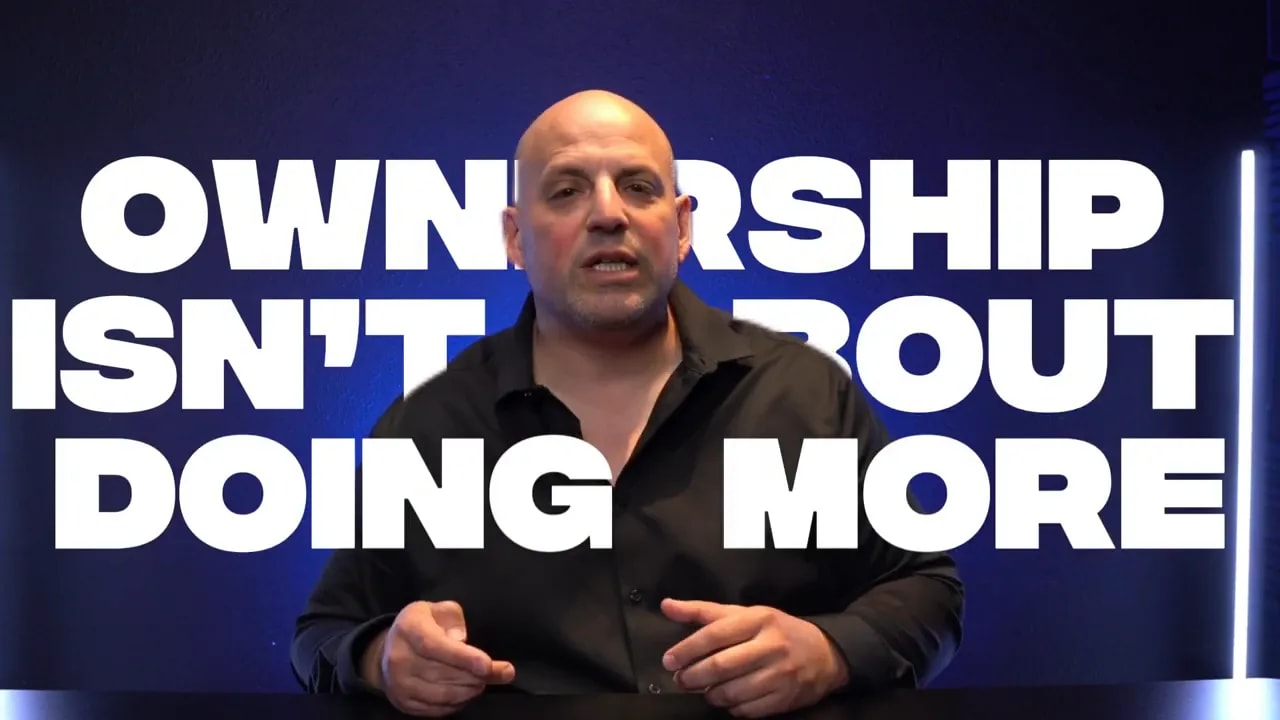
A strong Business Ownership Coach will challenge a common assumption that business ownership automatically means more chaos, more hours, and more stress. The better framing is this: ownership is about directing your effort into an asset that can grow with you.
That does not mean ownership is easy. It means the nature of your work changes. Instead of contributing primarily to someone else’s long-term equity, you are building your own. Instead of hoping your compensation reflects your value, you have a path to influence the value of the entire business.
For high performers, that shift can be more meaningful than a title change or salary bump.
Employee Thinking vs Owner Thinking
The biggest transition is often mental, not technical. A Business Ownership Coach helps bridge that identity shift.
Employee thinking tends to focus on:
- Executing goals assigned by others
- Optimizing performance inside an existing structure
- Trading time and expertise for income
Owner thinking tends to focus on:
- Building and improving the asset itself
- Designing systems, not just operating within them
- Creating a path where income is tied to ownership
- Making decisions based on long-term control and value creation
This is why many career transitions fail when they are treated as simple job changes. Moving from W-2 employment into ownership is a deeper strategic shift.
How to Move from W-2 to Business Ownership Without Reckless Risk

The goal is not to make a dramatic leap. The goal is to make an informed move.
Here is a practical framework a Business Ownership Coach may use:
1. Confirm the problem
Make sure the issue is not just a bad quarter, a bad boss, or temporary fatigue. If your growth has genuinely outpaced your environment, ownership may deserve serious consideration.
2. Define what freedom means to you
Some want more autonomy. Others want wealth-building, control, or a direct link between output and upside. Clarity matters because not every business path solves the same problem.
3. Choose the vehicle
Decide whether your likely path is staying employed, starting a company, or acquiring an existing business. For many established professionals, acquisition can offer a more structured entry point.
4. Learn the financing lane
Understand whether SBA financing is relevant and realistic. This is where early guidance can save time and prevent chasing deals that do not fit.
5. Build a transition plan
Ownership works best when the shift is intentional. That means evaluating timing, capital, business fit, and risk tolerance before making the move.
For more structured guidance, the Business Ownership Summit and the Business Ownership Academy are relevant resources.
Common Mistakes to Avoid

Photo by krakenimages on Unsplash
A Business Ownership Coach can add the most value by helping you avoid the wrong move, not just find a good one.
- Confusing frustration with readiness. Feeling stuck does not automatically mean you are ready to buy a business tomorrow.
- Assuming all entrepreneurship starts from scratch. Acquisition is a different path and should be evaluated separately.
- Thinking effort alone solves structural limits. If the system is capped, extra effort may not change the outcome enough.
- Treating financing as the strategy. SBA financing is a tool, not the business model.
- Ignoring fit. The right business should align with your strengths and capacity to add value.
Questions to Ask Before Pursuing Business Ownership
- Am I looking for more income, more control, or both?
- Do I want to build from zero or buy something already working?
- What business types match my skill set?
- How much change can I realistically handle right now?
- Would ownership improve my autonomy, or just change the type of pressure I face?
- Do I understand the basics of SBA financing and acquisition structure?
These questions are where a Business Ownership Coach becomes especially useful. Clarity early on can prevent expensive detours later.
Additional Resources
If you want to keep learning and evaluate your options more carefully, these resources may help:
- Book a call for direct guidance
- Join the newsletter for ongoing insights
- Virtual assistant resource if you need leverage and operational support
Final Takeaway

Photo by Tim Mossholder on Unsplash
If you are successful on paper but still feel constrained, the problem may not be your work ethic or potential. It may be that your current environment no longer matches the size of your ambition. That is exactly where a Business Ownership Coach can help.
The right next move is not automatically quitting your job or launching a startup. For many high achievers, the smarter path is to evaluate ownership through acquisition, understand how SBA financing works, and build a transition plan that is strategic rather than reactive.
When your environment becomes too small for your upside, ownership starts to look less like a fantasy and more like the next logical step.