
If you want to own a business but are stuck choosing between a franchise, an existing business acquisition, or a smaller entry point, this guide will help you think clearly. Business Ownership Coach | Investor Financing Podcast conversations often focus on one core truth: the best investment is not just about the industry. It is about fit, structure, support, and capital.
Many first-time buyers make the mistake of searching for the “best business” before they understand what kind of owner they want to be. That usually leads to wasted time, unrealistic expectations, and deals that look better on paper than they perform in real life.
The smarter path is to match the opportunity to your goals, risk tolerance, experience, and available funding.
What Is the Best Way to Invest in a Business?
There is no single best path for everyone. In most cases, your options fall into three broad categories:
- Buy a franchise for a proven model and built-in support
- Buy an independent business for existing revenue and immediate operations
- Start smaller with a side business or “gateway business” before taking on a larger investment
The right choice depends on practical questions:
- Do you want support from an established brand?
- Do you want cash flow from day one?
- How much capital can you realistically put in?
- Do you want to be owner-operator or semi-absentee?
- How much uncertainty can you handle?
This is where the Business Ownership Coach | Investor Financing Podcast perspective is useful. A strong deal is rarely about hype. It is about alignment.
Start With Owner Fit Before You Start Looking at Deals

Before comparing industries or financing options, get clear on your position.
Ask yourself these 5 questions
- How involved do I want to be? Some people want a hands-on role. Others want something more semi-absentee.
- How much money can I risk? Your available cash changes what kind of deal makes sense.
- Do I need support? If you are new to business ownership, operational guidance can matter a lot.
- Do I want immediate cash flow or growth potential? Those are not always the same thing.
- Am I ready for a big leap or should I take a smaller first step?
Some buyers are ready to go all in. Others should start with a smaller, lower-complexity model. There is nothing wrong with that. In fact, taking a smaller first step can be the smartest move.
Franchise vs Buying a Business: What Is the Difference?
This is one of the most common comparison searches, and for good reason. Both paths can work. Both also come with tradeoffs.
Why a franchise may be the better fit
A franchise often makes sense for first-time owners because it comes with more structure. You are not building every process from scratch. In many systems, you get training, marketing support, operational coaching, and brand recognition.
That support can reduce some of the guesswork, especially if you are entering an industry where you do not have prior experience.
A franchise can also make it easier to search by criteria such as location, investment range, and owner involvement style.
Why an existing business may be the better fit
Buying an independent business can be attractive because there may already be revenue, customers, employees, and cash flow in place. For some buyers, that feels like a faster route to income.
But this path usually requires deeper diligence. A business may look strong before closing and still decline after the ownership change. Employees may leave. Revenue may dip. Existing systems may be weaker than expected.
That is why an acquisition should never be judged only by its current earnings multiple or top-line revenue.
A practical rule of thumb
If you are a first-time owner and want more support and accountability, a franchise may be easier to manage than stepping into a local independent business with no backup system.
If you have strong operational skills, deal experience, or access to a solid team, an acquisition may offer greater immediate upside.
Often, the smartest move is to evaluate both instead of locking yourself into one path too early.
What Types of Businesses Look Attractive Right Now?

Photo by Patrick Tomasso on Unsplash
There are opportunities across many sectors, but some categories continue to stand out because of demand, repeat business, or operational simplicity.
- Home health care for seniors
- Medical wellness businesses
- Pet care
- B2B service models
- Home services
- Simple brick-and-mortar services such as oil change operations
Not every good business is glamorous. In many cases, boring businesses can be excellent investments if the demand is stable and the model is operationally sound.
Some categories are also easier to run on a semi-absentee basis than others. If passive or near-passive ownership is important to you, that should narrow your search quickly.
How SBA Financing Changes the Decision
Capital is often the factor that determines whether a deal is realistic. A business that looks exciting can become much less attractive once you understand the down payment, collateral requirements, and debt structure.
That is why financing should be part of your decision early, not after you fall in love with a deal.
Franchise startup costs can be lower than many buyers expect
Some franchise opportunities can be entered with a relatively low out-of-pocket investment compared with buying an established company. Depending on the model and financing structure, this can lower the barrier to entry for a first-time owner.
Business acquisitions may require more capital and more risk tolerance
With an acquisition, you are often paying a multiple of earnings. That can push the purchase price much higher. SBA financing may help make the deal possible, but larger loan amounts can come with added requirements, including collateral in certain cases.
That is where buyers need to slow down and ask:
- What is my true out-of-pocket requirement?
- Do I need outside investors?
- Am I comfortable with the loan terms and obligations?
- Will the business still perform if revenue softens after closing?
If you are exploring loan-backed acquisitions, an SBA discovery call can help clarify what is realistic before you start making offers.
Can You Buy a Business With Limited Cash?

Photo by Alexander Grey on Unsplash
Sometimes, yes. Limited cash does not automatically mean you are out of the game. Deals can be structured with combinations of:
- Buyer equity
- SBA financing
- Investor capital
- Seller carry
There are examples of buyers entering substantial acquisitions with outside investors helping fund the deal. There are also cases where franchise buyers start with a much smaller out-of-pocket amount than most people expect.
That does not mean low cash equals easy ownership. It means strategy matters. The right structure can open doors, but the business still has to be a good fit and a sound operation.
Common Mistakes First-Time Business Buyers Make

Photo by Francisco De Legarreta C. on Unsplash
Many business ownership problems begin before closing. These are some of the biggest mistakes to avoid.
1. Assuming the business will run itself
A manager in place does not guarantee smooth ownership. Every business has pain points. If you expect pure passive income from day one, you are likely underestimating the work.
2. Focusing only on projected cash flow
Cash flow is important, but it should not be your only filter. Operational complexity, employee risk, owner transition issues, and financing terms all matter.
3. Ignoring the value of support
For newer owners, support from a franchise system can be a major advantage. Going solo into a mom-and-pop operation without industry knowledge can be much tougher than it looks.
4. Searching too narrowly
If you only look for one exact type of deal, you may miss better fits. Keeping an open mind often leads to stronger opportunities.
5. Skipping serious due diligence
Research, financial review, and realistic downside analysis are essential. Optimism is not a substitute for diligence.
How to Narrow Your Short List of Business Opportunities

Photo by Charles Forerunner on Unsplash
Use this simple filter when comparing options.
- Pick your ownership style
Hands-on, owner-operator, or semi-absentee. - Set your investment range
Know your cash, financing potential, and comfort level. - Choose support level
Decide whether you want a system behind you or more independence. - Focus on 2 to 3 industries
Avoid trying to analyze everything at once. - Compare startup versus acquisition
Look at timeline, risk, and required involvement. - Stress-test the downside
Ask what happens if sales dip, staff changes, or ramp-up takes longer than expected.
If you want help evaluating options, a business ownership strategy call can help you map the right next step based on funding and business model fit.
When a Franchise Is Often the Smarter First Move
A franchise is often a strong first move if:
- You are new to ownership
- You want training and accountability
- You value brand systems and marketing support
- You want help selecting a model that fits your budget and location
This is a recurring theme in Business Ownership Coach | Investor Financing Podcast style business guidance: the best first business is often the one you can realistically operate well, not the one that looks most exciting online.
When Buying an Existing Business Makes More Sense
An acquisition may be the better route if:
- You want existing revenue and operations
- You are comfortable leading teams through transition
- You understand financial statements and due diligence
- You have access to financing, investors, or seller-friendly structure
The upside can be substantial, especially when a deal is structured well. But the need for careful review is much higher.
Final Takeaway

Photo by Artur Aldyrkhanov on Unsplash
The best business investment is not chosen by trend alone. It is chosen by fit, funding, and operational reality.
If you are deciding between a franchise, an acquisition, or a smaller entry point, start by getting honest about three things:
- Your bandwidth
- Your capital
- Your need for support
That is the foundation of a better decision. The Business Ownership Coach | Investor Financing Podcast approach is simple: keep an open mind, evaluate both franchises and acquisitions, and do not confuse an attractive pitch with an easy business.
Additional Resources
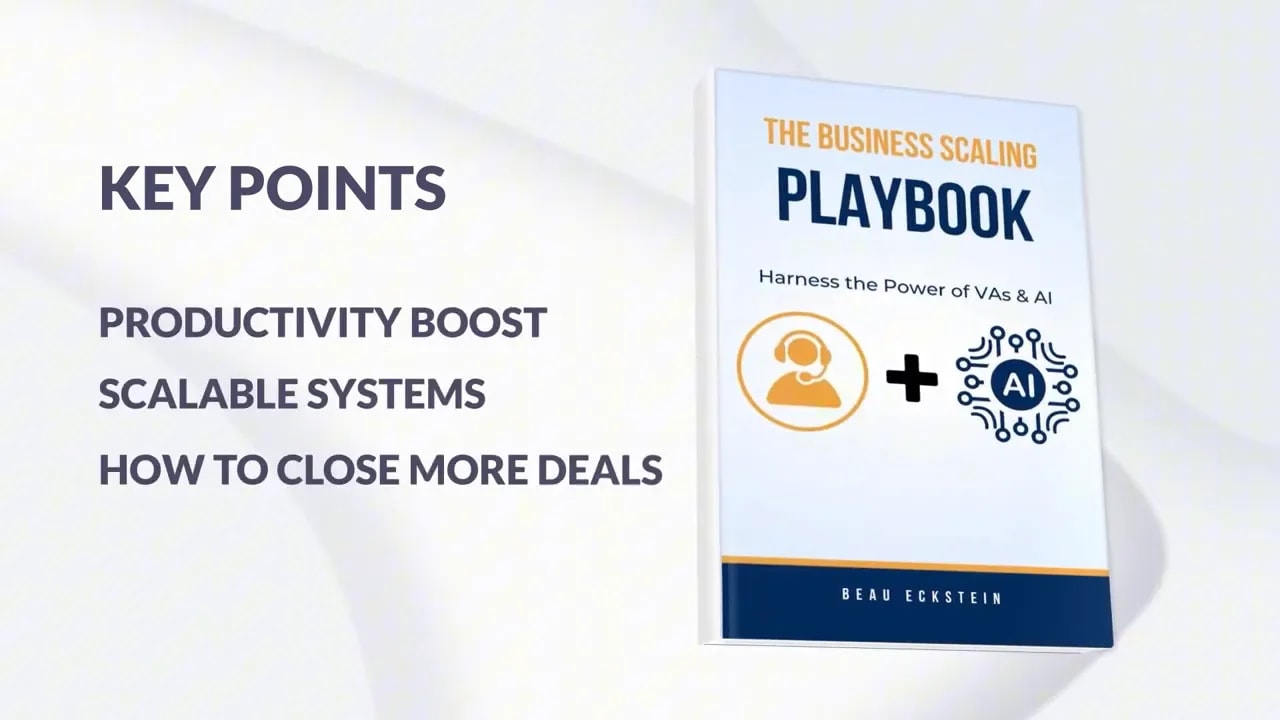
For ongoing insights into acquisitions, funding, and franchising, consider subscribing to The Business Ownership Newsletter.
If you are building or scaling operations and want help with delegation, learn more about virtual assistant support.