
If you still have a W-2 job but you want to own a franchise, you are not alone. In fact, it is probably the most common situation I see: people want the security of a steady paycheck while they build something bigger on the side. The goal is usually the same. Keep income coming in now, ramp up the business, then transition when the numbers make sense.
That is where understanding franchise models matters. Not every franchise setup fits a schedule where you are working a full-time job. The good news is that there are business structures that can work while you are still employed. Some require you to be heavily involved at first. Others allow for semi-absentee involvement once the systems are running.
Why “W-2 + Franchise” Works for Many People
Most people are not trying to “escape work” overnight. They want to own a business, but they also want stability while they learn how the process works. It is a sensible approach.
Here is the real decision point: you need a franchise model that fits your available time and your life constraints. If you can only commit limited hours right now, you have to select a concept that can operate with that level of involvement.
That is also why you should not think of franchise ownership as one single thing. There are different ways franchisees can run their units, and your chosen model should align with:
- How many hours per week you can realistically give
- Whether you can be reached during the workday
- Whether you can delegate to a trusted person
- How quickly you can ramp into more involvement later

The Main Franchise Models: Owner-Operator, Owner-Manager, and Semi-Passive
Franchises are often described as if every unit works the same way. It does not. The operational structure can vary a lot from one concept to another, which is why some franchises are a better fit for someone with a day job.
In general, you will hear about three broad involvement levels:
1) Owner-Operator
This is the most hands-on approach. The owner is typically the day-to-day operator. If you have limited availability, this model can be difficult unless your job schedule is flexible enough to support it.
2) Owner-Manager
In an owner-manager setup, you still play a key role, but you are more focused on overseeing operations rather than performing every task. This model can work well if you can commit consistent leadership time each week.
3) Semi-Passive (Semi-Absentee)
This is the category that comes up most often for people with W-2 jobs. The idea is to have a functioning business with you involved in a more limited way, usually after you have put systems in place.
Even then, “semi-passive” does not mean “set it and forget it.” It usually means you have staffing, processes, and someone you trust helping you execute while you keep your primary income source for now.
What a Semi-Absentee Plan Usually Looks Like
For many employed buyers, the practical target becomes something like 15 to 25 hours per week as a semi-absentee model. That time range gives you a chance to oversee key areas, manage decisions, and stay involved without walking away from your W-2 income immediately.
What makes this work is not only the franchise concept, but also the execution pathway. Typically, you are not trying to jump straight into minimal involvement on day one. The ramp-up period is where involvement matters most.
In other words, plan for a transition. You build the business while you still have stability, then you gradually shift your time and income reliance from the W-2 paycheck to the business.
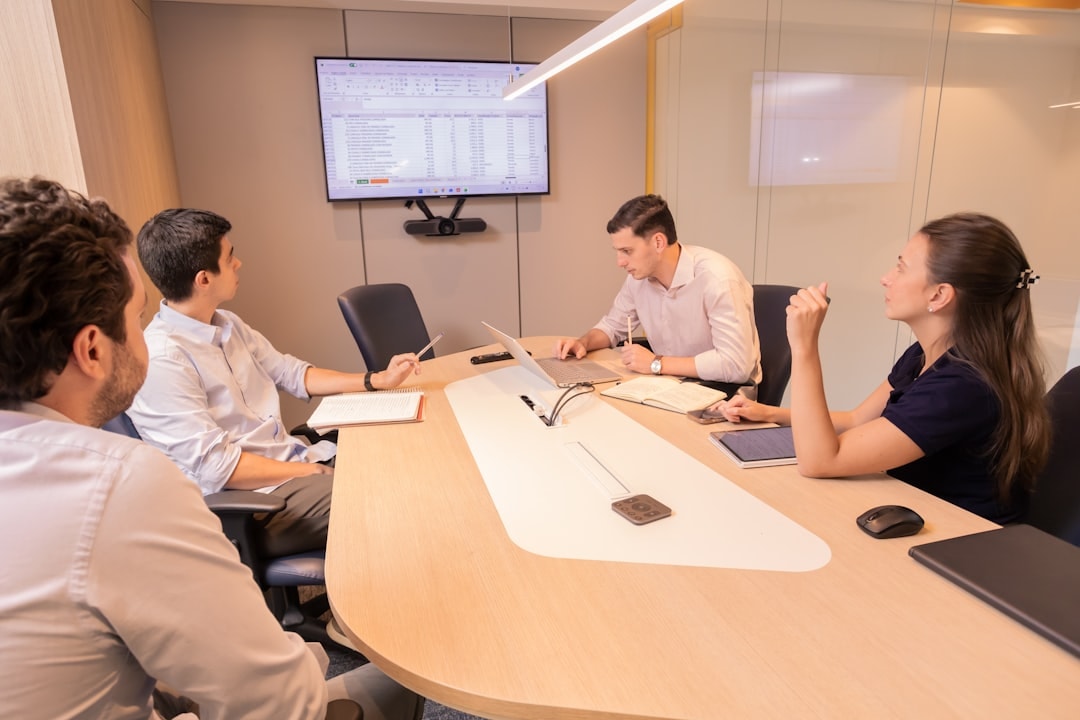
Photo by sidney zou on Unsplash
Three Real-World Scenarios That Fit Employed Buyers
Not everyone has the same work situation. Some people can work from home. Some can only take calls at certain times. Some have a spouse who can help. These differences change what kind of franchise model is realistic.
Scenario A: Spouse Partnership (One Starts, One Works)
A common setup is when one partner runs the business initially while the other continues working. That can reduce bottlenecks and allow the business to get traction even when the primary investor is not fully available yet.
Scenario B: Full-Time Job, But Work From Home
Work-from-home flexibility is a huge advantage. If your job allows you to step away, take calls, and handle business tasks during the day, you can do more than someone who is stuck in a strict nine-to-five environment.
With that flexibility, you can stay connected to the franchise operations and respond to needs quickly. That usually leads to better execution during the ramp-up stage.
Scenario C: Full-Time Job With No Flexibility
If your schedule is rigid and you cannot leave work or take calls, the model has to adjust. In many cases, that means looking toward a more fully passive structure, or securing someone to help run the business day to day.
In practical terms, you either need:
- A franchise concept that can run effectively with less direct owner involvement
- Support staff or a trusted partner who can cover operational needs
This is where delegation becomes non-negotiable.

Photo by Beatriz Cattel on Unsplash
The Most Important Question: Do You Have Someone You Trust?
If you are going to pursue a semi-absentee approach, the most important question is not “How much time do I have?” It is:
Do I have someone I trust who can help me ramp up the business?
That could be a spouse, a partner, or someone else you can rely on to keep operations moving. The ramp-up period is usually the hardest. Once systems work and the business stabilizes, the involvement can often become more manageable.
Think of it like building an engine while you are driving. During the initial phase, you and your team get everything running smoothly. After that, you are not constantly firefighting.

Photo by Beatriz Cattel on Unsplash
Hundreds of Options Exist, But Approval Still Matters
It helps to know that there are a lot of franchise opportunities that can support employed buyers. Estimates often point to hundreds of options depending on the market and the specific franchise concept.
However, there is one big caveat: it still needs to work within the franchise’s rules. Most franchise systems have an approval process, including requirements around how the franchise unit will be operated and who will manage it.
In other words, the franchise has to be comfortable with the model. That is why having the right match matters, and why working with an experienced broker or advisor can streamline the search.
A key part of the process is identifying which franchises allow a semi-absentee model to be executed in the way you need. Not all concepts do, even if they seem like a fit on paper.

Photo by Beatriz Cattel on Unsplash
How to Choose a Franchise Model That Fits Your Current Life
Before you commit, evaluate your situation honestly. You are aiming for sustainability, not a fantasy plan that collapses when real-life schedules hit.
Use these questions to guide your selection:
- How many hours can I consistently provide? (Aim for a realistic range like 15 to 25 hours if that is your current capacity.)
- Can I respond to operational needs during my workday? Work-from-home changes everything.
- Who will cover tasks when I cannot? Identify a trusted partner or staffing plan.
- Does the franchise approve the level of involvement required? Ensure the model fits franchise rules.
- What does ramp-up look like? Define the transition timeline to eventually shift more time from W-2 to the business.
This is also where your mindset matters. The goal is not to be perfect immediately. The goal is to build a structure that works now and improves over time.

Turning This Into a Real Plan (Not Just an Idea)
Owning a franchise while employed is not about avoiding work. It is about building leverage through systems, staffing, and smart ramp-up. You keep your income source while you learn, operate, and grow into the role.
And if you are serious about franchise ownership, getting training and guidance can save you months of trial and error. The fundamentals matter: how to evaluate franchise fit, how to launch successfully, and how to run the business in a way that matches your available time.
As you explore options, look for the combination that makes sense for your life: the right franchise concept plus the right operational model plus the right support network.
Embed and Next Steps
If you are currently employed and thinking about franchise ownership, start by narrowing your search to concepts that can realistically support a semi-absentee plan. Then verify approval requirements and plan your ramp-up strategy around your schedule.
When you are ready to take action, the next step is simple: connect with resources that specialize in helping business owners structure the path to ownership and financing decisions. That is the work behind the scenes that turns a big dream into a workable plan.