
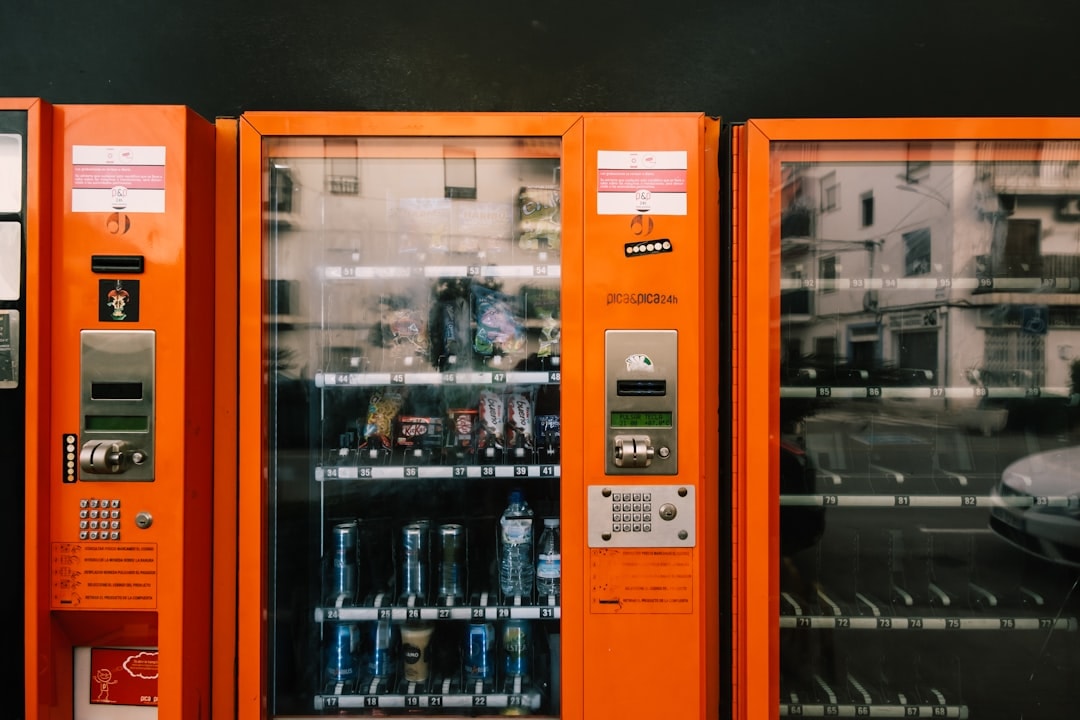
If you still picture vending machines as old-school soda dispensers that take quarters, you are missing what is happening right now in automated retail. Modern vending is not just “random snack machines.” It is a cashless, trackable, phone-manageable micro business that can run without employees or a storefront.
That is why it is showing up as a real side income opportunity for a lot of everyday operators. And it is exactly the kind of practical, scalable thinking that a Business Ownership Coach | Investor Financing Podcast perspective tends to highlight: make ownership simpler, measure performance in real time, and remove friction from day-to-day operations.
Forget the “quarter machine” mindset
Most people assume the vending industry is outdated because they judge it by the machines they remember. But today’s automated retail systems have evolved. Many machines now accept digital payments instead of relying on coins. That matters because it increases convenience for customers and reduces the hassle of managing physical cash.
Modern units also support real-time tracking. Instead of wondering whether you are selling anything, you can often monitor performance and inventory patterns from your phone.
What “automated retail” actually means
Automated retail, sometimes called unattended retail, is the idea of placing a product vending point in the real world and letting technology handle the transaction side.
Instead of staffing a counter, you install a machine (or a set of machines), configure it for payments and product selection, and then manage it like an operation. This category often includes:
- Cashless vending using card or mobile payment methods
- Sales reporting so you can see what sells and when
- Remote management so maintenance and restocking decisions are data-driven
- Unattended locations like office buildings, gyms, warehouses, and other high-traffic spots
The key shift is that the business becomes more like a small distribution system plus an asset management process, not a labor-heavy job.
Why it attracts “side business” operators
A traditional retail model is usually heavy: hours, employees, overhead, and constant in-person management. Automated retail changes the equation by reducing the things that typically slow people down.
With modern machines, many owners can structure the business so it runs with:
- No employees tied to your location
- No storefront that requires retail-grade rent and foot traffic
- Phone-based management for tracking sales and planning routes
That is why it shows up as a side hustle that can fit into real life. You are not trying to replace your whole job overnight. You are building a small, repeatable system.

The real advantage: it becomes measurable
One reason businesses fail is that they feel “mysterious.” You put money in, but you are not sure why results go up or down. Automated retail flips that mindset by bringing visibility into the operation.
When machines can track sales in real time, you gain a loop of learning:
- See what sells and what does not
- Adjust product mix to match demand
- Plan restocks smarter instead of guessing
- Repeat what is working, and remove friction from what is not
From an ownership standpoint, measurable operations also make financing and expansion decisions easier. A coach that focuses on business ownership and Investor Financing Podcast style thinking tends to value clarity because it supports real underwriting. You can talk about performance with evidence instead of hope.
Cashless payments can reduce friction
Cashless payments are not just a “nice to have.” They directly impact how convenient buying feels to the customer.
When payment is seamless, you reduce the odds that someone walks away because they do not have the right coins. That can be especially important in places where customers have quick stop-and-go behavior.
In other words, digital payments help make the experience feel more like modern commerce instead of a leftover habit from the past.

How to think about setting it up
If automated retail interests you, start thinking in systems, not vibes. You are building an operation that depends on placement, product selection, and maintenance habits.
Here is a practical way to frame it:
- Location strategy: Choose places where people will buy consistently.
- Product strategy: Stock items that match the preferences and routines of that location.
- Restocking strategy: Use sales insights to reduce stockouts and overstock.
- Payment reliability: Ensure the machine’s cashless options stay functional and configured correctly.
The goal is to turn “random vending” into predictable demand you can manage.
See the modern model in action
If you want to understand how the new automated retail business model works day to day, go deeper than the concept. Look at how machines are deployed, how operators track performance, and how decisions get made when you have real data instead of guesswork.
For more insight into the modern approach, you can explore vendinginar.com to see how the automated side of vending is actually run.

Common questions (and realistic expectations)
Automated retail sounds simple, and that is the appeal. But like any ownership model, success still depends on doing the fundamentals well.
Is it truly employee-free?
Many owners do not need employees at the location itself because machines operate unattended. However, you will still handle tasks like restocking, maintenance, and reviewing performance data.
Do I need a storefront?
No storefront is required in the classic sense. You are leveraging placements. That is a big advantage because it reduces the kind of rent-heavy overhead that sinks many brick-and-mortar ideas.
What makes it different from old vending?
The modern differentiators are cashless payments, real-time tracking, and phone-based management. Those features help you run the business with less friction and more clarity.
Is this “passive income”?
It is more accurate to call it smart income or system-led income. It can be less labor-heavy than many businesses, but you still have to manage assets, inventory, and performance.
Video embed (for further context)
If you want a clean path to ownership that leverages technology instead of fighting it, automated retail is worth studying. The shift away from quarters and mystery metrics is real, and it has created a modern “vending hustle” that looks a lot more like a managed asset business than a relic.
And if you are approaching ownership with a structured mindset, that is where a Business Ownership Coach | Investor Financing Podcast approach really helps: build something you can measure, improve, and scale.
Financing Your Automated Retail Setup
If you’re planning to scale beyond a single machine (or you’re upgrading to cashless, trackable units), financing can help you move faster and reduce how much cash you need upfront. A common option many small business owners explore is SBA loans, which may be suitable depending on your credit, cash flow, and the type of business you’re funding.
Before you apply, it helps to quantify your expected costs (machines, restocking inventory, and any installation or setup work). Then match your plan to the loan type you’re considering so the lender can better understand how the automated retail system will generate repayment.