
The decision to leave a steady W-2 role and pursue meaningful work is rarely a single dramatic moment. It’s a series of steady small choices about identity, habits, relationships, and lifestyle design. On the Business Ownership Coach | Investor Financing Podcast, Jamie Gruber lays out how he moved from an unfulfilling corporate role into building a life aligned with his strengths: hosting a podcast, running mentorship tracks, coaching entrepreneurs, and designing a location-independent family life.
Why identity and habits matter — lessons from the Business Ownership Coach | Investor Financing Podcast
Photo by Van Tay Media on Unsplash
Making the leap isn’t about one magic trick. Jamie’s conversations with hundreds of guests demonstrate two repeatable truths: identity and disciplined habits. Identity is the story you tell yourself about who you are. When that story changes — when you stop seeing yourself only as an employee and start seeing yourself as a creator or connector — the path forward becomes practical instead of mythical.
Habits are the engine. Top performers anchor simple routines so that, in high-stakes moments, they operate from conditioned behavior rather than panic. That’s why Jamie highlights baseball players who use breathing and repetition to deliver under pressure. The practical takeaway: design habits you can repeat daily; they compound into reliability and confidence.
The Emerge → Ascend → GoAbundance path and why community is catalytic
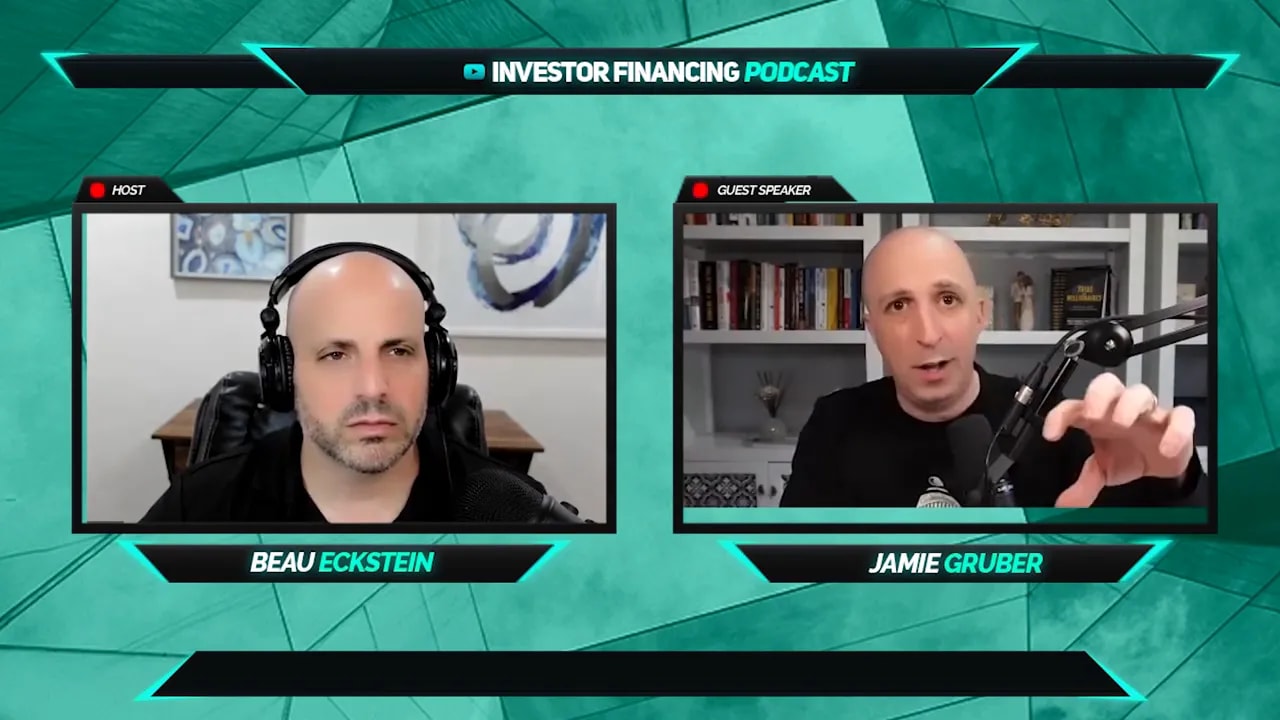
Jamie built a tiered framework to help people bridge the gap from aspiring side hustler to full-time entrepreneur. These levels are engineered to move someone from clarity through craft to proximity with high-performing operators:
- Emerge — a 12-week foundational program that helps participants craft vision, set goals, and build repeatable systems.
- Ascend — a 12-month master-level experience with group coaching, micro-tribes, and regular training sessions led by proven operators.
- GoAbundance — a high-proximity mastermind for those who have scaled and want to contribute, collaborate, and accelerate partner projects.
On the Business Ownership Coach | Investor Financing Podcast Jamie emphasizes that the biggest differentiator between those who progress and those who stall is proximity: access to people who have already solved the problems you face and the willingness to contribute value first.
What pushed Jamie to leave a steady job — the future-regret lens

Photo by Centre for Ageing Better on Unsplash
The turning point for Jamie came at 40. It wasn’t a single dramatic event alone but a combination of clarity and loss that forced perspective. After years of practical choices that left his childhood aspirations on the shelf, he realized he was living someone else’s script. When confronted with the fragility of life through a close friend’s unexpected death, he began asking a simple question: what will my 90-year-old self wish I had done?
That “future-regret” lens is a powerful decision tool. It reframes risk: instead of “Can I afford to leave?” you ask “Will I regret not trying?” For Jamie, that question made the path less about reckless bravery and more about intentional trade-offs — designing a lifestyle that supports family, learning, and meaningful work.

Photo by Centre for Ageing Better on Unsplash
How successful students convert access into outcomes
Not everyone who starts the journey reaches the top. Jamie shared a common profile among his most successful students: they show up, own the curriculum, and then go further — they use the community to add value. Three behaviors repeatedly show up among graduates who scale into high-performing partners:
- Complete the work — they finish the modules, apply the frameworks, and set measurable goals at the start.
- Network with intent — they connect before they need something and offer help first.
- Partner on projects — they turn introductions into collaborations like syndications, joint ventures, or product launches.
The Business Ownership Coach | Investor Financing Podcast highlights many stories where a simple, earnest email after a group session turned into a joint business, a GP role, or a capital-raising partnership. Proximity plus contribution equals opportunity.
Designing lifestyle freedom — practical next steps

Photo by Centre for Ageing Better on Unsplash
If lifestyle design is your aim, start with four practical moves:
- Make work virtual: Build or structure income streams that don’t require you to be location-locked. Jamie insisted that everything he pursued had to be virtual so moving to the Dominican Republic would not interrupt momentum.
- Prioritize cash flow over net worth vanity: Aim for reliable monthly net cash flow that supports lifestyle, then scale the asset base thoughtfully.
- Plan education for family: If you have kids, choose schooling options that support travel and life experiences so mobility becomes a feature, not a liability.
- Test with phased moves: Try a one-year immersion before committing long term. This reduces friction and lets you validate assumptions about health, schooling, and remote operations.
Personal development: coaches, presence, and doing the work
Jamie still invests heavily in coaching. He maintains coaches for mindset, health, and relationships. The consistent lesson from the Business Ownership Coach | Investor Financing Podcast is this: successful people rarely go it alone. They have mentors, peers, and structures that keep them honest.
Another recurring lesson is presence. High performers don’t obsess over a perfect forecast of the future. They set intentions, do the daily reps, and stay present to adapt. Doing the work, day after day, is the reliable way to compound small wins into major life changes.
Three immediate actions you can take this week

Photo by Centre for Ageing Better on Unsplash
- Write a 90-day goal and the single habit that will get you 70% of the way there.
- Reach out to one person in a higher-proximity circle and offer a small, specific way you can help.
- Block one hour each morning for an uninterrupted repeatable task that moves your craft forward.
Jamie’s story is simple but potent: clarify who you are, design habits that support that identity, surround yourself with people who stretch you, and take consistent action. The Business Ownership Coach | Investor Financing Podcast is full of these practical playbooks — and the biggest return on investment is often the relationships that come from showing up and adding value.
If you want the model he teaches, remember: start small, finish the curriculum, build relationships, and keep your lifestyle goals non-negotiable.