
Introduction: Why ownership matters more than income
Business Ownership Coach | Investor Financing Podcast perspective: making a high W-2 income is one thing; turning that income into lasting freedom is another. Many professionals—doctors, engineers, tech leaders, sales executives—earn elite salaries yet feel stuck, taxed, and dependent on their jobs. That gap isn’t about discipline. It’s about strategy. Ownership flips the equation: it replaces pure time-for-money with systems, assets, and optionality.
Why high earners feel trapped
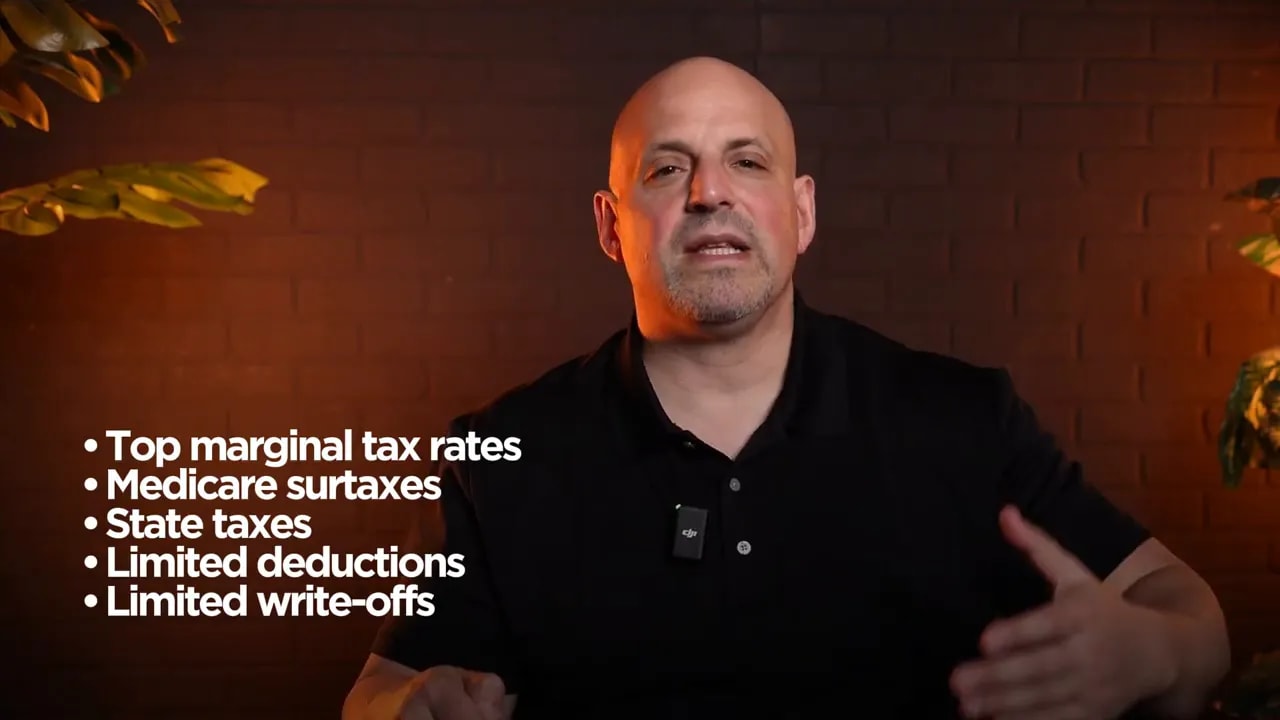
At higher income levels the tax code and withholding systems start to bite. Top marginal taxes, Medicare surcharges, state taxes, and constrained deductions mean you earn more but keep less. Beyond taxes, a W-2 income creates dependency: lose the job and the income stops. Ownership, on the other hand, creates layers of leverage—capital, depreciation, write-offs, and equity—that keep working even when you don’t.
From a Business Ownership Coach | Investor Financing Podcast standpoint, the goal for high-paid professionals isn’t to quit immediately. It’s to add ownership alongside the job so cash flow, tax strategy, and equity can grow in parallel.
Operator-light, asset-based business models to own

Photo by Sean Pollock on Unsplash
Not every business needs 80-hour weeks or your constant attention. The best businesses to own while keeping a W-2 job are asset-based, operator-light, and scale with systems and managers. These models let capital replace labor and systems replace hustle. Below are practical examples that combine predictability with high leverage.
Laundromats
Laundromats are boring by design—and that’s their strength. They generate recurring demand, provide cash flow from day one, require minimal staffing, and can be tech enabled (card payments, remote monitoring). Real estate ownership is optional but powerful: owning the building means you capture appreciation on top of operating cash flow. You don’t fold the laundry; you own the infrastructure.
Dumpster and rolloff businesses
Dumpster rentals and rolloff services are simple, asset-backed, and local. You own steel boxes, routes, and contracts. The work is executed by drivers, so management focuses on routing, customer acquisition, and equipment maintenance. These businesses are monopoly-friendly at the local level and often deliver strong margins once the route density is right.
Tree trimming, land clearing, and heavy equipment services
These fields have higher barriers to entry thanks to equipment needs and insurance requirements. That barrier creates protection and pricing power. Heavy equipment is financable and provides meaningful depreciation benefits. You own trucks, chippers, crews, and contracts with municipalities and developers. The operator manages crews; you manage expansion and margins.
Truck-based infrastructure plays
Think hydrovac, asphalt repair, parking lot striping, concrete cutting, and environmental services. These are infrastructure businesses, not lifestyle gigs. Capital investment replaces labor, scale replaces stress, and predictable municipal and commercial demand reduces volatility. With the right systems and managers, they run while you maintain your primary career.
Businesses coupled with real estate (where wealth compounds)
When a business also owns real estate, two engines generate wealth: operating cash flow and property appreciation. That combination accelerates wealth building and creates tax opportunities via depreciation and debt paydown.
Motels and boutique hospitality
Many motels are underperforming simply because of poor operations. With professional management, dynamic pricing, and modest capital improvements, occupancy and cash flow can improve dramatically. You also own the land and the building, which compounds returns over time.
RV parks
RV parks are thriving thanks to affordable travel trends and long-term stays. They require relatively low infrastructure and offer sticky customer bases. The blend of real estate and operating income makes them particularly attractive for owners looking for passive-friendly cash flow.
Self storage
Self storage is a durable asset class: low labor requirements, predictable revenue, sticky customers, and high margins. Technology and third-party management make self-storage especially operator-light. For someone balancing a W-2 career, it’s a business that can run in the background while producing reliable income.
The Triangle Method: a simple framework to tie it all together

Photo by Tierra Mallorca on Unsplash
The Triangle Method brings three forces into alignment: business cash flow, real estate ownership, and tax strategy. When all three are working for you, your paychecks start to look like optional rewards rather than the only source of security.
- Business cash flow: predictable monthly income, operational leverage, managers and systems.
- Real estate ownership: appreciation, depreciation, and debt paydown that compound net worth.
- Tax strategy: cost aggregation, write-offs, bonus depreciation, and expense acceleration that improve after-tax returns.
Most high-paid W-2 earners have none of these operating for them. Owners have all three. That is the major gap to close.
How to start owning without quitting your job

Photo by Tierra Mallorca on Unsplash
Start with a clear buy box: what industries, ticket sizes, and geographic areas make sense for your time and capital? Focus on operator-light models and businesses where managers and systems can run operations. Use financing to buy assets instead of trying to bootstrap everything. Build relationships with experienced operators, lenders, and accountants who understand depreciation and tax efficiency.
- Define your criteria: price range, required hours per week, manager availability, and cash-on-cash targets.
- Use capital wisely: leverage financing for equipment and real estate while keeping reserves for operations.
- Hire managers: your role should be owner and strategist, not day-to-day operator.
- Measure the triangle: does the opportunity deliver cash flow, offer real estate upside, and provide meaningful tax benefits?
Think of your first purchase as a gateway business. It doesn’t need to be perfect; it needs to teach you how to own.
Conclusion: Start owning more of the system

Photo by Tierra Mallorca on Unsplash
Stop chasing more income as the only solution. The smarter question is how to own more of the system that creates income. Ownership builds optionality, legacy, and freedom in ways a W-2 paycheck never will. A practical, asset-based approach lets you keep your high-paying job while building an ownership engine alongside it.
Business Ownership Coach | Investor Financing Podcast advice: pick an operator-light business, lock in systems and managers, use real estate when it makes sense, and prioritize tax-aware structuring. Income is temporary. Ownership endures.