
Business Ownership Coach | Investor Financing Podcast readers who are tired of the corporate grind and curious about buying a franchise will find a compelling low-cost, high-repeat-revenue model in routine home maintenance. Kura Home Maintenance packages chores most homeowners avoid and pairs them with add-on services like air duct cleaning. The result: a predictable, scalable business you can run without being the tech on the van.
Why routine home maintenance matters
Deferred maintenance is a silent value killer for property owners and an often invisible health risk. Dirty air ducts, neglected dryer vents, dead smoke alarm batteries, and grimy refrigerator coils are small problems that compound into big headaches at resale or after a home inspection. Routine visits that check roughly 32 small but important services keep systems running, improve indoor air quality, and protect home value.
That’s the practical bet behind this franchise concept: build recurring revenue by becoming the trusted caretaker for those chores most people never get around to doing.
What Kura offers: services and packages
Kura splits offerings into two clear buckets: a quarterly routine maintenance visit and specialty services like air duct cleaning and dryer vent cleaning. The routine visit typically includes filter changes, smoke alarm checks, refrigerator coil cleaning, AC exterior checks, and small preventive items that amount to peace of mind for homeowners.
Packages are tiered to fit a townhome all the way to multi-million-dollar estates, so franchisees can serve a wide spectrum of clients. Average numbers to keep in mind: the typical recurring client signed in 2021 for about $325 per quarter, and an air duct service often triggers immediate demand when homeowners realize how much debris comes from their vents.
Franchise model and startup costs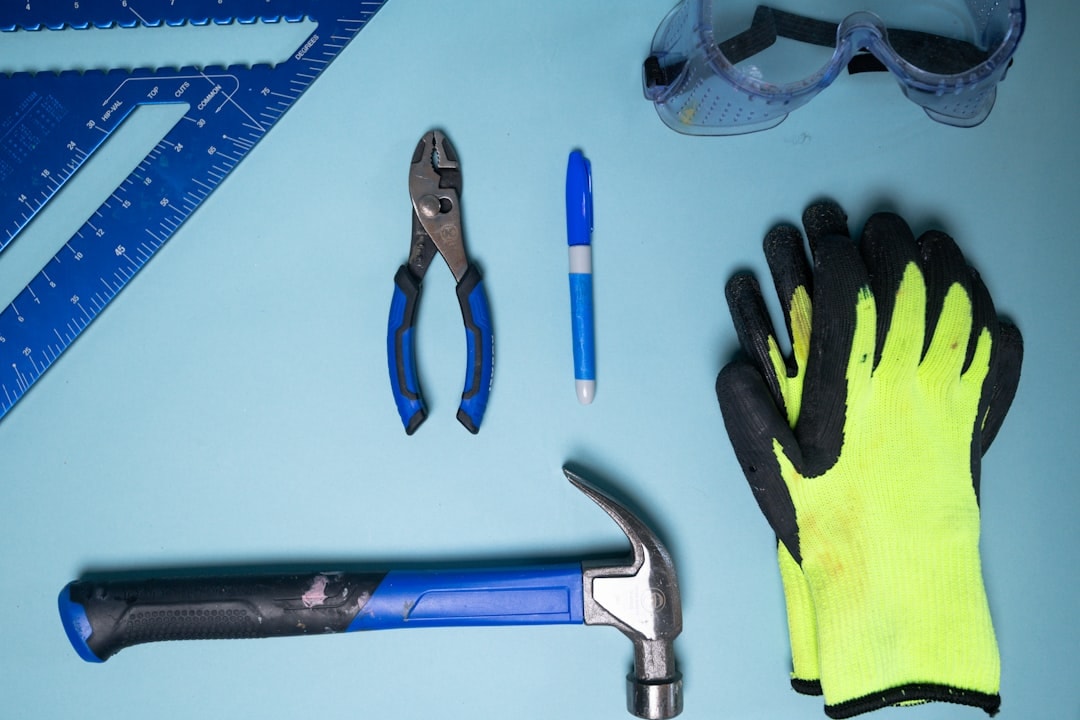
Photo by Masjid Pogung Dalangan on Unsplash
The franchise route emphasizes local owners with skin in the game rather than corporate-run territories. Kura launched its first service in 2016 and expanded into multiple markets via owner-operators — a structure that scales better for routine, local service.
Upfront costs are straightforward and relatively low compared with many franchises: a $45,000 franchise fee, roughly $7,000 of equipment to do both routine and duct work, plus a service vehicle. All-in to start servicing your first customers typically sits around $60,000–$65,000, with vans commonly easy to finance.
Training is compact: 10–14 days of hands-on onboarding gets a new technician or owner ready for the first customer. Launch marketing support is part of the package — a roughly $3,500 boost in the first 30 days to build brand awareness locally and start scheduling jobs during training.
Operations: staffing, training, and territories
You can start with a single technician working part-time or full-time and scale by adding more vans and staff as demand grows. One-person crews are common; many routine visits can be completed four to five times per day while air duct work reduces appointment volume but increases average ticket size.
Territories are awarded based on population blocks — typically around 250,000 people per territory — and can be defined by zip codes or geographic landmarks. Multi-unit buyers can acquire neighboring territories to dominate a metro area.
Support does not stop after the initial training. Franchisees receive detailed manuals, scripts, and hiring templates. Corporate-run training sessions take place at the home office so franchisees can bring technicians and office staff for standardized onboarding.
Marketing, growth, and one-year outlook

Photo by Matthew Moloney on Unsplash
Kura leans heavily into social media and influencer marketing because those formats create fast, emotional responses — especially when you show the “before and after” of dirty air ducts. For routine maintenance, growth behaves like a snowball: once you capture customers with an initial walkthrough, retention drives predictable recurring revenue.
Realistic one-year expectations for a disciplined operator: two crews booked out four to five days a week and preparing to add a third vehicle. A useful operations metric shared by the franchisor: the average van does about $966 of work per day, which helps you model revenue scenarios and staffing needs.
Hiring, culture, and ongoing support

Photo by Matthew Moloney on Unsplash
Hiring for a routine maintenance business favors attitude and cultural fit over years of trade experience. The company trains technicians on simple, process-driven tasks. What matters most is customer service, reliability, and fitting into a culture that expects one thoughtful extra action per call, whether it is sweeping a garage or carrying in a heavy item.
Franchisees get hiring scripts, interview questions, and a 60-page manual for client care. Options exist for answering services, centralized scheduling, or using the franchisor’s phone support if desired. This flexibility keeps overhead low while ensuring a consistent customer experience.
Due diligence and next steps
Franchise buying follows the standard playbook: study the Franchise Disclosure Document, ask for validations from existing owners, and run financials with your CPA. Because this model avoids heavy brick-and-mortar costs, the financial risk profile is lower and the upside lies in recurring revenue and the ability to add crews predictably.
If you want to investigate further, research franchise disclosure details, call existing operators, and model your town’s population and service economics. A measured approach will show whether you can reach the two-crews-in-a-year target and the retention-driven cashflow behind it.

Habits of a founder you can learn from
Behind the operations are practical founder habits worth borrowing: daily learning through audiobooks, regular exercise for discipline, and working with a business coach to stay accountable. Those routines matter when you’re scaling a service business that depends on steady execution and culture.
Is this a fit for you?
If you’re attracted to recurring revenue, low startup capital compared with traditional franchises, and the chance to own a business without needing expert trade skills, this model is worth evaluating. It’s especially suitable for professionals looking to move from corporate life into business ownership or for retirees and veterans seeking a structured and scalable operation.
For anyone serious about taking the next step, plan to review the FDD carefully, speak with current franchisees, and build a 12-month operating plan that targets two crews and a growing client base. With disciplined execution, the numbers are predictable and the path to add vehicles every few months is clear.
Learn more at curahome.com and use the same practical due-diligence approach you’d use for any franchise. This type of business blends real estate sensibility and service scalability in a way that makes it attractive to investors and operators alike.