
Business Ownership Coach | Investor Financing Podcast isn’t a slogan — it’s a decision filter. When the goal is replacing a paycheck quickly, the difference between owning rentals and owning an operating business matters more than most people admit. Rentals are powerful for building net worth over years. A cash flowing business replaces your income from day one. Understanding which tool solves which problem is the fastest way to freedom.
The core distinction: income now versus wealth later

Photo by dlxmedia.hu on Unsplash
People talk about passive income and financial freedom as if all assets are interchangeable. They are not. Rentals accumulate equity and appreciation over time. They are a reliable path to long-term wealth. But they are rarely a quick source of consistent, predictable monthly income that replaces a paycheck.
Contrast that with a properly acquired, well-run business: one location or operation can generate the exact monthly cash flow you need. That’s why the Business Ownership Coach | Investor Financing Podcast framework emphasizes matching the tool to the objective — cash today or net worth tomorrow.
Why rentals are slow to replace paychecks

Photo by Centre for Ageing Better on Unsplash
Here’s a blunt reality: if you need $10,000 per month from rentals, you’re not buying one property. You’re buying ten. That math includes:
- Cash flow per property — Most single-family or small multifamily units deliver modest monthly cash flow after mortgage, taxes, insurance, and maintenance.
- Leverage and financing limits — Getting mortgages for many properties takes time, capital, and acceptable debt-service ratios.
- Time and operations — Managing multiple units means tenant turnover, repairs, vacancies, and compliance hassles.
Because of those constraints, building the rental portfolio that replaces a full-time income commonly takes years, even decades, unless you have exceptional starting capital or leverage. That’s fine when your objective is wealth accumulation. It’s a poor fit when your objective is immediate freedom.
The right decision rule is simple: if your priority is replacing a paycheck within months, rentals are usually the wrong tool.
Why a single business can replace your paycheck from day one

Photo by Centre for Ageing Better on Unsplash
A business converts customers into recurring revenue right away. When you buy or build an operation that already has customers, systems, and staff in place, the cash flow starts immediately. Key advantages:
- Immediate cash flow — Customers pay now, not decades from now.
- Scale by operations — You can increase revenue by improving systems, pricing, or marketing without needing ten discrete asset purchases.
- Value creation — Businesses increase value through profits, repeatable processes, and brand, often making them easier to sell or finance than a bundle of small rental units.
This is not to say businesses are easier. They require operations, staff, and management. They also come with different risks. But if your definition of freedom is replacing your paycheck quickly, a business outpaces rentals almost every time. That is the operating principle behind Business Ownership Coach | Investor Financing Podcast advice: use the right tool for the job.
Choosing the right path: decision criteria
Use a simple framework to decide between rentals and a business:
- Goal: Is your priority income now or net worth later?
- Timeline: How quickly do you need to replace your paycheck?
- Skills: Do you prefer property management and passive scaling or managing people, processes, and client services?
- Capital: Do you have capital to buy many properties, or would a single acquisition with financing and working capital make more sense?
- Risk tolerance: Are you comfortable with tenant risk and illiquidity, or do you want an asset that can be sold as a going concern?
Answering those five questions will point you toward the right strategy. If you want to be free of employment income within months, lean toward an income-producing business. If you want to compound wealth over decades, rentals are a strong choice. Either option can work — but they solve different problems.

How to buy the right business and fund it
Buying the right business is not random. Follow this checklist:
- Look for cash flow — Prioritize businesses that produce reliable monthly profit, not just potential upside.
- Validate earnings — Review P&L statements, tax returns, and customer lists. Confirm revenue is repeatable.
- Understand operations — Know the staffing model, key vendors, and systems that deliver the product or service.
- Structure financing — Use seller financing, SBA loans, or commercial mortgages where appropriate to preserve capital and align interests.
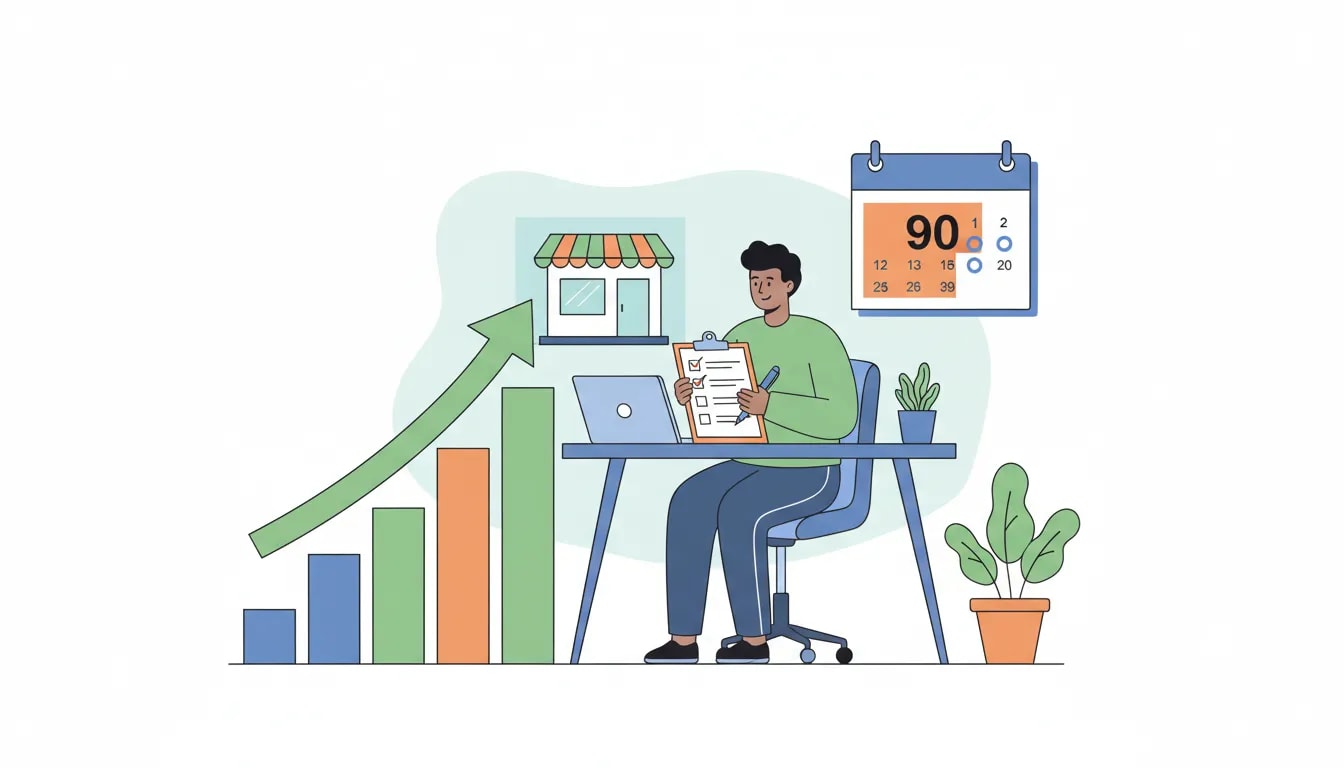
- Plan for transition — Prepare for owner handoff, training, and a 90-day stabilization plan to protect cash flow.
Those steps are the practical backbone of the Business Ownership Coach | Investor Financing Podcast approach. Filling any one of these gaps increases risk; getting all of them right increases the odds you’ll replace a paycheck — and keep it replaced.
Practical next steps to create momentum
If you want to accelerate replacing your income, start here:
- Decide whether your priority is immediate cash flow or long-term wealth.
- If immediate cash flow wins, list industries you understand or where you can hire great operators.
- Search for businesses with 12+ months of consistent profit and ask for verified financials.
- Plan financing using a mix of savings, loans, and seller financing.
- Create a 90-day operational plan to lock in revenue and smooth the ownership transition.
Apply these steps and the decision framework consistently. Keep the focus: rentals build net worth. Businesses replace paychecks. Confusing the two wastes time and capital. Align the tool to the problem and you’ll make progress exponentially faster.
If you want tailored guidance to find and fund an income-producing business, exploring options with an experienced coach can shorten the timeline and reduce mistakes. The right structure and financing turn a promising opportunity into predictable monthly income.