
Business Ownership Coach | Investor Financing Podcast is a call to action more than a tagline this year: 2026 presents a rare alignment of market conditions that make buying an existing, cash-flowing business a practical and catalytic move for ambitious owners and investors.
Why 2026 is a particularly good year to buy

Photo by Giorgio Tomassetti on Unsplash
There are two forces coming together right now. First, interest rates are trending down. Not back to zero, but down enough to be what bankers call “dealmaking money” — rates that make buyouts and acquisitions financially sensible again. Second, an entire generation of owners — many baby boomers — are stepping away from day-to-day operations. They are burned out. They want liquidity and a clean exit.
That combination creates supply and affordability. Sellers who once held tight to their companies are beginning to quietly list high-quality, profitable businesses. These are not early-stage startups or hobby side hustles. We are talking about established operations with real revenue, repeat customers, and systems in place.
Why buying an existing business beats building from scratch
Starting a company is exciting, but it carries start-up risk: finding product market fit, building customer acquisition, and surviving the first years. Acquiring a business shifts the risk profile. You inherit cash flow, processes, trained staff, and often a base of recurring customers.
When you buy a business you buy systems and time. Systems reduce the friction of ownership. Time lets you apply strategic improvements sooner, scale proven offerings, or inject capital where it accelerates growth. For anyone who values predictability and a faster path to profit, acquisition is the superior lever.
The leverage play most people miss: SBA 7(a)

Photo by Amina Atar on Unsplash
Here is the practical advantage that unlocks deals: the SBA 7(a) loan program. It lets qualified buyers finance the majority of the purchase price with relatively small down payments compared to conventional financing. In many transactions you can come in with as little as 10 percent down, depending on the deal structure and the business’s revenue profile.
SBA 7(a) is not free money. It requires documentation, a reasonable debt service coverage ratio, and typically a personal guarantee. But for people who qualify, it turns the acquisition of a small or mid-size company into a levered investment with predictable payments rather than a personal savings drain.
What kinds of businesses to target
Look for businesses with these characteristics:
- Consistent cash flow — steady revenue and healthy gross margins.
- Defendable customer base — repeat customers, subscriptions, or long-term contracts.
- Documented systems — operations manuals, staff trained in repeatable processes.
- Reasonable owner dependence — ideally the business can continue while the owner transitions out.
- Room to improve — opportunities to add marketing, raise prices, or expand services.
These are the types of businesses that underwrite well for SBA lenders and can be acquired with a plan to preserve or increase cash flow.
How to evaluate a target quickly and sensibly

Photo by Amina Atar on Unsplash
When you find a target, move through a focused, repeatable diligence process:
- Review three years of financials to verify revenue and profit trends.
- Look at customer concentration — high risk if a few clients represent most revenue.
- Assess the quality of staff and whether key employees will stay after closing.
- Validate contracts, leases, and any vendor agreements.
- Model deal economics with conservative assumptions to test debt service coverage.
A quick, disciplined checklist beats long-winded gut checks. It lets you compare multiple opportunities and spot the deals that are truly buyable.
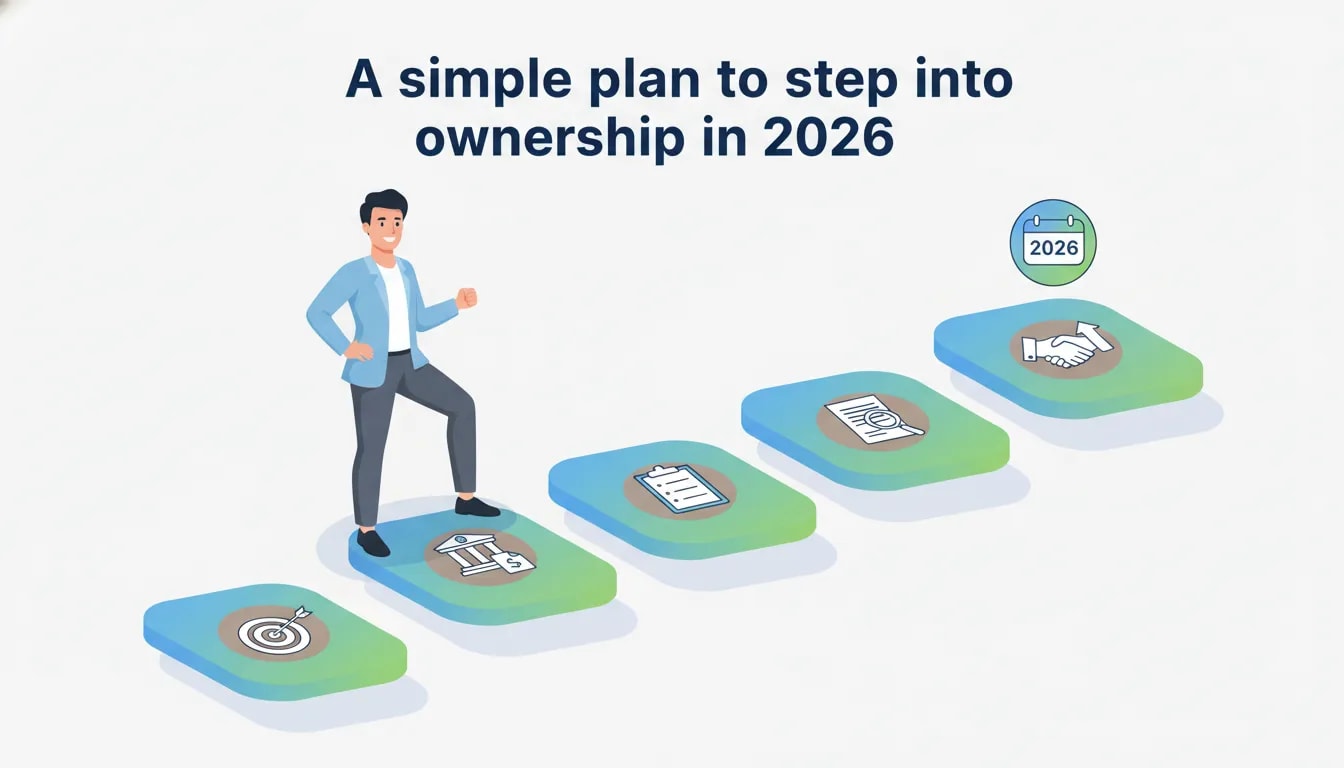
A simple plan to step into ownership in 2026
Here is a straightforward plan you can follow:
- Define your target — industry, revenue band, geography, and appetite for hands-on work.
- Get pre-approved — talk to lenders who understand SBA 7(a) so you know your buying power.
- Build a short list — use brokers, networks, and direct outreach to find owners looking to sell.
- Run disciplined diligence — validate financials and systems quickly.
- Close and improve — focus on operational wins that protect and grow cash flow.
This plan prioritizes speed, leverage, and operational upside. It treats ownership as a transition into a system-run business where your improvements compound value.
Common myths and why they are wrong
Myth: “You need huge cash reserves to buy a business.”
Reality: With SBA 7(a) and smart structuring, down payments can be a small portion of the purchase price — sometimes as low as 10 percent by revenue — especially when the business has stable cash flow.
Myth: “Acquisitions are only for private equity.”
Reality: Many Main Street businesses are sized perfectly for individual buyers or small investor teams. You don’t need to be a PE firm to leverage financing and take ownership.
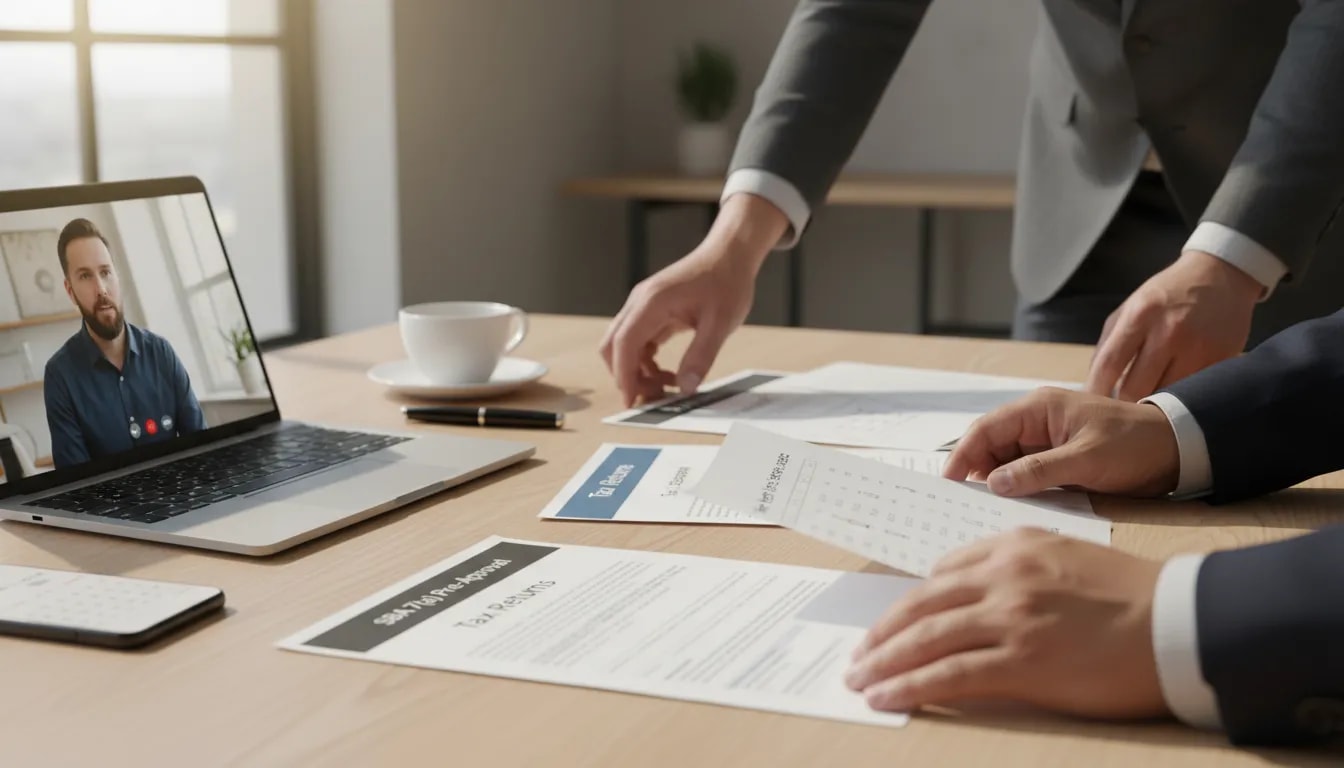
Next steps if you’re serious
If you want to act in 2026, get two things in place now:
- Financial readiness — organize personal statements, tax returns, and any investor commitments.
- Advisor network — engage a broker, an SBA-savvy lender, and an attorney experienced in asset and stock purchases.
Having those pieces ready will turn opportunities into closings. The window won’t stay open forever, and the best deals move fast.
Closing thoughts
2026 isn’t about waiting for perfect conditions. It is about stepping into ownership while rates ease and boomer-owned businesses quietly hit the market.
Business Ownership Coach | Investor Financing Podcast is a framework for action: identify a buyable business, leverage SBA 7(a) where possible, and use systems to capture immediate upside. If you prepare now, you can convert market tailwinds into lasting cash flow and ownership.
Business Ownership Coach | Investor Financing Podcast can help you find, evaluate, and fund the right opportunity. Take the practical steps above and surround yourself with advisors who understand both businesses and SBA lending.