
Business Ownership Coach | Investor Financing Podcast — this practical roadmap explains how everyday professionals use SBA financing to acquire cash‑flowing businesses, often with a surprisingly small outlay. The focus is clarity over hype: pick the right vehicle, match financing to risk, and sequence your moves so one smart deal becomes the springboard to the next.
Why 2026 Is a Rare Window for Buyers

Photo by Elle inlom on Unsplash
Demographics and capital markets have created a unique buying environment. Baby boomer owners are increasingly ready to sell, and SBA programs remain available to underwrite acquisitions with long amortizations and low down payments. At the same time, demand for home services and B2B contracting is rising because people are staying in their homes longer and businesses still need reliable partners.
Being prepared matters more than timing. Prepare by understanding how financing works, positioning yourself as a bankable buyer, and building the relationships that let you act fast when an attractive opportunity appears.
The Buy Box Framework: Eliminate Bad Deals Fast
Decide what matters before you start searching. The simplest, most effective filter is a buy box built around four practical dimensions:
- Time — how involved do you want to be (owner‑operator vs manager‑led vs semi‑absentee)?
- Capital — how much cash can you reasonably deploy and what other leverage do you have?
- Skills — which activities match your strengths: sales, operations, finance, or systems building?
- Income and lifestyle — your target income floor, growth appetite, and stress tolerance.
When these boxes align you can make faster decisions, lower risk, and design financing that supports growth. A precise buy box beats endless browsing and emotional guesses every time.
SBA Financing Demystified: What It Is and How It’s Used
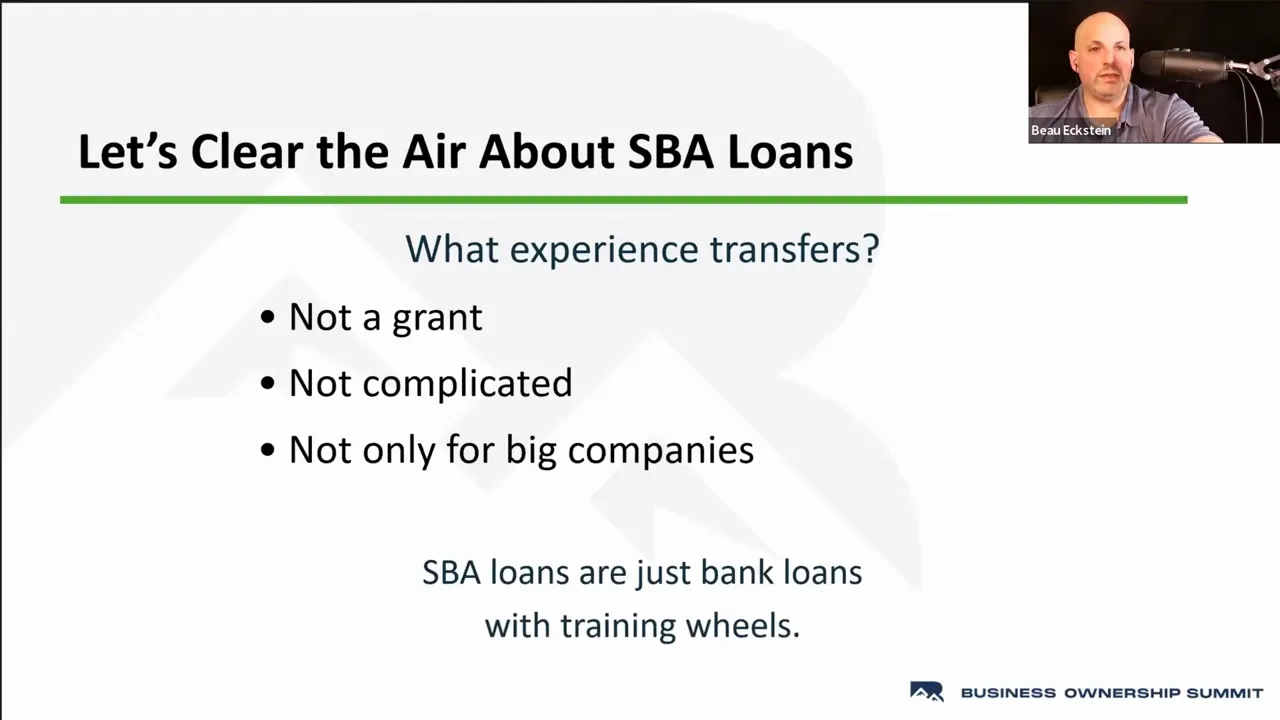
SBA loans are bank loans guaranteed in part by the federal government. The workhorse 7(a) program commonly funds business acquisitions, franchise startups, equipment, working capital and owner‑occupied real estate. Typical structures include:
- Up to $5 million (often 10–20% down) and repayment terms up to 10 years for acquisitions and 25 years for real estate.
- Financing stack: buyer equity, SBA loan, seller note, and occasionally investor capital.
- Underwriting focus: cash flow (DSCR), owner character and experience, and adequate working capital.
Common myths to dismiss: SBA is not a grant, credit matters but preparation matters more, and collateral requirements vary (loans under roughly $350k typically need less additional collateral).
Business Models That Win in 2026: Where to Focus

Photo by Vitaly Gariev on Unsplash
Look for models with these traits:
- Recession resistance — essential services like HVAC, plumbing, drain cleaning and restoration.
- Recurring revenue — pest control, maintenance contracts, commercial landscaping.
- Simple operations or subcontractor models — scalable staffing without heavy payroll overhead.
- B2B focus — predictable contract work, less retail‑drama, higher margins.
- Home based starts — start with a van and technician(s) and scale territory by territory.
Franchise startups and resales both have a place. Startups let builders tailor a territory and avoid legacy issues; resales can deliver day‑one revenue when the unit economics check out. Banks like proof: cash flow from historical returns beats speculative projections.
Gateway Businesses You Can Own for ~ $30,000 Using SBA
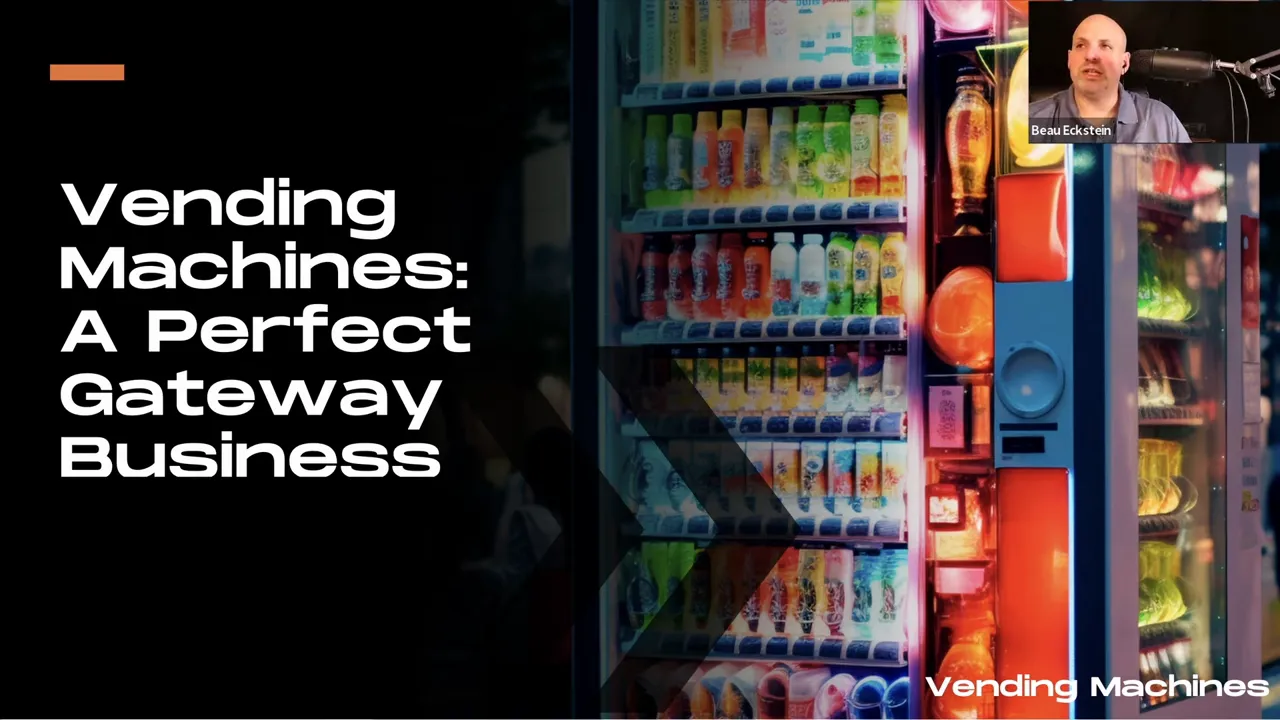
Not every first business must be the endgame. Gateway businesses accomplish three goals: produce near‑term cash flow, build operator experience, and make you bankable.
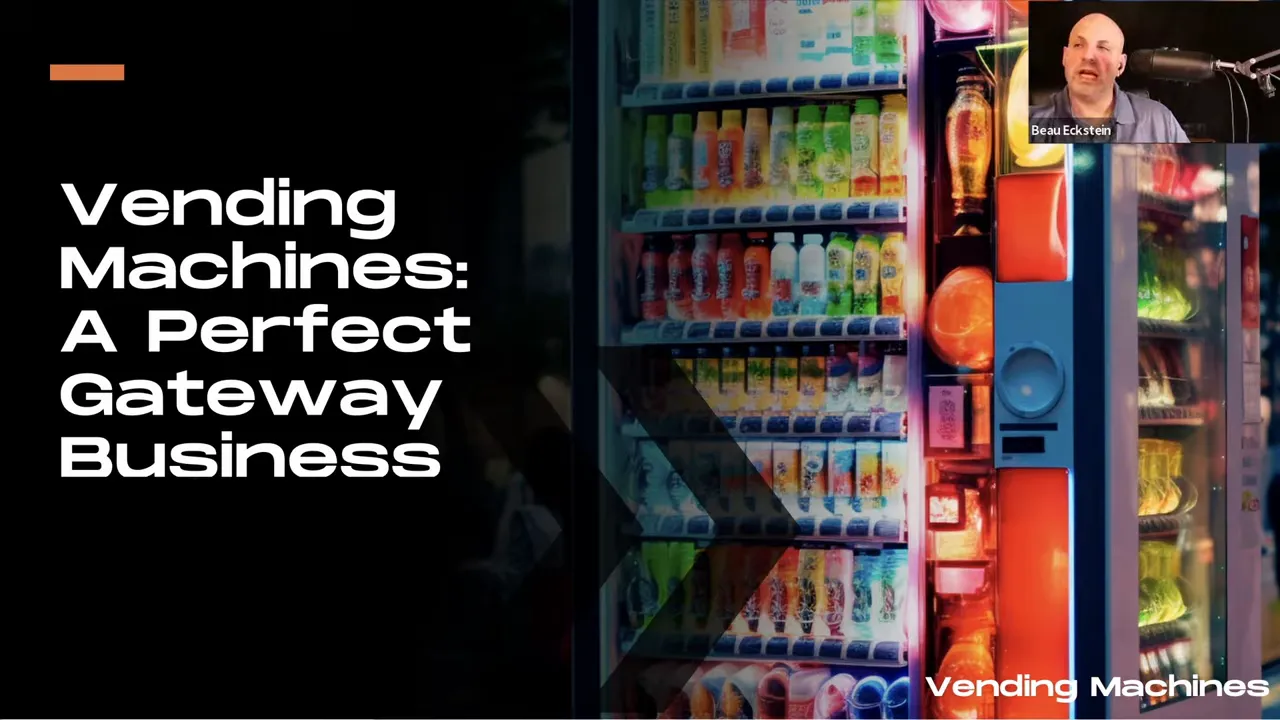
- Vending / smart coolers: low weekly effort per machine, strong tax depreciation, can be financed with high leverage.
- Commercial painting (subcontractor model): low overhead, scalable with sales and ops hires, often SBA eligible.
- Tile and grout restoration: home based, great margins, low licensing burden.
- Window tint and graphics: peel‑and‑stick services with $1,500–$3,000 average tickets and repeat contracts.
These types of businesses can often be acquired or launched with SBA financing and a modest equity injection—frequently in the low tens of thousands rather than hundreds of thousands.
Sequence for Momentum: One Smart Deal → Bigger Opportunity
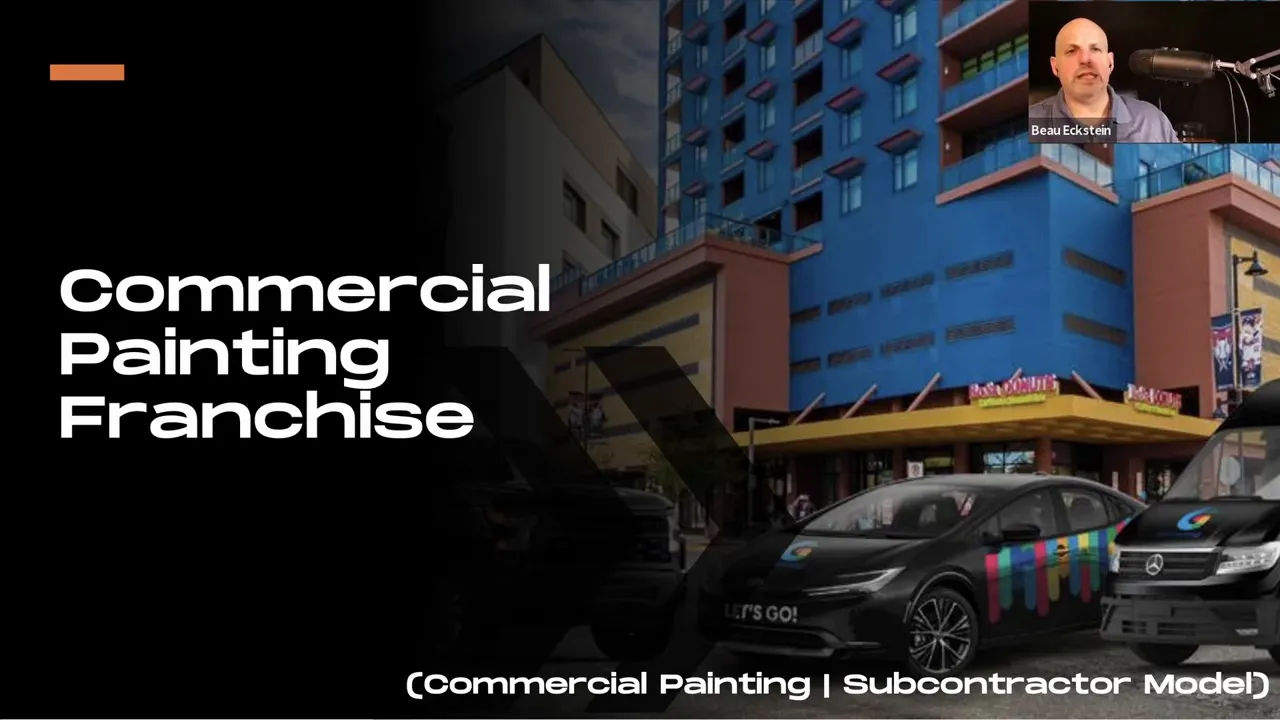
Sequencing beats perfection. A common, repeatable path:
- Start with a gateway business that produces steady cash flow and tax advantages (for example, vending machines).
- Use the operating history to build personal cash flow, refine systems, and gain lender confidence.
- Move to a higher‑upside acquisition (for example, a commercial painting franchise) funded with a higher leverage stack because you now have a proven track record.
Result: a portfolio effect—total out‑of‑pocket across two deals can remain modest while long‑term earnings and enterprise value scale rapidly.
“The real risk is staying stuck.”
Practical Next Steps: A Simple Checklist
Move from thinking to momentum by following a short, disciplined checklist:
- Define your buy box — time, capital, skills, income target.
- Get basic documents in order — three years of personal tax returns, current pay stubs/W2s, and a form‑style financial snapshot.
- Assess financing options — identify SBA friendly lenders and how seller notes or partners could bridge equity gaps.
- Start small, plan big — pick a gateway business that builds skills and credibility.
- Sequence your moves — use one successful acquisition to unlock the next.
Preparation beats perfection. Work the process, keep cash reserves, and avoid financing a deal with your last dollar. The goal is leverage and optionality—not unnecessary risk.
When you treat SBA financing as a toolkit rather than a magic shortcut, it becomes one of the most powerful vehicles for replacing a W‑2 and building lasting wealth. Thoughtful sequencing, a tight buy box, and careful capital planning are the practical levers you can pull today.
Ready to get practical? Use a clear buy box, pick a gateway vehicle, and design a financing stack that preserves your runway. Momentum follows action: one smart deal often makes the second one possible.