
As a Business Ownership Coach | Investor Financing Podcast host, I want to lay out a clear, practical case for why franchise resales deserve more attention from aspiring buyers and investors. If your goal is cash flow sooner, less ramp-up risk, and a path to semi-absentee ownership, resales often check more boxes than starting from scratch.
Why now: a growing inventory of motivated sellers
Between 2020 and 2022, a wave of franchise purchases happened under favorable conditions: low interest rates, high optimism, and many people eager to be their own boss. That sentiment produced a cohort of owners who are now 3 to 5 years into ownership — the most common window for exits. Add inflation pressures, labor headaches, and owner burnout, and you have a market about to release a lot of inventory.
Many of these owners are in their late 50s, 60s, and even 70s. They face the reality of handing a unit off to a family member who does not want it or simply wanting a cleaner exit. That combination of timing and motivation creates an unusually robust pipeline of franchise resales over the next 24 to 36 months.
Why lenders favor resales over startups
From an underwriting perspective, a resale is fundamentally different from a greenfield startup. Resales come with revenue history, employees, customers, and operational track records. Those elements make it easier for lenders — particularly Small Business Administration lenders — to underwrite the deal.
Typical financing scenarios for well-qualified buyers include:
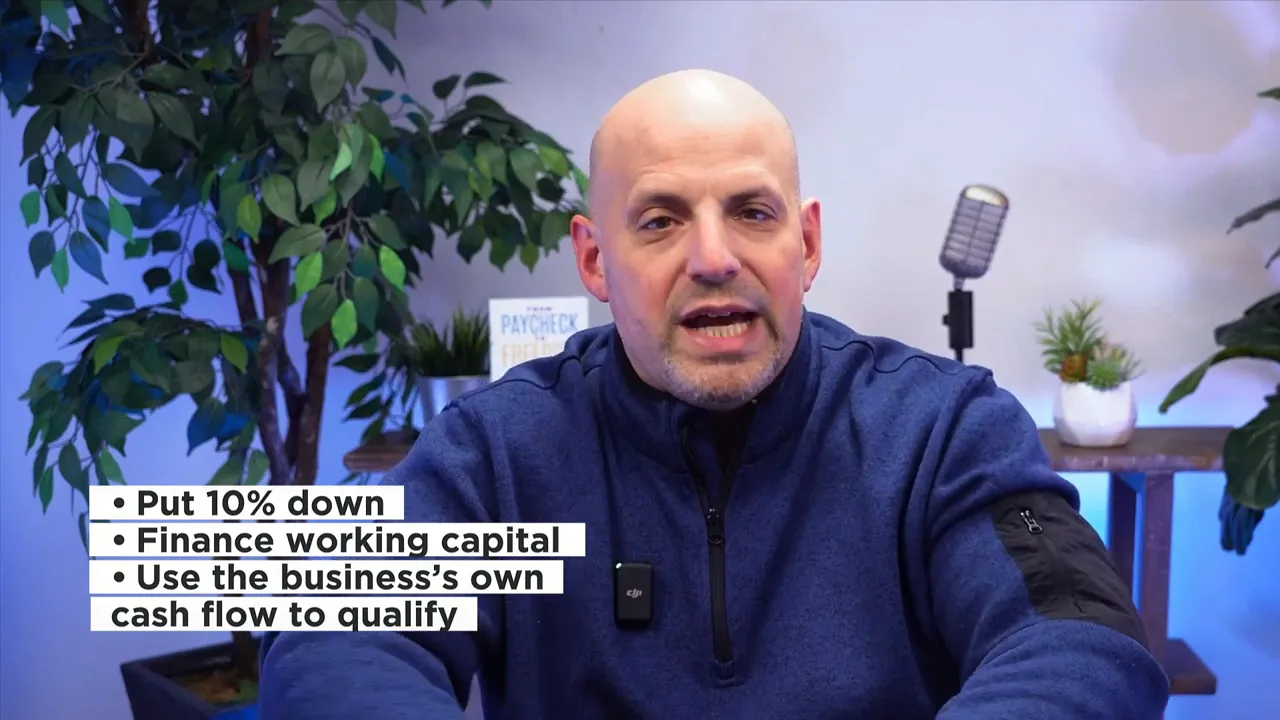
- Low down payment options (often around 10%)
- SBA loans that use the business cash flow to support qualification
- Financing for working capital included in the package
Financing that leans on existing cash flow greatly reduces risk and speeds up the path to positive personal cash flow for the buyer.
Motivated sellers create better deal terms
Many sellers right now are tired rather than greedy. They want a clean exit and are open to pragmatic deal structures. That creates opportunities for buyers to negotiate terms that matter beyond just price:
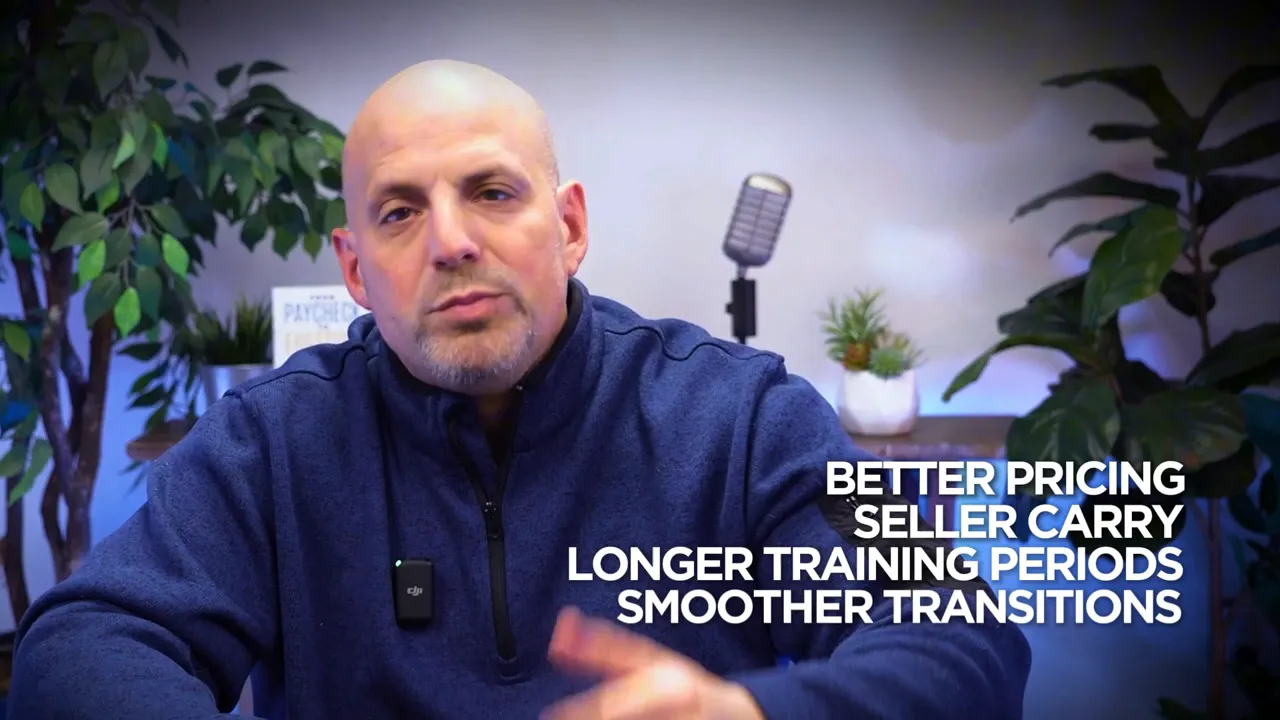
- Seller carry or owner financing for part of the purchase price
- Longer training and transition periods to ensure a smooth handoff
- Realistic pricing that reflects the owner’s desire to move on
These concessions reduce transfer risk and create immediate operational stability after acquisition. For a buyer, that means less firefighting and more time to implement growth strategies.
Under-managed, not broken: where operational upside lives
Here is the part that consistently excites me: most resale franchise units are not broken businesses. They are often under-managed. Common gaps include weak marketing systems, no CRM, absent pricing strategy, and owners who still handle day-to-day operational work.
A buyer with modern tools and a systems mindset can flip the economics without changing the brand or territory. Practical improvements that drive outsized returns include:
- Implementing a repeatable marketing funnel and tracking leads
- Bringing in a CRM to retain customers and increase lifetime value
- Creating a management layer so the owner is not the bottleneck
- Testing pricing and upsell strategies to boost average ticket
The same franchise, run differently, can produce a completely different outcome.
Why franchisors often prefer resale buyers
Franchisors care about brand protection and long-term stability. Replacing a fatigued operator with a capable, financially stable buyer is a win for them. That preference can translate into:
- Smoother onboarding and local support
- Better cooperation on territory issues
- Relatively faster approvals when the buyer presents a credible plan
Those soft advantages make resales attractive not only to buyers and lenders but also to the franchisors themselves.
Who should be looking at franchise resales
Resales are especially well suited to professionals who are financially qualified and want to convert savings and earnings into ongoing cash flow without inventing a business from scratch. Typical candidates include tech professionals, healthcare workers, and corporate leaders who are burned out but ready for a new kind of ownership.
Key buyer profiles that perform well:
- Semi-absentee owners who can hire a manager and oversee metrics
- Operators who enjoy hands-on growth and systems implementation
- Investors seeking predictable cash flow with upside potential
How to evaluate and finance a resale
Start with diligence on three fronts: financials, operations, and market opportunity. Look for consistent revenue history, payroll and tax records, customer retention data, and any franchise-level metrics you can obtain. Operationally, ask how many hours the current owner works, what systems exist, and where the bottlenecks are.
On the financing side, an SBA-savvy approach usually provides the best leverage. Typical steps include:
- Confirm historical cash flow and normalize owner compensation
- Work with an SBA lender early to determine eligibility and structure
- Negotiate seller carry to reduce immediate capital needs
- Factor in working capital requirements for initial months
With the right underwriting, many buyers can close with about 10% down and use the business’s cash flow to support loan qualification.
Long-term returns in a resale come from solid operations and steady margin expansion. The acquisition is just step one; systems and disciplined execution are where wealth is created.
As a Business Ownership Coach | Investor Financing Podcast guide, I encourage serious buyers to treat resales as a strategic asset class — not a consolation prize. The mix of financing, motivated sellers, and operational upside creates a window of opportunity that may not last forever.
If you want help assessing available resales, what qualifies for SBA financing, and where the real upside lies, reach out for a formal assessment. As a Business Ownership Coach | Investor Financing Podcast resource, I provide hands-on guidance to structure offers, navigate lenders, and plan the first 90 days after close.
For buyers who want faster cash flow with less startup risk, franchise resales represent one of the best opportunities in recent memory. Treat the opportunity with rigor, focus on systems, and the results can be transformative.
Signed, your Business Ownership Coach | Investor Financing Podcast