

Photo by The New York Public Library on Unsplash
Business Ownership Coach | Investor Financing Podcast is built around a simple truth: the most reliable wealth is often created in industries people call boring. Exterior remodeling — windows, doors, roofing, siding, gutters — is one of those industries. It is driven by mandatory demand, high ticket sizes, and repeat customers. If you want a scalable, recession-resistant business that rewards execution over flash, this category deserves a serious look.

Why boring businesses beat flashy ones
Boring businesses win because their demand is mandatory, not discretionary. A SaaS app or crypto play needs attention, adoption, and a favorable algorithm to thrive. Exterior remodeling needs only one thing: something that is broken or aging that a homeowner must fix.
Mandatory demand converts into predictable cash flow. When roofs leak, windows fail, or siding rots, homeowners pay to repair or replace. That automatic need makes customer acquisition easier to model and margins easier to protect compared with trend-driven businesses.
- Predictability: Aging housing stock creates constant demand.
- High ticket size: One sale can fund operations and marketing for weeks.
- Recession resistance: People fix what they own long before they sell.
Housing market reality: Why homeowners are choosing to upgrade
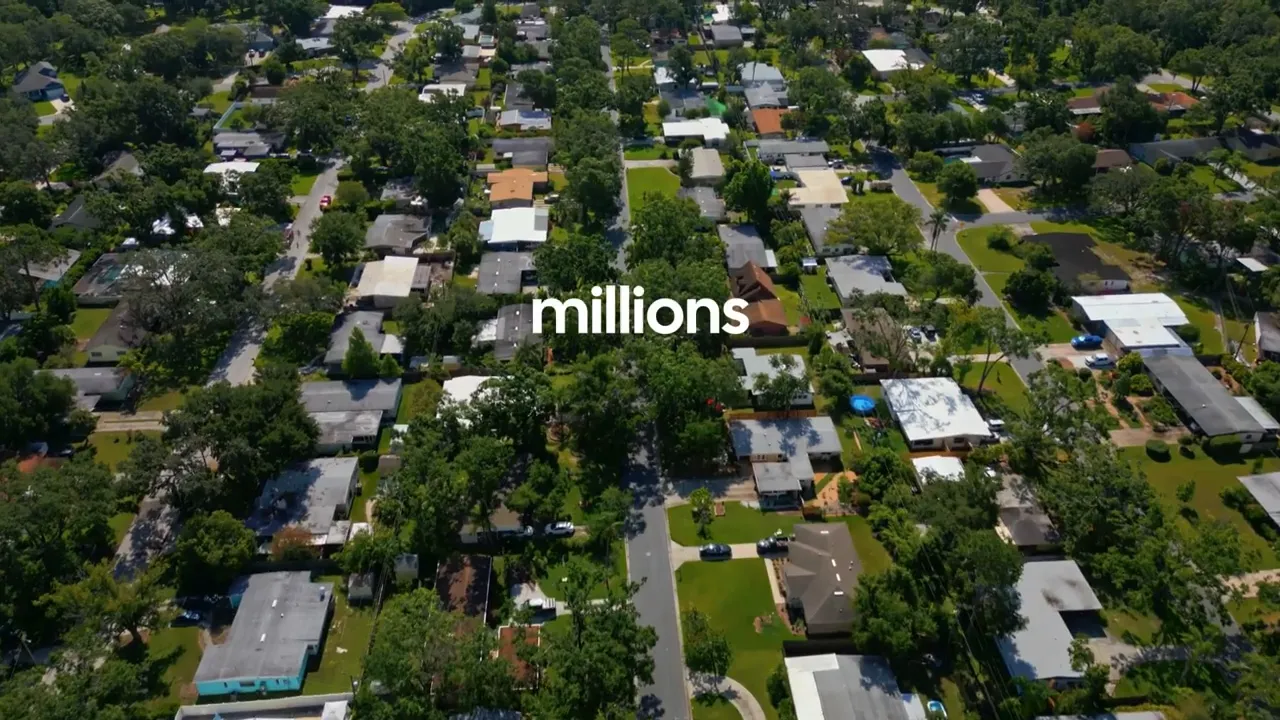
Mortgage rates and the age of the housing stock are two forces working in the remodeler’s favor. Homeowners locked into low-rate mortgages are far more likely to renovate than to list and move. That behavior drives billions in renovation spending every year.
Layer on regulatory and economic pressures — energy efficiency standards, rising utility bills, insurance rules, local building codes, and extreme-weather cycles — and you get recurring, non-discretionary drivers for exterior work. None of this depends on social media trends; it’s structural.
That structural demand makes exterior remodeling a long-term business, not a temporary opportunity. Investors are attracted to this category because they are betting on reality: things age and owners pay to fix them.

The sales-operator model: You don’t need to be the contractor
Contrary to instinct, the best owners in exterior remodeling are rarely the construction experts. They are sales operators. Your job as an owner is to build and run a local sales engine, not to swing a hammer.
Core owner responsibilities:
- Generate leads and optimize marketing channels.
- Close deals and protect average ticket size.
- Manage reputation, reviews, and local brand equity.
- Oversee a coordinator and keep installers scheduled.
- Protect margins and ensure customer satisfaction.
Installation is typically handled by trained crews or vetted subcontractors. Vendor relationships and brand systems reduce the need for technical expertise. The profit levers are lead generation cost, close rate, average ticket, and operational efficiency — metrics a sales-driven owner can master.
Diversification that stabilizes cash flow
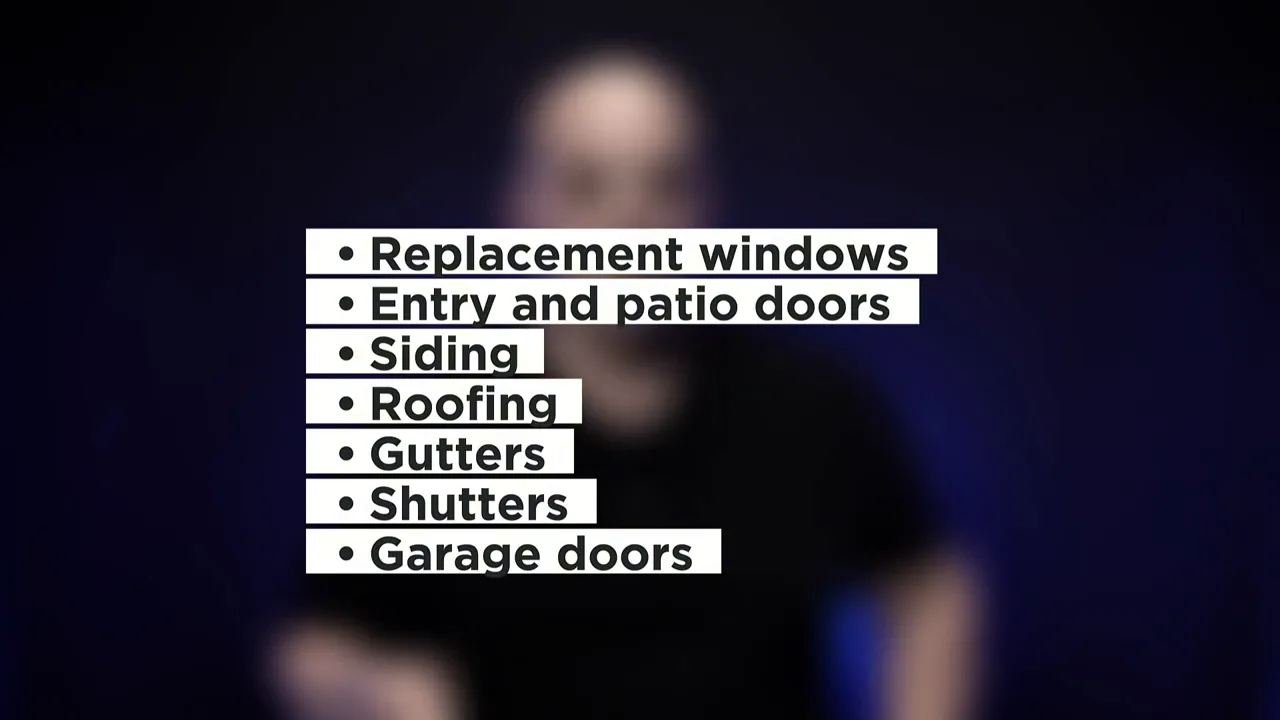
Most exterior remodeling businesses offer multiple services: replacement windows, entry and patio doors, siding, roofing, gutters, shutters, and garage doors. That service mix is a built-in hedge against seasonality and market swings.
Examples of how diversification helps:
- If roofing slows seasonally, windows or doors can carry the quarter.
- Storms create insurance-driven roofing demand that spikes queue capacity and revenue.
- Customers who buy once are likely to buy again — windows now, roof or siding later.
This creates a recurring pipeline without recurring monthly contracts. You build long-term asset value through repeat business and cross-sell opportunities.
How to evaluate an exterior remodeling opportunity (franchise checklist)
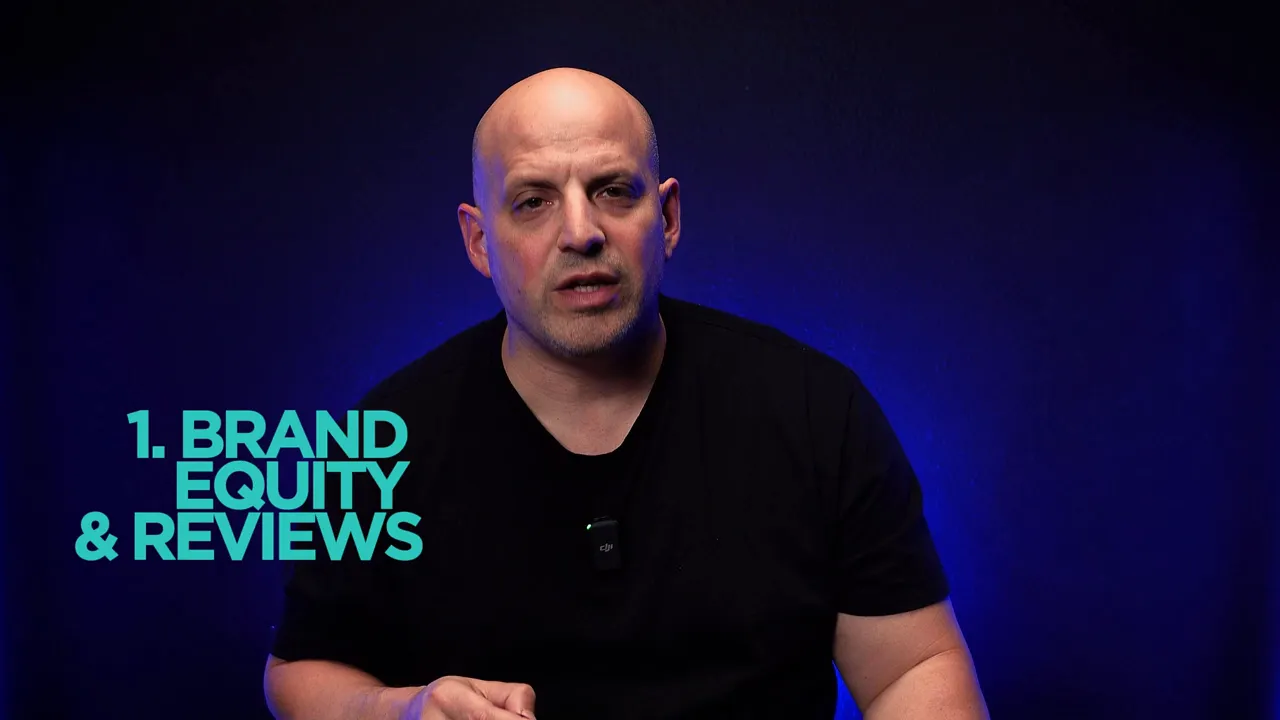
When evaluating franchises or standalone acquisitions, prioritize tangible economics and operational support. A great system turns a sales operator into a reliable business owner.
Checklist to run before writing a check:
- Brand equity and reviews: Is the brand trusted and consistent? Do customer reviews match the promise?
- Territory quality: Sufficient housing stock, favorable income demographics, suburban density, and storm exposure are strong positives.
- Unit economics: Focus on average ticket, close rate, cost per lead, marketing efficiency, gross and net margins. Ignore hype — ask for proof.
- Vendor relationships and buying power: National purchasing agreements materially improve margins and competitiveness.
- Training and support: Look for CRM setups, scripts, marketing templates, launch plans, vendor onboarding, and ongoing coaching. If you get left to figure it out, walk away.
- Disclosure review: For franchises, examine the item 19 (or equivalent) and validate the numbers are achievable in your market.
Repeat: success in this category is process-driven. A repeatable system plus disciplined execution wins more often than a brilliant owner winging it.
What winning owners actually do every day
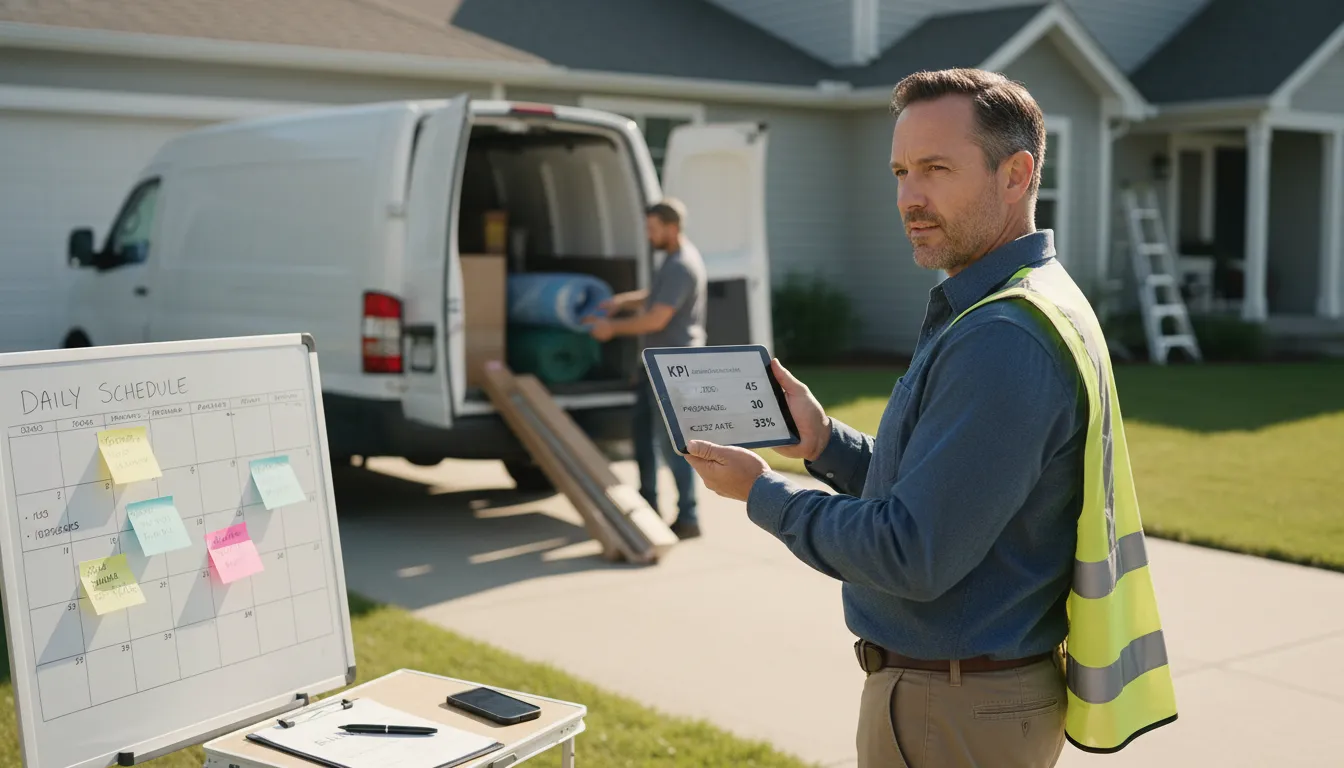
Top operators focus on a narrow set of metrics and tasks. Execution beats genius.
- Lead flow: Keep the pipeline full and measure cost per lead constantly.
- Close rate: Hire and train sales professionals; have scripts and role-play routines.
- KPI tracking: Daily and weekly dashboards for leads, appointments, proposals, and installs.
- Margin protection: Control pricing, monitor vendor costs, and guard against scope creep.
- Referral engine: Systemize reviews, follow-ups, and ask-for-referrals processes to turn one customer into many.
If you are comfortable managing a team, analyzing numbers, and holding people accountable, this business model rewards discipline. If you are sales-averse or allergic to KPIs, it will be a grind.

Next steps if this fits your skills and goals
Exterior remodeling is an ownership path that aligns well with former sales reps, corporate managers, and operators who excel at systems. If you want to explore opportunities that match your skill set and lifestyle, start by doing three things:
- Take a market-by-market approach: evaluate territory housing stock and demographics first.
- Run conservative unit-economics scenarios for average ticket, cost per lead, and margins.
- Choose systems that provide vendor relationships, training, and a repeatable sales process.
For entrepreneurs who want a business with predictable demand, scalable revenue, and durable wealth creation, exterior remodeling is a category worth considering. As a reminder for those who track industry guidance from a Business Ownership Coach | Investor Financing Podcast perspective, focus on execution, not glamour.