
Business Ownership Coach | Investor Financing Podcast ideas are for anyone working a W2 role who wants more control, more tax efficiency, and a clearer path to building wealth. From tax advantages to franchise systems and community support, the mindset and mechanics of small business ownership can expand your skills, networks, and financial opportunities beyond what most corporate roles offer.
As you read, keep in mind a simple truth: owning a business does not have to mean quitting your job tomorrow. You can start small, learn fast, and scale deliberately while keeping the stability of a W2 income. This practical route reflects the Business Ownership Coach | Investor Financing Podcast approach: education first, action second.
Why every W2 employee should consider owning a business
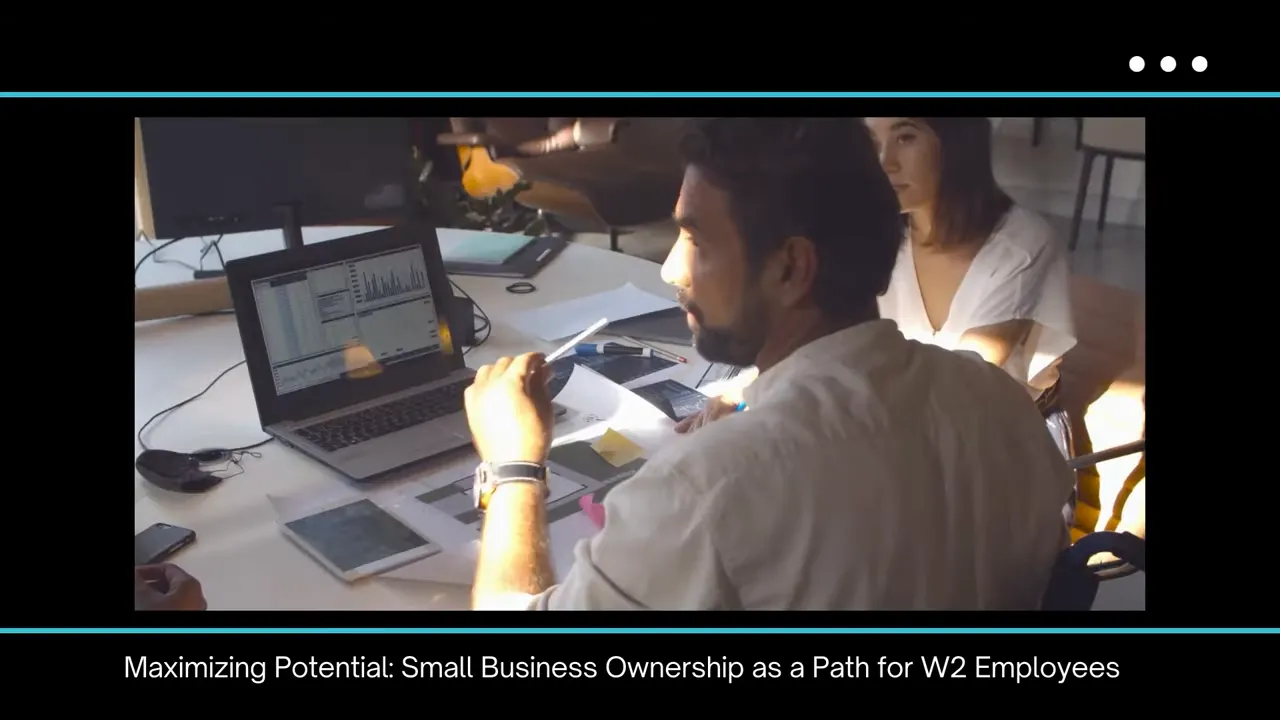
Owning a business shifts how you get paid, how you pay taxes, and how you build a network. The tax code favors those who understand business deductions, Section 179, and bonus depreciation. That alone can meaningfully increase cash flow when you structure expenses and purchases strategically.
Beyond taxes, business ownership forces you to learn new skills: sales, marketing, operations, hiring, and financial management. Those are transferable back to your W2 role and make you far more valuable in the marketplace. This is the kind of practical career acceleration the Business Ownership Coach | Investor Financing Podcast framework promotes.
Entry routes: franchise, bootstrap, or buy an existing business

Photo by Centre for Ageing Better on Unsplash
Not every business is the same, and your best entry route depends on capital, risk tolerance, and lifestyle goals.
- Franchise: Great for people who want systems, marketing support, and a proven playbook. Many franchises allow financing up to 90 percent of the purchase price, so with roughly $20,000 you can access opportunities that would otherwise be out of reach.
- Bootstrap: If you can start with minimal capital, bootstrapping keeps control in your hands and forces strong unit economics. This route rewards creativity but requires more hustle and patience.
- Buy an existing business: Acquisitions let you skip the early-stage grind. You inherit established revenue, staff, and operations, though upfront capital and due diligence increase.
Choosing the right path matters. If you want to transition out of a W2 role eventually but feel unsure about running people or driving sales, a franchise reduces the learning curve. For builders who love creation and control, bootstrapping or buying might fit better. Either way, the goal is to align the business with how much time, capital, and risk you can reasonably take on.
This is the same guidance emphasized by the Business Ownership Coach | Investor Financing Podcast approach: match your entry strategy to your personal and financial reality.
Financing, partners, and practical capital planning
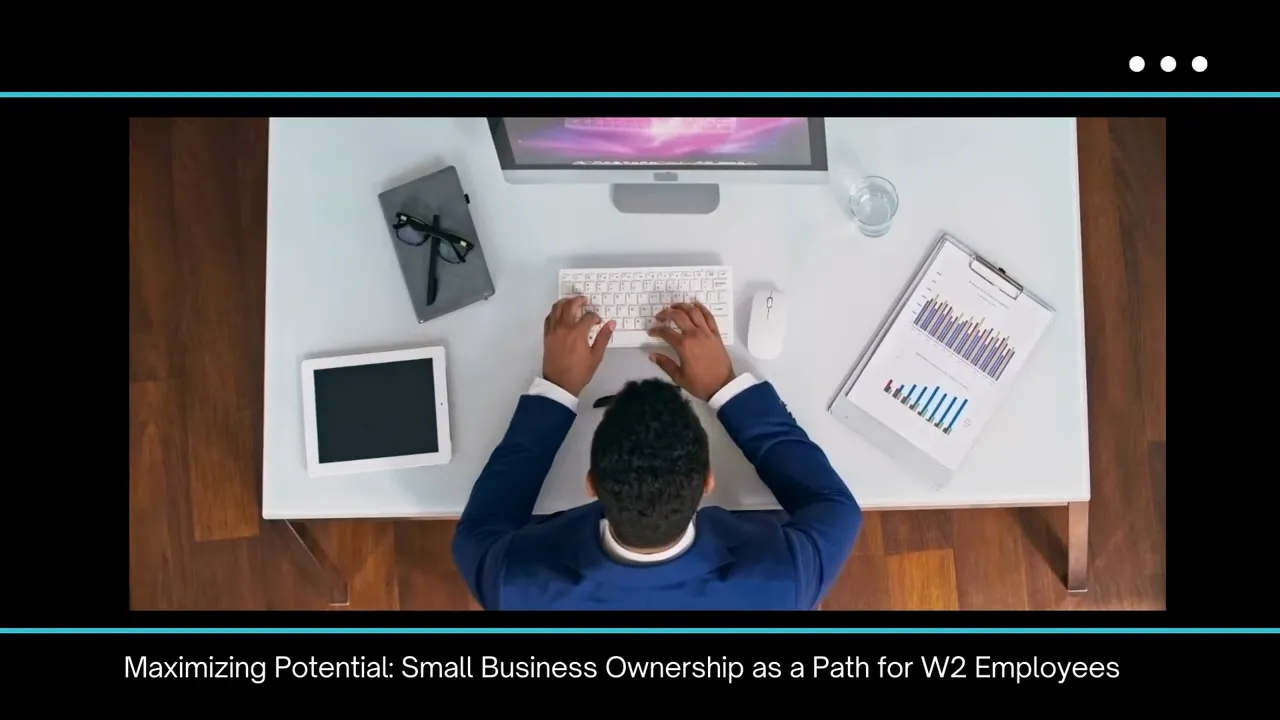
Capital is the most common bottleneck. Some people have only $5,000 to $10,000 saved; others have access to investors or lending relationships. Understanding financing options is critical.
- Assess available capital and realistic monthly cash flow before committing.
- Explore SBA products, small business loans, and seller financing for acquisitions.
- Consider bringing on a partner or an investor to bridge the gap if you lack sufficient capital.
Often a modest injection of cash plus a strong financing structure can get you into a franchise because lenders willing to finance the brand and equipment dramatically reduce the out-of-pocket need. When financing is set up correctly, you can keep your W2 job and run the business as a semi-absentee owner while you learn the ropes.
Working with experienced advisors and bankers—people who know SBA 504, 7(a), and Express loans—reduces surprises. That network of professionals is central to the Business Ownership Coach | Investor Financing Podcast model: education plus practical access to capital experts.
Community, coaching, and the power of learning together
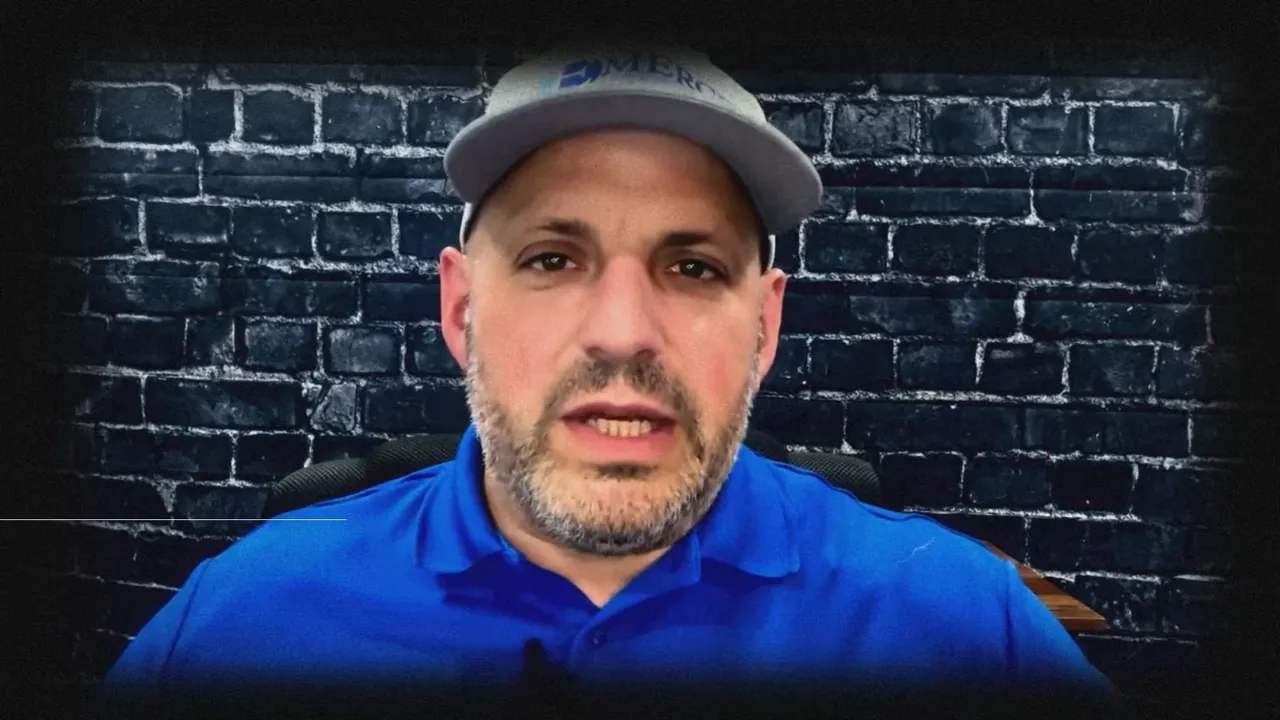
Entrepreneurship is isolating if you go it alone. Joining a community focused on business ownership accelerates learning through case studies, operator interviews, and peer accountability. Regular events, lunch-and-learn sessions, and mastermind groups turn ideas into consistent progress.
Start by finding groups that offer both education and real-world case studies: bankers, franchisors, operators, and acquisition veterans sharing what worked and what failed. Learning how deals are structured—how cash-flow forecasts are built and how acquisitions close—shortens the path from idea to execution.
That network is exactly what the Business Ownership Coach | Investor Financing Podcast philosophy encourages: build relationships with people who handle the practical side of buying, funding, and operating businesses.
Simple action plan for W2 employees ready to move

Take small, consistent steps that compound. The right plan is practical and iterative.
- Clarify goals: Decide whether you want a side business that supplements income or a replacement that frees you from your W2 role.
- Assess capital: Inventory savings, borrowing options, and potential investors. Many franchise deals become accessible with roughly $20,000 and solid financing.
- Choose a path: Franchise, bootstrap, or acquisition. Align the choice with your tolerance for complexity and responsibility.
- Build a support team: Find an experienced banker, an accountant who understands small-business tax strategies, and operators who can mentor you.
- Execute and iterate: Start small, measure results, and scale when unit economics prove out.
Following a structured plan transforms ambition into sustainable progress. The Business Ownership Coach | Investor Financing Podcast mindset is about learning the rules, using them to your advantage, and taking regular, measurable action.
Final encouragement

Owning a business is one of the most effective ways a W2 employee can expand skills, grow networks, and create financial opportunity. It is a learnable journey: start where you are, plug into expert resources, and let incremental steps move the needle. Tax planning, financing strategy, and a supportive community are the three pillars that turn ideas into steady, compounding value.
This path is less about dramatic overnight change and more about making strategic, repeatable choices that build real wealth and autonomy over time.