
Why business ownership changes the game
Business Ownership Coach | Investor Financing Podcast exists to help people make the leap from steady paychecks to sustainable, scalable businesses. The tax code, the funding tools, and the operational playbooks are skewed to reward owners. Once you understand that, the conversation changes from “Can I afford it?” to “How do I structure it so it works for my life?”
Start with your why — and the right working capital plan
Every entrepreneur needs a clear, honest why. Whether you want freedom from a 9-to-5, additional income, or to create legacy wealth, write it down and let it guide decisions. Practical planning starts with realistic working capital. A conservative rule repeated by experienced operators is to set aside $20,000 to $50,000 to fund the first six months of growth. That buffer covers royalties, marketing, technology, and vital early expenses.
Franchise models that actually work for owner-operators
Not all franchises are created equal. There are recurring-revenue, B2B-focused models that scale with sales teams and technicians rather than expensive real estate. Examples include painting, restroom hygiene, home care, vending, and equipment-heavy services. These models tend to:
- Require lower upfront investment
- Offer recurring contracts or weekly service
- Scale through multi-unit ownership without proportionally higher overhead
That combination means faster path to profitability and easier exits when the time comes.
Case studies: simple models, strong economics
Several operators discussed models built to be owner-friendly:
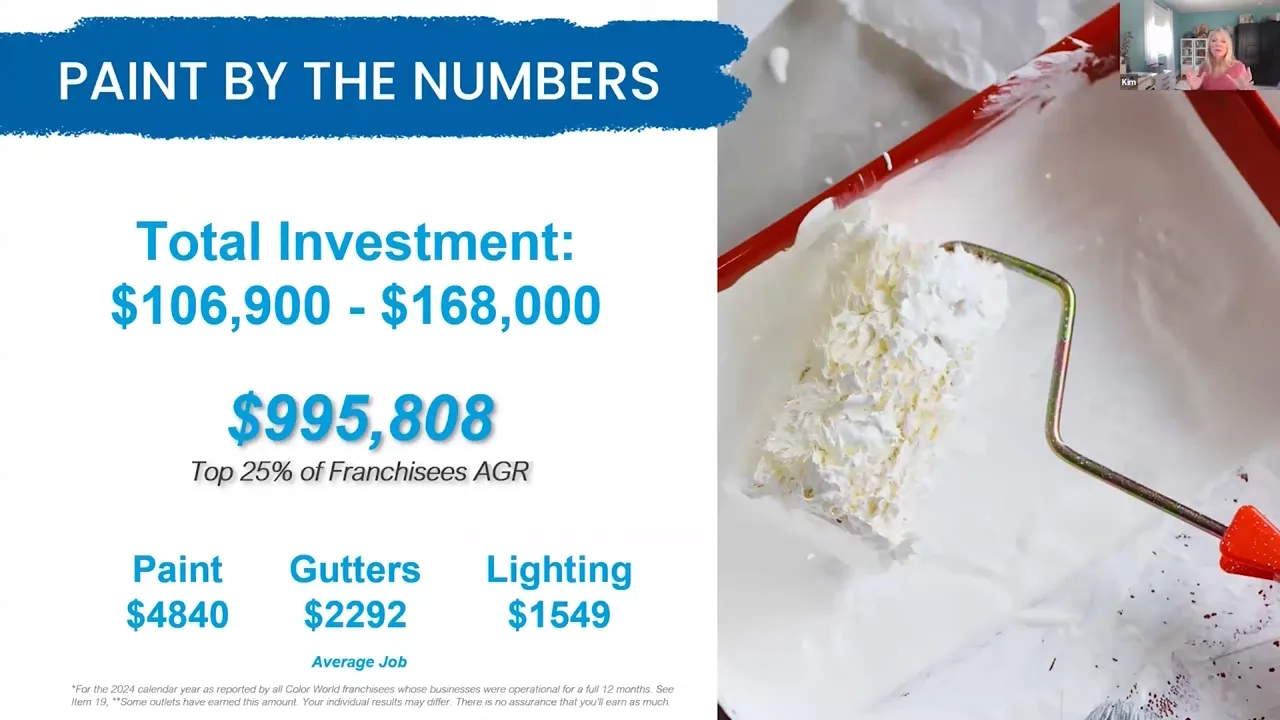
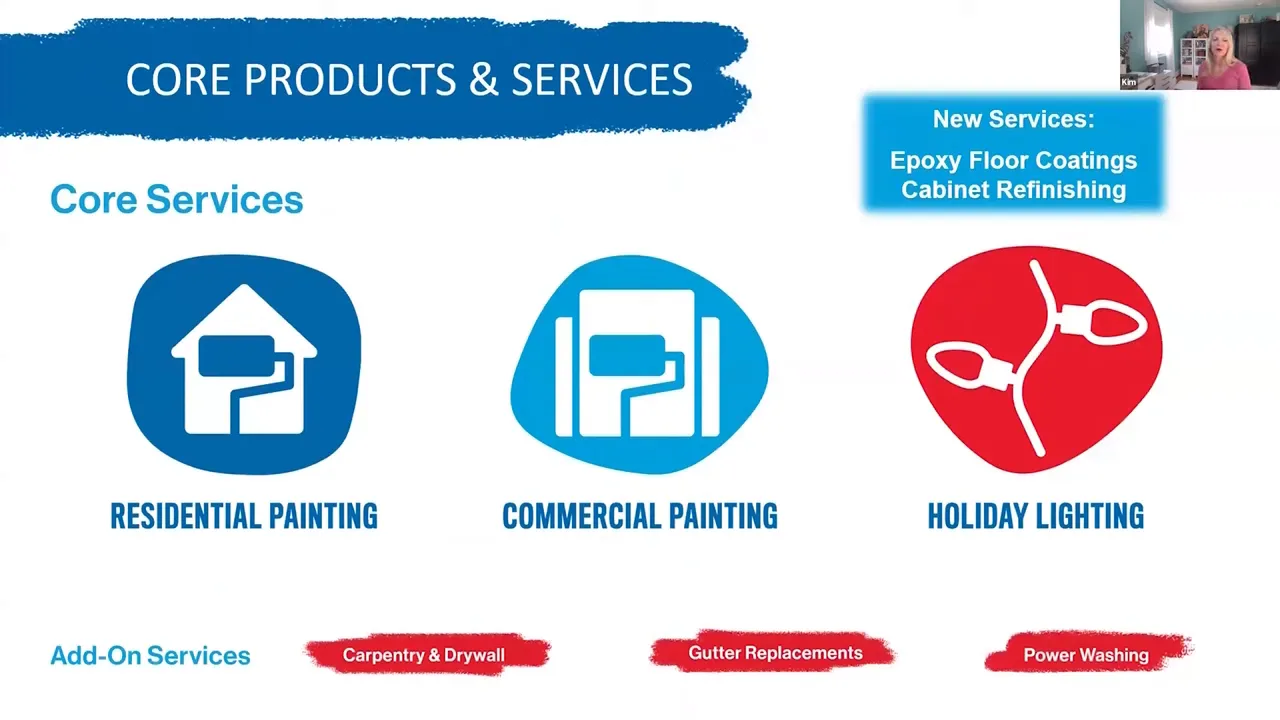
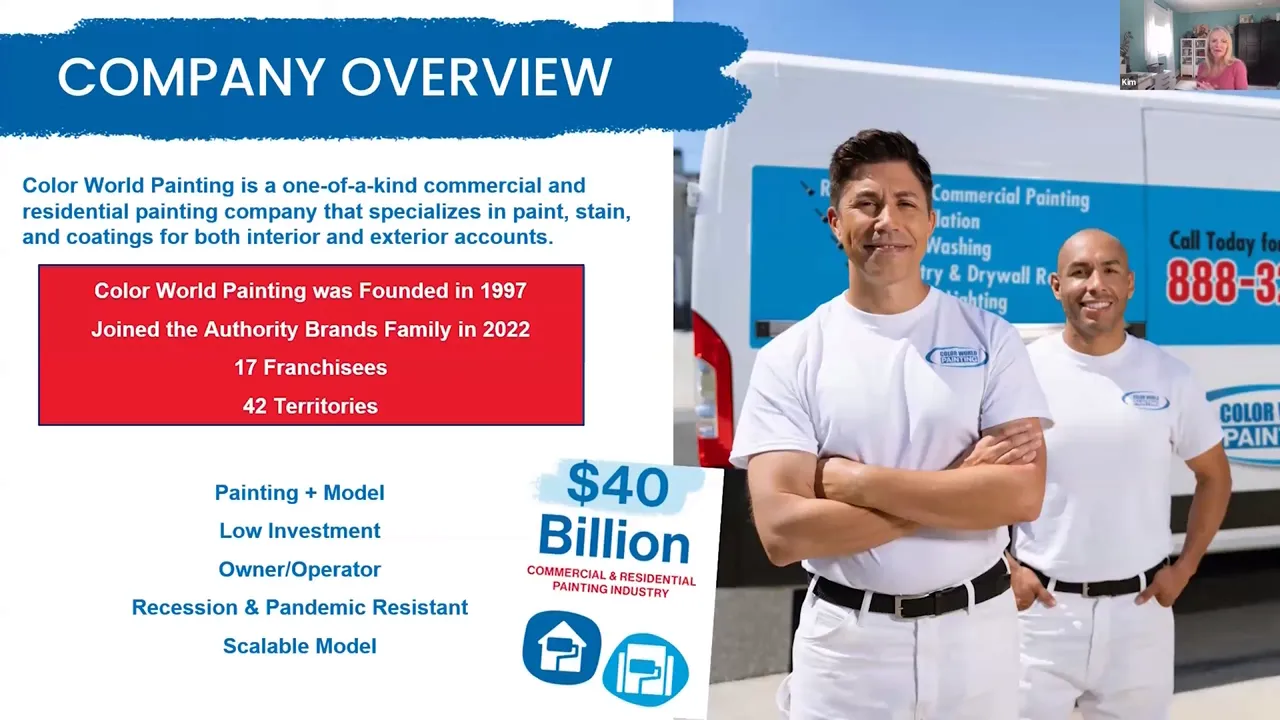
- Painting + add-ons: low overhead, subcontractor crews, protected territories, and add-on services like gutters and epoxy floors increase average ticket size.
- Restroom hygiene: weekly contracts, B2B sales, and margin expansion as the business scales.
- Home care: recurring subscriptions, technology-enabled monitoring, and strong demographic tailwinds with aging populations.
- Vending with premium machines: equipment-focused, predictable routes, and tax-friendly depreciation.
What ties these together is predictability: recurring payments, clear unit economics, and a sales playbook for growth.
Taxes, entity choice, and funding — how to be strategic
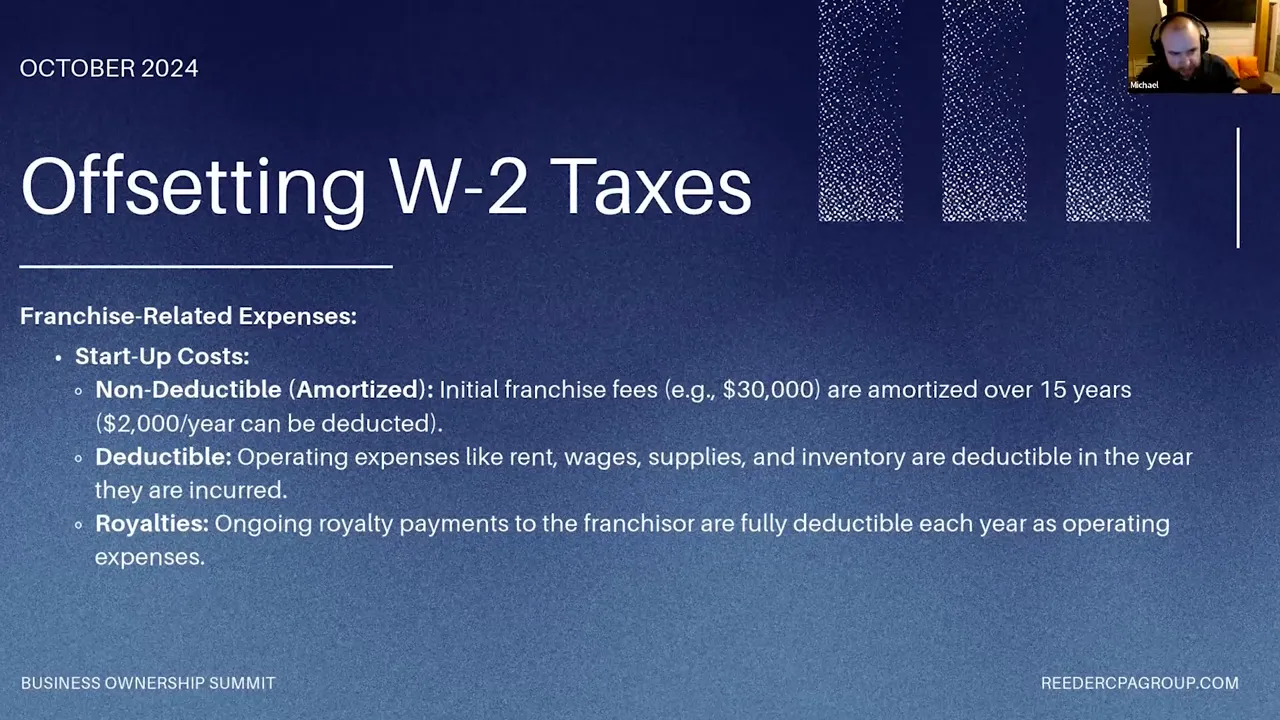
The tax code is written with business owners in mind. Structuring a franchise as an LLC taxed as a partnership or as an S corporation gives flow-through treatment so early startup losses can offset W2 income in the year you start. That can create meaningful tax savings while you ramp revenue.
Key funding and tax levers:
- SBA loans — often the best lever for startup franchises because they allow high LTV financing for eligible brands.
- Rollover for Business Startups (ROBS) — lets you use retirement funds tax- and penalty-free, but requires C corporation structure and careful planning.
- Section 179 and bonus depreciation — ideal for equipment-heavy businesses to accelerate write-offs.
- Timing — setting up the LLC early in the tax year can let startup expenses generate losses that reduce that year’s taxable income.
Every buyer needs three pieces of context before deciding: investment level and first-year burn, asset allocation on the personal balance sheet, and household income/expenses. That triad determines whether debt, rollover, or cash is best.
Using virtual teams to scale without breaking payroll
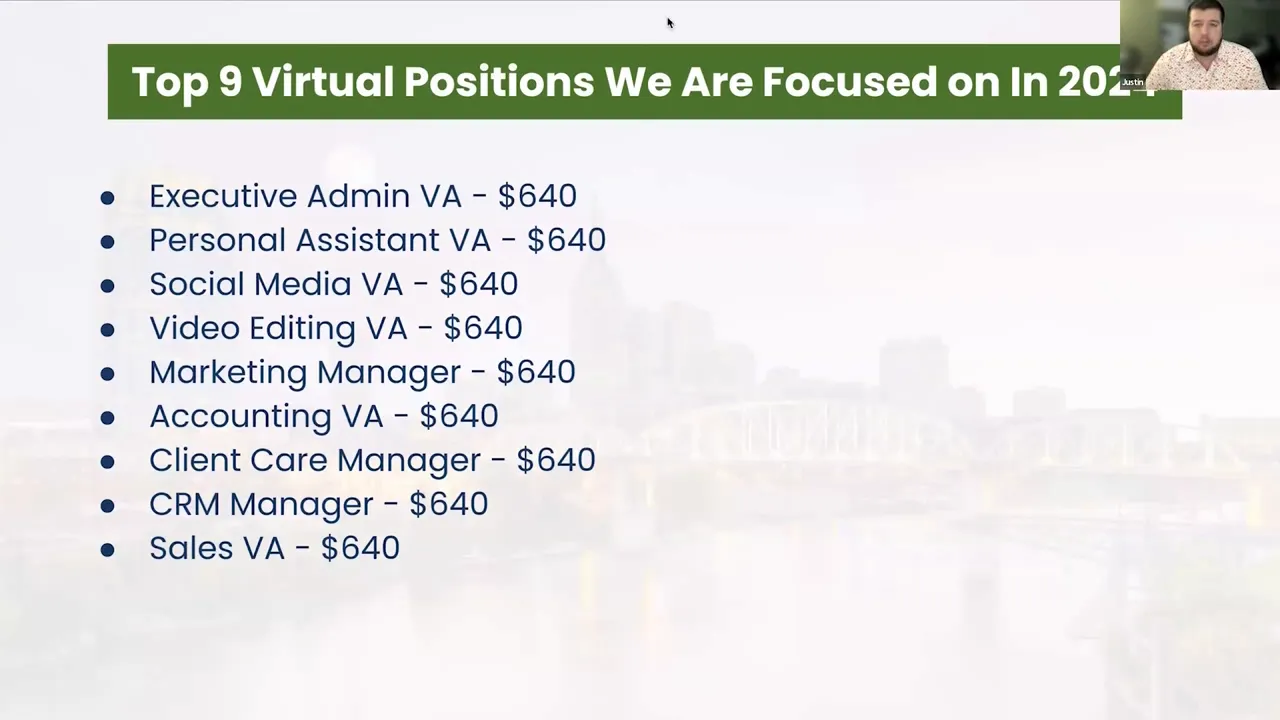
Virtual assistants and offshore team members change the cost calculus for startup owners. Hiring the right virtual team member for execution tasks — social, editing, customer support, bookkeeping — lets you focus on the high-value work: sales, partnerships, and strategy.
Typical advantages:
- Lower hourly cost for routine work
- Ability to hire specialists early (video editing, marketing, inside sales)
- Flexibility to scale staffing with demand
Consider starting with one generalist who can wear multiple hats, then specialize as revenue grows. Treat virtual hires as investments in time leverage, not cheap labor.
Mindset and practical habits that accelerate success
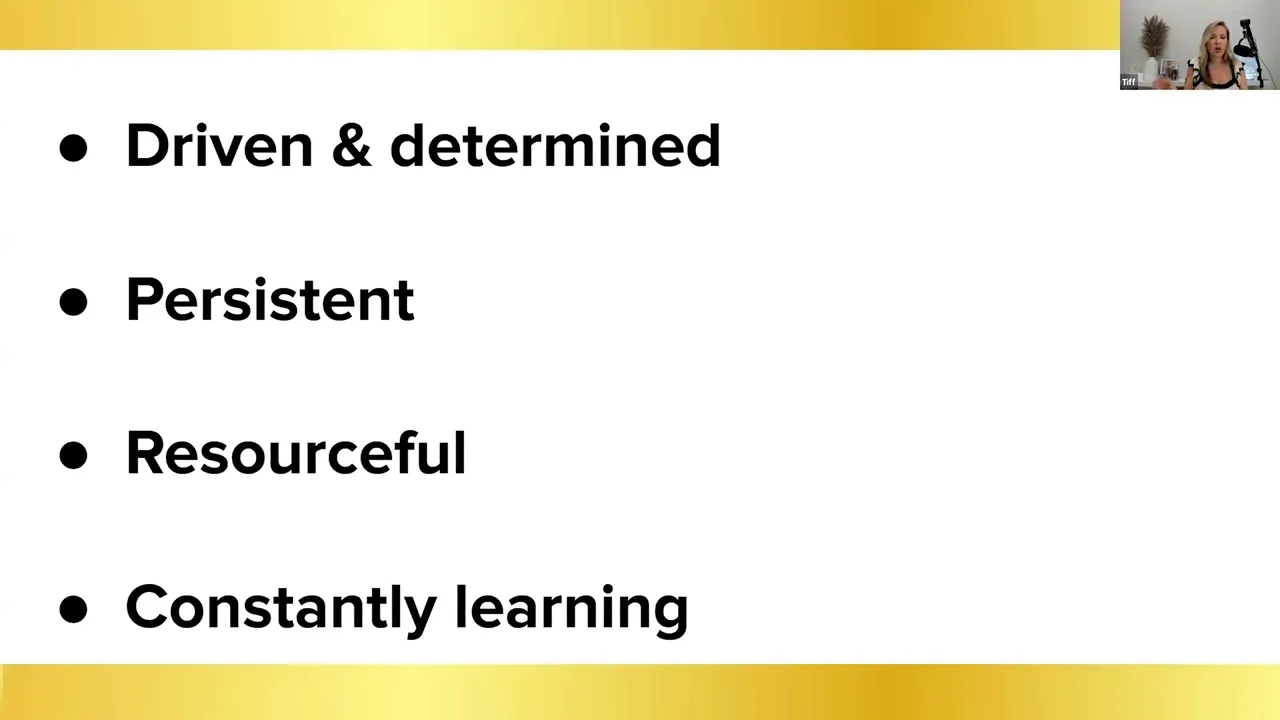
Mindset is a performance multiplier. Entrepreneurs who thrive take consistent action, invest in communication skills, and treat investments as growth tools rather than liabilities. Replace fear with curiosity and ask: what is the highest and best use of my time today?
Simple operational habits that matter:
- Daily planning and tracking of “big rocks”
- Consistent marketing and content to build reach
- Regular financial reviews and tax strategy sessions with a CPA
- Clear hiring plans: who you hire now and how they free up your time
How the advisory process works — get from curiosity to close
A repeatable process reduces wasted time and missteps. A structured approach usually looks like this:
- Discovery call to identify goals, liquidity, and desired involvement
- Research and candidate positioning — matching personal strengths to franchise opportunities
- Introductory meetings and webinars with franchisors
- Due diligence: FDD review, projections, and conversations with current owners
- Funding planning: SBA, ROBS, cash, or a hybrid
- Onboarding, training, and deployment
Working with a certified franchise advisor and a franchise-friendly CPA streamlines every step and dramatically increases the odds of a good outcome.
Exit planning and resale considerations
Think about your exit from day one. Item 17 of the franchise disclosure governs transfers, renewals, and the franchisor’s right of first refusal. Recurring-revenue models often command higher resale multiples because their cash flows are predictable. Work with your advisor to model resale scenarios and necessary performance milestones.
Final checklist to move from thinking to owning
Before you pull the trigger, run this short checklist:
- Write your why and confirm it’s genuine.
- Set aside 6 months of working capital (ideally $20k–$50k).
- Decide how involved you will be: part-time, full-time, or semi-absentee.
- Speak to a franchise CPA about entity structure and tax timing.
- Build a hiring plan that includes virtual team members.
- Get a franchise advisor to pre-screen opportunities and prepare your application.
Next steps
If you want a guided process, pairing a franchise-savvy consultant with a CPA and a funding expert is the fastest path to clarity and closure. Keep disciplined, invest in the right people, and remember: ownership rewards the patient, strategic, and consistent.
Business Ownership Coach | Investor Financing Podcast can help you build that team and the funding plan to get started.