
Hi, I'm Beau Eckstein — Business Ownership Coach and host of the Investor Financing Podcast. In this post I break down whether vending is a good business to get started with, compare it to other options, and share the real-world pros and cons I’ve seen working with entrepreneurs. If you’re exploring how to move from a W2 job into business ownership, this guide will give you a practical framework and honest expectations. Business Ownership Coach | Investor Financing Podcast
Why I Like Vending as a Starting Business
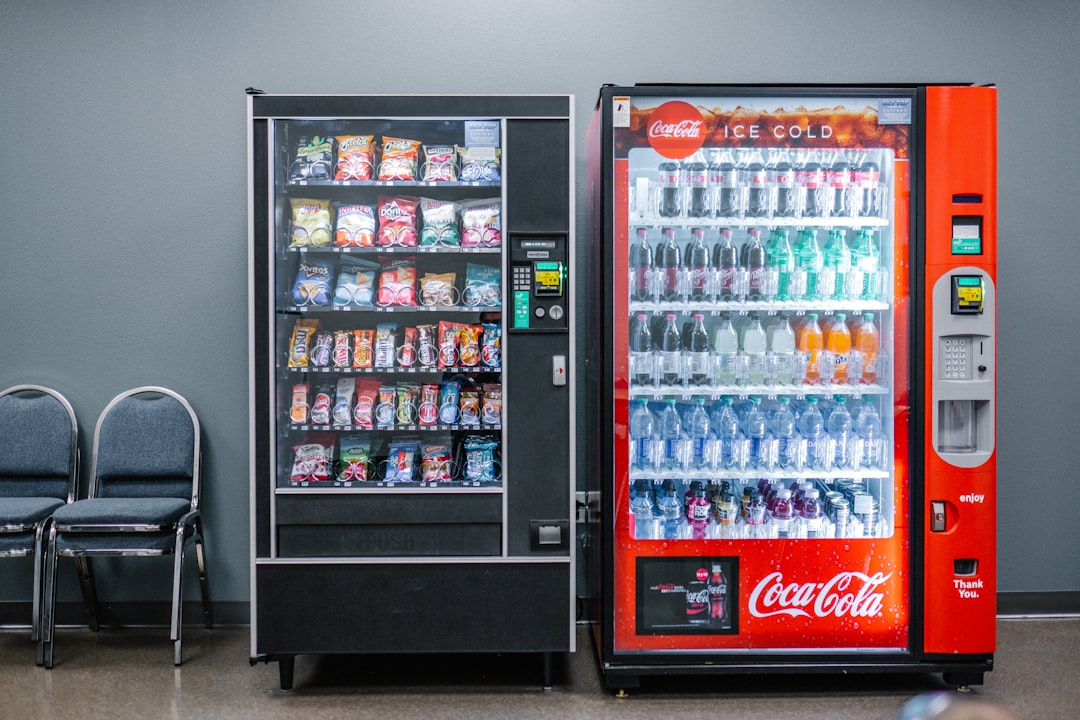
I often tell people: vending machines are a great entry point into entrepreneurship because they combine predictability, low day-to-day time commitment, and clear paths for scaling. I represent business opportunities (not franchises), and what I like about these opportunities is the support: training, quality machines, placement assistance, and ongoing support. That “done for you” model matters when you’re learning the ropes — especially if you’re moving from a W2 job and don’t have time to reinvent every system.
Because we place machines for you, the early stage is much less about sales prospecting and more about operational learning. You learn where machines work, what products move, and how to manage basic upkeep without the initial heavy lifting most businesses require. Business Ownership Coach | Investor Financing Podcast
How Modern Technology Makes Vending Easier
One of the biggest changes in the past decade is technology. Many machines now come with connected POS and remote telemetry. That means you can run a vending operation from your phone: see sales, track inventory, and know exactly what needs to be restocked. Technology reduces guesswork and helps you plan efficient routes.
If you’re analytical or like to systematize, technology makes vending a very attractive business. You can measure machine performance, experiment with product mixes, and make data-driven decisions. That predictability is a massive advantage: if you know an average machine’s revenue, you can model exactly how many units you’ll need to achieve a target income. Business Ownership Coach | Investor Financing Podcast

Photo by Kenny Eliason on Unsplash
Flexible Time Commitment and Scalability
One of the lines I say often: if you spend about an hour per week per machine, vending can be extremely flexible for your schedule. That means a handful of machines can be a very manageable side hustle; many operators only need several hours a week to maintain them. If you want to scale, you hire people and delegate route work — I know operators with hundreds of machines and teams of employees.
- Side Hustle Potential: 5–10 machines can yield a consistent few thousand dollars a month with limited time input.
- Full-Time Option: Scale to dozens or hundreds of machines, hire employees, and create a sustainable operating business.
- Legacy Business: A scaled vending operation can become a legacy asset you sell or pass down.
Vending fits a range of goals: replace a W2 job, create passive-ish income, or build a full operation with employees. The model is flexible and fits many lifestyles and ambitions. Business Ownership Coach | Investor Financing Podcast
Vending as a Gateway to Entrepreneurship (Replacing W2 Income)

I love telling the story of the California screenwriter I talked to — her W2 brought in around $4,000–$5,000 a month, which in her market wasn’t comfortable. If she’d deployed vending machines strategically, she could likely have replaced that income in 12–18 months by figuring out how many machines she needed and optimizing placements. That replacement of predictable income buys you freedom: time to write, pursue other ventures, or step away from corporate life.
Vending acts as a “gateway drug” to business ownership because it exposes you to operations, cash flow management, and hiring without the complexity of a large service business or a full retail operation. It gives you the confidence to own other businesses and diversify. If your goal is to exit the W2 safely, vending can be a very sensible route. Business Ownership Coach | Investor Financing Podcast
Pros and Cons — What to Expect

Photo by Kenny Eliason on Unsplash
Here’s a practical, no-nonsense look at the pros and cons so you can decide if vending fits your goals.
Pros
- Low ongoing time requirement: ~1 hour per machine per week if systems are in place.
- Predictable cash flow: You can model revenue per machine and plan how many you need.
- Scalable: Start small and grow to a large, employee-run operation.
- Modern management: Remote monitoring and POS systems simplify operations.
- Support options: Business opportunities often include training, placement, and ongoing help.
Cons
- Upfront capital: Machines and placement arrangements cost money; financing or SBA options may help.
- Site dependency: Location quality massively impacts revenue; poor placement underperforms.
- Maintenance: Machines break or need restocking; you'll either do the work or hire someone.
- Product management: You must match products to location demographics to maximize sales.
Overall, vending is a rewarding business and fairly simple to run if you use the training and support that comes with good business opportunities. You can absolutely own vending machines and other businesses simultaneously; they complement each other because vending can provide predictable cash flow while you build riskier ventures.

Photo by Kenny Eliason on Unsplash
Predictability, Growth Potential, and Next Steps
The big advantage to vending is predictability. If you know an average machine’s revenue, you can calculate how many machines you need to replace your W2 income. That’s rare in business and makes financial planning straightforward.
If you want to move forward, here are tactical next steps I recommend:
- Decide your goal: replace income, build a side hustle, or scale into a full-time operation.
- Choose a partner or opportunity that offers training, placement, and tech support.
- Run conservative financial models using average per-machine revenue and realistic expenses.
- Start small, learn routes and product mixes, then scale by adding machines and hiring help.
- Attend workshops or summits that teach financing, SBA strategies, and tax considerations.
For those wanting guidance, I host events and webinars where we walk entrepreneurs through these steps, talk SBA financing, and bring CPAs and attorneys to cover tax strategy and structure. Business Ownership Coach | Investor Financing Podcast
“If you spend about an hour per week per machine, it can be extremely flexible for your schedule.” — Beau Eckstein
Conclusion — Is Vending Right for You?

Vending is a versatile, often underrated path to business ownership. It can be a side hustle, a full-time business, or the predictable income stream that lets you pursue passion projects. If you want a business with relatively low time demand, straightforward metrics, and clear scaling paths, vending deserves serious consideration.
If you want hands-on help, you can book a call at http://bookwithbeau.com/ or explore our free events at http://box.com/events and businessownershipacademy.com. We cover everything from financing options to tax strategies with experts so you can make an informed decision. Business Ownership Coach | Investor Financing Podcast
Thanks for reading — if you’re serious about stepping away from a W2 and building something predictable and scalable, vending is a practical and rewarding place to start. Business Ownership Coach | Investor Financing Podcast