
Business Ownership Coach | Investor Financing Podcast explores a common question: can you buy a franchise and be truly hands-off? As a Business Ownership Coach | Investor Financing Podcast host, I get this question a lot from professionals who have limited time but want to own a business. The short answer: fully passive franchise models are rare, and when they exist they usually require significantly larger capital or very specific structures.

Photo by Justin Ziadeh on Unsplash
Why “fully passive” rarely exists
There is a persistent myth that you can write a check and sit back while profits roll in. The reality is different. Most franchises are built to succeed with an owner who either runs daily operations or hires a manager and remains involved at a high level. Even when you hire a general manager, you will still be recruiting, training, and occasionally having to make tough decisions like firing and replacing staff.
Think of it this way: if your goal is minimal involvement, rental real estate with a third-party property manager often offers the closest thing to passivity. For many investors, a managed rental property delivers predictable income with far less hands-on work than running a business that requires staff, customer service, and inventory to manage.
Semi-passive or owner-operator models
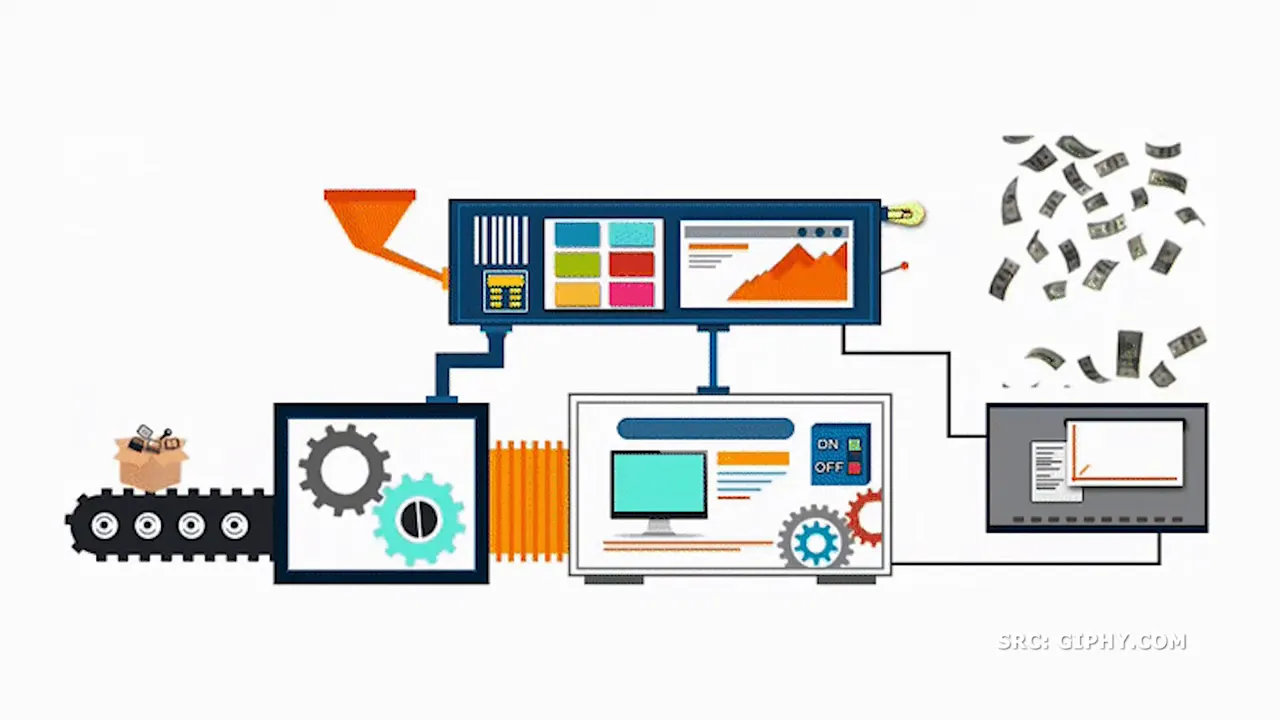
Most franchises fall into two buckets: owner-operator and semi-passive (also called executive models). Owner-operator franchises expect the owner to be involved in day-to-day operations. Semi-passive models expect you to hire a manager who runs the business for you, but they still require initial hands-on work to get systems running smoothly.
Pros of semi-passive models
- Less daily involvement after you hire a capable manager
- Scalable: you can add locations once the first is stable
- Franchisor support for systems, training, and marketing
Cons
- Manager recruitment and oversight are critical and time consuming
- Higher total cost due to payroll and potential rewiring of operations
- Not plug and play; early stages demand owner attention
Low-cost franchises: realistic expectations
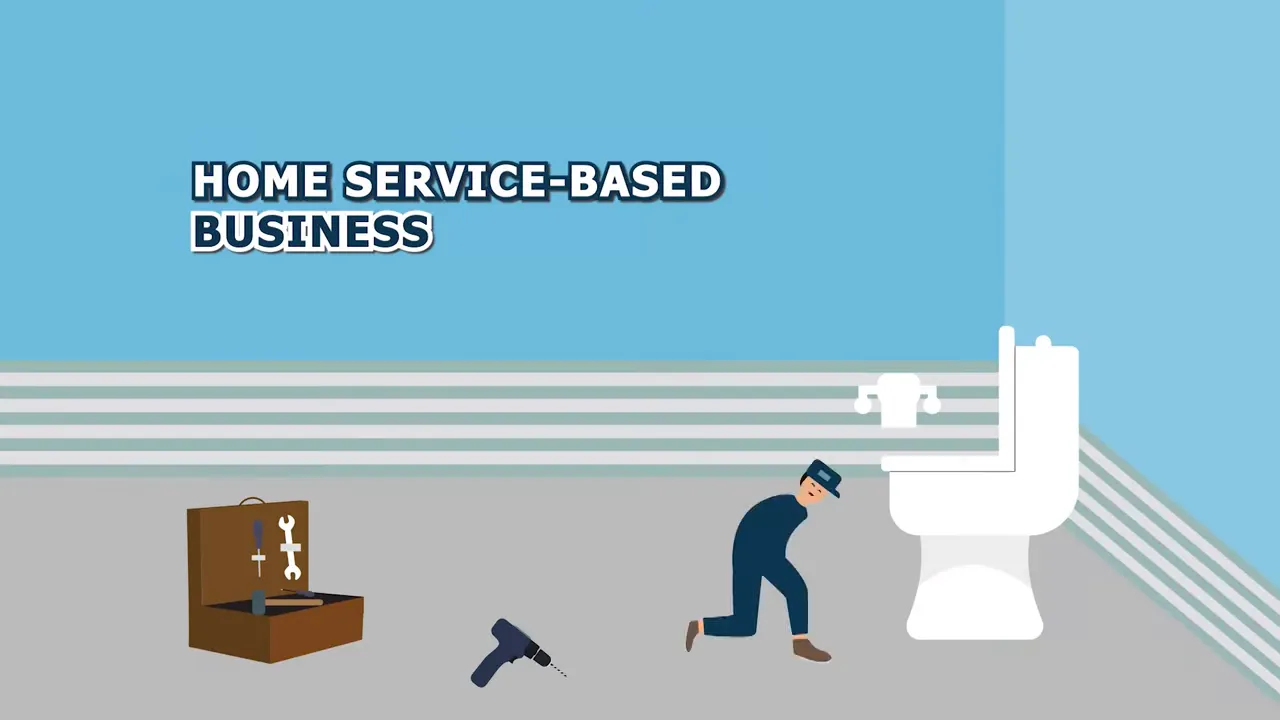
There are inexpensive franchise opportunities—often home service businesses—that can be entered for roughly $150,000 to $180,000. These are attractive because of the lower entry cost, but they generally require you to be involved in the beginning. The franchisor might provide playbooks and training, but your initial sweat equity is essential to get processes in place and to build a customer base.
Many of these lower-cost models offer pathways to hire a general manager, but that transition takes time, additional payroll, and competent leadership. Expect to be more hands-on during at least the first several months, then transition to an oversight role as systems stabilize.
True passive models exist, but they cost more
There are franchise offerings that market themselves as passive from day one. When they are genuinely passive, they typically come with a much higher price tag—often in the mid-six-figure range or higher. These models might include corporate-run kiosks, territory investments, or investments where the franchisor performs most operational work for a fee.
Because of the larger investment, financing becomes an important consideration. Many investors use SBA 7(a) or 504 loans, conventional financing, or creative equity structures to acquire these ventures. Even then, the passive nature usually depends on strong franchise support and a clear contract that defines roles and responsibilities.
Alternatives that get you close to passive

Photo by Ninthgrid on Unsplash
If true passivity is your priority, consider alternative investments that are intrinsically less hands-on:
- Rental properties with professional property management. This is often the most straightforward passive income stream.
- Vending machines or ATMs. Some operators report spending an hour or so per machine per week, and family members can manage routes.
- Silent partnerships where you invest capital while a trusted operator runs the business.
Choosing the right alternative depends on your desired balance of risk, return, and time commitment. For many busy professionals, a mixed portfolio—real estate for cash flow and a semi-passive franchise for diversification—works best.
How to evaluate franchise passivity

Photo by Vitaly Gariev on Unsplash
When assessing whether a franchise can be passive, ask targeted questions:
- What exactly does the franchisor do versus what you must do?
- How much support is provided for staffing, training, and day-to-day operations?
- Is there a proven manager-run model in other territories?
- What ongoing fees or revenue-sharing structures affect cash flow?
- What contingency plans exist for underperformance or operator turnover?
Scrutinize the franchise disclosure document and talk to existing owners in similar situations. Look for owners who purchased with the intent of being investors rather than operators and learn from their experiences.
Financing, structure, and realistic next steps
Financing options play a big role in what models are available to you. SBA 7(a) and 504 loans can help bridge the gap when a passive franchise requires higher upfront capital. Below are practical steps to move forward:
- Define how much time you can realistically commit.
- Decide on a budget that includes manager payroll if your plan is semi-passive.
- Speak with lenders who understand franchise financing and can explain options like SBA 7(a) or 504 loans.
- Perform due diligence: speak with current franchisees, review financials, and test the market.
If you value being an investor more than an active operator, consider leaning into financing and structuring strategies that support a manager-run operation—or choose alternatives like professionally managed real estate that better match a passive goal.
Conclusion
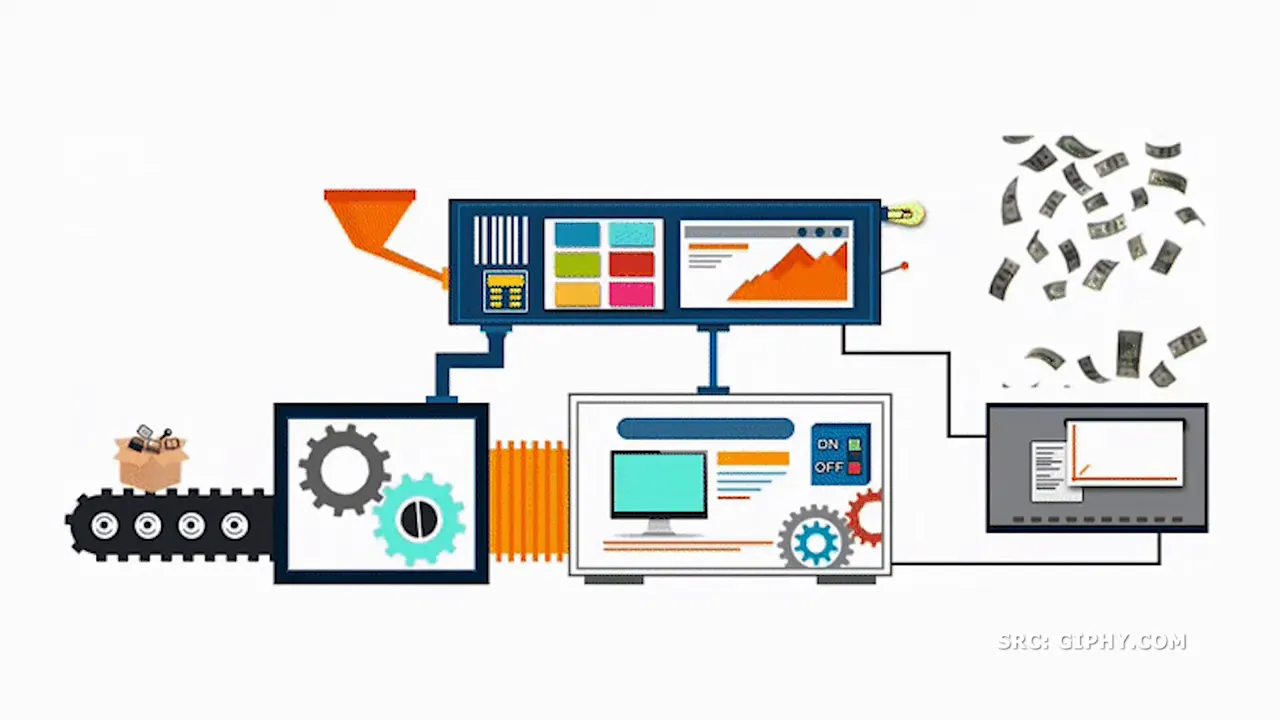
Truly passive franchise models are uncommon and usually require a much higher capital commitment. For most buyers, the reality is a semi-passive model where early involvement and careful hiring are key. If your priority is low time commitment, weigh franchise options against real estate and other investments that offer professional management.
As you evaluate opportunities, keep the Business Ownership Coach | Investor Financing Podcast perspective in mind: clarity on time commitment, realistic budgeting for management, and the right financing strategy are the three levers that will help you reach your ownership goals.