
As a Business Ownership Coach | Investor Financing Podcast host, I help entrepreneurs understand how to buy, fund, and grow businesses without getting tied down to a storefront. In this article I break down which franchise models you can run successfully from a home office, how financing works when you don’t need a brick-and-mortar location, and practical steps to get started. If you’ve been thinking about owning a business but worry about high rent, big build-outs, or expensive lease commitments, this guide is for you.
Which franchise models work from a home office?
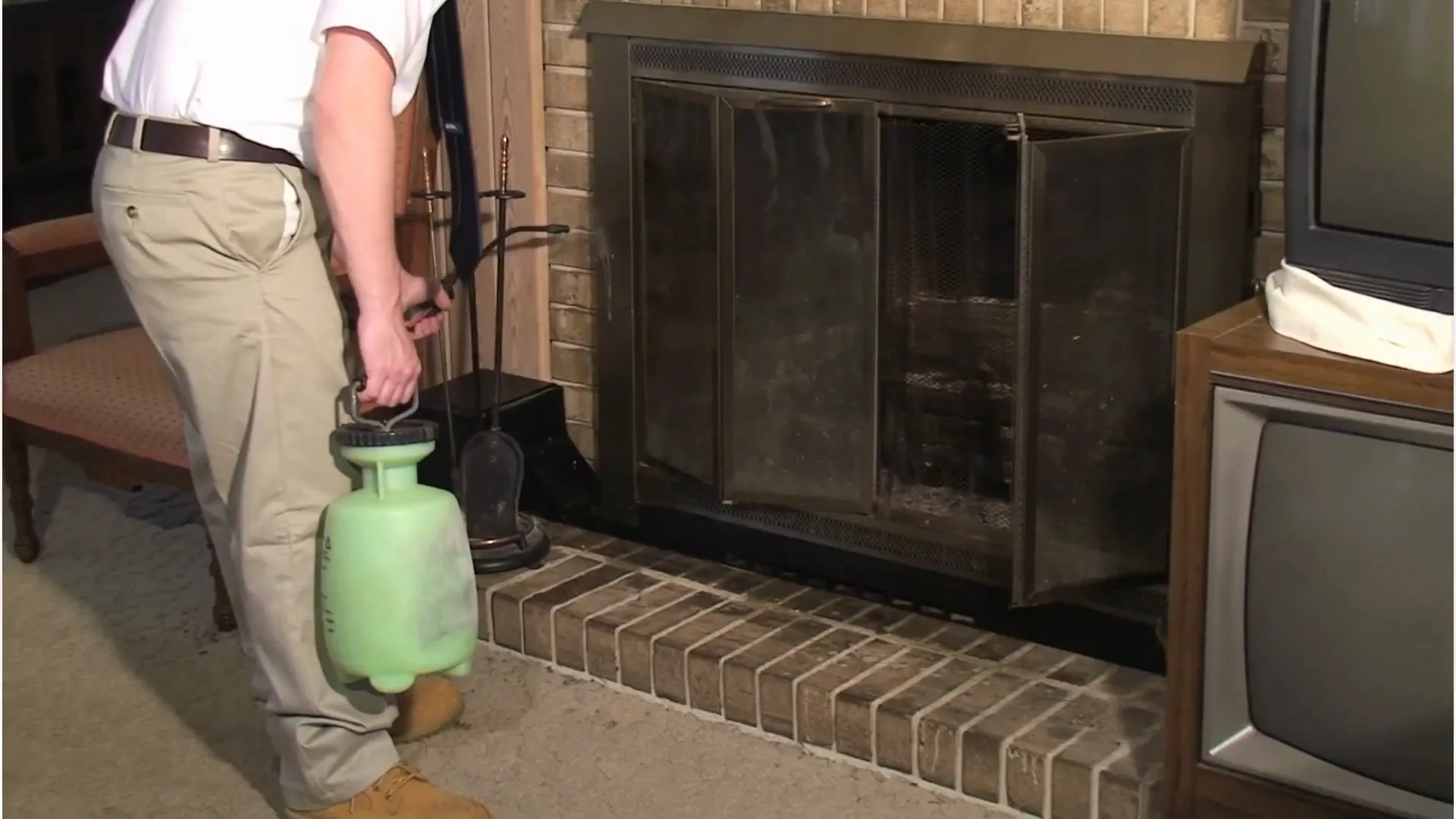
There are a lot of franchise models that are designed to be started and run from a home office. The most natural category is Home Service businesses: pest control, painting, cleaning, HVAC service, landscaping, mobile auto services, and many more. These are service-based models where the customer’s location is the job site, so your administrative hub can be your kitchen table.
Most people’s first thought of franchising goes straight to food: Subway, Jersey Mike’s, Chick-fil-A, McDonald’s. Those are great businesses but they require a physical storefront and higher startup capital. The exciting reality is that thousands of non-food franchises don’t require a brick-and-mortar location and are built to be mobile or field-based. That means lower overhead, simpler logistics, and faster path to profitability for many owners.
As a Business Ownership Coach | Investor Financing Podcast, I’ve seen many clients successfully launch pest control and painting franchises from home and scale them into multi-unit operations. You typically start with a small, manageable territory, run operations and scheduling from your home office, and eventually add a small yard, warehouse, or office as you grow.

Photo by Giorgio Tomassetti on Unsplash
Financing and investment requirements for home office franchises
One of the most compelling parts of running a franchise from a home office is financing flexibility. Many home service franchises have lower franchise fees and startup costs than retail or restaurant concepts. That makes them excellent candidates for Small Business Administration (SBA) financing, which often offers up to 90% loan-to-cost for qualified buyers.
To put it in practical terms: a $100,000 startup might only require $10,000–$12,000 in cash up front when structured with SBA lenders and the right financing stack. That opens the door for people who have good credit and a modest amount of savings—or who have family willing to be an investor. Typical qualifications I see in the lending world include a credit score in the 680+ range and stable outside income to support personal debt obligations.
As a Business Ownership Coach | Investor Financing Podcast, I emphasize that structure and relationships matter. We work with SBA-savvy bankers who know how to package franchise deals, and that experience helps reduce surprises at closing. The combination of lower startup costs and high financing availability makes this an extraordinary time to become a business owner.
Why service-based franchises are powerful
Service-based franchises offer several advantages over transaction-based businesses like brokerage or single-property real estate deals. First, they create recurring revenue streams: customers call for regular pest control treatments, routine maintenance, seasonal landscaping, or repeat cleaning services. That predictability is hugely valuable when you’re building a business you can sell or scale.
Second, these businesses are inherently people- and process-driven. Once you have reliable systems for sales, scheduling, and fulfillment, you can hire technicians and managers, delegate, and scale beyond the hours you personally work. In short, you can evolve from a one-person operation into a multi-unit owner with teams under you.
“Owning business is by far is a superior way than to be transaction based because you can build that recurring revenue and then you build teams and you can scale them.”
That quote sums up why many aspiring entrepreneurs find franchising so attractive: it bundles proven systems, brand recognition, and training with the ability to scale. When you start from a home office, your burn rate is lower, and you can reinvest profits to accelerate growth.
Practical steps to get started from your home office

If you’re ready to explore home office franchises, here’s a simple, practical roadmap to follow:
- Clarify your goals. Do you want to run a small owner-operator business, build a mid-sized company with employees, or move toward multi-unit ownership? Your long-term plan will guide which franchise models and territories make sense.
- Search for non-food franchises. Use franchise search tools or consult with a franchise advisor to surface field-based opportunities—pest control, painting, cleaning, mobile automotive, senior care, and specialty services.
- Check financing feasibility. Talk to SBA-experienced lenders early. If you have a credit score around 680 or higher, some lenders will structure 90% financing stacks that lower your cash need dramatically.
- Validate territory availability. Every franchise has exclusive or limited territories. Use dedicated territory search resources to confirm availability in your market before you fall in love with a brand.
- Do the numbers and run pilot scenarios. Model revenue, gross margins, and labor needs conservatively. Make sure your cash flow supports payroll, marketing, and vehicle/equipment maintenance.
- Leverage advisors. Franchise brokers, business ownership coaches, and SBA lenders can speed your learning curve and reduce costly mistakes.
One resource I mention frequently is myterritory.com. That tool can quickly tell you if a franchise is available in your market and suggest similar concepts if your first choice is already taken. As a Business Ownership Coach | Investor Financing Podcast host, I encourage prospective buyers to use every tool available: franchisor discovery packets, discovery days, and lender pre-approvals all add confidence to your decision.
Common requirements and qualifications lenders and franchisors look for

While each franchisor and lender has their own specifics, there are common themes that keep appearing in successful home office franchise purchases:
- Credit score: 680+ is a common baseline for stronger SBA terms.
- Liquid cash or third-party investor: Even with 90% financing, you’ll typically need some cash or someone willing to invest or gift funds to meet closing requirements.
- Stable income or reserves: Lenders want to see that you can service personal obligations and handle initial business cash flow fluctuations.
- Willingness to follow a system: Franchises sell systems. Owners who succeed are disciplined about training, operations, and marketing.
- Desire to scale: Many franchisors favor candidates who plan to grow. If your ambition is multi-unit ownership, disclose that early.
Meeting these criteria makes you an attractive borrower and an effective franchisee. Remember, the financing environment today is supportive of service-based models; if you prepare documentation and understand what lenders want, you’ll significantly improve your chances of approval.
Advice for aspiring business owners and younger entrepreneurs

If you’re debating whether to go to college, pursue a corporate path, or jump into business ownership, consider this: owning a business—especially a franchise with proven systems—can be a more effective wealth-builder than purely transaction-based careers. You can create recurring revenue, hire staff, and scale beyond any single individual’s capacity.
I often hear people say they didn’t understand franchising when they were younger. That’s normal: the learning curve exists, but the good news is you don’t need to know everything on day one. Book learning, strong mentorship, and working with experienced lenders and advisors can accelerate your trajectory. If you have the drive to build and manage systems, franchise ownership can be a direct path to meaningful financial independence.
Resources and next steps

If you want help identifying suitable franchises in your market, consider these actions:
- Visit myterritory.com to check territory availability and get similar franchise suggestions.
- Book a discovery call to review financing options and deal structure—bookwithbeau.com.
- Join communities like the Business Ownership Academy to learn from peers and seasoned owners. (businessownershipacademy.com)
- Subscribe to a newsletter that covers franchise financing tips and market opportunities.
These resources can streamline your search and help you move from curiosity to ownership with a clear plan. As a Business Ownership Coach | Investor Financing Podcast host, I’m passionate about helping people make this transition and avoid common pitfalls.

Photo by Bennett Frazier on Unsplash
Conclusion: Why now is a great time to consider a home office franchise
To wrap up, home office franchise models offer a lower-cost, lower-risk way to own a business while taking advantage of proven systems and strong financing options. Service-based concepts like pest control and painting are particularly well-suited to starting from home, allowing you to focus on operations and growth instead of rent and builds.
If you meet basic lending criteria, have a realistic plan, and are willing to follow a system, franchising from a home office can be a fast track to building recurring revenue and scaling into a life-changing business. As a Business Ownership Coach | Investor Financing Podcast host, I’ve watched many buyers go from curious to confident owners by following a disciplined process—searching territories, validating finances, and leveraging proven brands.
Ready to explore opportunities in your area? Use the resources mentioned above, run the numbers, and don’t hesitate to reach out for a conversation. Owning your own business is within reach—especially when you think beyond brick-and-mortar and focus on service-based franchises that fit a home office model.