
Hi, I’m Beau Eckstein — your Business Ownership Coach | Investor Financing Podcast host. In this article I’ll walk you through real, doable semi-passive franchise and business models that are ideal for families who want to bring their kids into entrepreneurship. As someone who helps entrepreneurs buy, build, and finance businesses, I’ve seen firsthand how simple models — like vending routes, membership-based studios, and home services — can become excellent vehicles for teaching responsibility, building wealth, and creating a business that children can help operate or eventually run themselves.
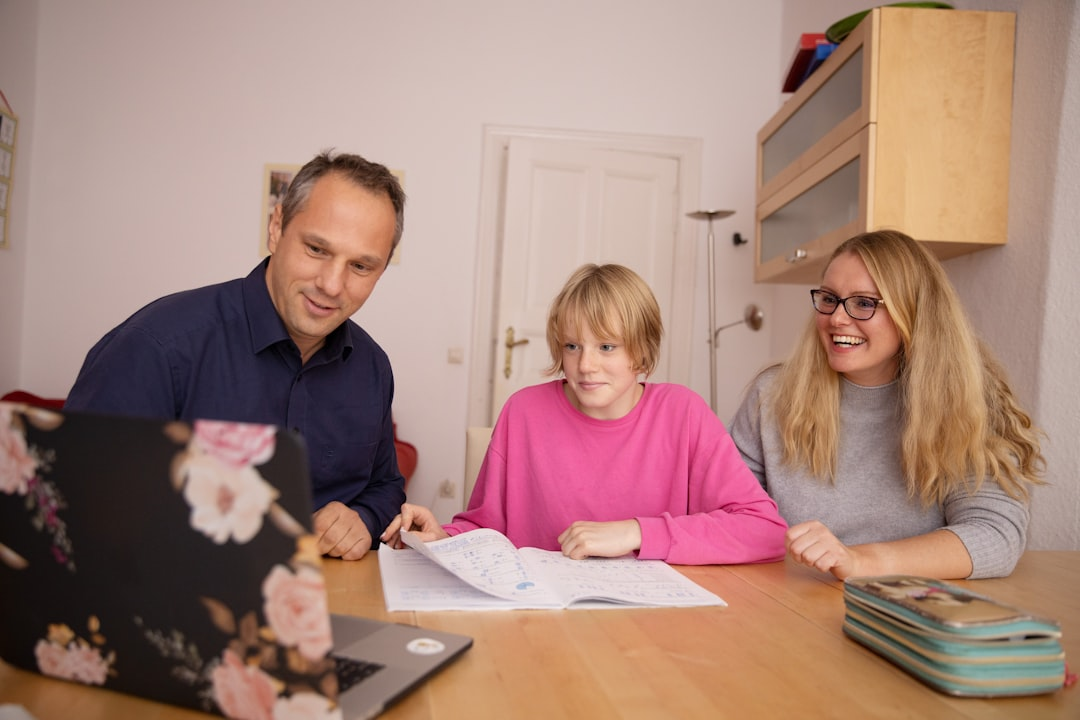
Photo by Simone Daino on Unsplash
Why consider family-run semi-passive businesses? — Business Ownership Coach | Investor Financing Podcast
There are three powerful reasons to consider semi-passive businesses for you and your children: 1) education and financial literacy, 2) scalability without full-time involvement, and 3) a practical transfer of value that can outlive you. As a Business Ownership Coach | Investor Financing Podcast host, I encourage parents to think long-term. Too many families spend heavily on education without a parallel plan for entrepreneurship. Putting a teen in charge of a simple route or studio membership can rewrite their financial future.
Vending machines: a classic semi-passive option
Vending is often mistaken for a franchise, but more accurately it’s a business opportunity that can be operated semi-passively. The mechanics are simple: you place machines in locations, stock them, and collect revenue. Many families set it up so parents handle the upfront negotiations and teenagers handle restocking and simple maintenance. I frequently work with clients who don’t want to personally fill machines but want their 16-, 17- or 18-year-old to own a business. That structure teaches responsibility, math, inventory management, and customer service.
Here’s what a basic vending approach looks like:
- Start small — 5 to 10 machines to learn the ropes.
- Document routes and processes so a teen can follow them.
- Reinvest profits to scale to 20, 30, or more machines once systems are proven.
- Automate cash handling or use remote telemetry to reduce hands-on time.
Realistically, a well-run route of 20 vending machines can produce a very comfortable income. That’s not hyperbole — with the right products, placements, and oversight, this business converts to passive income more quickly than many people expect. And crucially, it’s an ideal first business for a high schooler to build toward independence.
Dance studios and membership-based franchises (example: Diva Dance)

Not every model needs to be vending. Membership-based businesses — like dance or fitness studios — are wonderful for families. I met the owner of a company called Diva Dance, and it’s a perfect illustration. The model focuses on choreography, class-based learning, and community. For a young person who was a cheerleader or dancer in college, opening a local franchise or independent studio offers several benefits:
- They convert passion into profit — teaching what they love.
- Memberships provide recurring revenue for predictable cash flow.
- Parents can support initial capital and operations while teens or young adults run classes and marketing.
- These businesses are community-focused, which makes customer acquisition easier through word-of-mouth.
Having a membership model also teaches subscription economics — retention, lifetime value, and the importance of delivering consistent experiences. That’s a business school education that’s far more practical than many theoretical programs.

Home services and other family-friendly options
Another excellent path is home services — think cleaning, lawn care, painting, or small repairs. These businesses are often easier to scale with a partner or family member, and they come with relatively low startup costs and predictable demand. I know a successful professional who became tired of the W2 grind and decided to build a home services company with his daughter. It’s turned into a rewarding transition because it combined his business skills with her energy and local connections.
Reasons home services work well include:
- Lower barrier to entry — less capital and easier to validate demand.
- High recurring needs that create steady revenue.
- Opportunities for standard operating procedures that kids can learn and follow.
- Potential to franchise locally or sell the business later for equity

How to choose the right business — discovery and due diligence
Choosing the right business is more process than instinct. You want to go through a discovery process: list your goals, identify how hands-on you want to be, and consider what your child enjoys. We run a business assessment intake (what I call a Zoral or business assessment) with clients to map these preferences. The goal is to match personality, available capital, time, and long-term objectives to a business model that fits.
Key steps in discovery and due diligence:
- Document family goals and who will handle what responsibilities.
- Identify models that allow for scaled involvement — vending, memberships, home services.
- Speak to current operators in those models to learn typical pitfalls and real margins.
- Create a simple projection — startup costs, monthly expenses, break-even point, and growth path.
- Test on a micro scale before fully committing — pilot one machine, one class, or one service territory.
Due diligence isn’t glamorous, but it separates winners from hobby projects. Talk to people in the business. Ask for financial statements. Understand customer acquisition costs. And get help — a coach or consultant can shave months off your learning curve.
Teaching kids entrepreneurship: structure, supervision, and scaling

When you involve your kids, set clear structure and expectations. Make roles explicit: who handles finances, supply chain, customer communication, and escalation. Use simple dashboards or Google Sheets to track revenue and expenses. Provide supervision early, then gradually step back as competence and confidence grow.
Scaling is a repeatable exercise: refine your SOPs, document everything, and reinvest profits into additional units or machines. Whether it’s adding extra vending machines, opening another class location, or expanding service territories, the playbook is the same. Teach your children how to hire and train staff, control margins, and prioritize customer experience. These are skills they’ll use for life.
Next steps: how I can help you get started
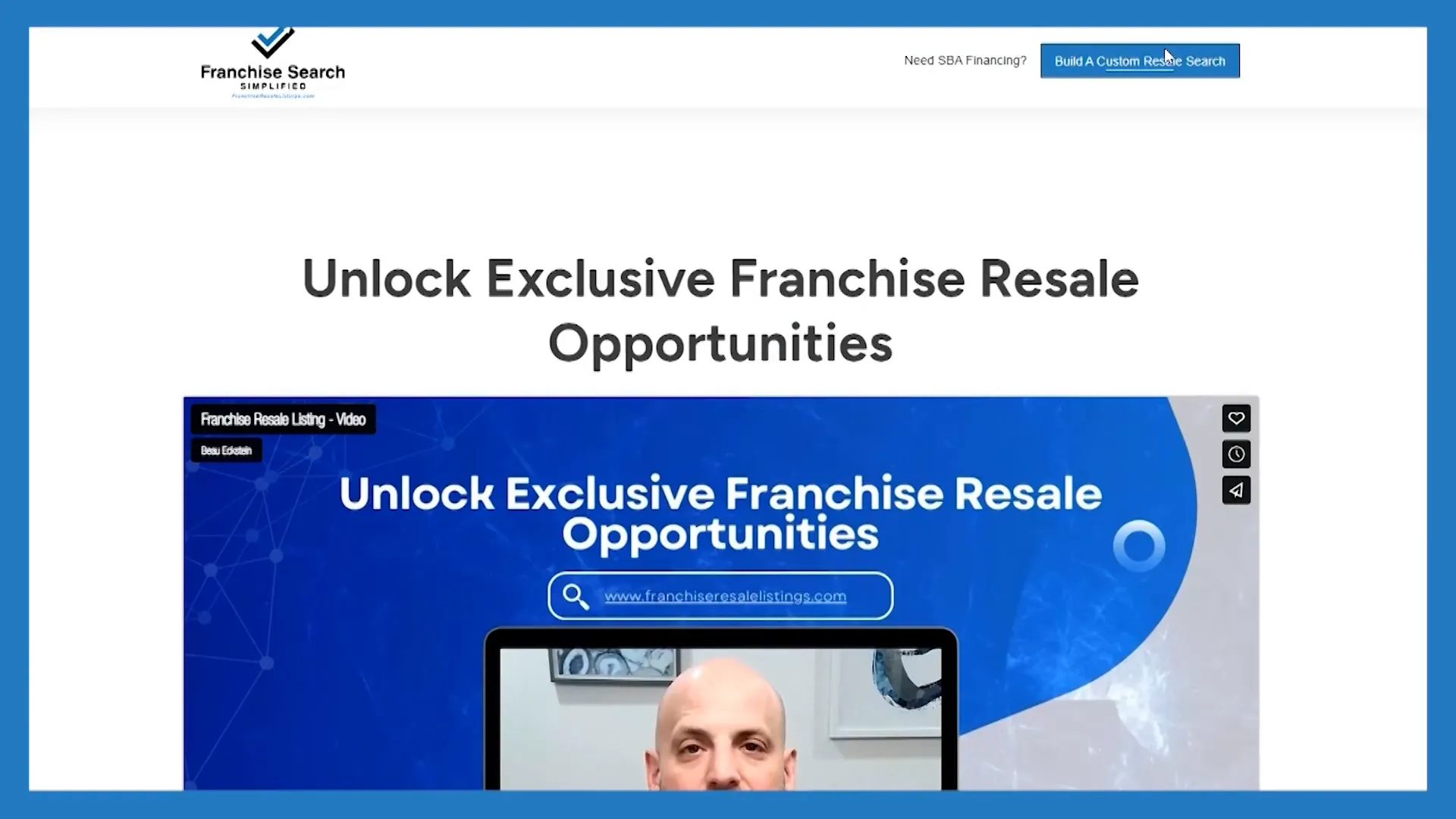
If you’re serious about acquiring a business, stop scrolling and get intentional. I help clients run a customized search, complete a business assessment, and get matched to vetted opportunities. Visit franchise resale listings and opt into weekly inventory if you want new deals delivered to your inbox. Whether you choose vending, a dance franchise, home services, or another model, the steps are the same: assess, validate, pilot, then scale.
Conclusion — a practical invitation from your Business Ownership Coach | Investor Financing Podcast

Bringing your kids into a semi-passive business is one of the best investments you can make in their future. As your Business Ownership Coach | Investor Financing Podcast host, I’ve seen vending routes, dance studios, and home services turn into real schools of entrepreneurship. If you want practical help — from business assessment to funding — I’m here to guide you. Start with small, validated steps, and build a business that teaches, earns, and passes value to the next generation.
Ready to get started? Book a call, complete a business assessment, and let’s find the right opportunity for your family.