
Business Ownership Coach | Investor Financing Podcast — if you are evaluating a dumpster-type franchise like Redbox+ and trying to understand financing, this is a practical roadmap for how to approach costs, lender expectations, and the documents you will need. I’ll walk through how to build your sources and uses, what down payment to expect, where collateral matters, and how to find lenders that underwrite to SBA standards without heavy overlays.
Is this franchise eligible for SBA financing?
Start by confirming the franchise appears on the SBA approved directory. Being listed means the concept is SBA eligible — it is not the same as SBA “approval,” but it clears the basic eligibility hurdle. That immediately opens the door to SBA 7(a) lending and related programs, assuming the franchisor’s disclosure documents and the franchise unit profile meet SBA guidelines.
As a Business Ownership Coach | Investor Financing Podcast tip, always cross-check the franchise disclosure document and the SBA directory before you build a financing plan. That short step saves time and avoids chasing lenders for ineligible concepts.
Total project costs and the importance of working capital

Photo by Mehdi Mirzaie on Unsplash
When you read an estimate like “about $700,000,” don’t stop there. Break the total down into:
- equipment (trucks, dumpsters)
- franchise fees and initial setup
- build-out or branding costs
- prepaid expenses and deposits
- working capital—operating cash until the business stabilizes
Often the figure shared by a franchisor focuses on hard startup costs and leaves working capital undercounted. Build a clear sources-and-uses table that includes a conservative working capital line. Lenders will want to see this in the business plan and the projections.
As you organize, keep the Business Ownership Coach | Investor Financing Podcast mindset: figures that look clean on a franchise summary often need padding when you prepare for real operations. That protects both you and the lender from early cash pressure.

How much will banks lend? Down payment expectations
PLP SBA lenders and direct SBA banks commonly finance between 80% and 90% of total project costs. That typically translates to a client contribution of roughly 10% to 20%. For a $700,000 project, expect to bring somewhere between $70,000 and $140,000, depending on:
- the lender’s appetite and overlays
- your credit score and financial strength
- whether the franchise is a startup or an existing unit
Keep in mind that 80% to 90% financing applies to the total project cost, not just equipment. Lenders will scrutinize your sources and uses to make sure the working capital portion is realistic.
Repeatable franchise concepts often make underwriting easier because the franchisor provides historical performance and templated projections. That can help you secure the higher end of that financing range.
Collateral shortfalls, personal guarantees, and lender overlays

Photo by Amina Atar on Unsplash
For asset-light businesses or franchises with high equipment-to-project ratios, banks will often identify a collateral shortfall: the loan amount exceeds the value of the financed assets. When that happens, expect the SBA and the bank to require additional collateral or guarantees.
Common solutions include:
- liens on personal real estate (primary residence or investment properties)
- personal guarantees from principals
- subordinations or intercreditor arrangements when you already have mortgages
Some banks apply overlays — additional internal requirements beyond SBA Standard Operating Procedure. Others underwrite strictly to the SOP. When possible, shop for lenders that underwrite to SOP; they will be more flexible and less likely to add arbitrary credit overlays.
From a practical perspective, if you have substantial personal equity in a home or rentals, you become a much stronger borrower. That often reduces the down payment and speeds approval. That is a real-world consideration to weigh when structuring the deal.
Finding the right lender and building your financing package

Photo by Amina Atar on Unsplash
Not every bank likes every franchise sector. Some lenders specialize in food and beverage; others like service and logistics concepts such as dumpster franchises. Your job is to match the franchise to a bank that has funded similar concepts. That makes approvals smoother and underwriting comments more predictable.
The financing package should include:
- a clean sources-and-uses statement
- financial projections and an executive summary
- the franchise disclosure document and franchise agreement
- personal and business tax returns
- balance sheets and profit and loss statements for existing businesses
You do not have to produce every item from scratch. Franchisors often provide templated business plans and historical unit economics that speed the process and make the lender’s work easier.
Documentation: what lenders will ask for first
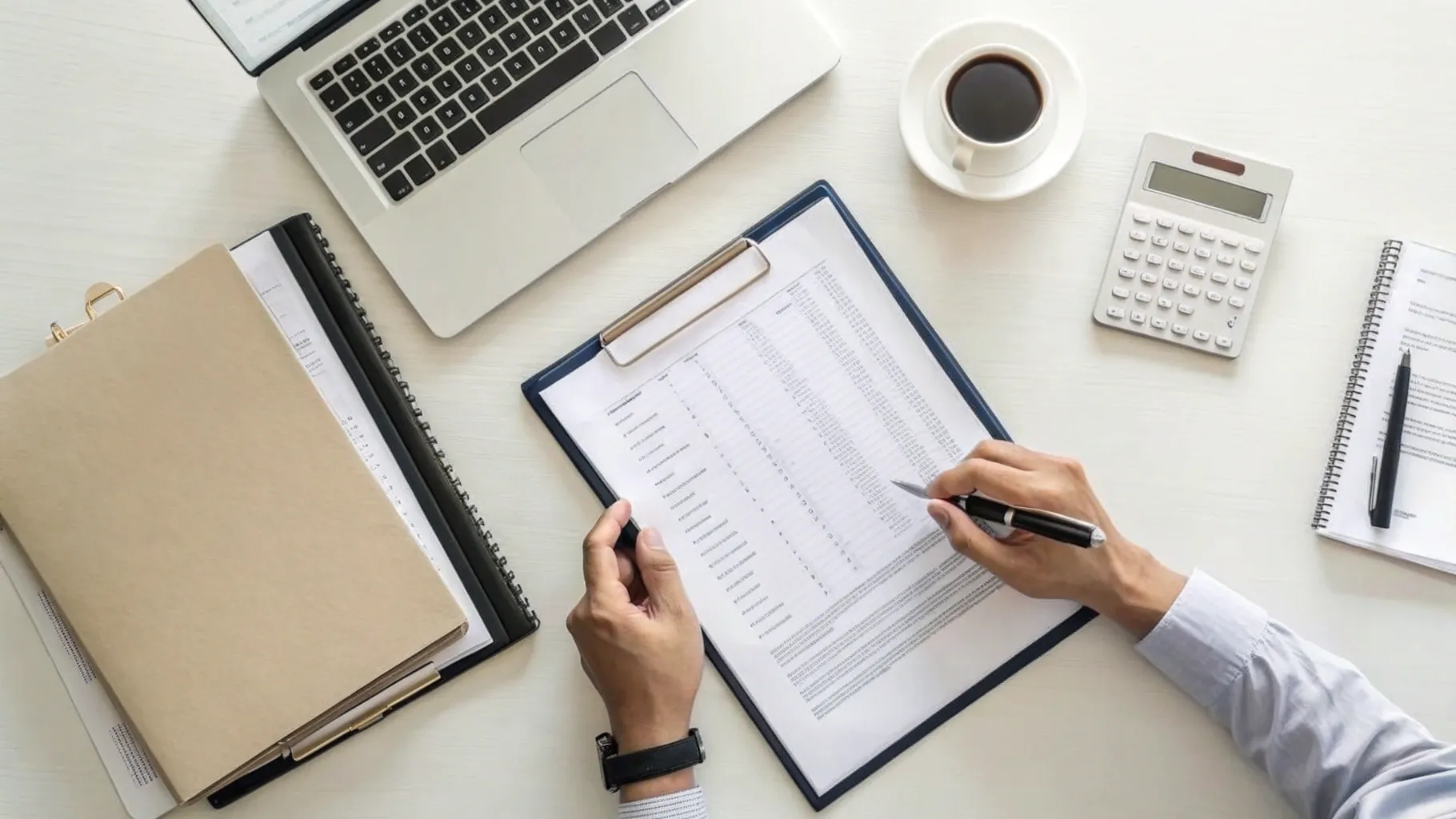
Once you decide to move forward, prepare the standard SBA forms and documents early. The most common initial requirements are:
- SBA Form 413 (Personal Financial Statement)
- SBA Form 1919 (Borrower Information Form) for the business
- personal tax returns for the last two to three years
- business tax returns and financial statements for any existing entities
- debt schedules and details on any collateral
These items are generally all lenders need to start the process. The franchise documents and the detailed sources-and-uses complete the package. Preparing them thoroughly reduces back-and-forth delays and positions your loan for faster approval.
Final recommendations and how to move forward
Here are the practical next steps when evaluating a dumpster franchise like Redbox+:
- confirm SBA directory eligibility
- build a conservative sources-and-uses table that includes working capital
- determine personal contribution target: plan for 10% to 20% of total project costs
- identify lenders that underwrite to SBA SOP and have experience with similar franchises
- gather SBA forms and personal/business financials early
If you want direct help matching lenders, building projections from templates, and preparing a clean financing package, I work with investors and franchised buyers to facilitate those exact steps. The goal is to remove surprises, find a bank that won’t apply burdensome overlays, and get your loan approved on predictable timelines.
The phrase Business Ownership Coach | Investor Financing Podcast is about guiding ownership decisions with practical financing strategies. Use that approach: conservative assumptions, the right lender match, and complete documentation. That combination makes approval realistic and repeatable.