
RV parks are quietly becoming one of the most compelling niches in commercial real estate. If you’re thinking like a Business Ownership Coach | Investor Financing Podcast listener—looking for scalable assets with operational upside and multiple revenue streams—RV parks deserve a serious look.
Why RV parks deserve your attention
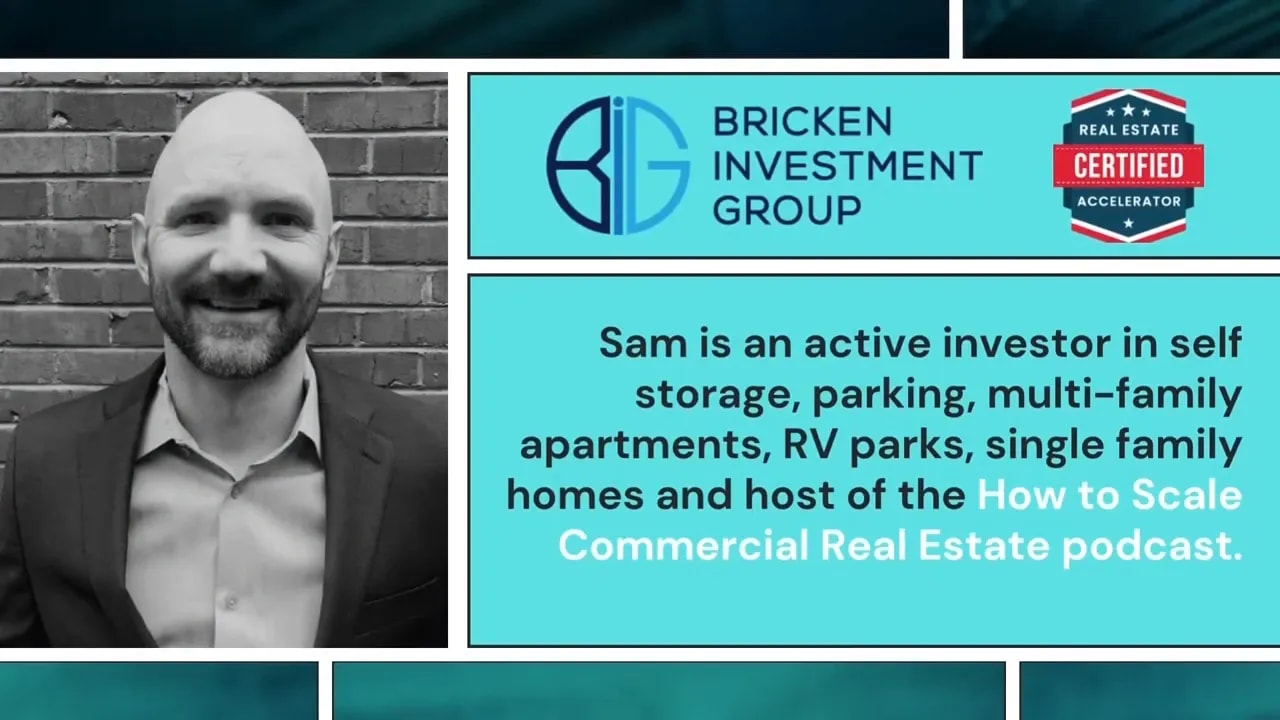
RV parks combine the best parts of hospitality, storage, and land-based real estate. They can offer strong cash flow, lower cost per entry than many institutional asset classes, and the flexibility to build ancillary income. Many investors who follow the Business Ownership Coach | Investor Financing Podcast mindset are drawn to RV parks because they:
- Contain multiple income lines: pad rent, transient nightly fees, storage, marina fees, on-site short-term rentals and more.
- Are operationally fragmented: most parks are mom-and-pop owned, leaving space for systems and institutional improvements.
- Scale well: once you standardize operations, adding more parks becomes a machine rather than another one-off job.
Treat RV parks like a small commercial ecosystem. The pad count matters, but secondary amenities—like a boutique motel on site or marina docks—can change the economics dramatically.
How to size and underwrite an RV park
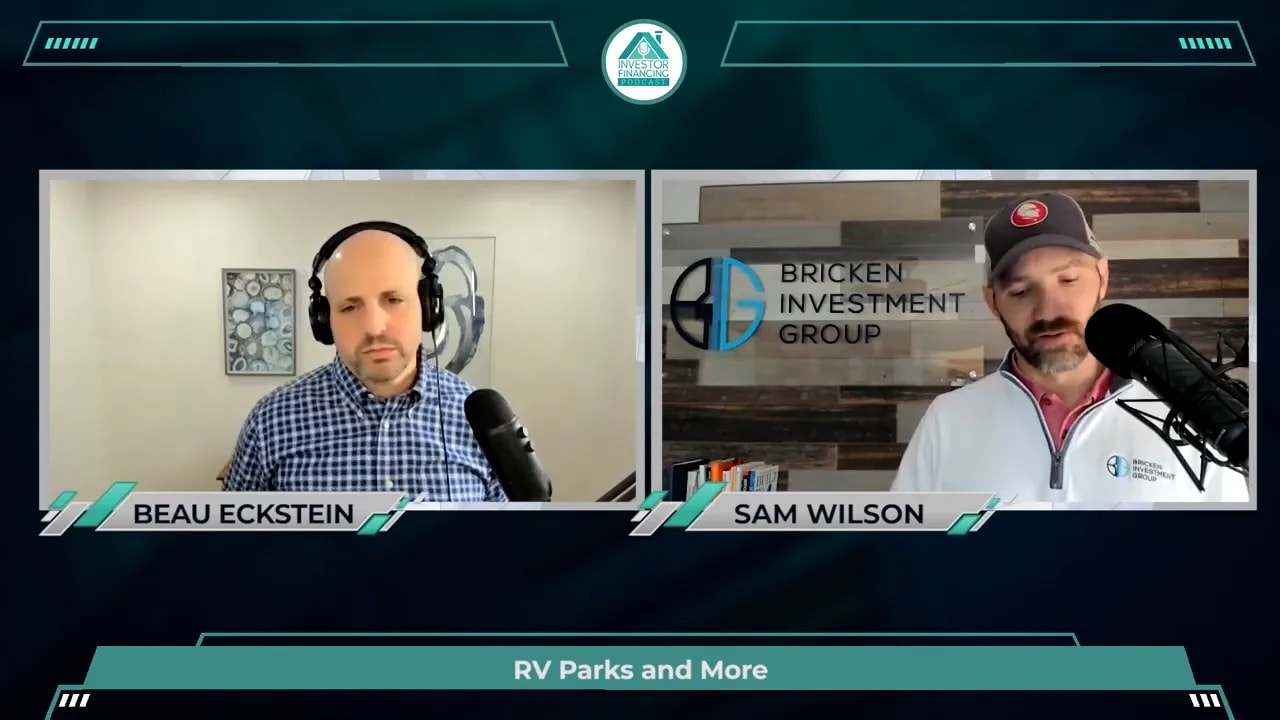
There is no one-size-fits-all rule for pad count. Price-per-pad is highly market dependent. Start by asking:
- Who is the demand generator? Is the park near a vacation destination, manufacturing hub, or transit corridor?
- What ancillary revenues exist? Storage spots, short-term rentals, marinas and events can all lift NOI.
- What are seasonal occupancy patterns? Some parks have reliable year-round cash flow; others are highly seasonal and require different underwriting assumptions.
A pragmatic approach is to start with smaller parks to learn operations, then scale up. Many investors begin with deals in the $2–$5 million range to iron out operating playbooks and then move toward larger, more scalable assets.
Ancillary revenue is where the upside lives
Consider an RV park that also has a 16-room cottage or motel you can list on short-term rental platforms. Add glamping tents on scenic sites, offer boat slips at a marina, or build out secure RV storage. These value-add plays are often low-cost relative to the revenue they unlock.
When you model an RV park, make separate line items for each ancillary stream and stress-test occupancy and rates independently. That way, you can see which improvements produce the highest marginal returns.
Fragmented market = opportunity for systems and scale

Photo by Daniel Miksha on Unsplash
Industries that remain largely mom-and-pop owned are ripe for operational optimization. Bringing institutional processes, centralized marketing, and standardized maintenance plans to a fragmented RV park market can multiply value.
The Business Ownership Coach | Investor Financing Podcast viewpoint emphasizes that optimization is where you earn returns—not just in buying low. If operators are worn out and under-systems, you can add efficiency and capture the upside.
Scaling with partners: syndication and fund-of-funds strategies

Photo by Julian Ackroyd on Unsplash
Not every investor has to be the operator. You can scale using partnerships and syndicated structures:
- Joint venture with experienced operators: bring investor relations, marketing, and capital while your partner runs acquisitions and day-to-day operations.
- Fund-of-funds approach: pool investor capital in a single LLC that becomes a preferred limited partner in larger sponsor deals, securing enhanced economics for your investors.
- Passive limited partner stakes: participate in larger portfolios without violating regulatory roles—provide capital through limited partnerships and receive upside without managing the asset.
This model scales faster because you can leverage other teams’ operating capabilities and your capital-raising strengths. It is a favorite play for anyone following Business Ownership Coach | Investor Financing Podcast principles who wants to expand without building every team in-house.
Underwriting best practices and using third-party review

Photo by Julian Ackroyd on Unsplash
Do your own high-level underwriting and then hire an independent underwriter for an objective read. A few steps to follow:
- Do a high-level review: check rent roll, pad mix, occupancy history, and ancillary income estimates.
- Hire an independent underwriter: pay them a flat fee to validate assumptions. An outside read often catches optimism bias.
- Stress-test scenarios: test reduced occupancy, lower ancillary revenue, and higher capex to understand downside risks.
A disciplined underwriting process reduces surprises and makes capital-raising conversations much smoother.
How to get into larger projects: add value, find mentors, and join teams

Photo by Julian Ackroyd on Unsplash
If you are moving from single-family or small multifamily into larger commercial projects:
- Add value first: offer underwriting help, source deals, or manage investor communications until you earn credibility.
- Find a mentor: pay to work directly with someone executing big deals. Practical guidance from active sponsors beats most courses.
- Join a team: become a trusted contributor and then negotiate a GP role once you have demonstrated value.
The Business Ownership Coach | Investor Financing Podcast approach is practical: lean into what you enjoy and are good at—raise capital and handle finance—while partnering for the operational gaps.
Real lessons from the field: operations, mistakes, and resilience

Photo by Julian Ackroyd on Unsplash
One hard-earned lesson: never put a property manager into a new market as their first presence there. If a management company lacks local contractors, staffing, or local process, expect delays and lost months of optimization.
Another reality is that life happens. Personal resilience, mentorship, and a clear set of short, visible goals help keep the business moving forward. Simple rituals—three short goals on a mirror, a brief check of key metrics—are better than no structure at all.
Quick action checklist
- Identify a partner with RV park acquisitions or operations experience.
- Start small to learn operations, then scale into larger parks.
- Scope ancillary opportunities—storage, marina, short-term rentals.
- Use a third-party underwriter to validate assumptions.
- Find a mentor who will answer real questions and let you add value.

Final thoughts
RV parks are an attractive commercial niche for anyone who follows the Business Ownership Coach | Investor Financing Podcast philosophy: focus on scalable, fragmented markets where systems create outsized returns. Whether you plan to be an operator, a capital partner, or use a fund-of-funds structure, the playbook is the same—find partners, validate assumptions, and standardize operations.
If you build a repeatable process and keep the owner-investor relationship honest and transparent, RV parks can be a meaningful part of a long-term commercial real estate strategy.