
A Business Ownership Coach helps entrepreneurs look beyond the day-to-day work and evaluate opportunities that can build durable revenue, operational leverage, and long-term enterprise value. For contractors, plumbers, HVAC operators, handymen, and aspiring owners, restoration can be a compelling adjacent business because property damage is an urgent need, not a discretionary purchase.
Water damage, fire and smoke damage, mold concerns, contents handling, cleanup, and reconstruction can create multiple service opportunities around one customer event. The opportunity is not simply to add another truck. It is to build a system that captures emergency work, manages the customer experience, coordinates technical labor, and potentially feeds reconstruction revenue.
That said, restoration is not a shortcut. It requires the right territory, compliance plan, staffing model, referral strategy, working capital, and financing structure. A thoughtful Business Ownership Coach approach starts with those fundamentals before choosing a franchise or launching an independent operation.
Why Restoration Can Be a Smart Add-On for Contractors
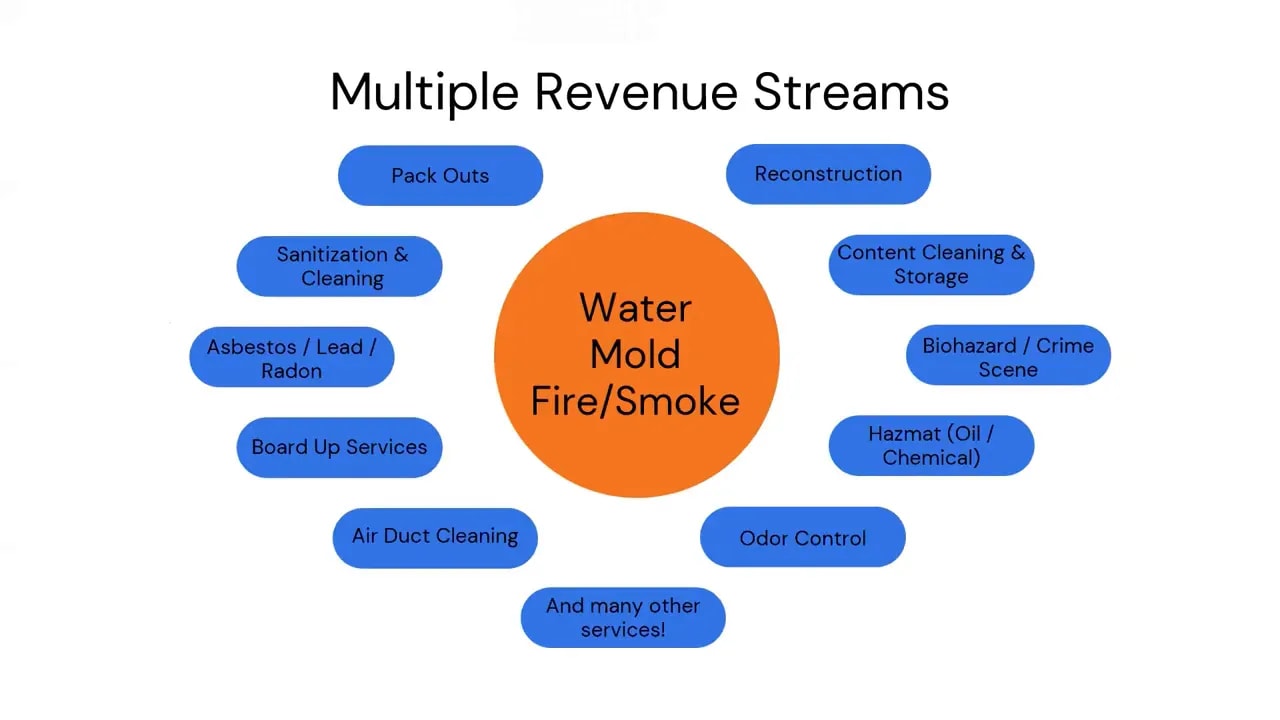
Restoration fits naturally beside many trade and construction businesses. A plumbing company may discover water-loss work first. A general contractor may be positioned to perform rebuilding after mitigation. A cleaning company may add related services such as carpet, floor, tile, air duct, or odor cleaning.
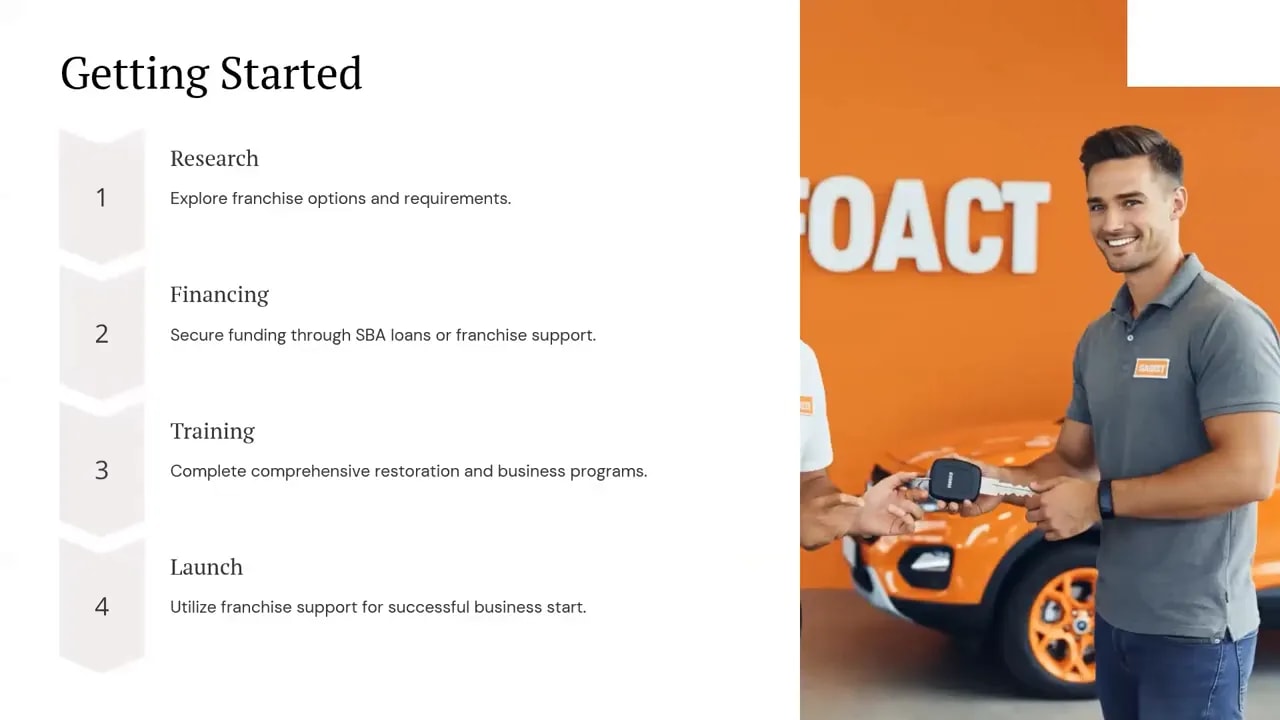
The key is to think about the customer journey. After a damaging event, the property owner may need several services over weeks or months:
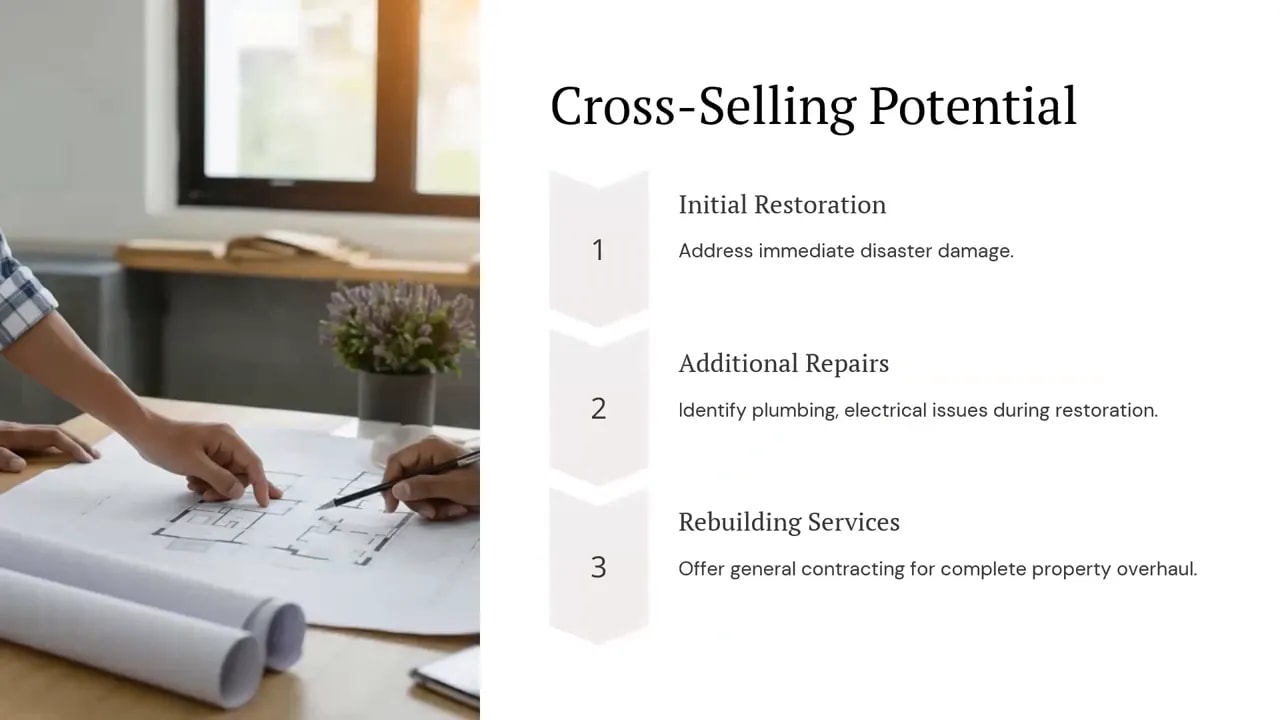
- Emergency response: water extraction, drying, board-up, or initial cleanup.
- Remediation: addressing water, smoke, mold, odor, or other affected materials.
- Contents services: packing, cleaning, sanitizing, storage, and return delivery.
- Reconstruction: repairing and rebuilding the property after remediation.
- Specialty services: potential work involving biohazard cleanup, lead, asbestos, radon, or hazardous-material response where properly qualified.
This is where a Business Ownership Coach should challenge the operator to identify what will be completed in-house, what will be subcontracted, and what must be handled by licensed specialists. For an established contractor, restoration can create a strong referral path into reconstruction. For a non-trades owner, the model may begin with trained technicians and qualified subcontractors.
What a Restoration Franchise Actually Provides
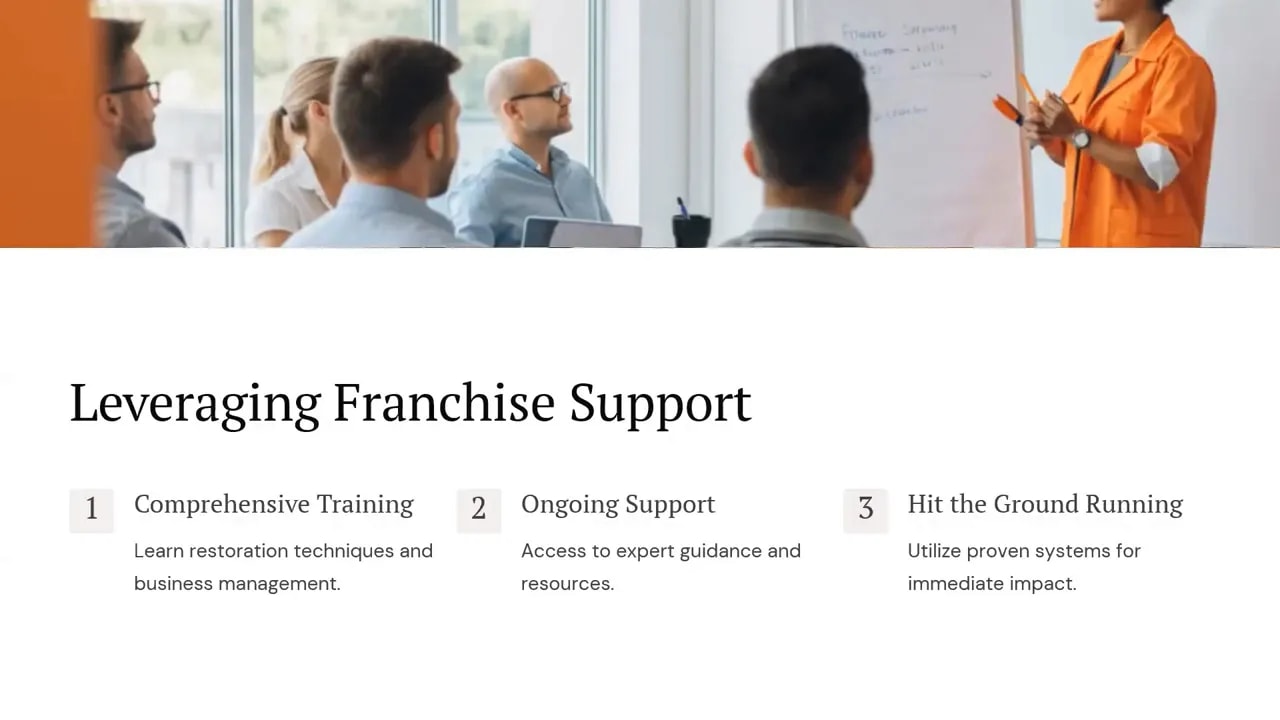
A restoration franchise is not the same as buying a job. It is a business model with a brand, operating procedures, training, technology, vendor relationships, and varying degrees of marketing support. The quality of that support differs significantly by brand, so do not assume every system provides the same resources.
A well-supported franchise may offer:
- Initial and ongoing technician training
- Operating systems and standardized workflows
- Call-center and lead-handling capabilities
- Digital advertising support, including pay-per-click campaign management
- Recruiting assistance and guidance for hiring key personnel
- Peer networks, cross-referral relationships, and owner validation access
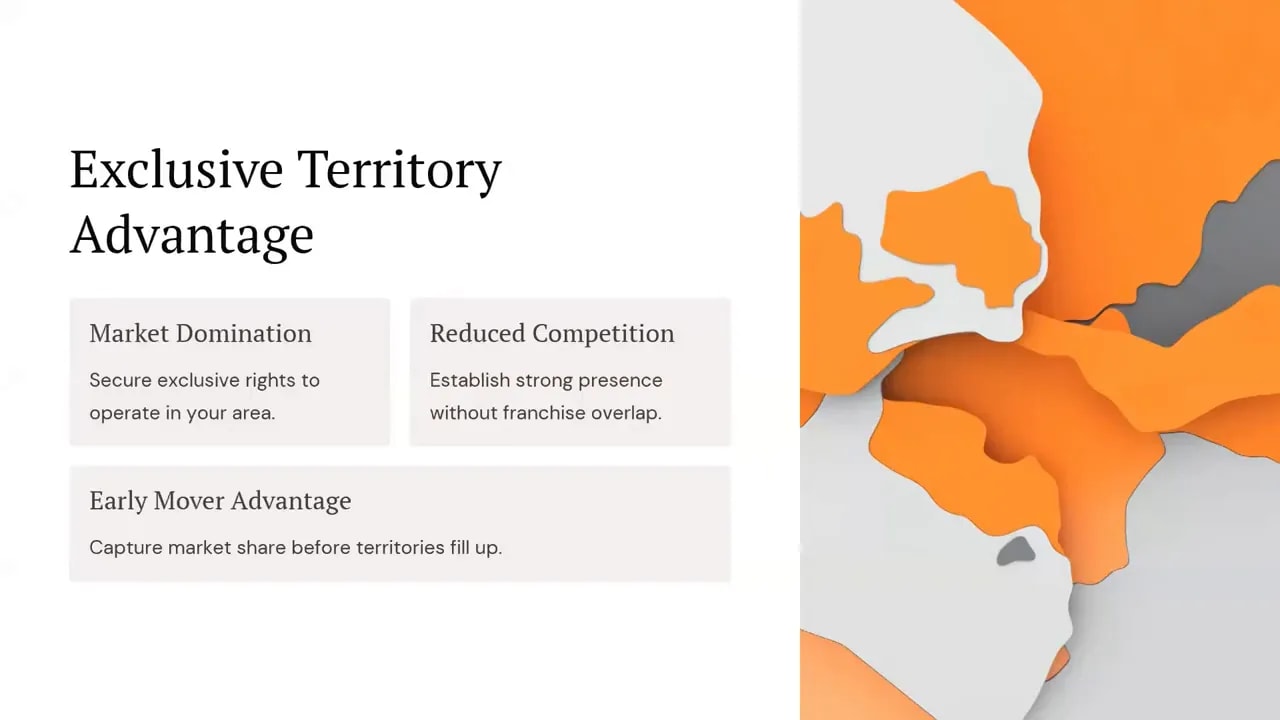
- Defined territory rights, subject to the franchise agreement
The value of the franchise is the playbook. A new owner still needs to lead locally, build relationships, hire well, manage job quality, and follow the system. A Business Ownership Coach should not position any franchise as passive. The better description is semi-absentee potential after an owner has built the right management and technician infrastructure.
How Restoration Businesses Generate Leads
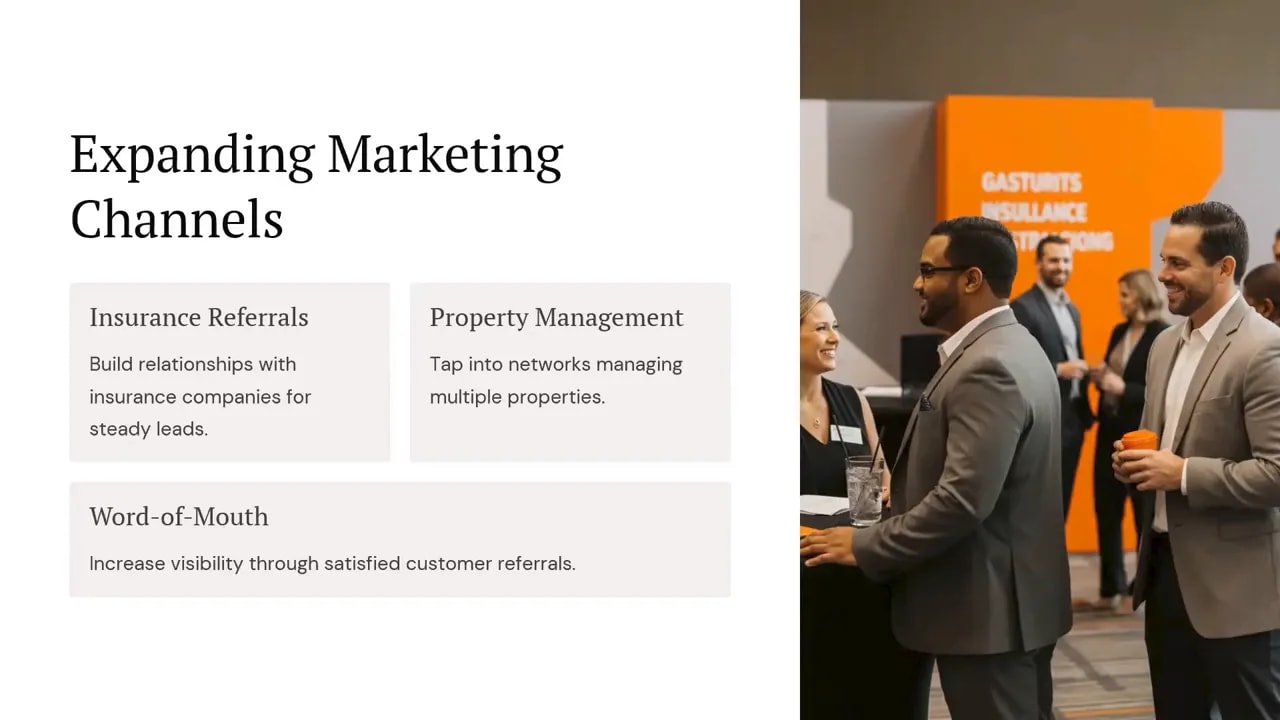
Emergency service businesses need more than one lead source. A franchise may help with branding, digital marketing, and call handling, but local reputation is still a major growth driver. Property owners often select the company they trust, even when an insurance carrier provides referral options.
Build a local acquisition plan that combines:
- Property managers: residential and commercial managers need responsive vendors when damage occurs.
- Insurance relationships: understand ethical referral practices and focus on service quality, documentation, and fast communication.
- Trade partners: plumbers, roofers, HVAC businesses, flooring companies, appliance repair providers, and glass companies can become referral partners.
- Local visibility: networking, community involvement, online reviews, and press around a new launch can strengthen credibility.
- Existing customers: contractors with an established book of business can announce the added restoration capability to clients who already know their work.
Do not make the mistake of treating marketing as someone else’s job. The franchise may provide the infrastructure, but the owner has to become known in the market. This is especially important during the first year, when response times, referrals, reviews, and local relationships establish the business reputation.
Staffing, Subcontracting, and Scaling the Operation
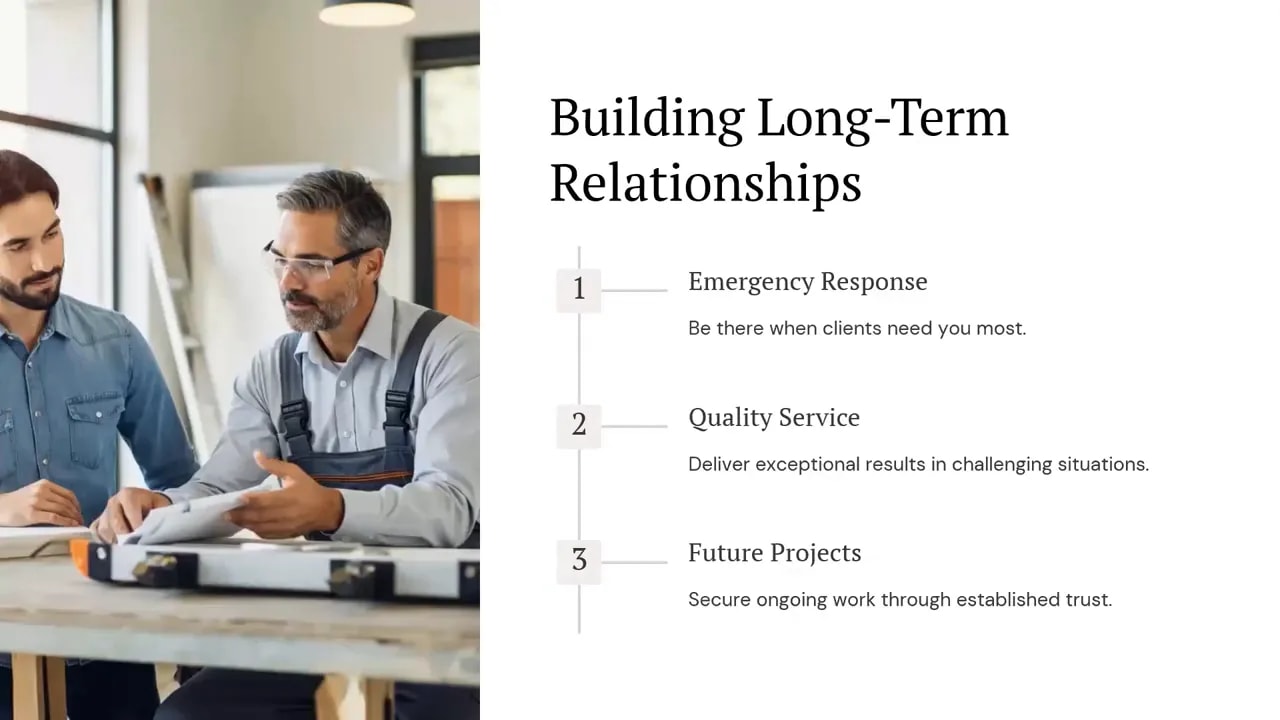
Most restoration businesses scale through a combination of field capacity and sales capacity. An early model may begin with a lead technician and a small team, then add trucks and technicians as demand supports it. Some parts of the job, particularly construction and specialized work, may be subcontracted depending on the owner’s qualifications, licensing, and local rules.
For an operator with general contracting experience, performing reconstruction can increase the scope of work retained after remediation. For someone without a trade background, it may be more practical to focus first on job management, customer communication, referral development, and qualified subcontractor oversight.
Build toward an organization, not self-employment. The owner’s role should gradually move toward managing people, systems, profitability, sales relationships, and growth. This is the difference between being trapped as the main technician and owning a scalable company.
Licensing and Compliance: Do Not Skip This Step
Licensing requirements vary by state and by service line. Restoration often overlaps with contractor licensing, environmental requirements, hazardous-material handling, and other local regulations. States such as California may have more stringent contractor licensing requirements, while other locations may have fewer requirements for certain services.
Before investing, confirm the following with appropriate legal, licensing, and insurance professionals:
- Whether the proposed services require a contractor license
- Who will hold the license and supervise regulated work
- Requirements for mold, asbestos, lead, biohazard, or hazardous-material services
- Required general liability, commercial auto, workers’ compensation, and other coverage
- Local permitting, employment, and subcontractor compliance obligations
A Business Ownership Coach can help identify the questions, but licensing and legal conclusions must come from qualified professionals in the relevant jurisdiction. Never assume a franchise affiliation removes the operator’s compliance responsibilities.
Financing a Restoration Franchise or Expansion in 2026
SBA-backed financing remains a common tool for qualifying entrepreneurs who are starting, acquiring, or expanding businesses. The SBA guarantees portions of eligible loans made by participating lenders. It does not directly make most business loans.
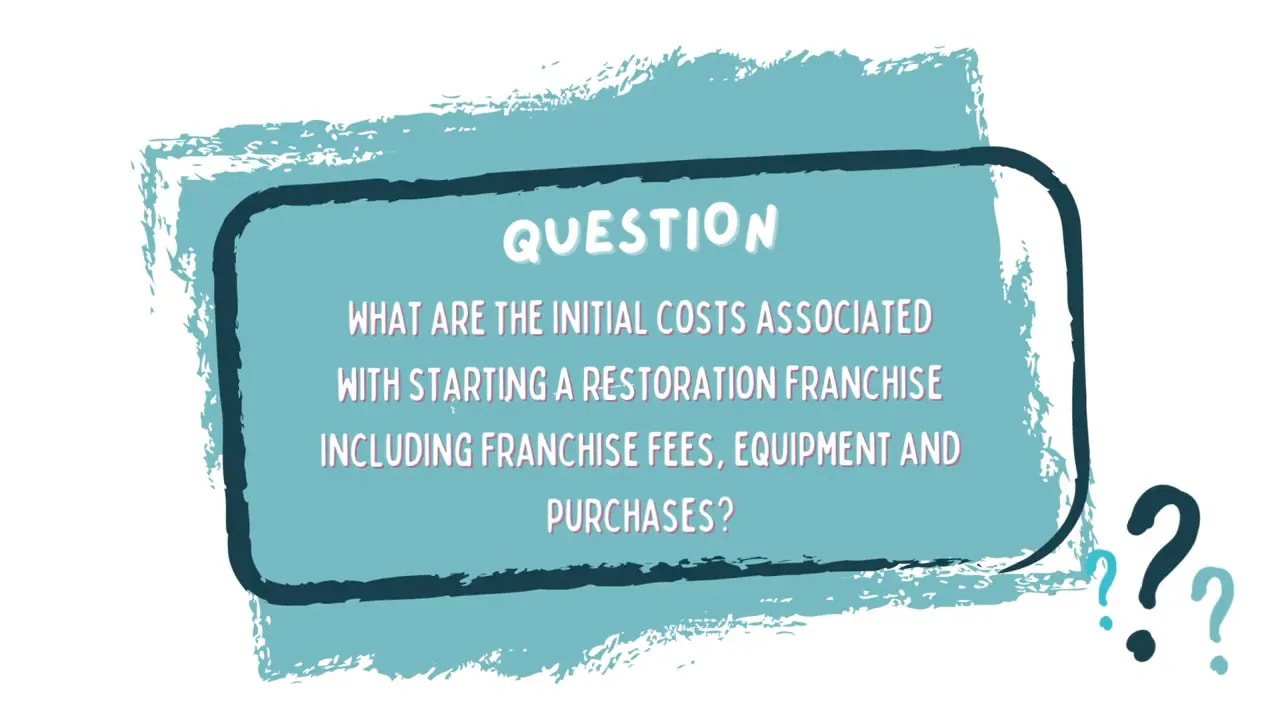
For a startup franchise, the total project budget may include the franchise fee, equipment, vehicles, training, technology, leasehold needs, insurance, launch marketing, and working capital. The Franchise Disclosure Document, or FDD, is central to evaluating these costs. Item 7 presents the estimated initial investment range, while Item 19, if included, contains the franchisor’s financial performance representation.
Funding terms, equity requirements, credit standards, interest rates, and lender underwriting change over time. In 2026, borrowers should avoid relying on generic online claims that every startup receives a certain percentage of financing. A lender will assess personal credit, liquidity, outside income, experience, business plan quality, projected debt coverage, and the specific franchise or acquisition.
For an established contractor considering an acquisition or related expansion, the financing conversation can be different from a startup loan. A SBA lending discovery call can help clarify how the transaction structure, business cash flow, and use of funds affect the available options.
Due Diligence Questions Before You Buy
A serious Business Ownership Coach process is designed to remove emotion from the decision. Do not buy a franchise merely because the service sounds profitable or because a brand seems familiar. Take the time to review the FDD, inspect the territory, understand the local competitive landscape, and speak with current and former franchisees where permitted.
Ask direct questions during validation:
- How long did it take to generate consistent leads and reach positive cash flow?
- What services produce the most work in this market?
- How much local marketing is required beyond franchisor-provided leads?
- What are the recurring royalty, marketing, technology, and operational costs?
- What technician certifications, licenses, vehicles, and equipment are necessary?
- Which services are handled internally versus subcontracted?
- How often do jobs lead to reconstruction, contents work, or other add-on revenue?
- What are the biggest surprises new owners face in the first 12 months?
Build a realistic three-year projection. The first two years should be modeled monthly so that you can account for ramp-up, payroll, truck additions, insurance, marketing, debt payments, and working capital. Conservative planning is not pessimism. It is how you protect the business from being undercapitalized.
Common Restoration Business Mistakes
- Underestimating working capital: early revenue can be uneven, while payroll, vehicles, insurance, and marketing costs continue.
- Ignoring licensing: a great territory does not matter if the business cannot legally perform or supervise the intended work.
- Buying based on brand alone: evaluate the operating model, support, unit economics, and local competition.
- Trying to do every job personally: build technicians, project management, and referral systems.
- Failing to network locally: emergency services depend heavily on trust and response relationships.
- Not following the system: a franchise playbook only creates value when it is implemented consistently.
Next Steps for Prospective Business Owners
The right opportunity depends on your market, capital, experience, lifestyle goals, and willingness to build a team. Restoration may be an excellent bolt-on for a contractor, but another home-service model may be a better match for a different operator.
Start by defining your target role. Do you want to operate in the business daily, lead it as a semi-absentee owner, add a complementary revenue stream to an existing company, or acquire a company with an established team? A Business Ownership Coach can help align the model with that objective before you commit capital.
For further support, explore the Business Ownership Academy community, subscribe to the business ownership newsletter, or schedule a business ownership conversation. Owners who need administrative leverage as they scale can also explore virtual assistant support for business owners.