
Economic uncertainty can make any ownership decision feel heavier. Higher borrowing costs, changing consumer behavior, and local market conditions all matter. A Business Ownership Coach helps prospective owners move past headlines and focus on one practical question: will customers still need this service when money gets tight?
For many entrepreneurs, the strongest starting point is a business built around an essential problem, not a discretionary purchase. That does not make an investment risk-free, but it can create a more durable foundation for evaluating a franchise startup in 2026.
What Makes a Franchise Recession-Resilient?
A recession-resilient franchise serves an ongoing need that customers are unlikely to postpone for long. The customer may compare prices, delay nonessential upgrades, or choose a smaller service package, but the underlying problem still needs attention.
Think about what happens when an air-conditioning system fails in extreme heat, a home is damaged by water, or a pest issue becomes unmanageable. Those situations create urgency. The owner is solving a problem, not simply selling a nice-to-have product or experience.
A Business Ownership Coach should help you separate a durable need from a business that only appears durable on the surface. A strong concept typically has:
- Urgent customer demand: The service addresses a problem that cannot easily be ignored.
- Repeat or recurring demand: Customers may need ongoing maintenance, inspections, or additional service.
- Clear local relevance: The service fits the climate, housing stock, population, or business base in the territory.
- A practical operating model: The business can deliver consistently with the people, equipment, and capital available.
Resilience is not a guarantee of revenue. It is a filter that helps an owner prioritize businesses with a reason to exist in both strong and weak economic cycles.
Essential Service Franchise Categories to Evaluate

The best category depends on your market, capital, skill set, and willingness to manage people and operations. Still, several service types deserve attention because they are connected to necessary household or business needs.
HVAC and climate-related services: Heating, cooling, and ventilation problems are especially time-sensitive in areas with severe temperatures. When essential systems fail, households and commercial customers often need a prompt solution.
Pest control and wildlife services: Customers seek help when insects, rodents, or wildlife threaten comfort, sanitation, or property. This category can align well with a recurring service model, but territory demand and local operating requirements should be researched carefully.
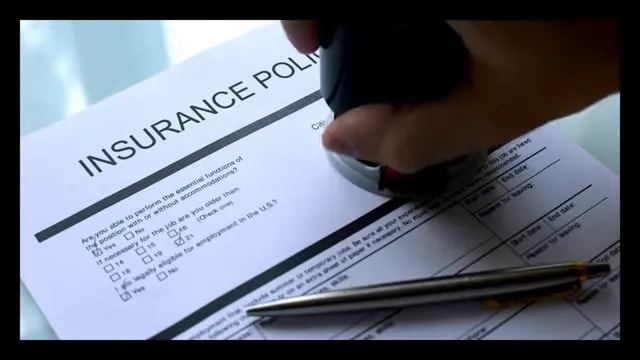
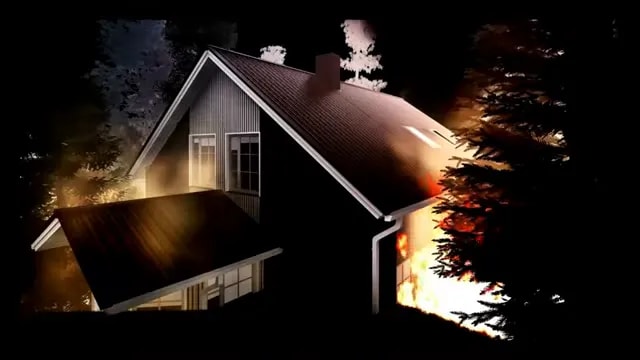
Property restoration: Water damage, fire damage, and similar property events can require immediate response. Insurance coverage may be part of the payment path in certain situations, which is one reason restoration is often considered when evaluating need-based businesses.
Junk removal and hauling: Customers still need items removed during moves, property cleanouts, renovations, and difficult life transitions. Demand may also emerge from changing property conditions, including distressed or vacated homes.
Estate sale services: Families often need help sorting, selling, and clearing belongings after a major life event. This is a specialized service, so success depends on local demand and an owner’s ability to manage sensitive client situations professionally.
Why Home Services Can Be a Strong Starting Point

Home service businesses are worth reviewing because homes require maintenance regardless of consumer confidence. A homeowner can postpone a cosmetic project, but a major water issue, broken HVAC system, infestation, or accumulated debris usually moves higher on the priority list.
That is why a Business Ownership Coach often begins with the need-versus-want test. It keeps the evaluation centered on customer behavior instead of excitement around a brand name, a trend, or a polished franchise presentation.
Before pursuing a home service franchise, ask:
- What specific problem is the customer paying to solve?
- How urgent is that problem when household budgets are under pressure?
- Does the territory have enough homes or businesses that match the target customer?
- Will the business require technicians, trucks, specialized equipment, or a physical location?
- What happens to demand if customers reduce discretionary spending?
The answers are more important than broad labels such as “recession-proof.” No business is completely insulated from the economy. The goal is to identify demand that remains relevant when conditions change.
Do Not Overlook Consultative, Low-Overhead Models
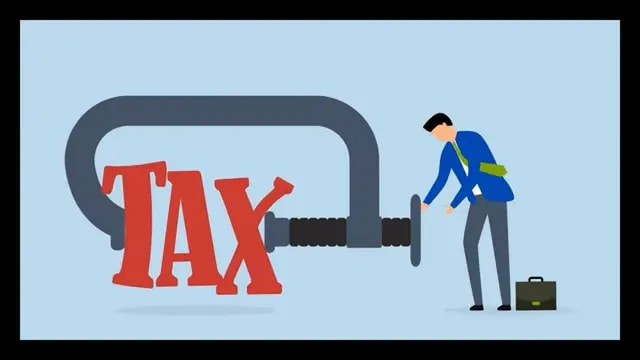
Not every resilient opportunity requires a storefront, fleet, or brick-and-mortar location. A consultative business that helps companies reduce expenses can also be worth consideration. When businesses feel pressure to protect margins, lowering costs can become a timely service.
This type of opportunity may be a better fit for someone with a consultative sales style who prefers relationship building over field operations. The tradeoff is that you need to understand how the client receives value, how the service is delivered, and what creates trust in the marketplace.
A Business Ownership Coach can help match the business model to the owner. Be honest about whether you are better positioned to manage technicians, develop referral partners, sell business-to-business services, or oversee a local office. Buying the wrong operational model is a major risk even if the industry itself is attractive.
A Practical Franchise Evaluation Framework for 2026
Start with the business fundamentals, then work toward financing and territory details. A disciplined process prevents you from making a decision based only on economic fear or optimism.
- Define your ownership fit. Identify the work you are prepared to do, the management responsibilities you can handle, and whether you prefer field operations or consulting.
- Test the need. Write down the customer problem and determine whether it is essential, recurring, urgent, or insured in certain circumstances.
- Review the territory. Availability alone is not enough. Consider whether the local market supports the type of customer and service model.
- Understand startup requirements. Map out the capital needs for equipment, staffing, vehicles, working capital, and any facility requirements.
- Stress-test the decision. Ask whether you can still see a path to making a living if economic conditions weaken.
If SBA financing may be part of the plan, schedule an SBA discovery call to discuss the lending side of a potential business acquisition or startup. Financing should support a sound business decision, not rescue a weak concept.
Common Mistakes When Choosing a Franchise During Uncertainty
The biggest mistake is treating uncertainty as a reason to stop evaluating opportunities altogether. The opposite mistake is assuming an essential-service label makes every franchise a good investment. Both approaches skip the actual work of ownership analysis.
- Chasing a category without checking the territory. A good service in one market may not be the right fit in another.
- Confusing brand recognition with local demand. Customers must still need the service and be able to find the business.
- Ignoring the operating reality. A field-service model may require leadership, scheduling, technicians, and equipment management.
- Underestimating the impact of financing. Borrowing costs and working capital need to be considered before signing commitments.
- Buying a want-based concept for defensive reasons. If the customer can easily delay the purchase, plan for that possibility.
A good Business Ownership Coach keeps the conversation grounded: identify the need, confirm the territory, understand the operating model, and make sure the capital structure fits the opportunity.
Next Steps for Future Franchise Owners
Economic uncertainty does not eliminate franchise opportunities. It raises the standard for decision-making. Look first at businesses that solve unavoidable problems, then assess the local territory, the day-to-day work, and the financial requirements.
For structured support as you compare ownership paths, explore the Business Ownership Academy and subscribe to the business ownership newsletter. A Business Ownership Coach can help you evaluate a specific opportunity, but the objective remains the same: acquire a business you can operate confidently through changing conditions.
Frequently Asked Questions

Is a franchise startup a good idea during economic uncertainty?
It can be, provided the opportunity serves a genuine need, fits the local market, and has financial and operating requirements you can realistically support.
What are examples of need-based franchise businesses?
Examples include HVAC, pest control, property restoration, junk hauling, estate sale services, and consultative expense-reduction businesses.
Are home service franchises recession-proof?
No business is recession-proof. However, home services that address urgent or necessary problems may have more durable demand than discretionary services.
How can a Business Ownership Coach help with franchise selection?
A Business Ownership Coach can help assess the need for the service, territory fit, operating model, capital needs, and whether the opportunity matches your ownership goals.