
Welcome to an exciting deep dive into one of the most accessible and scalable business opportunities today — vending machines and unattended retail. In this article, brought to you by Beau Eckstein, Business Ownership Coach, and featured on the Investor Financing Podcast, we explore the compelling reasons why vending is a fantastic gateway to entrepreneurship. Whether you're a busy corporate professional, a retiree looking for supplemental income, or someone who wants to build a legacy for your family, this business model offers a unique blend of passive income, manageable operations, and tax benefits.
Through insightful discussion with Mike Hoffman, aka Mr. Passive, a seasoned vending entrepreneur and coach, we unpack the nuts and bolts of vending, how to get started, and why it could be the perfect complement to your real estate investing or other business ventures. Below, you'll find a comprehensive guide covering everything from business setup, financing, operational strategies, to success stories and mentorship programs designed to accelerate your journey.
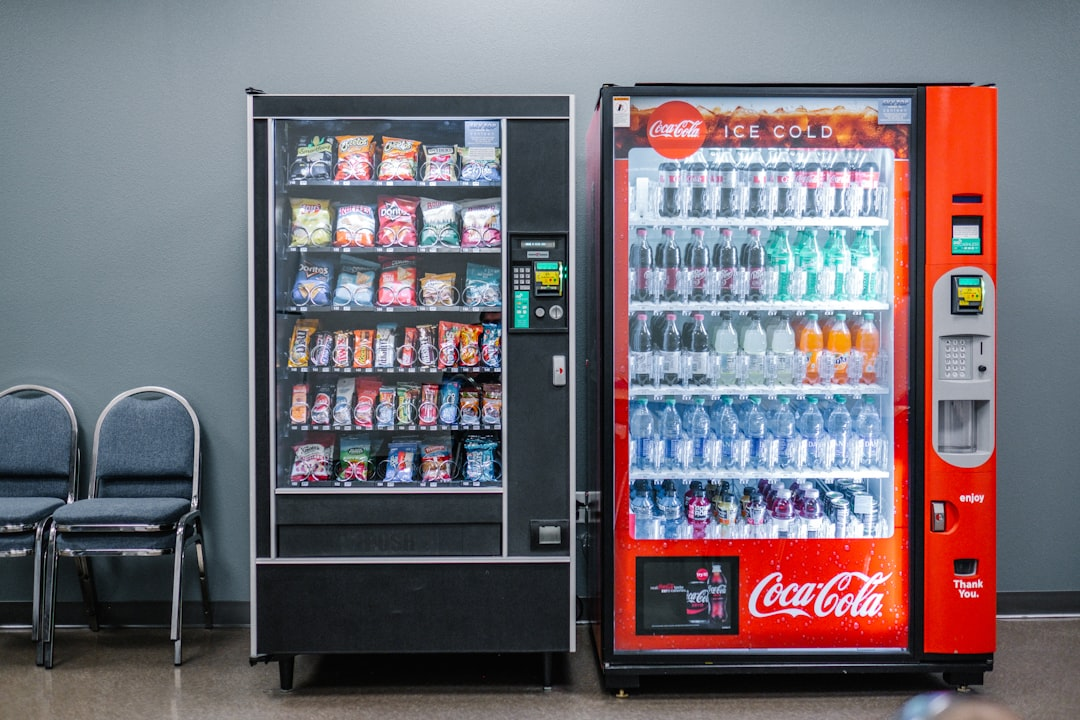
Photo by My Networking Apparel on Unsplash
Why Vending Machines Make Sense for Aspiring Entrepreneurs
Vending machines are a business model with broad appeal because they fit a variety of lifestyles and financial goals. Mr. Passive emphasizes that vending is an excellent business for an “up and coming” entrepreneur, someone who might want to involve their kids early on, or even for retirees whose pensions or social security don't cover all their expenses. The beauty of vending lies in its flexibility — you can run it alongside other businesses, or even from your phone once you set up the right systems.
“You can literally do most of everything from your computer or your phone,” Mike shares, highlighting how technology has transformed vending into a modern, scalable business.
Multiple Use Cases for Vending
- Young Entrepreneurs: Great for high school kids learning business basics and creating cash flow.
- Corporate Professionals: Offers tax advantages like Section 179 write-offs to reduce taxable income.
- Retirees: Provides supplemental income streams without the demands of a traditional job.
- Business Owners: Can be run alongside other businesses with delegated operations.
Starting with your existing network is key. Whether you know someone managing car dealerships, hockey rinks, or schools, the vending business thrives in locations with full parking lots and consistent foot traffic.
From Corporate Grind to Vending Entrepreneur
Mike Hoffman’s journey into vending began while working a grueling 80-hour week in Corporate America. His first real estate rental property taught him the challenges of upfront capital requirements. During frequent airport travels, he noticed outdated vending machines charging exorbitant prices for simple items like bottled water. This sparked his curiosity and led him to explore vending as a business opportunity.
“I paid $5 for a bottle of water I knew cost 25 cents from Costco, and someone was making money off me,” Mike recalls, which ignited his deep dive into vending and unattended retail.
Transition to Micromarkets and Unattended Retail
Mike entered the vending space in 2018 with traditional snack and soda machines but quickly recognized the potential of micromarkets — modern kiosks where customers unlock a door with a credit card and grab multiple items in one transaction. This model increases the average transaction value significantly, sometimes doubling or tripling it compared to traditional vending.
For example, the average ticket value can jump from $2.50 to around $7, thanks to the convenience and product variety offered by micromarkets.

Technology and Tracking: Managing Your Business from Anywhere
One of the biggest advantages of modern vending is the ability to track sales and inventory remotely. Mike shares how he wakes up every morning and checks the performance of machines in multiple states directly from his phone.
“I bought a route in Chicago, and every morning I scroll through the machines to see what’s sold, what’s hot, and even seasonal items like sunscreen or DayQuil,” he explains.
Making Vending Passive: Hiring and Systems
While vending is not completely hands-off initially, Mike’s coaching program, called the Accelerator, focuses on systemizing operations and delegating stocking tasks to part-time workers, such as college students or gig economy drivers. This flexibility allows you to scale up without being physically present all the time.
“We get a lot of DoorDash and Uber drivers applying because they love the flexible stocking hours — whether it’s midnight or 5 a.m., as long as it gets done,” Mike says.
Financials: Margins, Costs, and Profit Potential
Understanding the financial side is crucial. Mike breaks down the margins in unattended retail vending:
- Average transaction: ~$7
- Cost of goods sold (COGS): Approximately 30-35%
- Additional costs: Insurance, liability, data routers (~$20/month per location)
- Margins: 50-55% if stocking yourself, around 40% if hiring help
For a machine generating $2,000 per month in sales, stocking it yourself could net you $1,000 to $1,200, while hiring someone might yield around $800 monthly.

Getting Started: Financing and Reducing Friction
One of the unique advantages of the vending business is its accessibility through financing. Mike highlights that vending machines can often be 100% financed, even with zero money down, making it easier to start compared to traditional real estate investments that require large down payments.
“You can leverage this business with virtually zero money out of pocket,” he explains, emphasizing the importance of reducing friction for new entrepreneurs.
Mike’s program helps with everything from setting up an LLC, choosing insurance, to finding the right locations. The first step is often a free call with a vending preneur to assess fit and answer questions.
Strategic Location Selection
Location is everything in vending. Mike advises prioritizing places with consistent traffic, like apartment complexes, schools, or businesses with full parking lots. He warns against locations that have limited hours or remote workforces, which reduce foot traffic.
“You don’t want an office building with 5,000 employees where most work from home on Mondays and Fridays. Instead, a 100-unit apartment building with 90% of transactions after 8 p.m. is ideal,” he says.
Handling Fresh Food and Storage Constraints
Micromarkets often sell fresh items like sandwiches or salads, which require careful inventory management to avoid spoilage. Mike recommends starting small with fresh food and using creative strategies like stocking frozen burritos with a 14-day shelf life.
For storage, many operators start with a simple landscaping shed or a small cooler in a garage to hold inventory before stocking the machines.
Educational Programs and Community Support
Mike Hoffman has developed a comprehensive coaching program that includes:
- Recorded curriculum covering insurance, pricing, location scouting, and more
- Weekly live calls for updates, Q&A, and networking
- Access to preferred pricing on machines and product rebates
- Help with financing, LLC setup, and operational systems
The program offers both a DIY tier for self-starters and a Done-With-You Accelerator for those who want more hands-on support and marketing assistance.

Success Stories: From Zero to 40 Machines
Mike shares inspiring examples from his community, such as a Minneapolis father who grew his vending business to 40 machines and involved his four teenage kids by giving each one their own machine to manage. This not only builds business skills but fosters healthy competition and family bonding.
Other success stories include teachers, firefighters, and various part-time entrepreneurs who seized the opportunity and scaled quickly by diving in wholeheartedly.
How to Find and Manage Your Team
Finding reliable support is essential for scaling vending routes, especially when expanding into new cities. Mike emphasizes the importance of hiring part-time staff with flexible hours and offering incentives like profit sharing and eventual equity stakes to keep them motivated and vested in the business’s success.
“We do a lot of qualifying questions to ensure character fit,” he explains. “We start with a 90-day trial and scale hours based on demand.”
Choosing Your Niche and Starting Local
Mike suggests leveraging your personal connections and local knowledge when choosing your niche. For example, if you live near a university or have ties to schools, starting in multifamily housing or school districts can be a great entry point.
“All you need is a place with a full parking lot,” he says. “Don’t overthink the number of units or kids — if the parking lot is full, the vending will do well.”

Tax Strategies and Long-Term Growth Potential
One of the most attractive elements of owning a vending business is the tax benefits, particularly through Section 179 depreciation and bonus depreciation. Mike explains how financing machines and using the cash flow to pay them off within the first year can create powerful write-offs that offset W2 income.
“If you’re making $300-400K W2 and have no write-offs, you’re getting kicked in the booty,” he says. “Owning a vending business is like a gateway drug to entrepreneurship and tax efficiency.”
Beyond immediate income, vending routes are sellable assets with exit strategies. Routes with modern micromarkets often command higher multiples due to their revenue levels and technology, making them attractive for future roll-ups and acquisitions.
Final Thoughts: Prime Opportunity for Disruption
Vending is a rapidly evolving industry, ripe for disruption as outdated machines are replaced with smart, unattended retail solutions that increase convenience and sales. Mike and Beau both emphasize that success requires effort and persistence — vending is not a get-rich-quick scheme, but with dedication, it can become a scalable, passive income stream.
“If you strike out on seven locations but land three, you’re going to the All-Star Game,” Mike says. The key is to start, learn, and scale.
For those interested, there are resources like Mike’s coaching community where you can get mentorship, preferred pricing, and support to accelerate your vending business journey.
Get Started Today with Business Ownership Coach | Investor Financing Podcast
If you’re ready to explore vending as a business opportunity, visit businessownershipacademy.com to join the community and schedule a free discovery call. Whether you want to jump in yourself or take advantage of done-with-you mentorship programs, this industry offers a powerful way to build passive income and entrepreneurial skills.
Remember, the tax code favors small business owners, not W2 employees. By investing in yourself and learning from experienced mentors like Mike Hoffman and Beau Eckstein, you can unlock new streams of revenue and create lasting financial freedom.
Take action now — your vending business and entrepreneurial legacy await.