
Are you considering taking the leap into business ownership in 2025? Whether you’re looking to acquire a franchise, start a new venture, or optimize your tax strategy, understanding the landscape of business ownership is crucial. As a Business Ownership Coach, I’m here to guide you through the essentials of owning, funding, and scaling a successful business. This comprehensive article unpacks key insights from a recent business ownership summit, covering franchise opportunities, SBA financing, mindset motivation, asset protection, and why vending machines might be your gateway to financial freedom.
Photo by Randy Laybourne on Unsplash
The Rising Wave of Franchise Opportunities: Spotlight on The Garage Floor Company
Franchising offers a structured path to business ownership, especially appealing for those transitioning from corporate roles. One standout franchise model is the Garage Floor Company, which operates in the booming home service industry. This sector generated approximately $600 billion in revenue in 2022 and is projected to grow over 49% between 2020 and 2028. The Garage Floor Company specializes in residential epoxy and polyaspartic floor coatings, providing services that extend into commercial spaces such as restaurants and car dealerships.
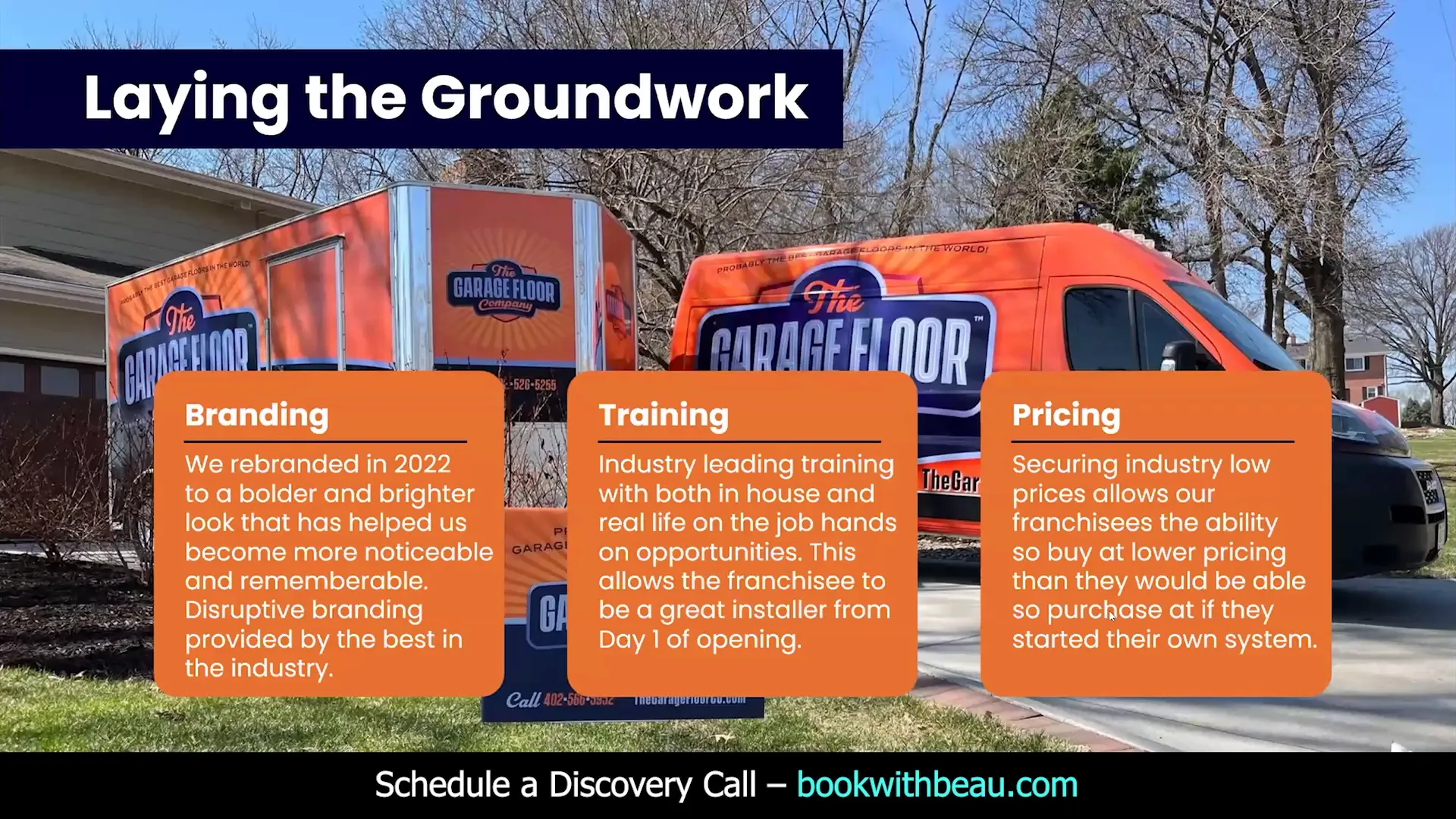
What sets this franchise apart? The company rebranded in 2022 with a bold new look and employs disruptive marketing strategies to stand out in a crowded market. They emphasize industry-leading training that combines virtual learning with hands-on, on-the-job experience, ensuring franchisees and their teams are skilled from day one.
Their pricing strategy offers a competitive advantage, lowering costs to offset franchise royalties. The business model caters to both B2C and B2B markets, focusing heavily on residential homeowners and car enthusiasts while also targeting home builders and commercial owners for additional revenue streams.
Starting a franchise here can be done from a home office or small unit, scaling up as your business grows. The lean team structure begins with the owner as the lead installer, expanding to include additional installers and, optionally, an executive model where the owner focuses on marketing, operations, and territory development rather than installation.
With a relatively low startup investment—around $144,000 for a single territory—and one of the lowest royalties in the industry at 5%, this franchise offers an accessible entry point for aspiring business owners. Notably, veterans receive a 10% discount on franchise fees as part of their commitment to giving back.
Unlocking Business Financing: SBA 7A and 504 Loan Programs Explained
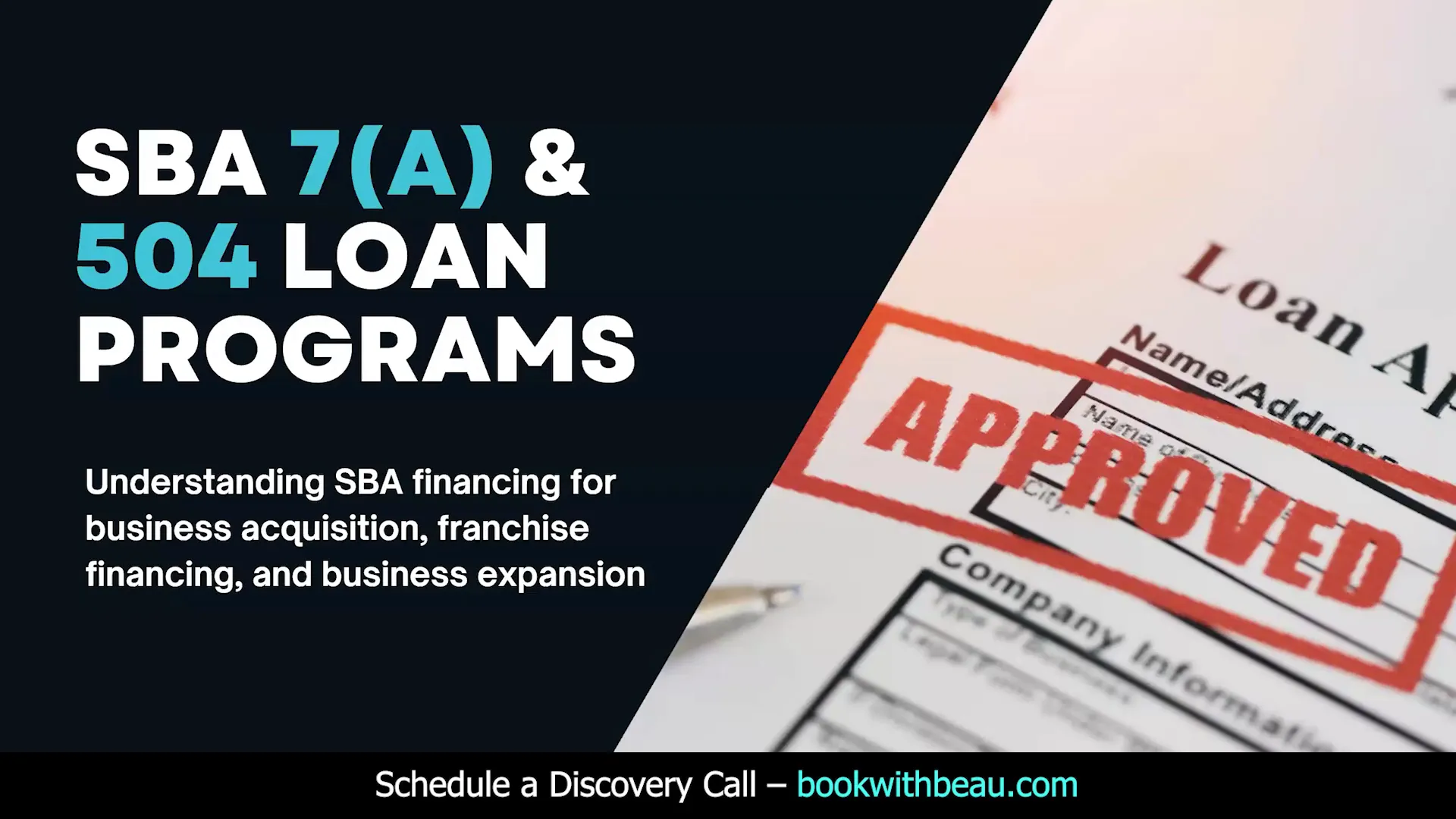
One of the most powerful tools for financing business acquisitions and startups in the U.S. is the Small Business Administration (SBA) loan programs, particularly the 7A and 504 loans. Understanding these programs can make the difference between securing funding or facing obstacles.
SBA 7A Loans are versatile and can finance franchise startups, business acquisitions, working capital, and equipment purchases. They offer high leverage, sometimes covering up to 90% of the total project cost, with terms typically spanning 10 years. The interest rate is usually tied to the Wall Street Journal prime rate plus a margin, with some banks offering fixed-rate options. The maximum aggregate loan amount is currently $5 million, with potential increases on the horizon to $7.5 or $10 million.
SBA 504 Loans are tailored for real estate and fixed asset purchases, such as hotels, self-storage facilities, and commercial buildings. This program combines a conventional bank loan covering about 50% of the project, with the SBA guaranteeing up to 40% in a second loan often amortized over 25 years at a fixed interest rate around 6.5%. The 504 loan is ideal for larger deals, sometimes exceeding $20 million, and also supports construction and heavy equipment financing.
A key advantage of SBA loans is the ability to finance franchise startups without requiring years of operating history, relying instead on projections and creditworthiness. Additionally, business expansion loans can offer 100% financing when purchasing or rolling up existing businesses in the same industry, provided certain conditions are met.
Structuring the loan properly is essential, including managing equity injections (typically 10%), leveraging seller financing, and sometimes bringing in investor partners with minority ownership who do not need to guarantee the loan. Navigating SBA financing can be complex, but working with experts who understand lender preferences and loan packaging can significantly smooth the process.
Mindset and Motivation: The Mental Edge to Business Success
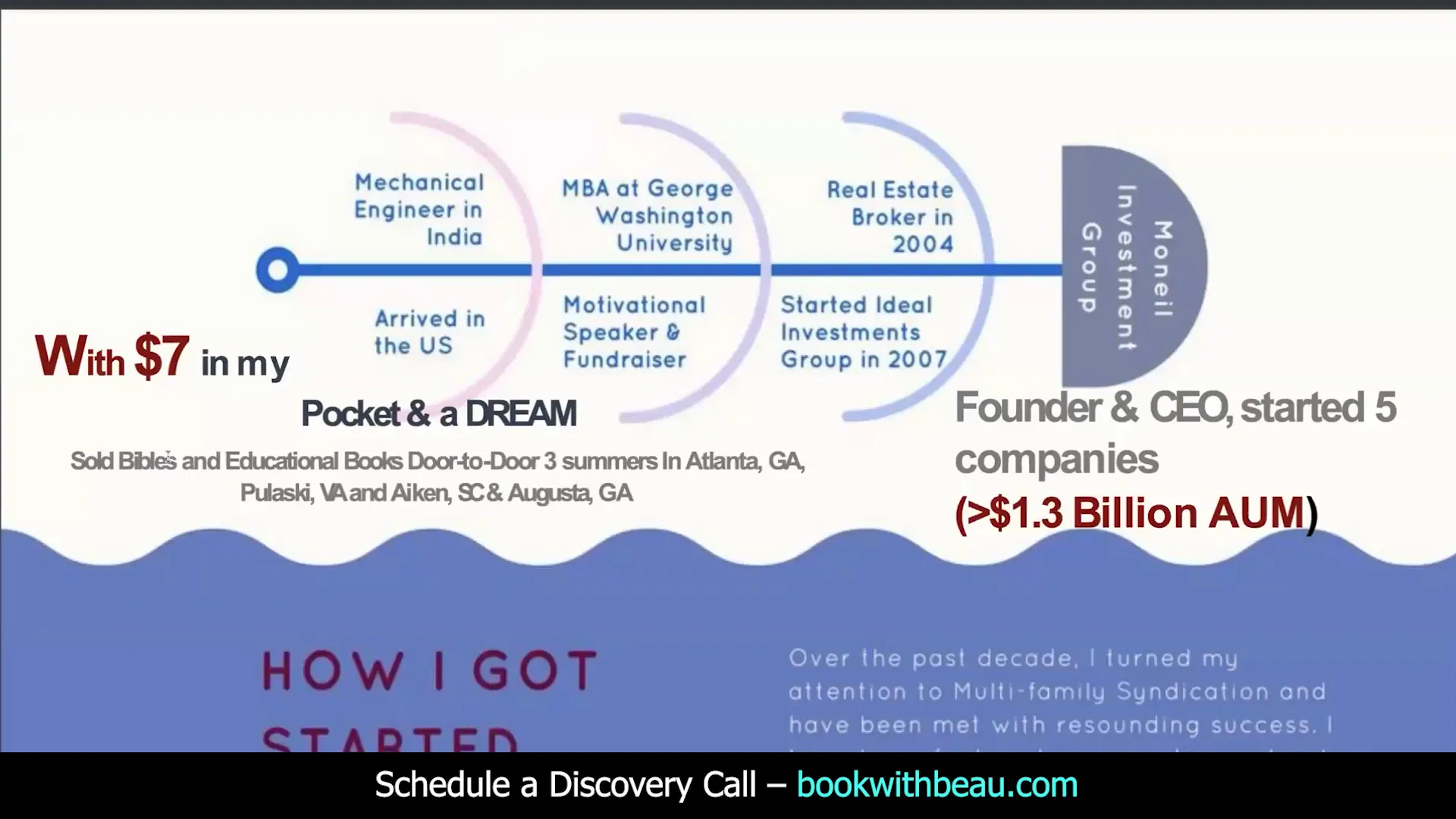
Business success isn’t just about numbers and strategies; it’s deeply rooted in mindset. Vinnie Chopra’s inspiring journey from arriving in the U.S. with just $7 in his pocket to raising over $200 million in real estate investments exemplifies the power of positivity and perseverance.
Vinnie’s approach centers on optimism, gratitude, self-belief, and hope. He emphasizes that our thoughts shape our reality—negative thinking breeds negativity, while positive thoughts attract opportunity and success. Throughout his career, he has applied these principles, becoming a motivational speaker, author of several books, and a successful entrepreneur in senior living and multifamily real estate.
He advocates for living in the present, learning from the past without dwelling on it, and not worrying excessively about the future. This balanced perspective allows entrepreneurs to focus on actionable steps today that shape a better tomorrow.
Vinnie also stresses the importance of cultivating a growth mindset, challenging negative biases, and practicing positive self-talk. These mental habits enhance decision-making, leadership, and resilience—qualities essential for steering a business through challenges and toward growth.
Finally, he highlights the role of gratitude and an abundance mindset in fostering not just financial success, but also healthier relationships and a fulfilling life. His message is clear: positivity brings profitability.
Staffing Franchise Spotlight: At Work
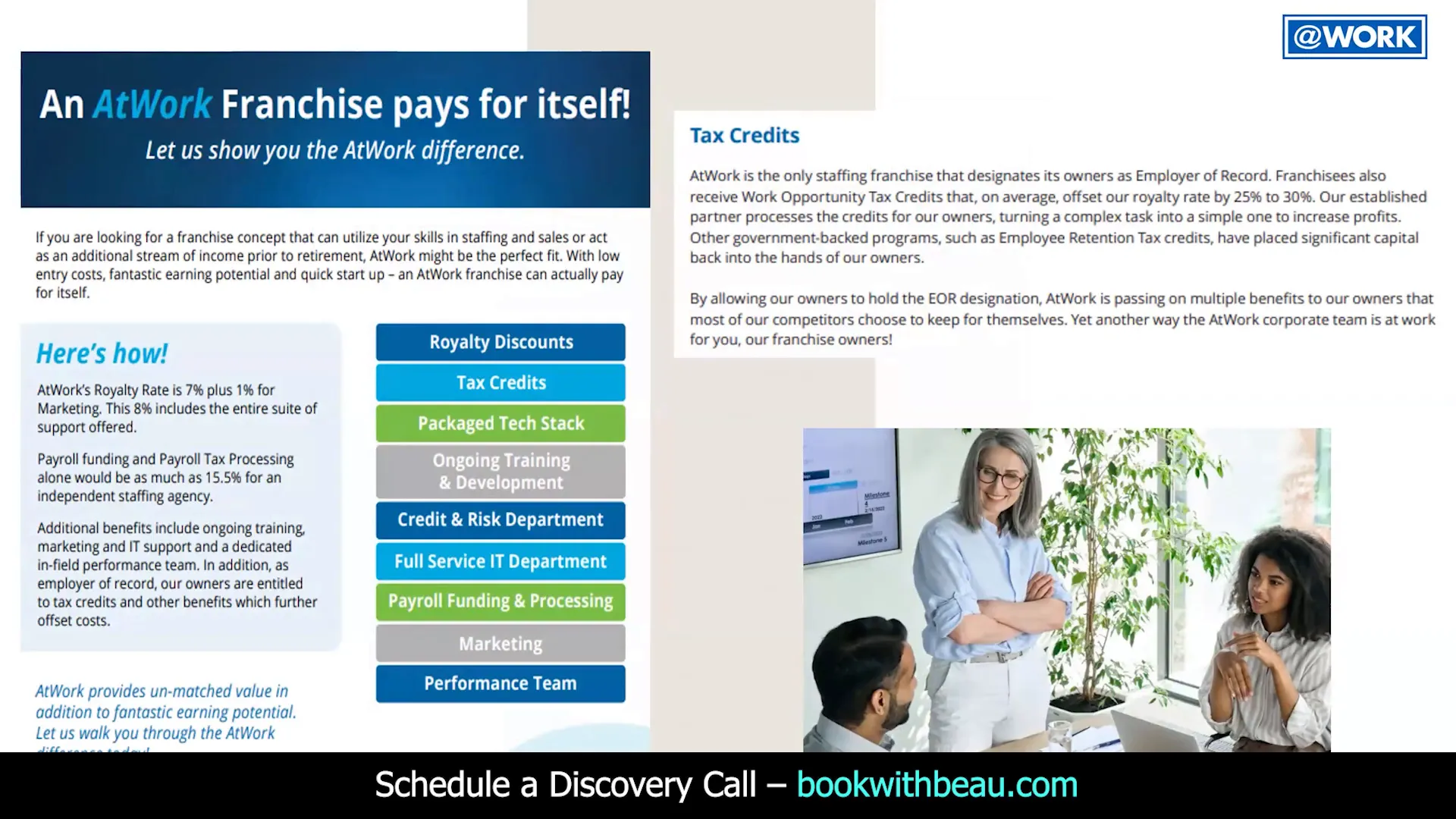
Staffing and recruiting franchises offer another lucrative avenue for business ownership, especially in the light industrial, clerical, and professional services sectors. At Work stands out with its strong focus on service excellence, reflected in its impressive net promoter score of 81%, significantly above the industry average of 36%.
With over 30 years in operation and family ownership, At Work fosters a collaborative culture among franchisees, encouraging communication, partnership, and shared success. The initial investment ranges from $13,000 to $210,000, supporting a small team and office space typically around 3,000 square feet.
Franchise owners primarily act as branch managers, overseeing business development, sales, and recruitment. The franchise offers semi-passive options where an operating manager handles daily operations, allowing owners more flexibility.
One key advantage is At Work’s comprehensive support system: accounting manages payroll processing, billing, tax payments, and even payroll funding. This relieves franchisees from complex administrative burdens, letting them focus on growing their business.
Marketing support is robust, including social media management, customized websites, and review management platforms. Risk management is also prioritized, with access to preferred workers’ compensation plans and OSHA training to ensure compliance and safety.
Profit potential is strong, with franchisees averaging nearly $1 million in gross profit after five years of operation. The business model’s scalability and thorough training programs make At Work a compelling choice for aspiring entrepreneurs.
Business Entities 101: Protecting Your Assets and Optimizing Taxes
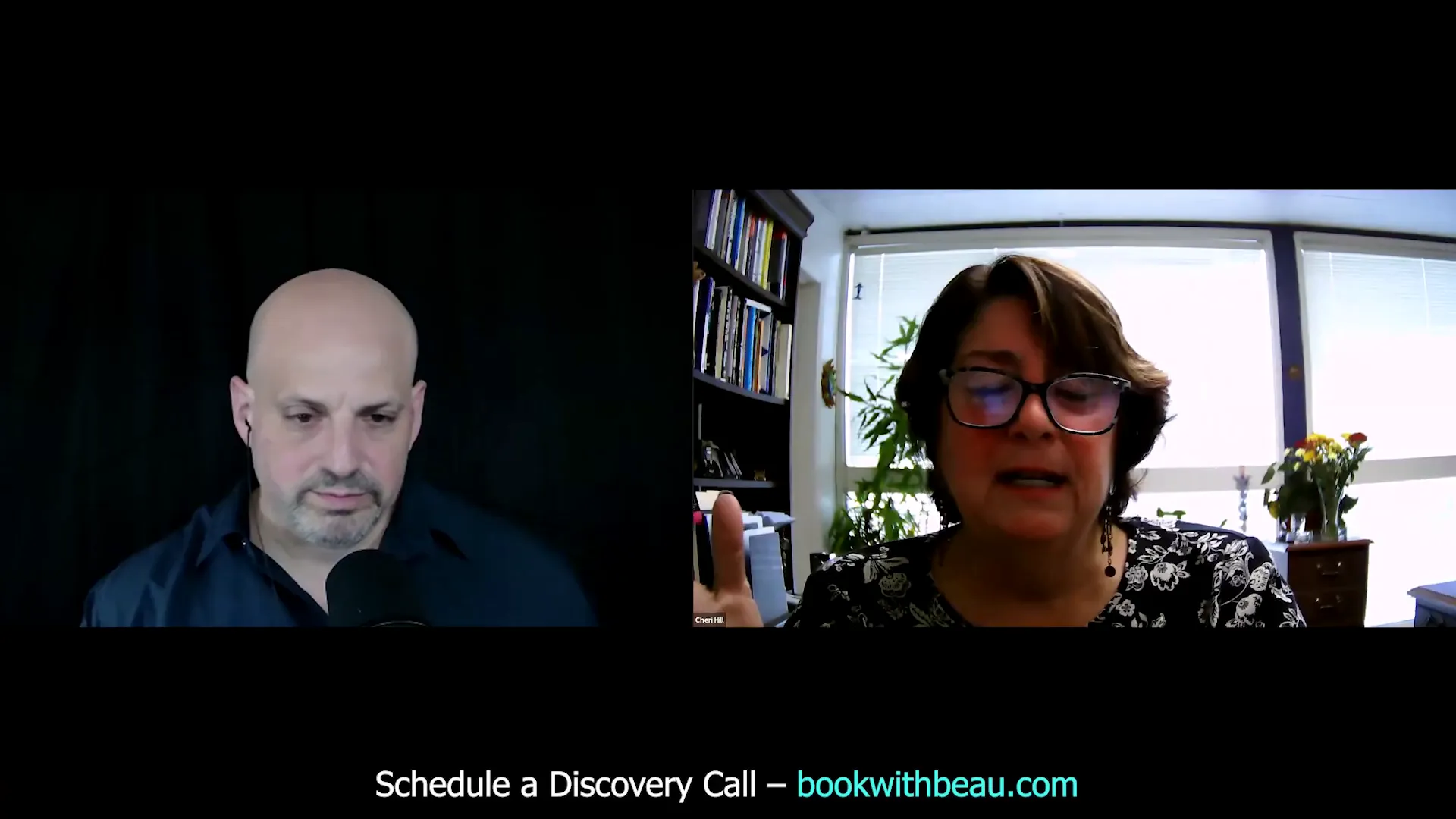
Choosing the right business entity is foundational to protecting your assets, minimizing taxes, and preparing for future growth or exit strategies. Sher Hill, founder of Sage International, brings decades of expertise in business entity formation and structuring.
The primary reasons for forming an entity include:
- Asset Protection: Separating personal and business assets shields you from liabilities such as lawsuits, accidents, or disgruntled employees.
- Tax Reduction: Business owners benefit from deductions and tax strategies unavailable to sole proprietors, allowing you to pay tax only on what remains after expenses.
- Future Planning: Entities support estate planning, succession, and business continuity, safeguarding your wealth and legacy.
Common entity types include:
- C Corporation: Suitable for larger businesses with many employees, allows offering benefits, and is taxed separately from owners.
- Limited Liability Company (LLC): Flexible and straightforward, combining the benefits of partnerships and corporations. Can be taxed as disregarded entities, partnerships, S-Corps, or C-Corps depending on elections.
- Series LLC: Ideal for real estate investors managing multiple properties, allowing segregation of assets under one umbrella.
Sher emphasizes the importance of treating your entity as a separate legal entity with proper accounting, bank accounts, and compliance. Neglecting annual filings or fees can result in revocation and complications such as corporate identity theft.
She also advises against general partnerships due to unlimited liability exposure and highlights the value of building business credit separate from personal credit for financial flexibility.
Why Vending Might Be Your Gateway Business to Financial Freedom
For many aspiring entrepreneurs, vending machines offer a low-risk, scalable entry point into business ownership. This “Gateway Business” requires minimal weekly time commitment—about one hour per machine—and leverages modern technology to track sales and inventory remotely.
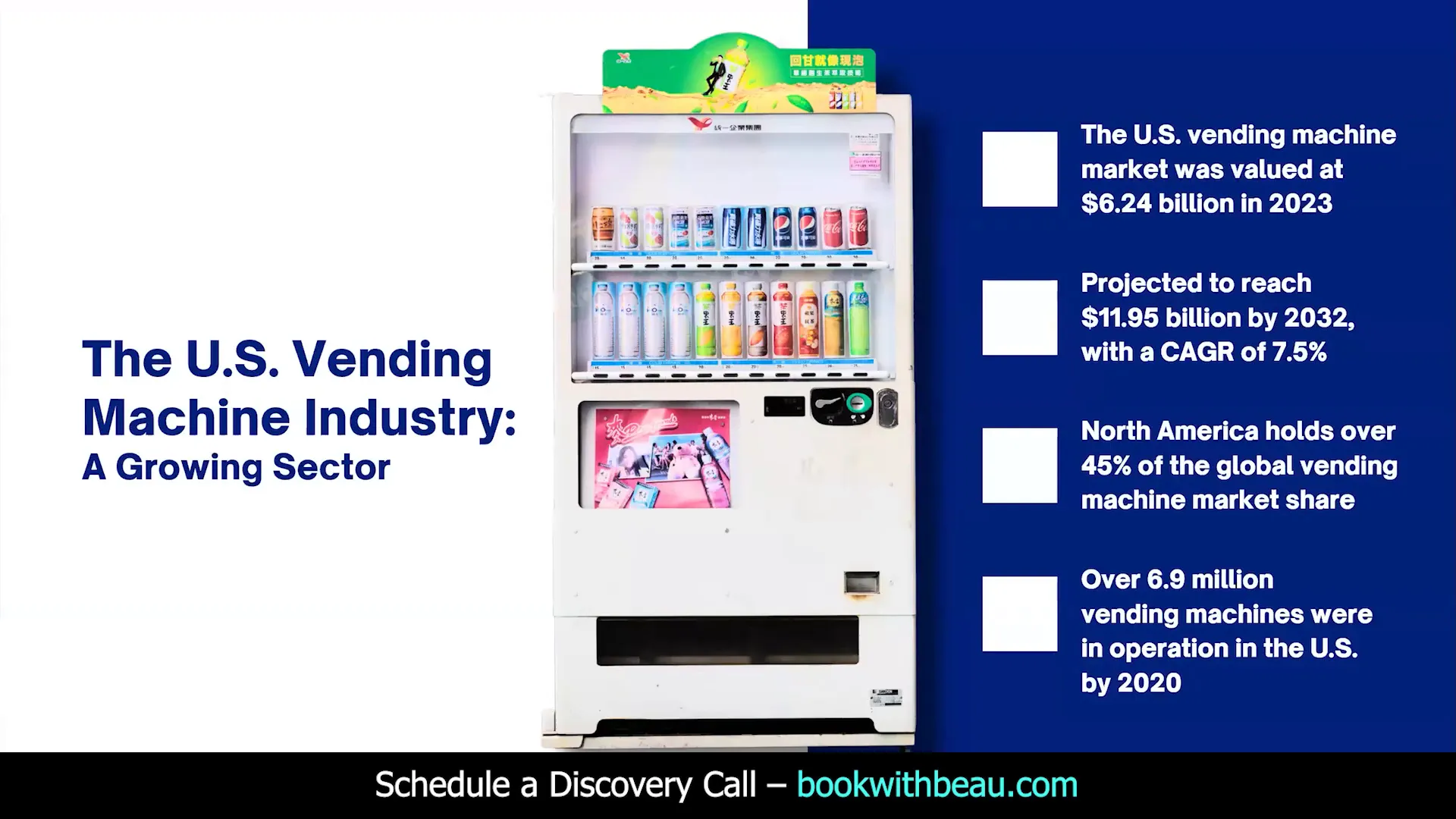
The U.S. vending machine market is valued at $6.24 billion in 2023 and expected to nearly double within the next decade. Over 6.9 million machines operate nationwide, with approximately 17,728 vending machine businesses contributing to the market’s growth.
Modern vending machines are equipped with cashless payment systems, including smartphone and credit card readers, improving security and customer convenience. They’re increasingly placed in high-traffic locations such as hotels, schools, workplaces, and multifamily properties, with unattended retail expanding alongside traditional vending.
Starting a vending business involves purchasing machines—often financed through SBA loans or equipment financing—and stocking them with popular products. The low overhead, flexible operation, and potential tax advantages through Section 179 deductions make vending an attractive lifestyle business, especially for those balancing a W2 job.
Vending can also serve as a legacy business, allowing family members, such as high school-aged children, to learn entrepreneurship and build cash flow over time. The business model’s scalability means you can start small and gradually increase your machine count until it replaces your full-time income.
Maximizing Business Ownership: Tax Strategies and Building Your Financial Fortress
Owning a business is not just about generating income—it’s a powerful way to optimize your tax situation and build long-term wealth. High W2 earners often face significant tax burdens with limited deductions, but business ownership opens doors to a host of tax advantages.
Key tax benefits include:
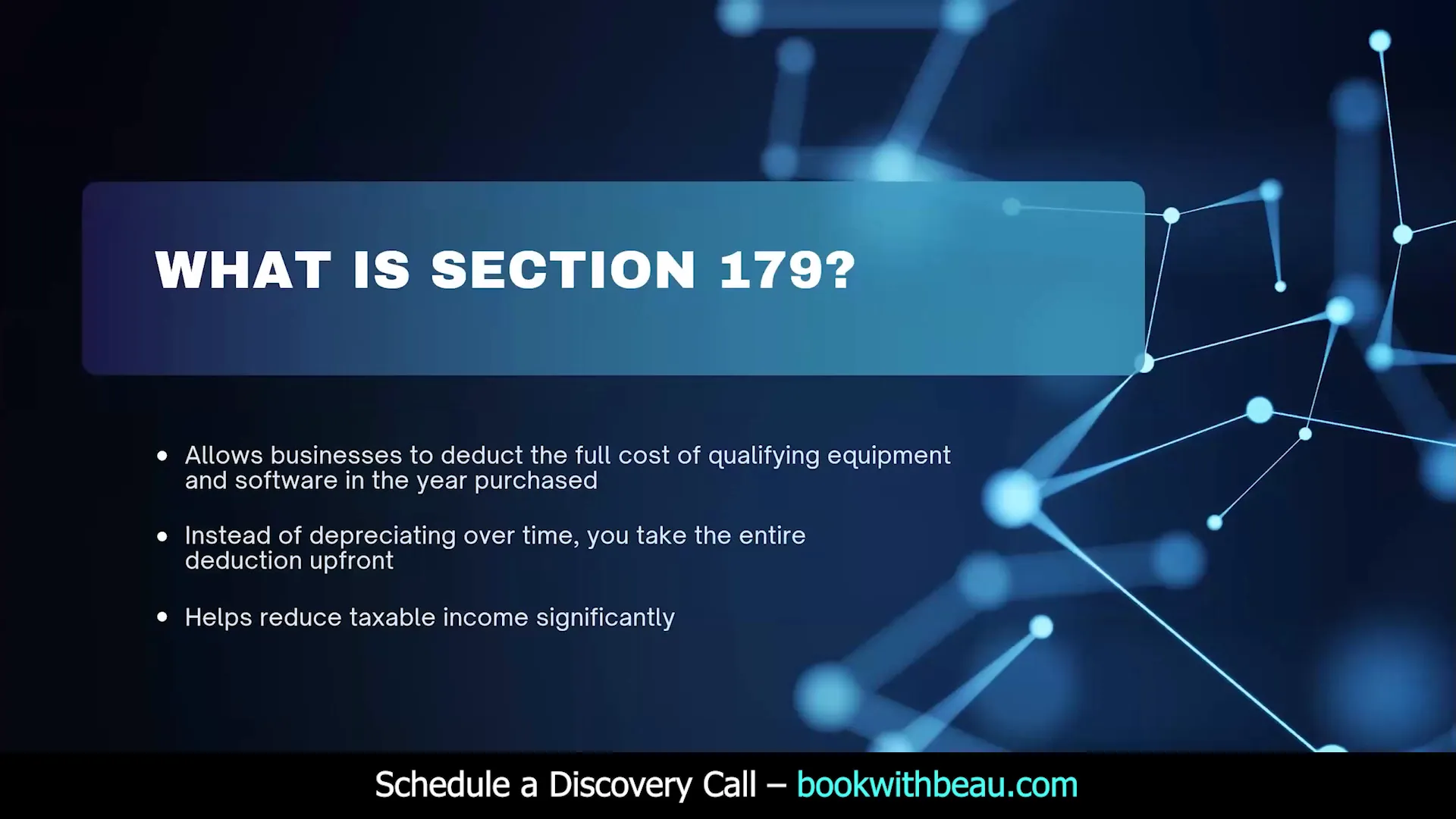
- Section 179 Deductions: Allows immediate expensing of qualifying equipment and software, significantly reducing taxable income in the year of purchase.
- Depreciation: Accelerated depreciation via cost segregation studies can further reduce taxes on real estate and business assets.
- Self-Directed Retirement Accounts: Options like Solo 401(k)s and self-directed IRAs give business owners control over investments, including real estate, with tax-deferred or tax-free growth.
- Paying Family Members: Legally compensating family members can reduce overall taxable income and build generational wealth.
Strategically combining business ownership with real estate investing—a concept I call the “Triangle Method”—supercharges wealth creation. The triangle consists of:
- Tax strategy to minimize liabilities.
- Operating a cash-flowing business.
- Investing business profits into real estate for long-term appreciation and passive income.
This approach acknowledges that rental properties often don’t cash flow significantly in the early years, so owning a profitable business to generate cash flow is essential for sustainable wealth building.
Ultimately, the goal is to create a financial fortress—what I call a “Fu Wall”—that protects you from economic uncertainty, allowing you to live comfortably regardless of market fluctuations.
Conclusion: Your Path to Business Ownership Success Starts Here
Business ownership is a transformative journey that offers not only financial rewards but also personal growth and independence. Whether you’re drawn to franchising, staffing, vending, or real estate investing, having the right mindset, legal structure, and financing strategy is critical.
As a Business Ownership Coach, my mission is to help aspiring entrepreneurs navigate the complexities of starting, funding, and growing their businesses. By leveraging powerful tools like SBA loans, choosing the right business entity, cultivating a positive mindset, and embracing tax strategies, you can build a sustainable enterprise that supports your lifestyle and legacy.
Remember, no two business owners are the same. Your unique situation, goals, and resources will shape the best path forward. Take the time to educate yourself, seek expert guidance, and stay open to opportunities you might not have considered.
If you’re ready to explore your options, consider taking a business ownership quiz and scheduling a strategy call to map out a plan tailored to you. The road to financial freedom and business success starts with a single step—let’s take it together.
Here’s to your success in 2025 and beyond!