
Business Ownership Coach | Investor Financing Podcast style answer to a question I hear all the time: “I’m buying a business for $3 million. There’s no inventory. It is basically all intangibles. The business does great revenue, and I’m a solid borrower. But I don’t own real estate. Is this even fundable?”
Short version: Yes, it can be fundable. The longer (and more useful) version is that funding comes down to how lenders interpret risk and whether you route your deal to the right bank with the right appetite for business acquisition loans that do not rely on traditional collateral.
Buying a business with no collateral: what lenders are really thinking
When a deal looks like “all intangibles,” the natural concern is collateral. In a perfect world, a lender can point to assets like real estate, inventory, equipment, or other hard collateral and say, “If things go sideways, we have a way to recover our money.”
But not every great business has hard assets. Some businesses are mostly brand, customer relationships, contracts, software, systems, or other value that is not sitting on a warehouse shelf.

Photo by Vitaly Gariev on Unsplash
This is where it helps to understand the SBA framework. SBA programs look for collateral support when there is a collateral shortfall. They also require due diligence during underwriting, even when collateral is limited.
Here’s the key point: the SBA SOP does not automatically kill a deal because collateral is light. The SBA guidance says lenders must still do their underwriting and diligence. They can still make the loan even when collateral is short, as long as the overall risk picture works.
The catch: many banks add their own “overlays”
Even if SBA policy allows a loan, not every bank follows it the same way in practice.
A lot of lenders have internal restrictions, often called “overlays,” where they tighten standards beyond what the SBA requires. In plain English:
- They might treat a collateral shortfall as meaningfully higher risk.
- They might demand extra injection of equity.
- They might adjust pricing, down payment requirements, or other terms.
- Or they might simply decline the deal during credit review.
So the experience you can have depends heavily on which bank you approach first. One lender may say “yes, potentially,” and then their underwriter or credit committee may say “no” once they review it through their overlay lens.
That is why people get discouraged. They think the “SBA rules” are the problem. Often, the bigger problem is the bank’s interpretation and internal policies.

Photo by Vitaly Gariev on Unsplash
What makes a “no inventory, all intangibles” deal fundable anyway?
Fundable deals usually have something else strong enough to offset the collateral gap. In this scenario, the borrower is described as doing many things right already: strong revenue performance and the idea that they meet key benchmarks the SBA would look for.
While every file is different, these are the typical categories that matter when collateral is limited:
- Cash flow quality: The business has to show it can reliably pay the loan. Lenders look closely at historical revenue, margins, and stability.
- Borrower fit: Credit quality, experience, and the ability to operate or manage the acquired business (or a close equivalent) matter a lot.
- Deal structure: Terms, down payment (if any), and how the purchase is staged can impact whether risk is acceptable.
- Underwriting story: If you can clearly explain why the business value is real even without hard assets, underwriting becomes easier.
- Protection through diligence: When collateral is light, the lender leans more heavily on due diligence. Contracts, customer concentration, working capital needs, and repeatability of revenue take center stage.
So while collateral helps, it is not the only “lever” that determines whether a lender approves the transaction.

There are fewer lenders, but there are lenders that like these deals
This is the part that changes everything: most banks won’t want to touch a $3 million acquisition with little or no traditional collateral.
But there are also handfuls of banks that specialize in acquisition lending where the collateral base is not the primary protection. And those lenders are often more comfortable underwriting value that is tied to business operations rather than hard assets.
At the loan sizes discussed here, it is especially important to find the banks that “love” large business acquisition deals. Not because everyone does it, but because some lenders actually build their process, approval appetite, and underwriting comfort around it.
The practical takeaway: you do not want to start by pitching your deal to the bank that will most likely reject it. Pitch it to the lenders with the highest probability of funding if your collateral situation is nontraditional.

Photo by Vitaly Gariev on Unsplash
Positioning matters: how you present the deal can decide the outcome
When collateral is limited, the lender’s confidence comes from your positioning and preparation. The goal is to make the transaction look like a disciplined acquisition, not an abstract bet on “intangible value.”
That means you want your package to do more than list numbers. It should tell a credible story that addresses likely underwriting questions. For example:
- Why does the business generate revenue consistently? Show what drives performance.
- What happens to revenue after acquisition? If key people or relationships are involved, plan for retention or transition.
- Is the business dependent on one customer or one contract? If yes, you need a plan and clarity.
- What are the working capital needs? Intangibles do not eliminate the need for cash to operate.
- How do you, the buyer, reduce risk? Experience, operational plan, and execution strategy matter.
One lender might see “no collateral” and immediately think “too risky.” Another lender might see “strong cash flow, credible buyer, and manageable risk through underwriting and diligence.” Same deal, different perception.

Photo by Vitaly Gariev on Unsplash
How to choose the right funding source from day one
Here is the uncomfortable truth: even if a bank initially says it can be done, it can still blow up later when it reaches the underwriter or credit committee. That can cost time, stall the transaction, and create uncertainty in the acquisition process.
So a smarter approach is to start with the highest probability path. That usually means:
- Targeting the lenders that are known to handle collateral shortfalls in acquisition loans.
- Ensuring you fit the broader SBA-like benchmarks (credit, business plan, experience).
- Preparing diligence materials that reduce “unknowns.”
- Expecting that some lenders may impose a stricter requirement, such as more equity or other pricing adjustments.
In other words, the best odds often come from routing the file correctly at the beginning rather than hoping it passes after the first rejection.
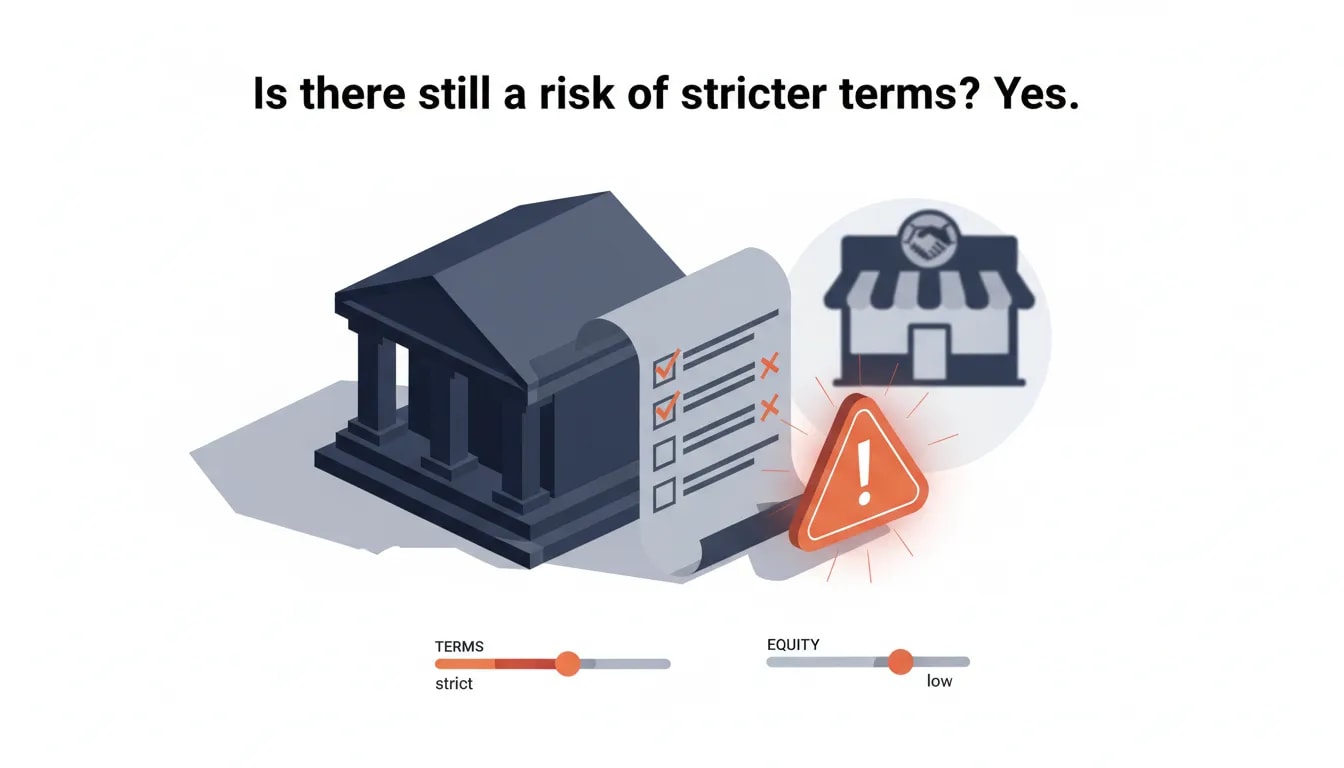
Is there still a risk of stricter terms? Yes
Even when you find the right bank, you should not assume everything is automatic. SBA guidelines and bank overlays can still affect the deal.
For example, one lender might follow the SBA approach more closely. Another might say, “We’ll do it, but it is riskier, so we need additional support,” such as bringing more equity or changing other requirements.
The goal is not to promise a yes at any cost. The goal is to find the best match so the deal can move forward under realistic terms.
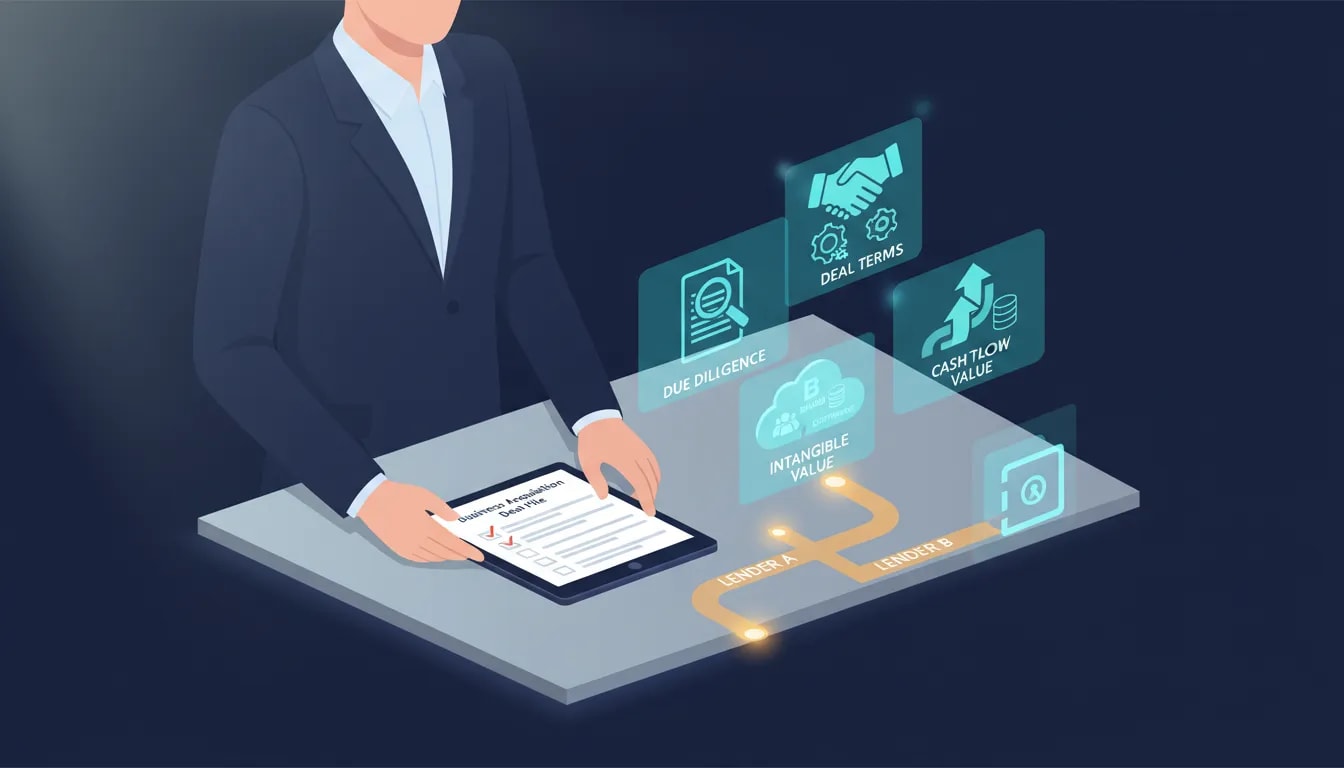
Next steps: walk through the deal and match it to the right lender
If you are Lance and you have a $3 million acquisition with no hard assets, the fastest way to get clarity is to walk through the file like a lender would. That means discussing:
- Industry and how the business produces revenue
- Purchase price and what portion is tied to intangibles
- Borrower credit and experience in the space
- Proposed business plan and transition plan
- Any concentration risks or contracts that require extra scrutiny
- What collateral you do have (even if it is not real estate)
Then, match the deal to lenders that specialize in business acquisition loans where collateral is not the primary “safety net.” When you approach the right funding source first, your timeline and probability improve dramatically.
Quick checklist for buyers pursuing SBA-style financing with limited collateral
- Cash flow proof: show revenue strength and stability.
- Buyer competence: document experience and operational plan.
- Diligence readiness: contracts, customer concentration, transition details.
- Realistic structure: be prepared for possible equity adjustments.
- Lender targeting: do not start with the bank most likely to overlay and reject.
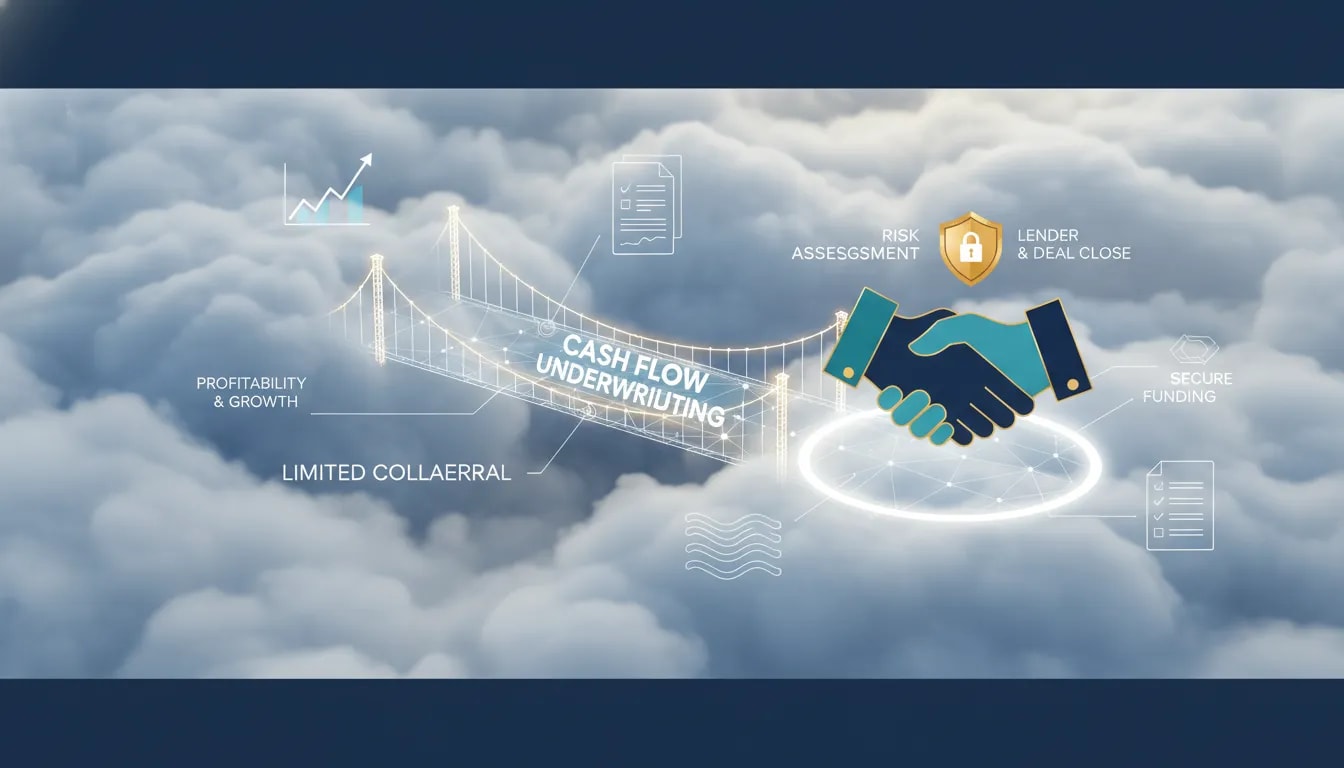
Bottom line
A business acquisition with no inventory, no hard assets, and a $3 million purchase price is not automatically a “no.” SBA underwriting can still support loans even when collateral is short, as long as diligence and overall risk assessment work out.
The difference is that many banks will not want to take that risk and will apply overlays. So the real secret is not magic collateral. The secret is positioning the deal correctly and bringing it to the right funding source from day one.
Business Ownership Coach | Investor Financing Podcast philosophy in one sentence: match the deal to the lender that actually wants to underwrite it.