
Business Ownership Coach | Investor Financing Podcast is more than a label. It is a lens for evaluating franchise opportunities that combine strong backing, a resilient industry, and a differentiated operating model. For entrepreneurs seeking career replacement and long-term equity, a mobile showroom flooring franchise offers a clear path: low overhead, predictable margins, and a simple initial team.
Overview: Why a mobile showroom flooring franchise makes sense
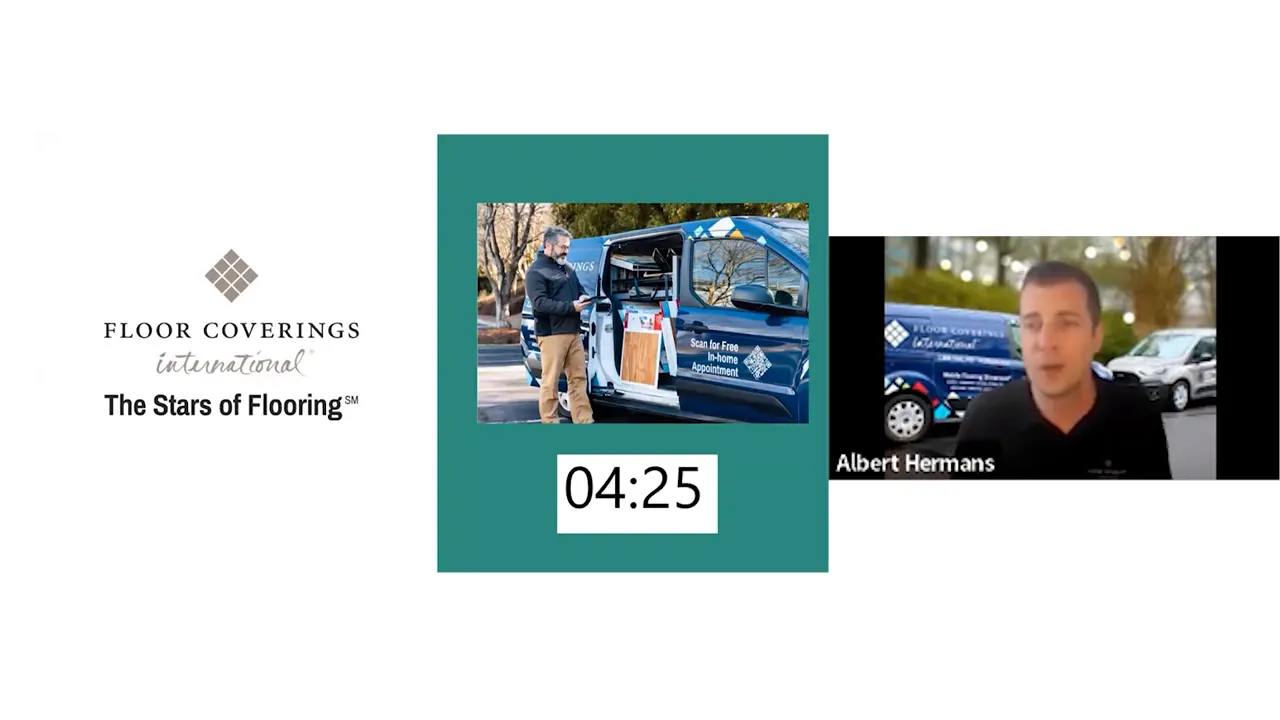
Flooring is a large and proven market—roughly a $60 billion industry—with steady demand across economic cycles. A franchise that brings the showroom to the customer creates convenience and higher closing rates. The model starts compact: an owner and an office administrator. From there, growth is systematic: add a salesperson and a vehicle, add another mobile showroom, scale the team and territory coverage, and the business expands predictably.
When evaluating opportunities as a Business Ownership Coach | Investor Financing Podcast would advise, look for business models that are reproducible, capital efficient, and supported by proven unit economics. This flooring model meets those tests by combining material and labor sales into a single customer transaction, boosting average ticket size and improving cash flow.
Brand strength and corporate backing

Franchise systems work best when franchisors have deep operational know-how and financial stability. This brand is part of a publicly traded parent that owns several household names in home services. That translates into playbooks, purchasing power, and centralized support—advantages that matter when you are building a business for the long term.
As someone assessing opportunities through the lens of Business Ownership Coach | Investor Financing Podcast, corporate backing reduces several early-stage risks: vendor relationships, direct manufacturer purchasing, and access to training resources that speed the owner through the learning curve.
Why flooring is a resilient industry

Photo by Lisa Anna on Unsplash
There are three practical reasons flooring is recession resilient. First, everyone needs floors—homes, offices, and commercial spaces always require replacement or upgrades. Second, flooring purchases combine materials and professional installation. Consumers rarely choose DIY for installations, so the contractor remains central to the sale. Third, repair and restoration events—fires, floods, appliance failures—are often insurance-funded, creating demand that is less tied to discretionary spending.
Industry fragmentation also creates opportunity. The top 50 flooring companies in North America account for only about 10 percent of total market share. That fragmentation leaves room for a repeatable, high-service brand to capture meaningful share in local markets.
Different by design: the mobile showroom advantage

Photo by Lisa Anna on Unsplash
Instead of a traditional retail footprint, the business creates a “shop at home” experience. A mobile showroom brings samples directly to the homeowner so materials are viewed in the actual light, next to furniture and wall colors. That context dramatically improves decision-making and reduces friction in the sales process.
Customer experience is central. The brand reports industry-leading Net Promoter Scores, which is a validated measure of customer satisfaction and referral potential. From an owner perspective, higher satisfaction means higher referrals, better close rates, and lower marketing costs per sale—key levers for profitable scaling.
Unit economics and purchase strategy
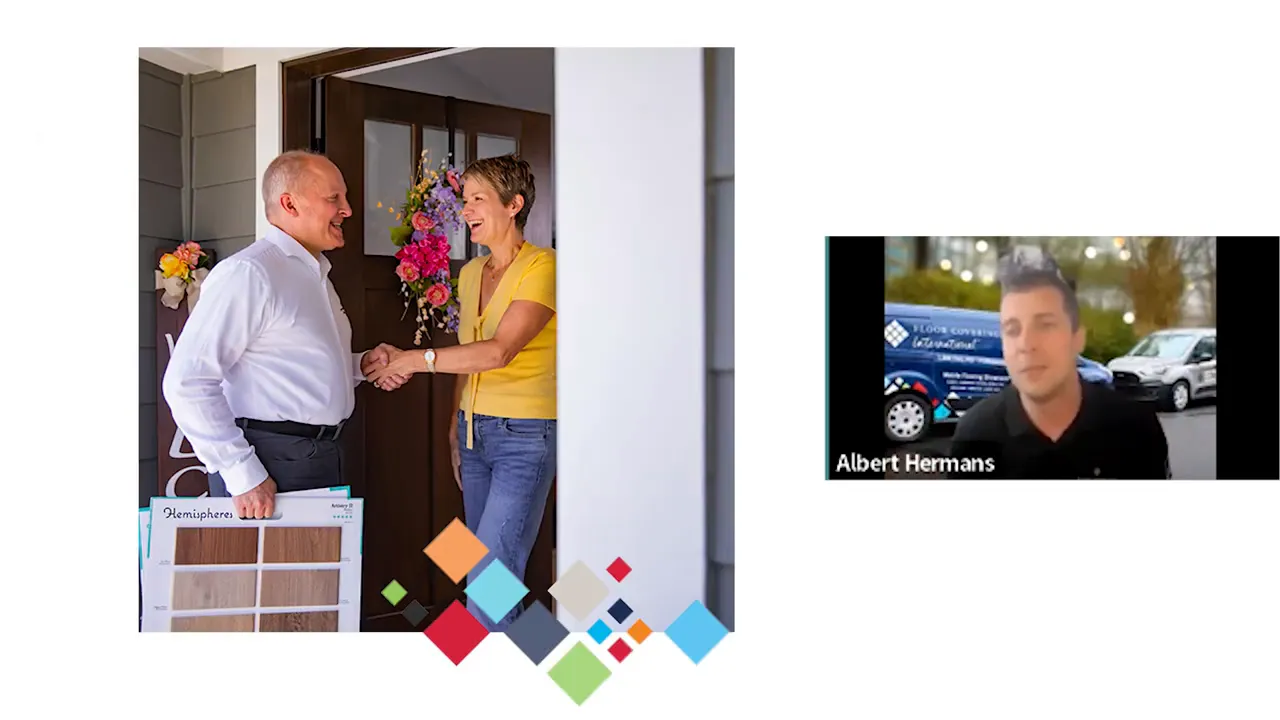
Two financial levers drive strong unit economics. First, the average ticket is elevated because each sale includes both materials and installation labor. Second, purchasing materials directly from manufacturers—rather than through local distributors—lowers cost of goods and increases gross margins. For an owner, that margin differential is the engine of profitability.
Investment to get started is straightforward and capital efficient when compared with brick-and-mortar concepts. Expect an all-in investment range targeted around $200,000 to $250,000, depending on territory size and van outfitting. Top performers in the system exceed $3 million in annual sales; the median top half of owners average about $1.82 million. Those are real outcomes for owners who execute the model and build a team.
Who succeeds as an owner and how teams scale

Photo by Lisa Anna on Unsplash
The ideal owner is someone looking for career replacement and willing to commit full time. Leadership, coaching, and the ability to hire sales talent are critical. The early team is lean: the owner and an office manager. The office manager is a force multiplier, handling scheduling, installations, material orders, and administrative tasks while the owner focuses on sales, operations, and hiring.
As the business scales, add two to three salespeople and additional mobile showrooms. Each new van and salesperson expands capacity and territory coverage. If you are the type of entrepreneur who wants to build enterprise value and community presence, this model offers a clear roadmap: solid recurring demand, repeatable service delivery, and measurable performance benchmarks.
Practical next steps for prospective owners

Photo by Lisa Anna on Unsplash
Begin with territory research and a realistic investment plan. Build hiring plans for a strong office manager and one to two initial salespeople. Focus on local marketing channels that drive in-home consultations: strategic partnerships with realtors, restoration contractors, insurance adjusters, and targeted digital campaigns that book appointments. Measure Net Promoter Score from day one and treat customer experience as your most important marketing channel.
Start small, systemize fast, and invest in people. The faster you reduce owner dependency for administrative tasks, the sooner you can scale by adding mobile showrooms.
If you're approaching this as a Business Ownership Coach | Investor Financing Podcast mindset, your priorities are clear: validate territory demand, secure manufacturer purchasing terms, and get the first hire in place to shorten your learning curve.
Embedding and final thoughts
Mobile showroom flooring franchises offer a compelling combination of low initial staff requirements, strong unit economics, and an industry that is both large and fragmented. When backed by experienced corporate owners and direct manufacturer relationships, the model becomes low risk and highly scalable.
Approach the opportunity like an investor: model conservative sales, plan for hiring milestones, and track customer satisfaction as an early KPI. With the right discipline, the pathway from owner-operator to multi-van enterprise is repeatable and measurable.