
Business Ownership Coach | Investor Financing Podcast has introduced an asset class that gets overlooked and misunderstood: mobile home parks. These properties are not about owning the homes themselves — they are about owning the land and the recurring lot rent. For investors with limited capital who want high cash flow and meaningful upside, mobile home parks deserve a rational, methodical look.
Why mobile home parks are a different kind of real estate
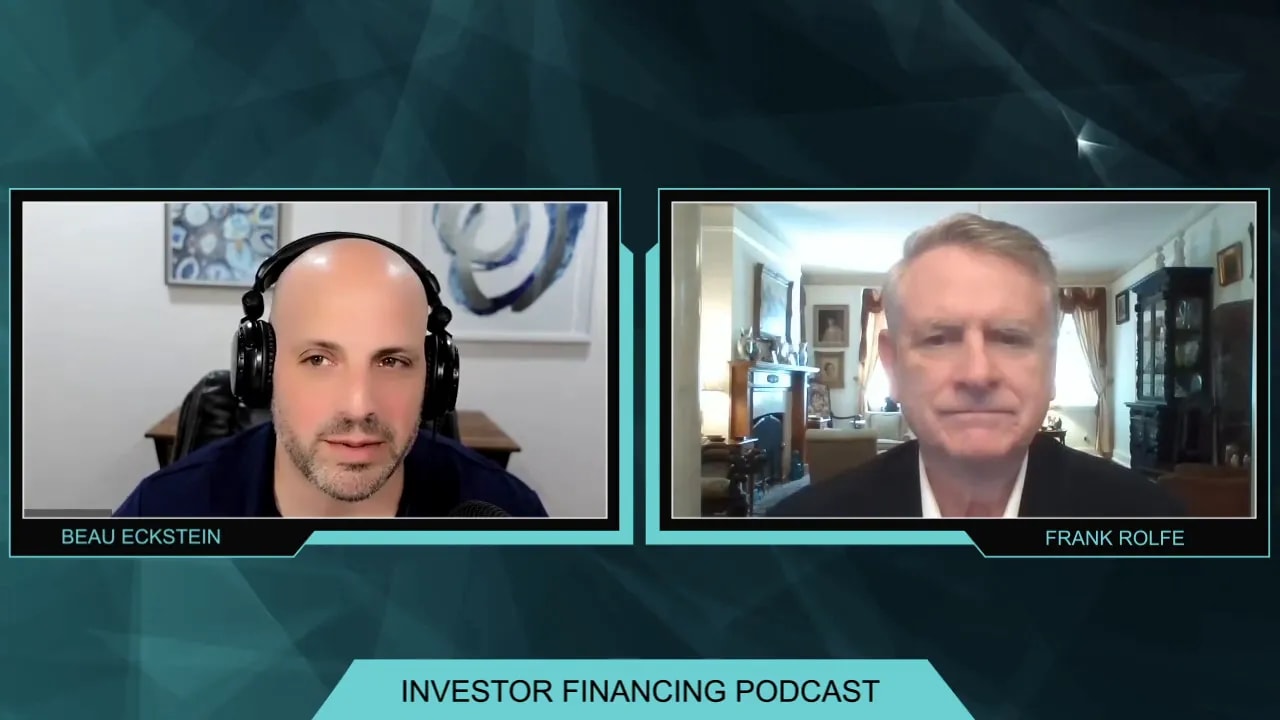
Think of a mobile home park as a specialized parking lot with utilities and infrastructure. The most successful operators treat the business like land ownership: maintain roads and utilities, keep common areas tidy, and collect a stable lot rent. From an investor standpoint the model is attractive because the landlord typically does not own the manufactured homes — they own the lots under them.
“We don’t own the homes, we don’t have to worry about the maintaining of the homes; all we have to do is provide a piece of land with roads and access to utilities.” — Frank Rolfe
Business Ownership Coach | Investor Financing Podcast emphasizes that viewing parks as dirt-first investments aligns strategy with what lenders prefer and what drives stable financing.
Five key drivers to evaluate before bidding

Before you underwrite a deal, score a park on these five drivers:
- Infrastructure — paved streets, reliable utilities, and good drainage matter. Parks with private wells and septic systems are workable but add complexity and cost.
- Density — lot count spreads capital costs. Bigger parks absorb capital repairs more comfortably.
- Economics — current lot rent vs market rent; many parks owned by mom-and-pop operators have artificially low rents that can be raised.
- Age of homes — older homes can signal lower resident incomes or deferred maintenance; park-level economics still drive value.
- Location — proximity to employment, safe suburbs, and population growth influences both operations and financing options.
Aligning with lender expectations on these five items will make financing simpler and increase liquidity on exit. Business Ownership Coach | Investor Financing Podcast stresses that lenders prefer parks treated as parking lots, not detached-apartment portfolios where the owner controls most homes.
Financing options and why lender alignment matters

Photo by Daniel Miksha on Unsplash
Financing shapes strategy. Today, significant mobile home park debt flows through Fannie Mae and Freddie Mac, offering attractive terms and the ability to refinance annually on qualifying larger assets. Conduit CMBS loans are a secondary option, while many small deals still rely on seller financing or regional bank debt.
Sellers carrying paper can be a blessing: lower down payment, non-recourse structures and flexible terms. Expect balloons in many mom-and-pop notes; build a refinance window into your business plan. When you match your business structure to financing availability you unlock scale and liquidity.
Business Ownership Coach | Investor Financing Podcast reminds investors: target the debt that allows your business plan to work, not the loan that forces you to over-optimize the physical asset.
How to get started with limited capital

Photo by Daniel Miksha on Unsplash
For investors with a few tens or a couple hundred thousand dollars, the most realistic path is learning, then pursuing smaller, seller-financed deals. Practical steps:
- Invest in education that covers underwriting, negotiation, and operations. Formal bootcamps or focused courses can compress years of experience into actionable frameworks.
- Target off-market opportunities through direct mail, cold calling, and broker relationships. Brokers account for a large share of larger portfolios, but direct-to-seller channels can find motivated owners.
- Prefer seller financing when possible. It reduces bank dependency and often comes with creative terms that allow a buyer to prove the business plan before refinancing.
- Start small, learn operations, then scale through syndications or pooled capital once you have a repeatable process.
Business Ownership Coach | Investor Financing Podcast recommends practicing on at least one park before joining or originating syndications. Real experience teaches what spreadsheets cannot.
On-site management and tech: the hybrid model

Photo by Daniel Miksha on Unsplash
Parks need a human on site. Even though 90%+ of collections can be done online and periodic HD property walkthroughs keep ownership in the loop, on-site staff remain essential for emergencies and resident relations.
Technology reduces transactional dependence on managers. Centralized systems for rent collection, digital maintenance tickets, and video inspections let a small central team manage many parks while the on-site person handles boots-on-the-ground issues.
Business Ownership Coach | Investor Financing Podcast highlights this hybrid approach as the operational sweet spot for scaling without sacrificing quality control.
Risks, regulation, and the redevelopment threat
Cities historically dislike parks. Low property tax revenue, concentrated social services costs, and local aesthetics push municipalities and neighbors to favor redevelopment. That means two things:
- New parks are not being built. Since the 1970s most jurisdictions have banned new developments in residential zones.
- Redevelopment risk is real. Parks on 5 to 10 acres are attractive pads for retail, apartments, or big-box stores, and cities will often grant redevelopment zoning that removes the park.
Despite this, parks remain attractive because demand for affordable housing is intense. The long-term solution to affordability may be modular construction and relaxed rules around prefab units, not necessarily more mobile home parks. Still, parks that meet lender and market criteria remain a compelling niche.
Business Ownership Coach | Investor Financing Podcast urges investors to weigh regulatory outlook and redevelopment risk into every acquisition model.

The investment thesis: cash flow, rent upside, and exits
Key financial attractions:
- High initial yields: Lot rents are low in many markets today, so modest increases drive outsized cash flow gains.
- Rent upside: Many parks can absorb $100–$300 increases in lot rent over a few years as they are professionalized and management resets pricing.
- Institutional interest: Private equity and institutional buyers are active, meaning credible exit options exist once you scale or aggregate a portfolio.
Not all states offer the same opportunities. Extremely low-rent states carry financing hurdles — Mississippi and Louisiana are difficult to finance at scale — while parts of Alabama and Georgia show strong upside due to economic growth with still-attractive price gaps.
Business Ownership Coach | Investor Financing Podcast recommends market-level analytics before making an offer and building a refinance strategy into every purchase.

Final thoughts and next steps
Mobile home parks are a specialist, dirt-first investment with clear rules of the road. If you embrace the fundamentals — the five key drivers, lender alignment, smart use of seller financing, and a hybrid operations model — the asset class can deliver stable cash flow and meaningful upside.
Action checklist:
- Learn the underwriting basics and financing landscape. Consider structured training or a focused bootcamp.
- Identify target markets with rent gaps and lender-friendly dynamics.
- Build a sourcing plan: brokers, direct mail, cold calling, and selective online opportunities.
- Pursue seller-financed, smaller deals to gain operational experience; plan to refinance into long-term debt.
Business Ownership Coach | Investor Financing Podcast makes a clear case: this is not a passive land play without work, but it is an underappreciated path to recurring income and capital appreciation when approached with discipline and lender-aware strategy.