
Business Ownership Coach | Investor Financing Podcast listeners know the power of buying a franchise that already has repeat customers, simple operations, and clear unit economics. If you own rental properties, manage a portfolio, or are ready to leave the corporate grind, a home maintenance franchise can be a predictable, service-driven business that scales without heavy capital expenses.
Why routine home maintenance is an overlooked gold mine
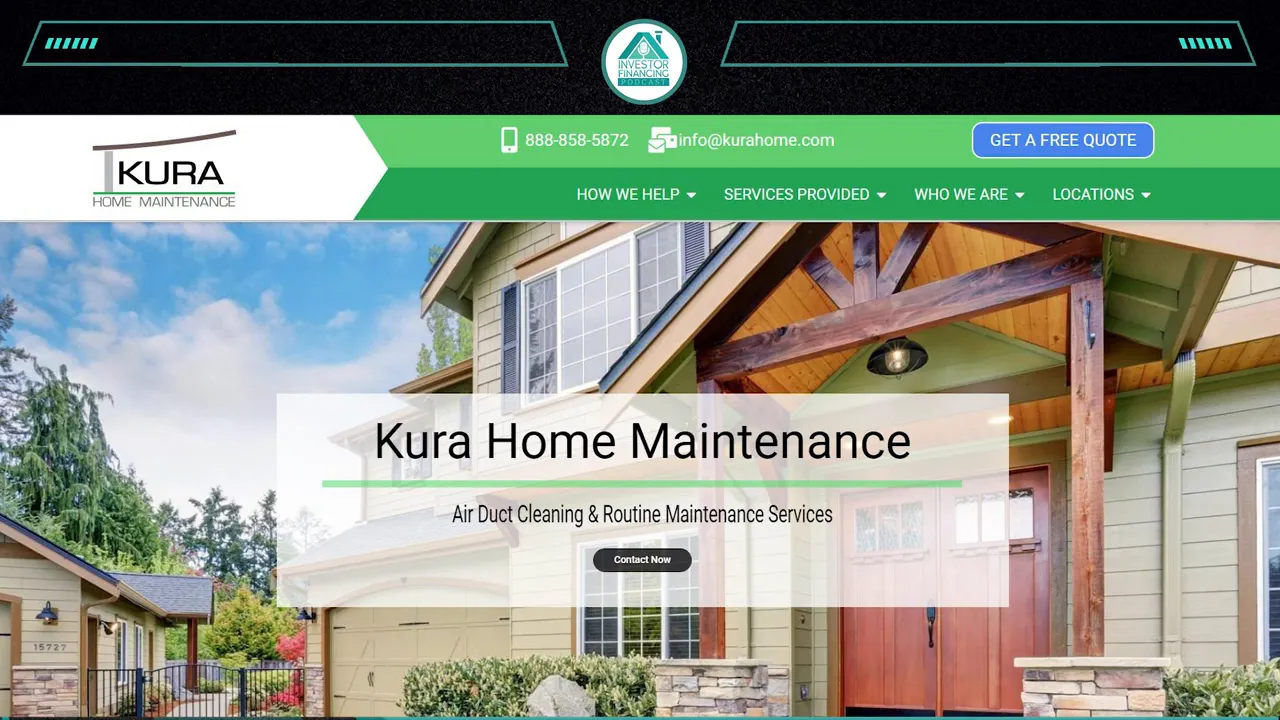
Homes are full of small, recurring tasks that most owners skip: filter changes, dryer vent cleaning, smoke alarm checks, refrigerator coil maintenance, and simple HVAC upkeep. Left undone, these items reduce property value, create inspection headaches, and can impact indoor air quality. For investors and homeowners alike, offering a simple maintenance subscription solves a nagging problem and builds a predictable revenue stream.
As a Business Ownership Coach | Investor Financing Podcast host I often point out that recurring services — the kind customers sign up for and forget about — are the backbone of sustainable small businesses. Home maintenance fits that mold perfectly.

What a maintenance-first franchise actually does
A maintenance-first company packages roughly 30-plus small services into a quarterly visit. Think of a checklist that includes filter swaps, dryer vent cleaning, smoke alarm battery replacement, refrigerator coil dusting, basic AC coil cleaning, and simple safety checks. The goal is not to be a handyman or a contractor. It is to deliver consistent, documented maintenance.
This model also pairs naturally with one-off specialty services. For example, customers who notice dirty ducts after an HVAC replacement often opt into a one-time air duct cleaning. That upsell increases lifetime value and makes the recurring package feel fresh and tangible — like a detailed car service that leaves everything smelling and functioning better.
How the franchise model scales: boots on the ground vs corporate ownership
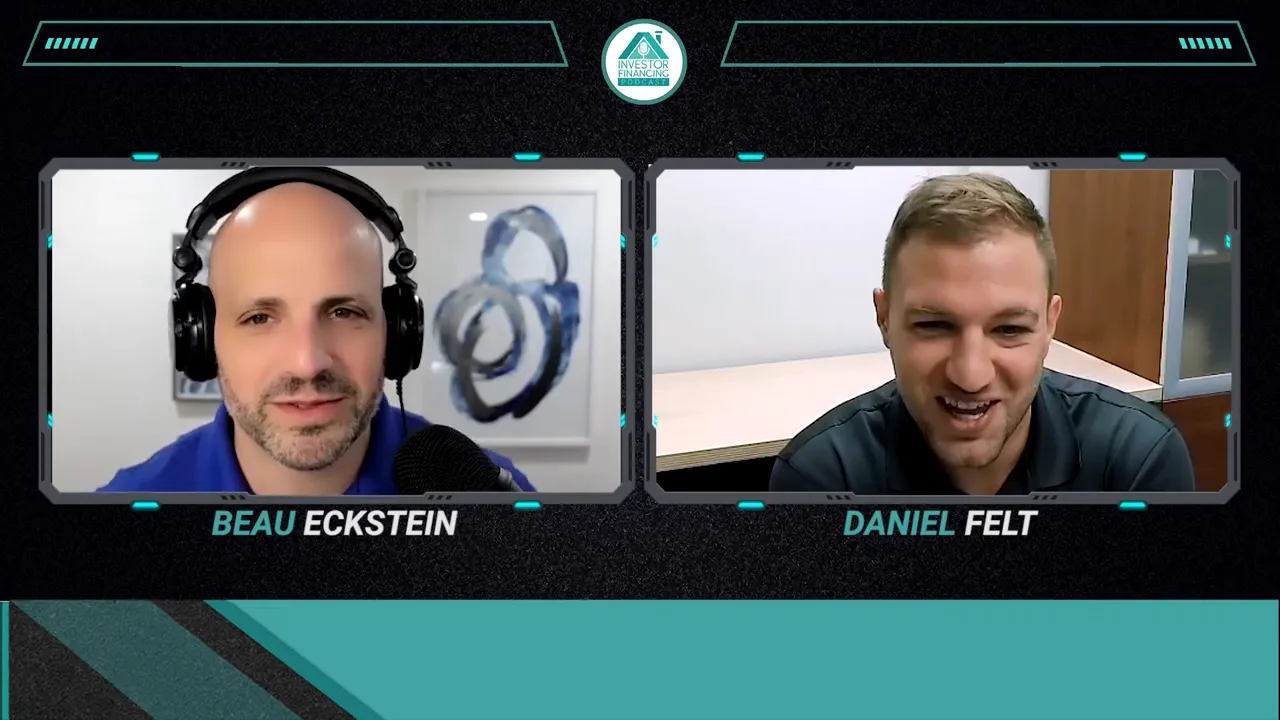
Starting as a single operator, growth moved from a few crews to multiple markets. At the point where geographic demand emerged, franchising became the logical next step. Franchises put local owners with skin in the game on the ground; they scale footprint without the corporate overhead of running every territory directly.
That structure suits people who want to own a business with repeat customers and predictable operations. It also allows founders to focus on system development, training, and marketing playbooks while local owners implement them.
Who makes a great franchisee for this kind of business

Photo by Eugen Str on Unsplash
You do not need prior trades experience. This is not a heavy-skill trades business; it is an operations and customer experience business. Ideal candidates include professionals burned out by corporate life, veterans entering civilian careers, or investors who understand recurring revenue value.
Personality matters: someone who values systems, execution, and customer care will thrive. With documented processes, training programs, and scripts, a person who manages people and follows the playbook produces consistent five-star experiences.
Startup costs, ramp-up, and what operations look like

Photo by Chelaxy Designs on Unsplash
The initial investment to acquire a single territory breaks down simply: a franchise fee, a vehicle, and equipment. Typical numbers look like a franchise fee in the mid 40-thousands, about 7,000 for tools and duct-cleaning gear, plus a vehicle. Many operators finance the van and wrap it affordably.
One technician can handle multiple routine visits per day and a few air duct jobs per week. As demand rises, you hire a second technician, add a van, and repeat. The business is easily scalable because each additional van is a predictable incremental revenue center.
Marketing, territory design, and the rapid-launch playbook
Social media and influencer partnerships can generate immediate traction. Rather than traditional long-tail ad frequency, influencers create immediate spikes in demand — especially when they show the “before and after” of duct cleaning or dryer vent clogs. A launch budget focused on targeted social content and paid promotion accelerates sign-ups during the first 30 days.
Territories are defined by population density — roughly areas with 250,000 people — and commonly bounded by highways or zip codes. Franchisees can acquire contiguous units to expand coverage and protect growth.

Hiring, culture, and the training system
Recruiting starts with well-crafted job descriptions and interview scripts provided by the franchisor. Training is hands-on and short: initial onboarding spans roughly 10 to 14 days before a technician is ready to handle a first customer with confidence.
Culture is the invisible product. Small gestures — doing one extra helpful thing at every visit, honoring second chances, and empowering staff — build loyalty and high retention. A franchise system that documents every customer interaction ensures quality, even as the team grows.

One-year outlook: realistic unit economics and growth path
Modeling the numbers is straightforward. Average routine maintenance revenue per customer can be around $325 per quarter, and average daily van sales can approach roughly $960 when crews are busy. A realistic first-year plan is to reach two full-time crews, booked four to five days a week, and prepare to add a third vehicle by year-end.
The predictability of repeat quarterly visits plus periodic one-off duct cleanings makes cash flow planning reliable — a key attraction for investors and owners thinking about long-term resale value.
Due diligence, the FDD, and practical next steps
Buying a franchise means reviewing the Franchise Disclosure Document, talking to existing franchisees, and working with advisors. Due diligence should include validating earnings claims, assessing local demand, and mapping launch and marketing costs. A well-documented franchise will also offer training, playbooks, and validated supplier relationships.

What the founder does to stay sharp — and closing thoughts
Entrepreneurship is iterative. The founder behind this maintenance concept emphasizes daily habits that sustain performance: consistent reading or audiobooks, fitness accountability, and working with a coach. Surrounding yourself with people you can learn from and maintaining healthy competition keeps momentum.
For anyone who values low capital intensity, repeatable operations, and scalable unit economics, a home maintenance franchise is an attractive path. It combines a service people need with simple systems, training support, and clear expansion mechanics.
Actionable checklist for prospective buyers
- Confirm local market size and competitors in your target area.
- Request and review the FDD and speak with at least three existing franchisees.
- Plan initial runway: franchise fee, vehicle financing, and marketing launch budget.
- Hire and train the first technician using franchisor resources.
- Execute the 30-day launch playbook and measure customer acquisition metrics.
If you want a predictable, service-oriented business with strong recurring revenue and low brick-and-mortar costs, this model is worth exploring. As a Business Ownership Coach | Investor Financing Podcast host I recommend approaching franchises that provide both systems and real operational validation — and this maintenance-first approach ticks many of those boxes.