
Working with a budget under $100,000 does not mean settling for the first franchise opportunity that appears affordable. A Business Ownership Coach helps identify a model that fits your capital, operating strengths, preferred lifestyle, and local territory. The right franchise is personal. A sales-driven owner may thrive in a different system than an operations-focused owner.
For 2026 buyers, the strongest starting point is not a brand name. It is a disciplined evaluation of the business model, recurring revenue potential, startup requirements, and financing path. This guide explains how to narrow the options intelligently before committing capital.

Photo by Jakub Żerdzicki on Unsplash
Key Takeaways
- The best franchise under $100K depends on your skills, capital, role, and territory.
- Home service models can offer lower overhead and repeat-revenue potential.
- Compare several franchise systems before selecting a business opportunity.
- Connect franchise selection with financing and territory checks early.
Why There Is No Single Best Franchise Under $100K

A low-cost franchise can look attractive on paper and still be a poor fit for the person operating it. That is why a Business Ownership Coach should begin with an assessment and discovery conversation, not a list of popular franchises.
Start by getting clear on the role you want to play in the business:
- Sales-oriented owners may prefer models that require local relationship building, lead follow-up, and customer acquisition.
- Operations-oriented owners may be better suited to managing people, scheduling jobs, maintaining quality, and building systems.
- Hands-on owners should consider whether they are willing to deliver services initially.
- Manager-led owners need to account for payroll, supervision, and the cost of hiring earlier in the launch.
Your answer affects far more than the industry you choose. It influences how quickly you can ramp up, which tasks need to be outsourced, and whether the model aligns with your day-to-day strengths.
What Makes a Franchise Investment Attractive at This Budget
When capital is limited, focus on the operating fundamentals. A Business Ownership Coach typically looks for models that keep fixed expenses manageable while providing a practical path to revenue.
Lower startup cost and lower overhead

Service businesses can be appealing because they may avoid the higher overhead associated with a large retail footprint, extensive build-out, or a full restaurant operation. Lower overhead does not remove risk, but it can make the early stages easier to manage.
Recurring revenue
Recurring revenue deserves special attention. In a pest-control-style model, residential customers may return for scheduled service, creating a more repeatable revenue base than a business dependent entirely on one-time transactions. Repeat business can improve predictability, but it still depends on execution, customer retention, and local demand.
Strong local marketing support

A brand may be selling rapidly because its marketing is effective, because the concept is strong, or both. Do not confuse momentum with proof that the opportunity will work in every market. Understand what support is actually provided and what local marketing responsibilities remain with the franchise owner.
Franchise Categories Worth Exploring Under $100K
The best category is the one that matches your skills and economics. A Business Ownership Coach can help compare several systems rather than forcing a decision around a single concept.
Home service franchises

Home services are often compelling for buyers seeking lower startup costs and lower overhead. Pest control is one example because repeat residential service can generate recurring revenue. Other sanitation-focused commercial services can also provide repeat contracts and may use proprietary products, though they can require more startup capital.
Simple route-based businesses
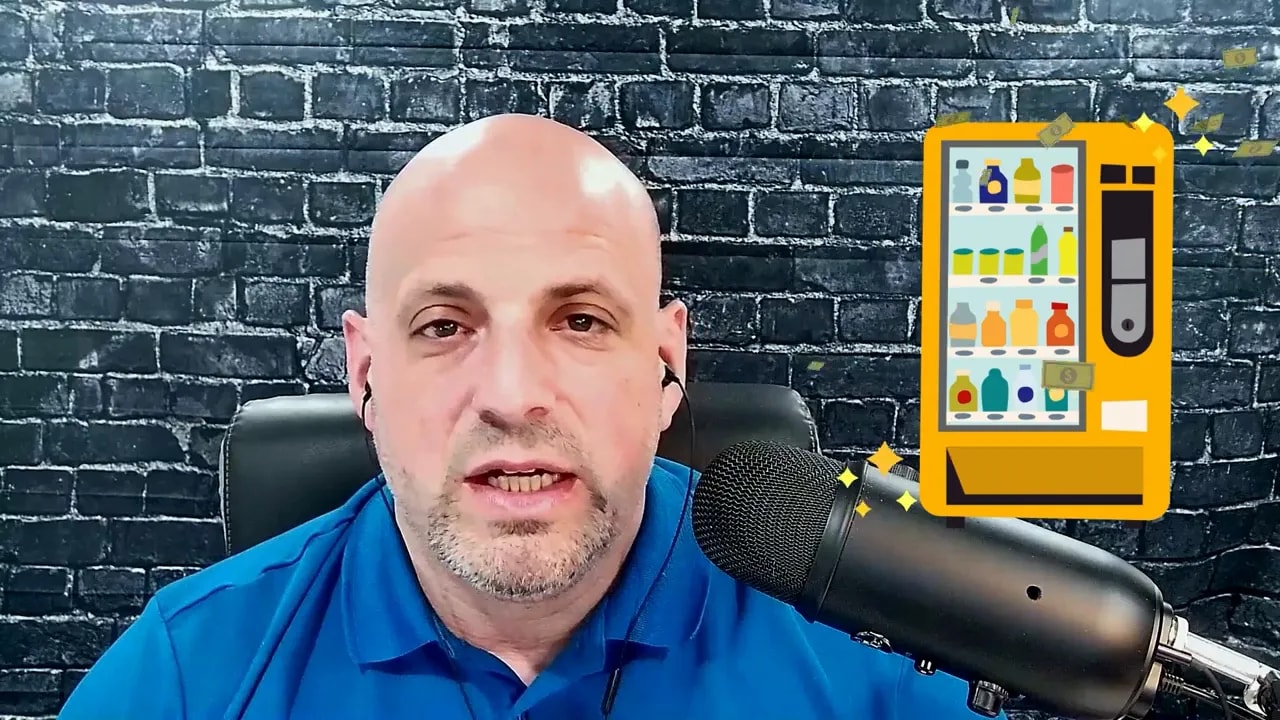
Vending is an example of a comparatively simple model. Simplicity should not be mistaken for passive ownership. Locations, inventory, servicing schedules, equipment upkeep, and route management still determine the outcome. Ask exactly what operational workload is required each week.
Food, beverage, and event concepts
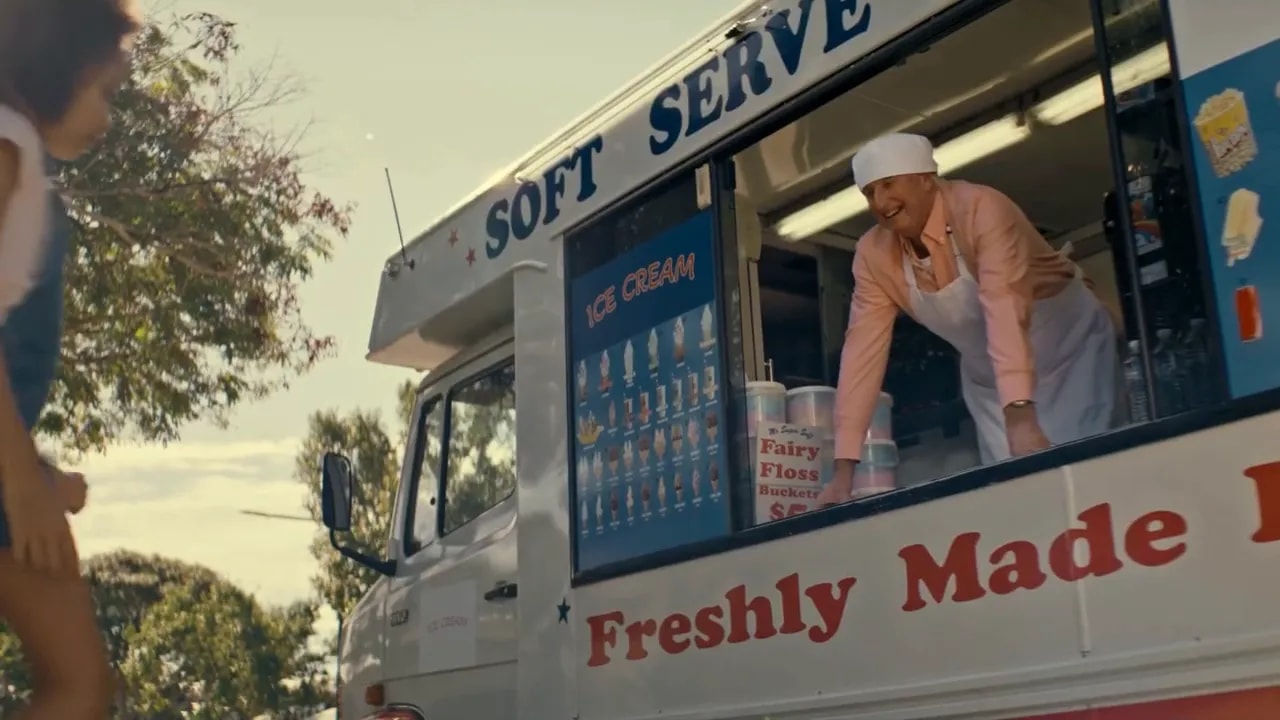
Food and beverage concepts can fit buyers with genuine passion for the category. A gourmet frozen-treat concept, for example, may combine food-truck sales, catering events, and retail opportunities. These models can offer multiple revenue channels, but they also demand comfort with event operations, product handling, and active customer-facing work.
Use a Fit-First Franchise Selection Process

Do not search solely by investment range. A better process is to build a shortlist based on fit, then verify whether the opportunities are available where you plan to operate.
- Complete a business-fit assessment. Identify your strengths in sales, management, operations, customer service, and local marketing.
- Define your capital position. Know how much cash you can contribute and preserve enough liquidity for the realities of starting a business.
- Compare several systems. Reviewing five to eight potential business models can reveal meaningful differences in workload, revenue structure, and startup needs.
- Speak with multiple brands. Narrow the list by having substantive conversations with at least two or three franchise systems.
- Run territory checks. An ideal brand is not useful if the territory is already committed to another owner.
- Evaluate financing early. Confirm whether the business economics can support an SBA loan or another appropriate capital structure.
This is the value of working with a Business Ownership Coach: the search becomes structured, individualized, and connected to the financing conversation from the beginning.
Franchise Financing: Do Not Wait Until You Find a Brand
Many buyers start by searching business-for-sale listings, then become frustrated when a business does not generate enough cash flow to support SBA financing. Franchising is worth considering as an alternative because you are investing in an established system and operating process rather than building every component from scratch.
Financing should be part of the franchise search, not an afterthought. Before moving deep into any opportunity, ask:
- What is the full startup capital requirement?
- How much cash will be required from the buyer?
- What will be spent on equipment, marketing, staffing, inventory, or working capital?
- Does the planned business structure have a realistic path to support debt service?
- What personal financial information will a lender need to review?
For help mapping a potential SBA financing strategy to an ownership plan, schedule an SBA discovery call. A financing conversation is most productive when it is tied to the actual business model, required investment, and available capital.
Common Franchise Buying Mistakes to Avoid
A Business Ownership Coach should challenge the assumptions that can derail a purchase. Avoid these common mistakes:
- Choosing by price alone. An affordable initial investment does not guarantee that the work or revenue model is right for you.
- Following brand popularity blindly. High sales activity may reflect strong marketing, but local fit still matters.
- Ignoring territory availability. Confirm your intended market before becoming emotionally committed to a concept.
- Assuming a simple model is passive. Every business requires disciplined operations, customer service, and oversight.
- Separating business search from financing. A concept must make operational sense and fit a viable capital plan.
- Considering only one opportunity. Comparing several systems gives you a better understanding of the options available.
Build a Smarter Path to Business Ownership in 2026
The right franchise under $100K is not necessarily the trendiest concept or the one with the lowest advertised investment. It is the opportunity where your capabilities, preferred role, available capital, territory, and financing strategy meet.
A practical next step is to start with a personalized evaluation, compare multiple franchise systems, and investigate local availability before making decisions. Explore the Business Ownership Academy for additional ownership education, or receive ongoing opportunity insights through the business ownership newsletter.
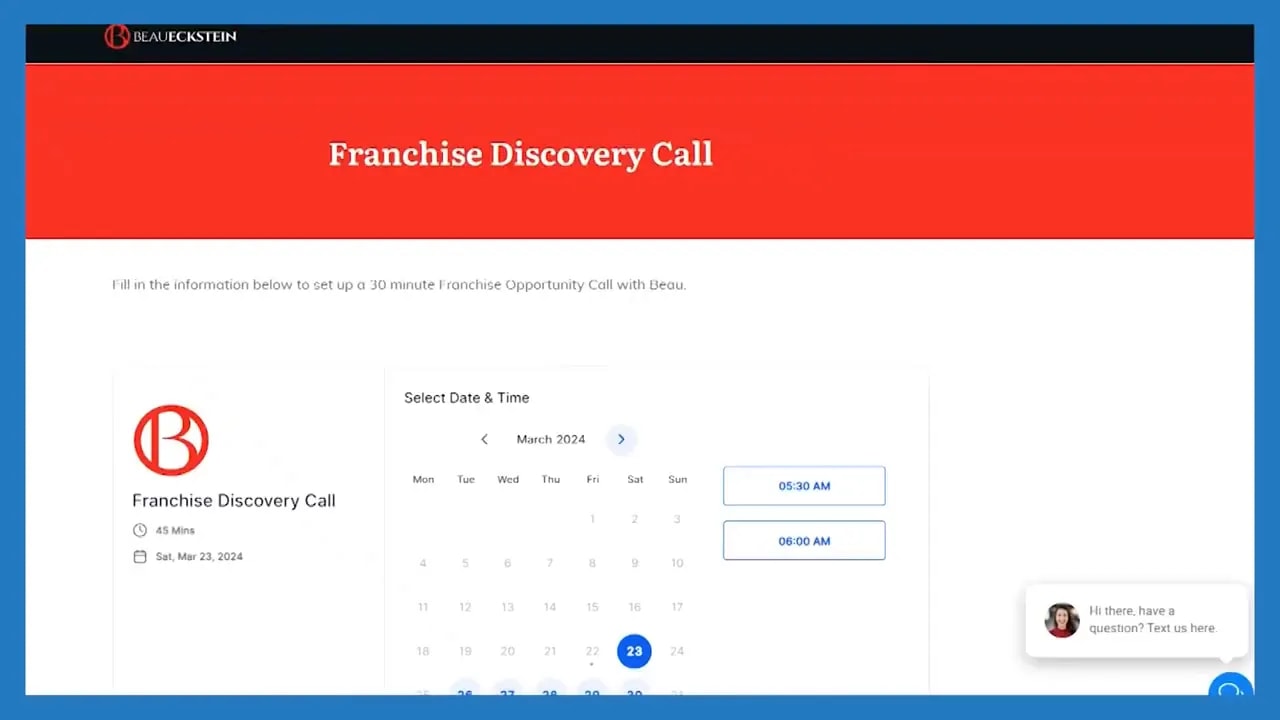
If you are ready to evaluate possible business models around your goals, a franchise discovery appointment can help create a focused search plan.
Further Franchise Investment Guidance
Frequently Asked Questions
What is the best franchise investment under $100K?
There is no universal answer. The best option depends on whether your strengths are in sales, operations, management, customer service, or hands-on delivery, as well as the available territory and your financing position.
Are home service franchises a good choice for first-time owners?
They can be a strong category to evaluate because they may have lower startup costs and lower overhead. Service models with repeat customers, such as pest-control-style businesses, may also offer recurring revenue potential.
Why should I check territory availability before choosing a franchise?
Franchise territories may already be assigned to existing owners. A territory check confirms whether you can operate the concept in the location you want before investing substantial time in evaluation.
Can SBA financing be part of a franchise purchase?
SBA financing may be relevant when the proposed business and capital structure can support it. Evaluate financing early, including the total investment, buyer contribution, operating needs, and projected ability to service debt.