
Choosing a franchise is a major business and financial decision. A strong Business Ownership Coach process helps you move beyond brand excitement and evaluate whether a specific opportunity truly fits your budget, goals, operating style, and local market.
The right franchise is not simply the one with the best marketing or the lowest entry cost. It is the business model you can understand, fund, operate, and validate with real evidence. In 2026, prospective owners should slow down, review the Franchise Disclosure Document, speak with multiple franchisees, assess support, and study competition before signing anything.
Start With Your Ownership Goals and Business Model Fit

Before contacting franchise brands, get clear on what you want to own. A Business Ownership Coach should begin with the owner, not the franchise list. The same franchise can be an excellent fit for one person and a poor fit for another.
Consider these foundational questions:
- Will you be an owner-operator or semi-absentee owner? Your expected role should match the model’s actual operating requirements.
- What kind of work do you want to manage? Think about sales, staffing, customer service, operations, and local marketing.
- What investment level is realistic? Look beyond the franchise fee and consider the full capital required to launch and operate the business.
- What are your timeline and lifestyle goals? Do not choose a model that requires daily involvement if you want a management-led operation.
- What local market are you entering? Demand and competition can change the outlook for the same brand from one area to another.
A franchise should fit your personal operating plan. Do not try to force yourself into a model just because the category appears popular.
Use the Initial Franchise Call to Screen the Opportunity

The first conversation with a franchise development representative is an introduction, not a final decision point. Use it to learn how the business makes money, who the ideal franchisee is, what training is offered, and what the expected ownership role looks like.
Bring a written list of questions. A prepared Business Ownership Coach approach keeps the conversation focused on fit instead of sales momentum. Ask how the brand supports franchisees, how territories work, what the competitive environment looks like, and whether the operation can reasonably be run in your intended ownership style.
If the opportunity still appears aligned, request the Franchise Disclosure Document, commonly called the FDD. This document becomes the backbone of your due diligence.
Review the Franchise Disclosure Document Carefully

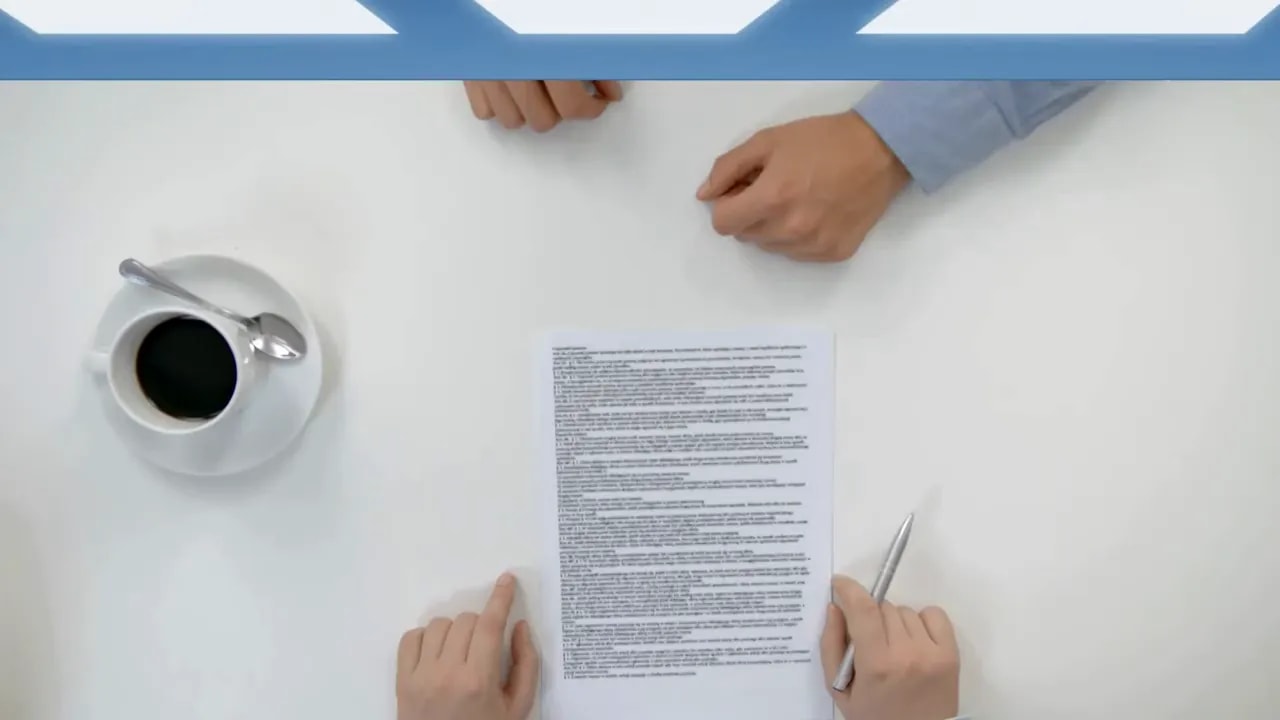
The FDD provides a structured way to understand the franchise system before you sign a franchise agreement. It should not be treated like paperwork to skim. A Business Ownership Coach can help organize questions, but franchise candidates should also consider guidance from an experienced franchise attorney when reviewing legal disclosures and agreements.
Focus your review on the areas that reveal how the system operates:
- Ownership and leadership: Understand who owns and manages the franchise system.
- Financial performance information: Review Item 19, when provided, to understand the financial data the franchisor elects to disclose.
- Franchisee retention: Look at whether franchisees remain in the system over time. Strong retention can be meaningful, while lower retention requires more questions.
- Litigation: Identify disclosed legal matters and ask for context where appropriate.
- Investment requirements: Understand the funds needed to get open and operate the business according to the model.
The goal is not to find a perfect document. The goal is to identify facts that deserve deeper validation. Good due diligence means asking follow-up questions when something is unclear, rather than assuming the most favorable interpretation.
Validate Support With Existing Franchise Owners
Franchisors can explain their support system. Existing owners can explain what that support feels like in day-to-day business ownership. This process is known as franchisee validation, and it is one of the most important steps a Business Ownership Coach will emphasize.
Do not limit validation to two calls. Speak with at least five or six current franchisees when possible. More conversations give you a fuller view of the good, the bad, and the operational realities in between.
Ask franchisees practical questions such as:
- What support was most useful during launch?
- How responsive is the franchisor when issues come up?
- What has been harder than expected?
- How much time does the business require each week?
- Would they choose the same franchise again?
- How does the local market affect customer acquisition and competition?
Match your validation calls to your intended ownership model. If you plan to be semi-absentee, prioritize conversations with franchisees who operate that way. An owner-operator’s experience may not translate to a manager-led location.
Evaluate Competition and Local Market Reality

Photo by Dylan Gillis on Unsplash
A proven brand does not eliminate local competition. Every franchise candidate should research the market they plan to serve. A Business Ownership Coach evaluates competition as part of the complete opportunity, not as an afterthought.
Start with a basic market review:
- Identify direct competitors and alternatives customers may use instead.
- Review nearby businesses, their customer feedback, and how they position themselves.
- Ask franchisees in similar markets how they generate leads and build awareness.
- Discuss territory availability and local competition with the franchise development team.
- Consider whether the model’s demand makes sense for your intended area.
Competition is not automatically a deal breaker. In many cases, competition can indicate customer demand. The real question is whether the franchise has a clear way to compete in your market with the available support, operating model, and investment level.
Give Yourself a Realistic Franchise Due Diligence Timeline

Franchise evaluation should not be rushed. Many candidates take roughly 60 to 90 days to research an opportunity, review the FDD, complete validation calls, understand the support structure, and determine whether the business is a fit.
Moving quickly can feel productive, but it can also lead to missed questions. A disciplined Business Ownership Coach process gives you time to collect information, compare notes, and make a decision based on evidence rather than pressure.
Keep a due diligence file for every franchise you evaluate. Include the FDD, notes from every call, questions that remain unanswered, local market observations, and a simple comparison of each opportunity against your ownership goals.
Common Franchise Evaluation Mistakes to Avoid

Most costly franchise mistakes happen when a buyer skips the uncomfortable questions. Avoid these common issues:
- Choosing based on brand recognition alone: A familiar name is not a substitute for due diligence.
- Rushing to sign: Take the time needed to understand the model and validate it properly.
- Ignoring the FDD: Key information about ownership, financial disclosures, retention, and litigation may be found there.
- Calling too few franchisees: A small sample can produce an incomplete picture.
- Validating with the wrong owner type: Speak with people operating in the same way you expect to operate.
- Underestimating competition: Research the actual market rather than relying only on broad category demand.
Build a Better Franchise Decision Before You Commit

The best franchise decision is built through a process: screen the business model, review the FDD, study support, validate with multiple franchisees, and assess local competition. That is how a Business Ownership Coach helps turn an exciting idea into a more informed ownership decision.
If you are considering funding options as part of your acquisition plan, schedule an SBA lending discovery call to discuss your business ownership financing questions. For additional franchise research and ownership education, you can also join the Business Ownership Academy community or receive ongoing insights through the business ownership newsletter.
A Business Ownership Coach can provide structure, tools, and questions throughout the search process, but the final choice should come from thorough research and a clear understanding of the business you are buying.
Franchise Evaluation Takeaway

Do not look for the fastest franchise decision. Look for the opportunity that holds up after careful review. Read the disclosures, question the numbers, understand the support, study the competition, and speak with enough franchisees to see the full picture. That is the practical path to choosing a franchise opportunity with confidence.