
If you are searching for a Business Ownership Coach perspective on recession-resistant opportunities, claims adjusting deserves a serious look. This is a niche business model tied to insurance claims advocacy, disaster recovery, and relationship-driven local growth. For the right operator, it can offer recurring demand, relatively low consumer awareness, and meaningful revenue per successful claim.
A good Business Ownership Coach does not chase hype. The goal is to identify sectors with real demand, strong margins, and a clear path to customer acquisition. Claims adjusting checks many of those boxes, especially in markets dealing with fire, flood, hurricane, and other property-related losses.
What is a claims adjusting franchise?
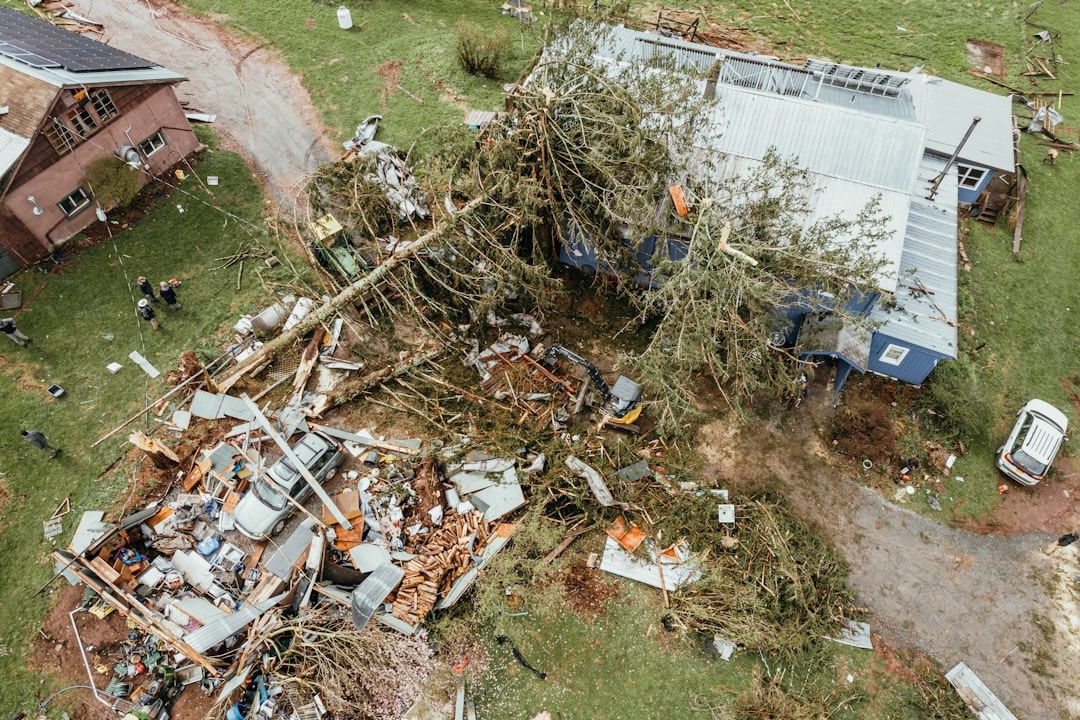
Photo by Olena Kholina on Unsplash
A claims adjusting franchise is a business that helps property owners pursue better insurance claim outcomes after a loss. In simple terms, the business reviews the policy, documents the damage, and helps negotiate with the insurance carrier.
The key economic point is important. In this model, compensation is generally tied to results. That means the client often pays based on the additional recovery obtained. From a business ownership standpoint, that creates a compelling value proposition because the service is tied to a measurable financial outcome.
From a Business Ownership Coach lens, this is not just another service business. It sits at the intersection of insurance, negotiation, local networking, and crisis response. That combination can make it more resilient than trend-driven businesses that depend on discretionary spending.
Why claims adjusting is considered recession resistant

Photo by Clay Banks on Unsplash
Most businesses suffer when consumers cut back. Claims adjusting is different because demand is driven by property loss events, not lifestyle spending. Homes flood. Commercial buildings suffer water damage. Storms hit. Fires happen. Those events do not stop because the economy slows down.
That is why a Business Ownership Coach may classify this as a defensive category. When the economy contracts, many owners want businesses connected to essential services or unavoidable problems. Insurance claims fall into that category.
Several factors support the recession-resistant argument:
-
Demand is event-driven, not impulse-driven.
-
Customers are seeking financial recovery, not making optional purchases.
-
Insurance complexity creates need for expert help.
-
Disaster-prone regions can produce steady lead flow over time.
That does not mean risk-free. No business is. But from a Business Ownership Coach standpoint, this industry has stronger downside protection than many retail, hospitality, or discretionary service concepts.
Why the business model can be so compelling

Photo by Clay Banks on Unsplash
The most interesting part of the model is that the service can directly impact the claim amount a client receives. Source material referenced a Florida study suggesting claim outcomes can be dramatically higher when an independent claims adjuster is involved. While that figure should always be verified through current due diligence, the underlying business logic is clear. If clients believe expert representation improves payouts, the service becomes easier to justify.
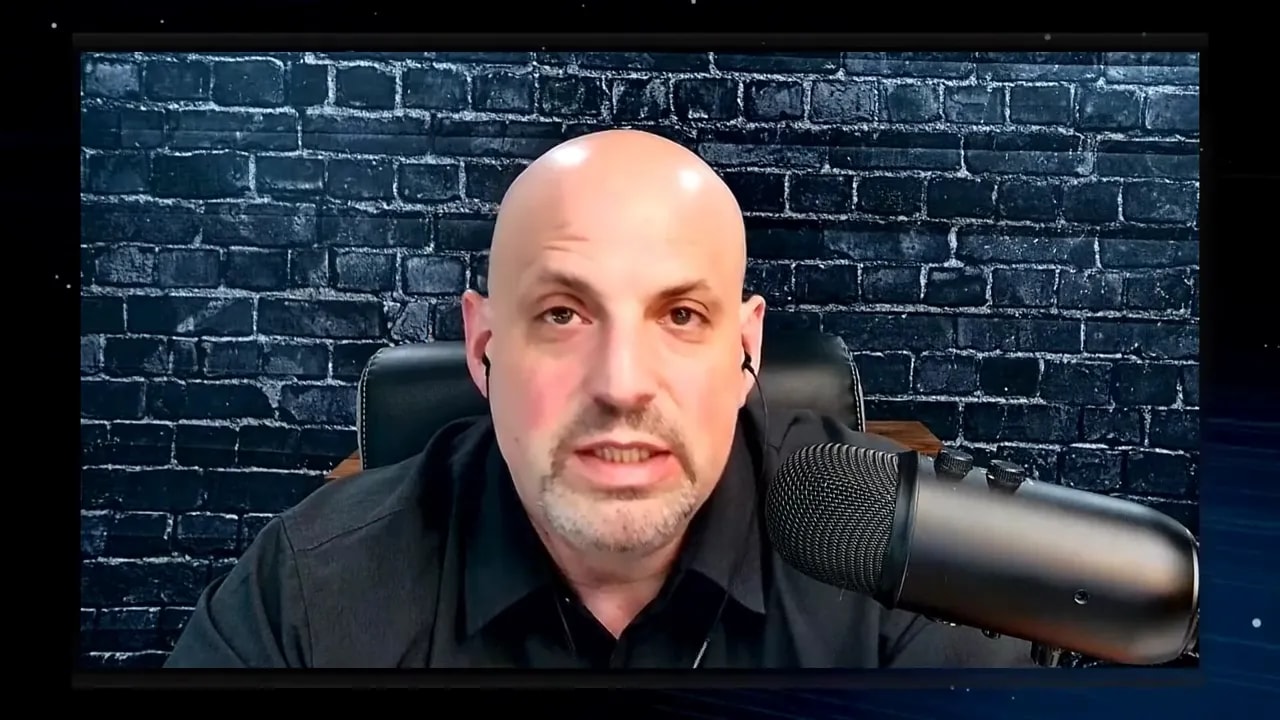
This creates three big advantages:
-
Clear customer pain point. People dealing with property loss want help fast.
-
Results-based economics. The value is tied to money recovered.
-
Larger ticket potential. Commercial claims can become substantial.
A strong Business Ownership Coach will tell you to pay attention to monetization quality, not just lead volume. One well-managed commercial claim may create more revenue than many lower-ticket service calls in other industries.
Who is the best fit for this kind of franchise?

Photo by Clay Banks on Unsplash
This is not the right business for everyone. The ideal owner is typically a relationship builder who can create trust with referral partners and clients during stressful situations.
You may be a strong fit if you are:
-
Comfortable with business development
-
Able to build local partnerships with contractors and related service providers
-
Patient enough to manage a longer sales cycle than simple transaction businesses
-
Good at communicating with people under pressure
-
Interested in operating a business with a professional services feel

From a Business Ownership Coach perspective, personality-market fit matters a lot here. If you hate networking, dislike ambiguity, or want a simple retail operation with easy foot traffic, this may not be your lane.
Residential vs commercial claims: where the opportunity differs

Photo by Clay Banks on Unsplash
There are two broad opportunity paths in this space.
Residential claims

Residential tends to provide more volume. Think homes affected by water damage, fire, storm damage, or other insurable events. This side of the business can build brand awareness in the community and generate a steady flow of smaller cases.
Commercial claims

Commercial often means fewer deals but larger economics. Claims involving business properties can reach several hundred thousand dollars in value, based on the source material. That means a single successful engagement can materially affect revenue.
A Business Ownership Coach would usually advise evaluating your market before choosing your focus. A dense urban territory with many commercial buildings may support a different strategy than a suburban or coastal residential territory.
Best markets for a claims adjusting franchise in 2026

The most promising markets are often those exposed to recurring property damage events. The source material specifically referenced California, Florida, and North Carolina due to fires and hurricanes. That basic logic still holds in 2026.
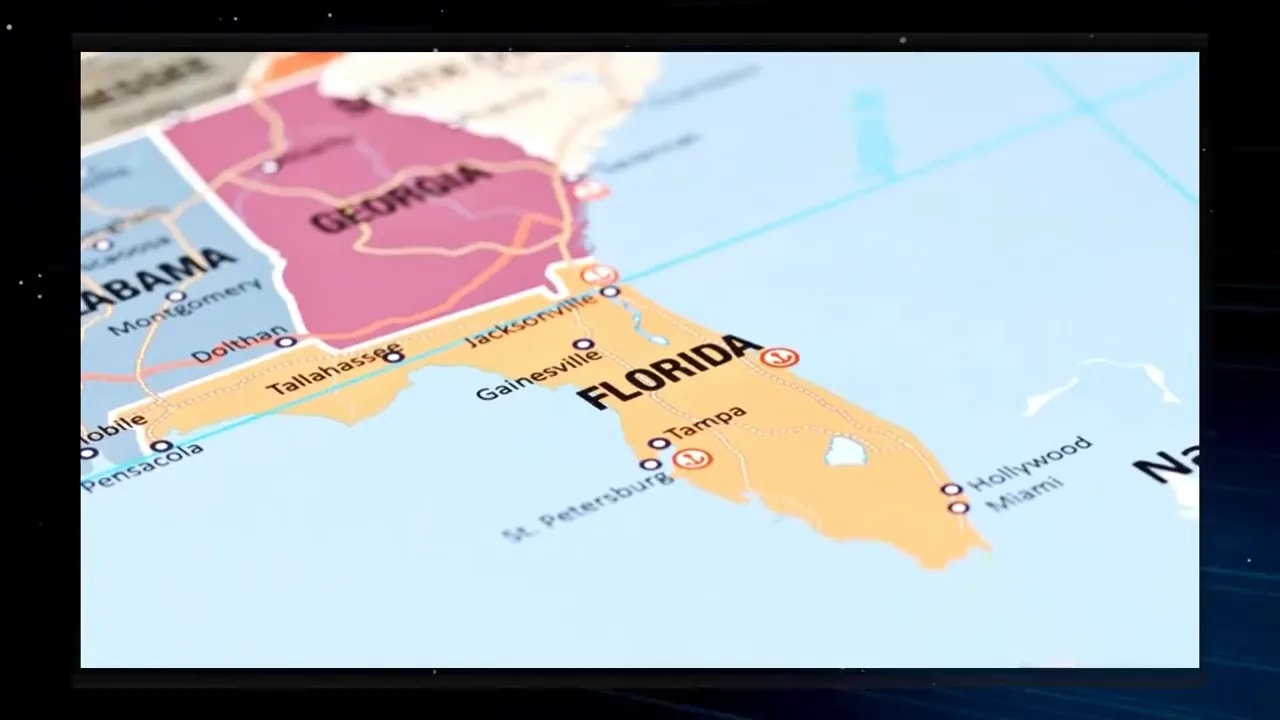
Look for markets with:
-
Frequent storm, fire, or flood exposure
-
High property values
-
Dense contractor and restoration ecosystems
-
A large number of insured residential and commercial structures
-
Policy complexity that increases demand for professional help
A disciplined Business Ownership Coach will also tell you to study licensing, regulations, franchise support, territory rights, and the local insurance environment before making a commitment.
How a claims adjusting franchise gets customers

This is where many buyers either win big or struggle. The engine is often relationship-based marketing, not just digital ads.
Strong lead sources may include:
-
Contractors
-
Restoration companies
-
Roofing companies
-
Property managers
-
Commercial real estate operators
-
Local business networks
The practical formula is simple:
-
Build referral relationships before disaster events happen.
-
Educate partners on when your service is appropriate.
-
Respond quickly when a claim event occurs.
-
Manage the client experience professionally.
-
Turn results into repeat referrals.
If you want to scale a service business efficiently, resources like the business scaling playbook and this guide on using a virtual assistant can help streamline follow-up, admin, and lead handling.
Risks and mistakes to avoid before buying

A Business Ownership Coach should always balance enthusiasm with caution. Before entering this space, avoid these common mistakes:
-
Assuming any market will work. Territory quality matters.
-
Ignoring relationship-building. This is not a passive business.
-
Overlooking regulation. Claims-related services can involve licensing and compliance requirements.
-
Underestimating ramp time. Referral pipelines take time to build.
-
Choosing based only on recession resistance. Operational fit matters just as much.
You also want to ask deeper questions during due diligence:
-
How does the franchise support lead generation?
-
What training is provided around claims, policies, and local compliance?
-
What does the typical sales cycle look like?
-
What is the mix between residential and commercial work?
-
How quickly can a new owner build local referral sources?
Should you buy a claims adjusting franchise?

If you want a business tied to real economic pain points, claims adjusting may be worth exploring. It appears especially attractive for entrepreneurs who like professional services, can build trust-based partnerships, and want exposure to insurance-related recovery work.
As a Business Ownership Coach would frame it, this is a strong opportunity when four things line up:
-
The territory has recurring claim activity
-
The franchise model is structured well
-
The owner is a relationship-driven operator
-
The economics support a realistic ramp and growth plan
When those pieces fit, the business can become a meaningful local asset rather than just another job.
Additional resources for business buyers

If you want help evaluating business ownership options, join the Business Ownership Academy for education and community support.
For direct guidance, schedule a discovery call to discuss fit, funding, or franchise due diligence.
If financing is part of your path, this SBA discovery call is a relevant next step.
To stay current on business buying and growth strategies, subscribe to the business ownership newsletter.
Bottom line
A Business Ownership Coach looking at the claims adjusting niche in 2026 would likely see an under-the-radar service category with strong demand drivers, meaningful claim economics, and a clear need for relationship-based operators. It is not a fit for everyone, but for the right entrepreneur, it may be one of the more interesting franchise models in a fragmented market.
The smart move is not to rush. Validate the franchise, study the territory, understand the compliance side, and make sure your skill set matches the business model.