
Short answer: you do not necessarily need prior industry experience to buy a franchise. As a Business Ownership Coach | Investor Financing Podcast host, I help entrepreneurs navigate the decision to buy, start, or invest in franchised businesses. The reality is franchisors supply playbooks, training, marketing systems, and territory guidance that allow motivated people to plug into proven models. What they do not supply is guaranteed success. You still need to learn, execute, and commit. In this guide I walk through the key considerations, the discovery process I use with clients, the types of franchise business models available, and the pros and cons of buying an existing unit versus starting up. If you are exploring franchise ownership, this will help you make a clearer, more confident decision as a Business Ownership Coach | Investor Financing Podcast advisor would recommend.

Why prior experience is often not required
Many franchise systems are intentionally built to be run by owners who were not technicians in the industry. Franchisors create repeatable systems, documented processes, and centralized marketing so someone with solid business sense, commitment, and an ability to follow a system can step into ownership even without hands-on trade experience. I have placed entrepreneurs into industries like HVAC where most new franchisees had no prior HVAC background. The franchisor’s training and the ongoing support filled the technical gaps, and the owners focused on hiring technicians and running the business.
That said, not having industry experience does not mean you can be hands-off from day one. You must learn how the business operates, how to manage people and cash flow, and how to apply your skill set to the franchise. As a Business Ownership Coach | Investor Financing Podcast mentor, I always emphasize preparation and a willingness to learn faster than competitors.
When industry experience matters
Certain industries strongly favor prior experience. Quick service restaurants and many food service formats are a prime example. Restaurants operate on thin margins, require tight operational discipline, and carry higher failure and churn rates. If you plan to own and operate a restaurant, previous experience in food service or hospitality significantly increases your odds of success.
In contrast, service businesses like home services, cleaning, or some professional service models often welcome franchisees who bring general management capabilities and sales skills rather than direct technical expertise. Even in trades, your role as owner is typically not to perform the technical work but to oversee operations, build a team, and deliver excellent customer experiences.
Deciding whether experience matters for your target franchise comes down to understanding the day-to-day owner responsibilities and matching them to your strengths. As a Business Ownership Coach | Investor Financing Podcast guide, I help people map strengths to roles so they can choose models where their skill set is an asset.
The discovery process: assessment and research
When someone tells me, “I want to own a business but I do not know what kind,” we run a disciplined discovery process. This includes an entrepreneurial assessment where candidates rate interests across sectors, a detailed intake form, and a 30 to 45 minute conversation to build a thesis about fit. Then we perform research, territory checks, and a business model review.
Through that process most people review seven or eight viable business models. This exposure is crucial—franchises differ not only in what the company does but in what you will do as an owner. Will you be the owner-operator, running the day-to-day? Do you want a semi-passive setup with minimal staff? Or do you prefer a managed or CEO model focused on systems and delegation?
Understanding this distinction helps you choose a franchise aligned with both your lifestyle goals and long-term ambitions. As a Business Ownership Coach | Investor Financing Podcast consultant, I emphasize clarity here because proper fit reduces risk and improves satisfaction.
Business models explained: owner operator, semi-passive, and managed
Franchise models typically fall into a few categories:
- Owner-operator: You work in the business daily. Great for those who want direct control and hands-on involvement.
- Semi-passive: You keep a W2 job or split time. These require less direct oversight but still need a reliable manager and solid systems.
- Managed or CEO model: You run the franchise like a business owner, hiring a management team to execute operations while you focus on growth and strategy.
There is typically something for everyone, but choosing the right model depends on your goals, your tolerance for hands-on work, and the kind of lifestyle you want to lead as a Business Ownership Coach | Investor Financing Podcast trained advisor would ask about during intake.

Why following a system matters more than experience
One consistent theme I see across successful franchisees is discipline: the ability to follow the franchisor’s systems and processes. Systems are the reason franchises scale. They standardize hiring, training, operations, customer service, and marketing. If you are a strong executor and can follow proven systems, you are already halfway there.
General business knowledge helps: budgeting, cash flow management, hiring, and sales. But the single most important trait is the willingness to learn and execute the franchisor’s playbook. As a Business Ownership Coach | Investor Financing Podcast mentor, I work to build that execution muscle with clients during onboarding and through ongoing coaching.
Investment horizon and commitment
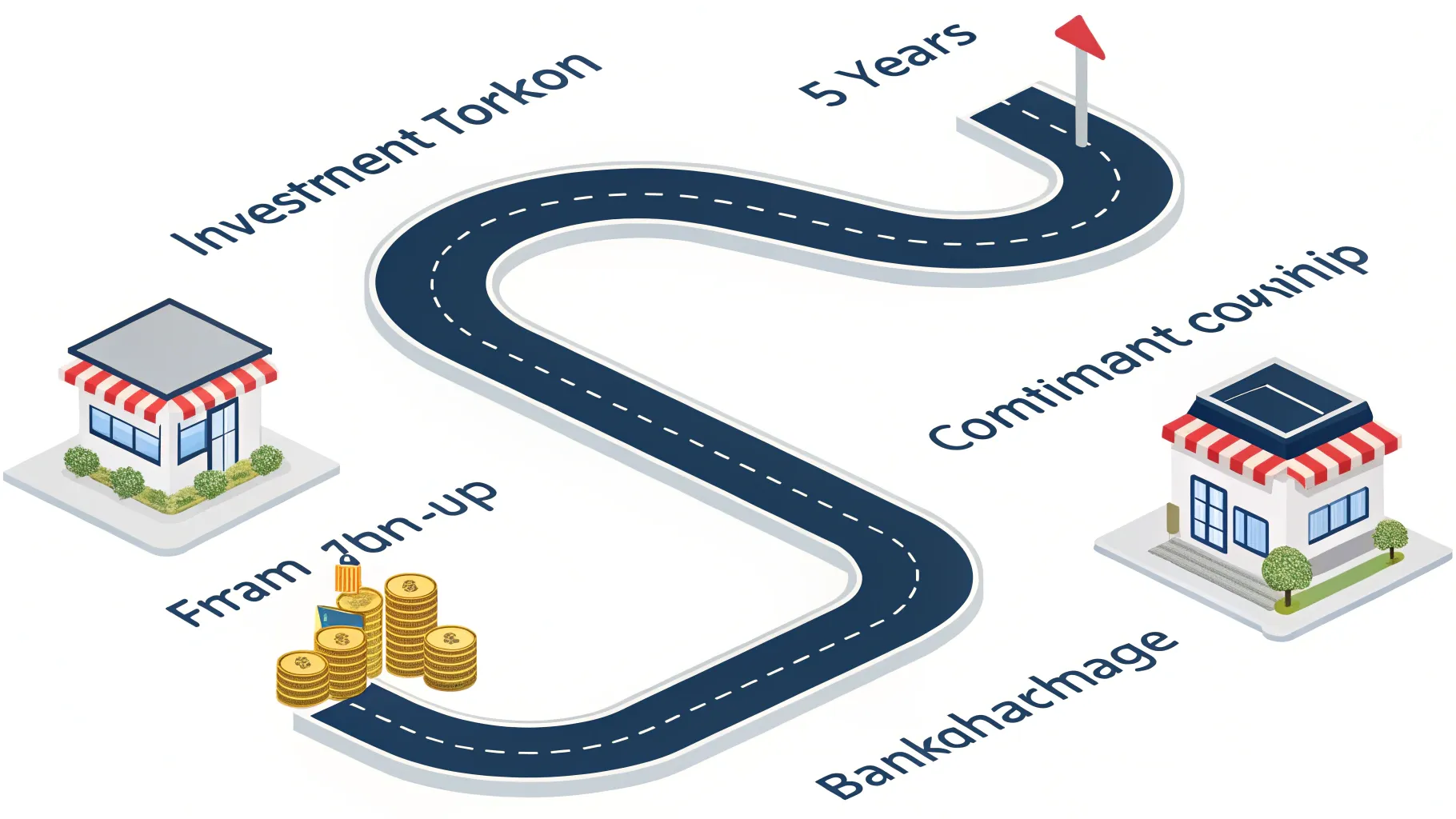
Franchise ownership is an investment, often accompanied by long-term agreements. You should view it as a five to fifteen year commitment. This is not dabbling. You want to find a franchise that aligns with your core values and that you can imagine running for years.
That does not mean exit options do not exist. Franchise resales are an active market. Many buyers prefer to purchase an operating location because it removes startup risk and provides immediate cash flow. But resale often carries a higher price tag because you are buying a multiple of earnings. As a Business Ownership Coach | Investor Financing Podcast advisor, I encourage clients to think about both their entry strategy and eventual exit plan from day one.
Franchise startup versus buying an existing unit: pros and cons
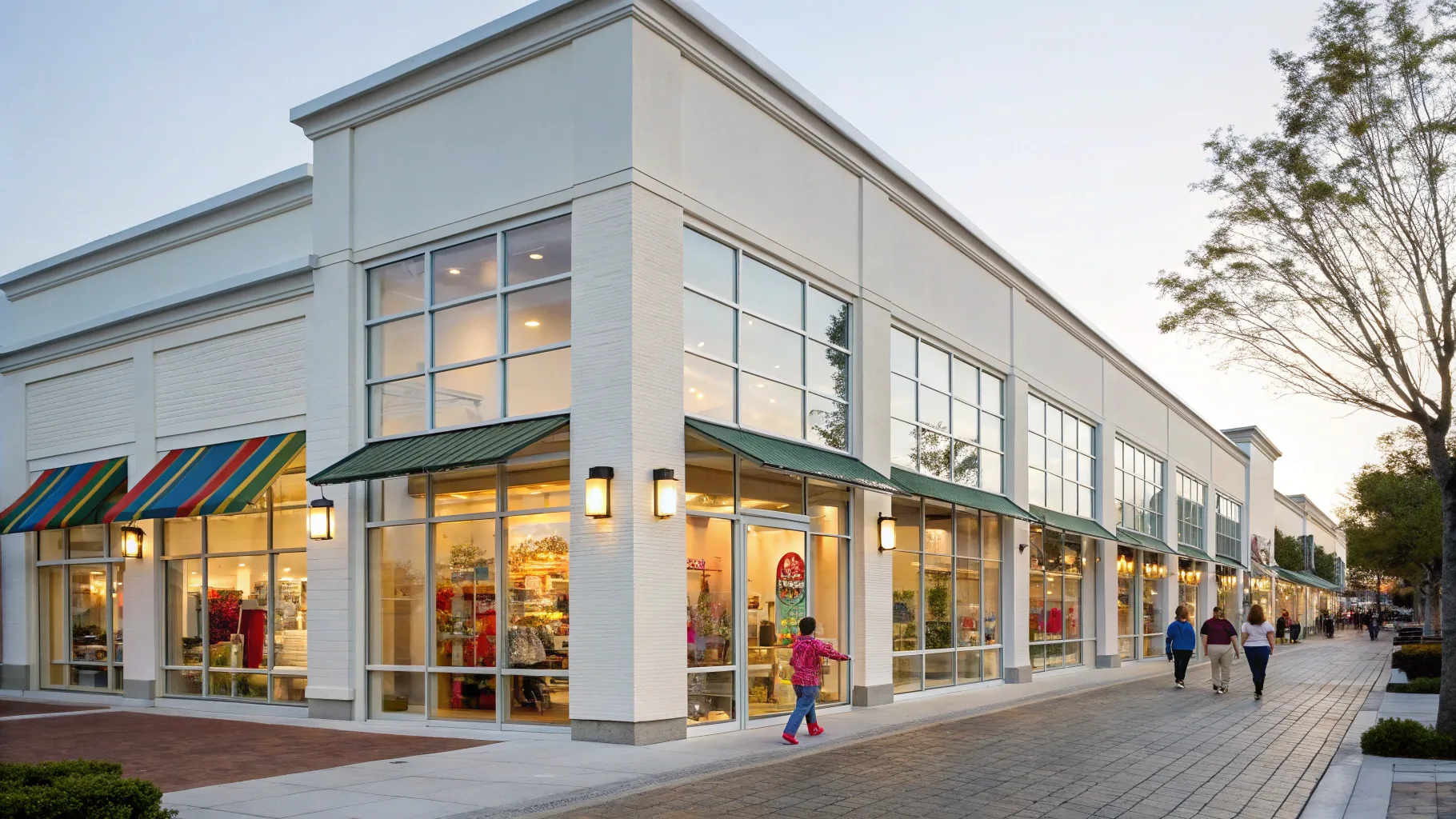
Choosing between starting a new franchise unit or buying an existing location is a major decision. Here are the main trade-offs:
- Startups: Lower initial cost in many cases, ability to build culture and systems from scratch, and often easier financing through SBA programs for approved franchises. But expect a ramp-up period and the work of launching.
- Resales: Faster time to cash flow, proven customer base, and immediate staff in place. However, resales usually require a higher upfront investment since you pay for earned goodwill and cash flow.
Financing plays a big role. For many franchise startups, SBA-backed loans such as 7(a) or 504 can cover a large portion of the investment. Buying an existing business often means paying for historical earnings, which increases the price. Also, the desired franchise brand may not have a resale available in your target market, in which case starting up or waiting for a territory to open are the only options. As a Business Ownership Coach | Investor Financing Podcast expert, I help clients compare total cost of ownership, timeline to profitability, and financing alternatives to choose the smartest path.
How I help clients decide and take action
My process focuses on education, fit, and execution. It includes:
- Entrepreneurial assessment to clarify interests and strengths
- Market and territory research to verify demand and competition
- Business model reviews so you understand owner duties and expected returns
- Financing strategy sessions to map capital needs and SBA options
- Ongoing coaching and community support to accelerate success
To support this, I created an academy and community where entrepreneurs can get practical training, network, and access deep dives on franchises, SBA financing, and case studies of real acquisitions. If you want to move from curiosity to action, join a community that focuses on implementation. As a Business Ownership Coach | Investor Financing Podcast founder, I believe community and accountability are catalysts for progress.
Practical checklist before you buy
Before you commit to a franchise, complete this checklist:
- Read the Franchise Disclosure Document thoroughly and ask clarifying questions
- Speak with current and former franchisees about day-to-day reality
- Verify territory exclusivity and market potential
- Build a realistic five-year financial projection including salary replacement
- Confirm financing options and contingency capital
- Ensure the model aligns with your timeline and lifestyle goals
These items reduce unknowns and help you make a confident investment decision. My clients often find that taking this structured approach turns fear into clarity and action. A Business Ownership Coach | Investor Financing Podcast approach to due diligence is what separates wishful thinking from viable entrepreneurship.
Final thoughts: experience is helpful, but fit and execution matter more
Experience in the industry is a helpful asset, but it is not a strict requirement to own many franchises. What matters more is fit, follow-through, and the ability to implement systems. If you are a disciplined operator, willing to learn, and can assemble a capable team, franchise ownership can be an accessible path to entrepreneurship.
As you evaluate opportunities, center your decision on three pillars: alignment with your goals, clarity about the owner role, and a realistic financial plan. Use an entrepreneurial assessment and disciplined research process, and lean into community and coaching to shorten your learning curve.
If you are ready to take the next step, build a plan, and surround yourself with experienced advisors, you will greatly improve your odds. My approach as a Business Ownership Coach | Investor Financing Podcast facilitator is to combine assessment, market intelligence, and practical financing guidance so ambitious people can transition from aspiration to ownership.
Resources and next steps
- Complete an entrepreneurial assessment to identify ideal models
- Review Franchise Disclosure Documents carefully
- Compare startup versus resale economics and financing options
- Join a focused community for ongoing skill-building and networking