
A Business Ownership Coach helps aspiring entrepreneurs move beyond simply earning income and start building assets that can create cash flow, tax planning opportunities, and long-term options. The right path is not identical for everyone. It could be acquiring an existing business, launching a franchise, operating unattended retail, or pairing an operating company with real estate.
The important part is getting clear on your goals, selecting a model that matches your strengths, and taking consistent action. In 2026, uncertainty is not a reason to freeze. It is a reason to create a practical plan that gives you more control over your future.

Photo by Radission US on Unsplash
Key Takeaways
- Business ownership can create cash flow, asset ownership, and legitimate tax planning opportunities.
- Start with one focused business or investment strategy before spreading capital across too many ideas.
- SBA financing may help qualified buyers acquire, launch, or expand businesses with less cash upfront.
- Discipline, defined roles, and trusted advisors turn setbacks into useful operating lessons.
What Does a Business Ownership Coach Do?
A Business Ownership Coach is a guide for people evaluating business opportunities, franchises, acquisitions, financing structures, and growth plans. The role is not to tell you to buy a particular business just because it is popular. It is to help you identify what fits your capital, available time, skills, risk tolerance, and lifestyle goals.
For example, a W-2 employee who wants to retain benefits while building an income-producing asset may need a different strategy than an experienced operator ready to run a full-time commercial service business. A business owner seeking a larger facility may need an owner-occupied commercial real estate plan. Someone who wants a more hands-on entrepreneurial role may be better suited for a relationship-driven franchise model.
That is why a strong Business Ownership Coach starts with fit, not hype. Before making an investment, define what success means to you. It might be replacing income, increasing flexibility, building a family enterprise, owning commercial real estate, or creating a legacy asset.
Why Business Ownership Matters When Building Wealth
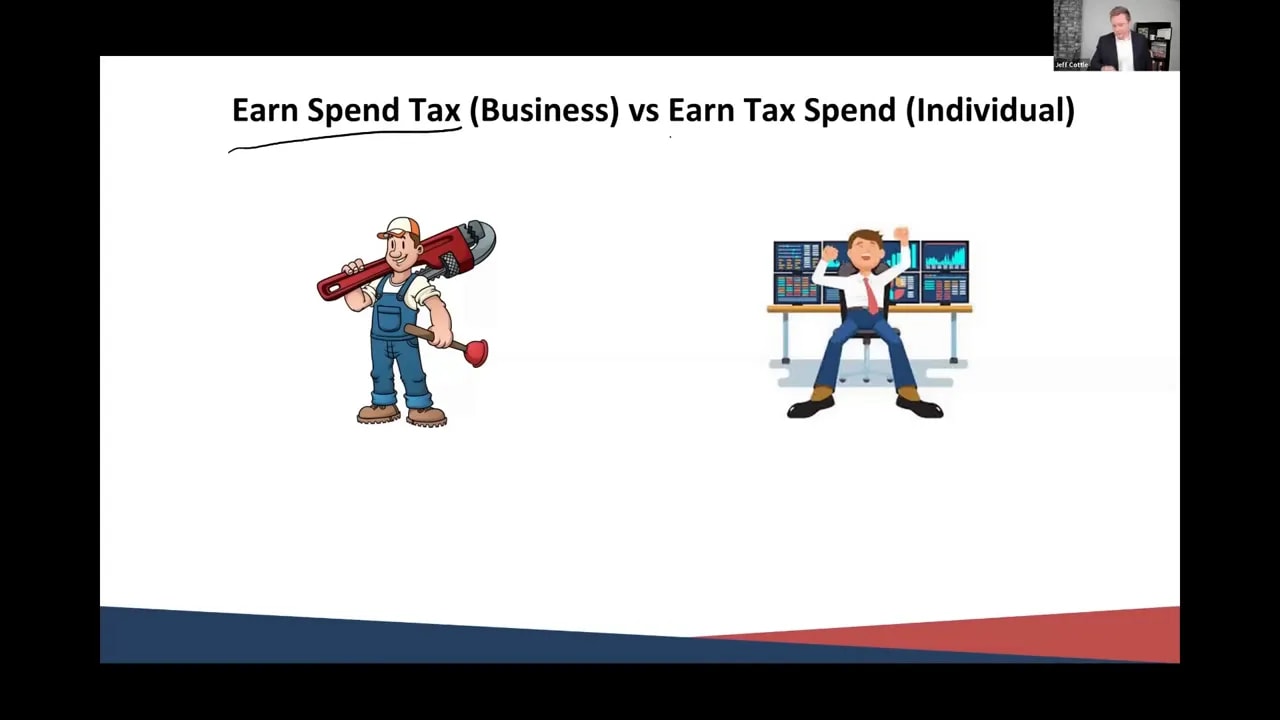
Income from a job can be valuable, but it is not the same as owning an asset. Assets may include an operating business, rental real estate, equipment-based businesses, or commercial property occupied by your company.
A simple wealth-building framework is:
- Create discretionary income. Reduce unnecessary expenses, increase earnings, or both so money is available to deploy.
- Develop expertise in one lane. Learn a specific market, business model, or acquisition type deeply enough to recognize value and risk.
- Stay committed for the long term. Wealth-building takes time, learning, and repetition. It is not a one-deal lottery ticket.
A Business Ownership Coach can help you avoid a common early-stage mistake: putting small amounts of capital into too many unrelated ideas. Focus initially on a single buy box. In real estate, that might mean a property type, neighborhood, price range, and return criteria. In business ownership, it may mean choosing between owner-operated franchises, semi-absentee equipment businesses, or existing cash-flowing companies.
Choosing the Right Business Model for Your Life

There is no universally perfect business. The best business is the one that aligns with how you operate and what you are prepared to do. A Business Ownership Coach should help you evaluate the work behind the opportunity, not just the upside.
Unattended retail and micro-market businesses

Technology-enabled micro-markets can be an option for people seeking a business that may be operated alongside a W-2 job. Rather than traditional coil vending, smart markets can hold a wider mix of products, including snacks, drinks, fresh food, meal kits, and location-specific convenience items.
The operating work still matters. You need locations, inventory discipline, product selection, restocking, and financial oversight. However, connected software can provide real-time inventory information so operators can stock based on actual needs rather than guesswork.
Commercial service franchises
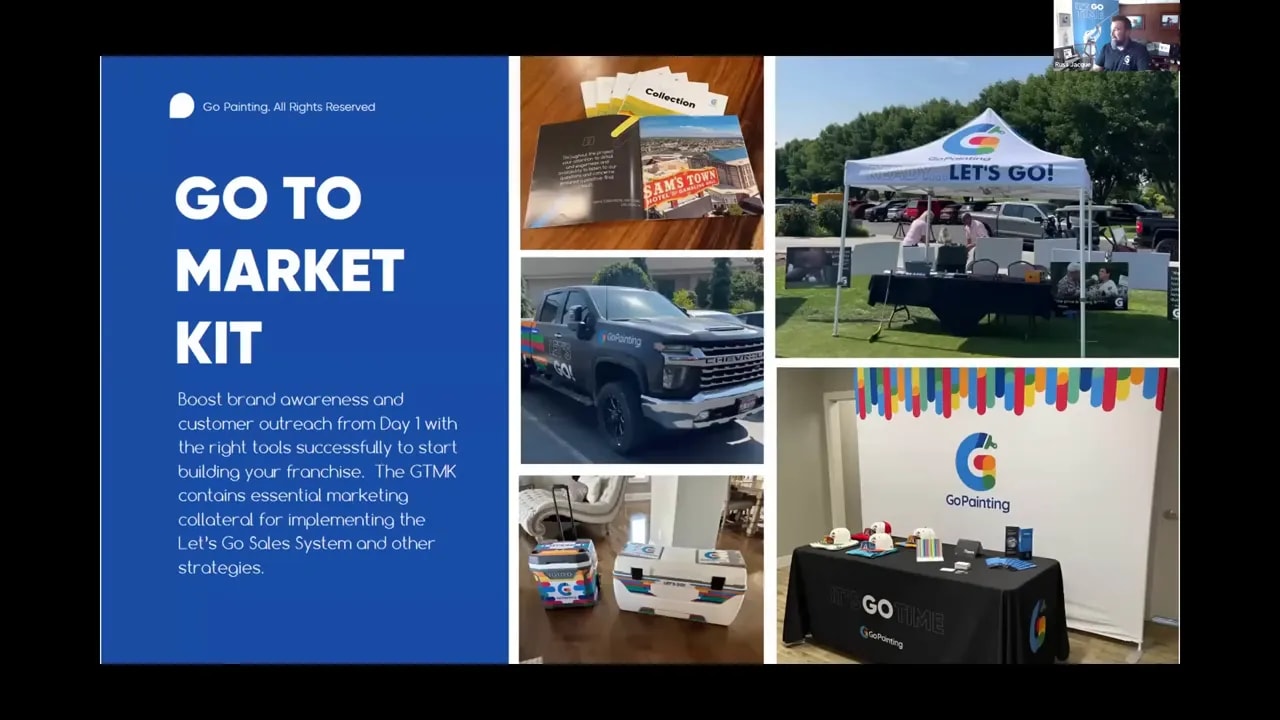
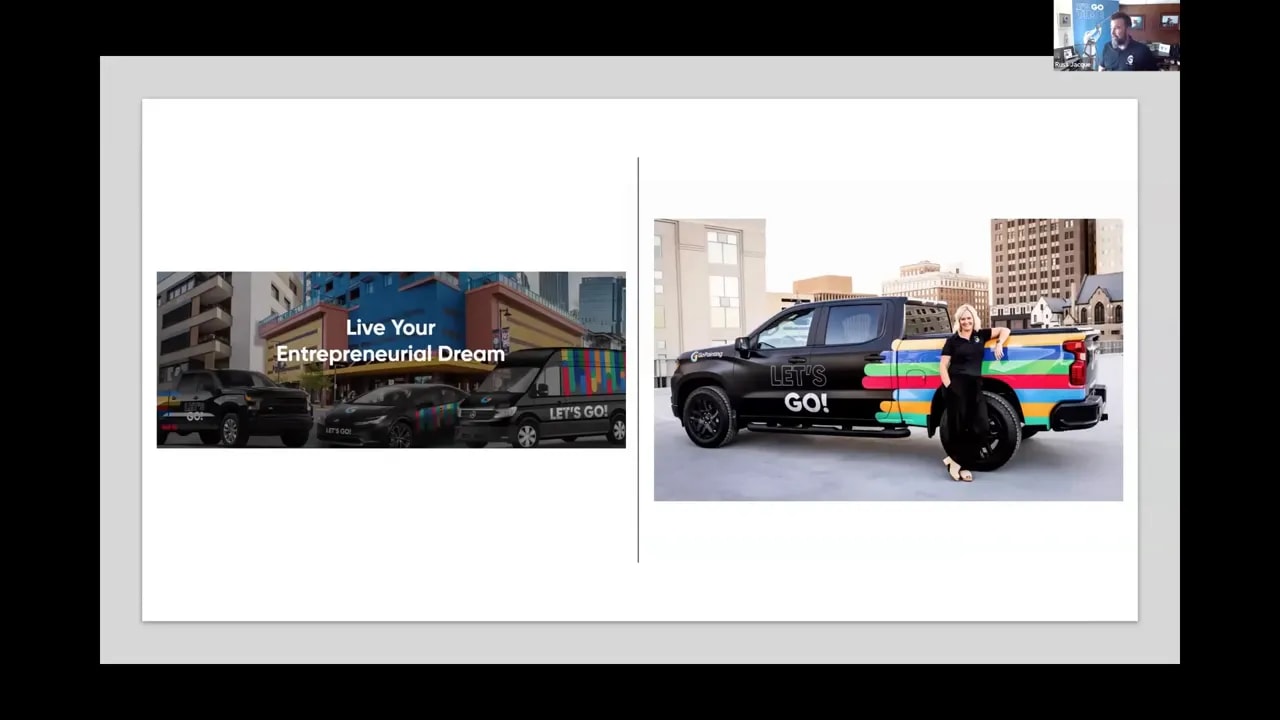
Commercial service models, such as commercial painting, may suit a full-time operator who enjoys business development and building relationships. These businesses can pursue work from property managers, apartment communities, HOAs, office properties, hotels, and other commercial clients.
This path is not passive. It requires sales activity, estimating, customer follow-up, vendor or subcontractor management, and quality control. The advantage is that a relationship with one commercial client can potentially lead to recurring projects across multiple locations.
Before purchasing a franchise, review the franchise disclosure document, speak with existing operators, verify territory availability, understand required working capital, and assess whether you are ready to commit full time.
Use the Triangle Method: Business, Real Estate, and Tax Strategy
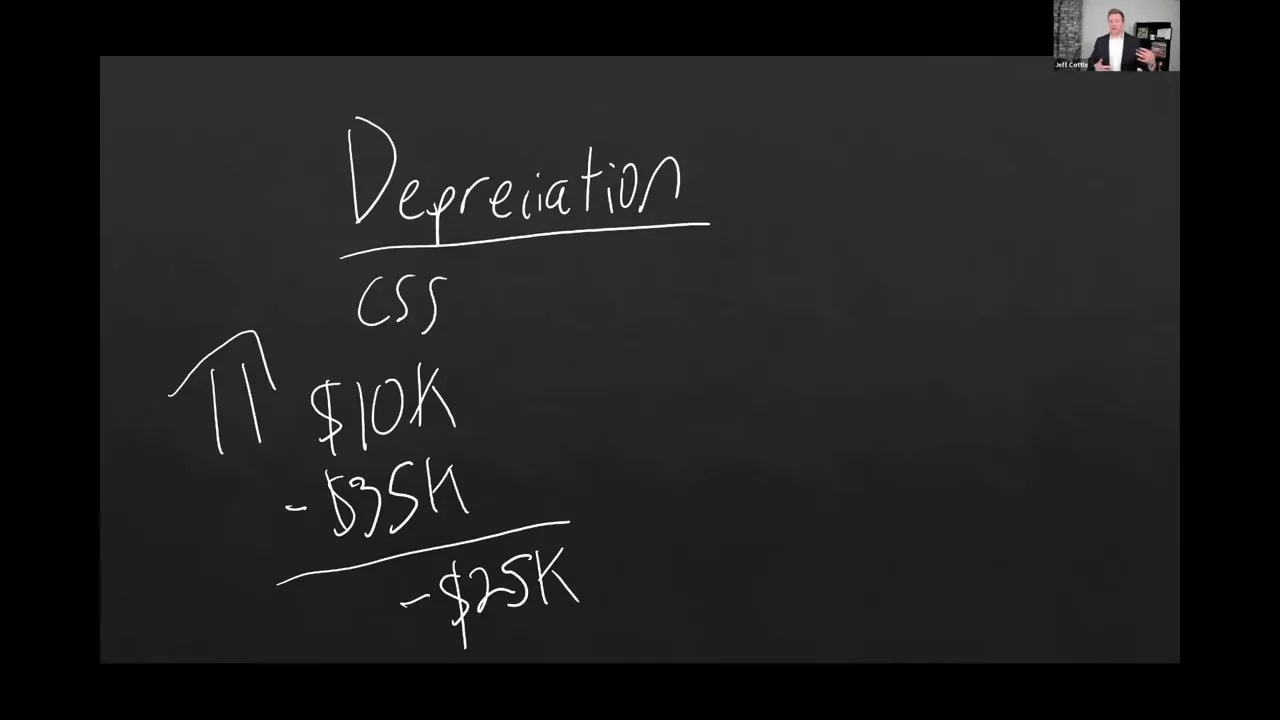
One practical approach is to think in three connected areas: operating business, real estate, and tax strategy. An operating business may generate cash flow. Real estate can become an asset class or provide a building for your operating company. Tax planning helps ensure that legitimate expenses, depreciation, and entity choices are reviewed properly.
Business income and personal wage income are generally treated differently for tax purposes. A legitimate business earns revenue, incurs ordinary and necessary expenses, and is taxed on the resulting profit. This does not mean buying something simply to chase a deduction. A deduction does not turn a bad business into a good investment.
Equipment, professional services, education, marketing, software, and certain business-use assets may have tax implications. Depreciation can also be important in equipment-heavy businesses and real estate. Section 179 and depreciation rules change, qualifications vary, and tax outcomes depend on the facts. Always coordinate with a qualified CPA or tax attorney before taking deductions or relying on projections.
Protect the Business Structure Before You Need It
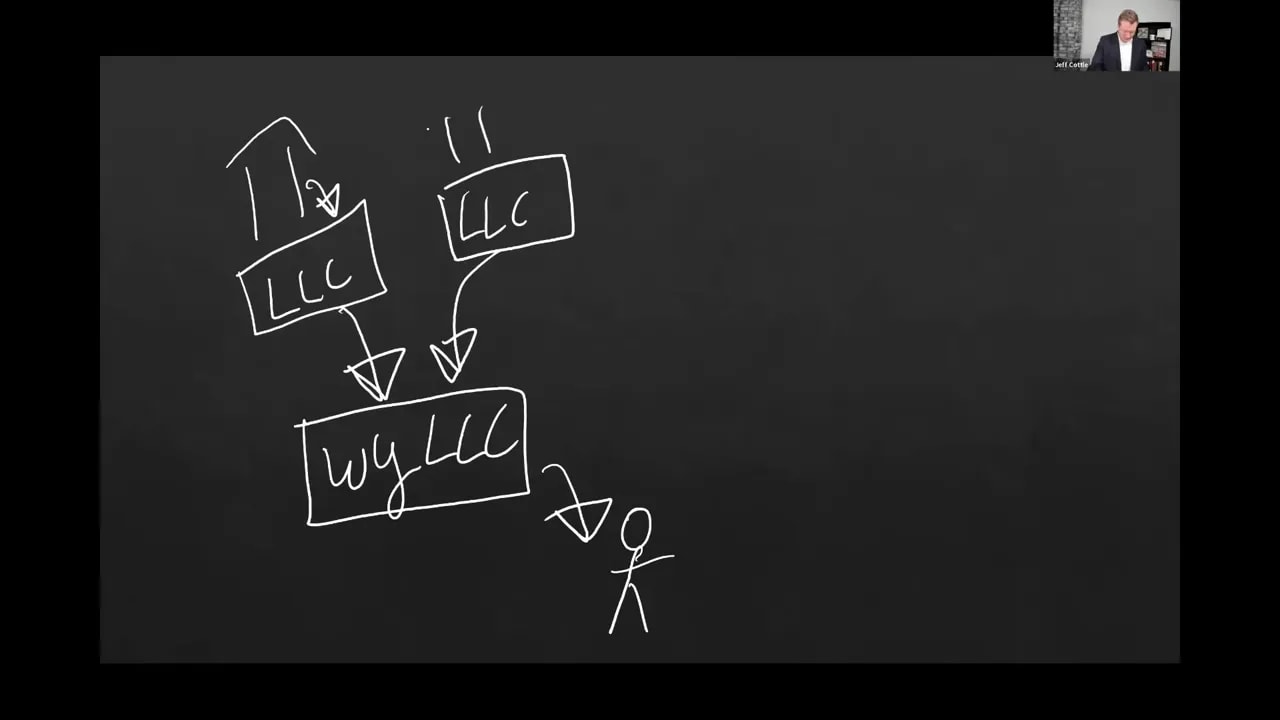
Entity planning is another reason to work with qualified legal and tax professionals. Many entrepreneurs use LLCs or other entities to hold businesses and investments instead of operating everything in their personal name. The purpose is to create legal separation, support organized operations, and improve asset protection planning.
However, the entity must be treated as separate. Maintain dedicated bank accounts, document contributions properly, keep clean books, sign agreements in the entity name, and do not casually mix personal and business funds. An LLC is not a magic shield, and legal protections vary by state and circumstance.
Start with this checklist:
- Choose the appropriate entity with legal and tax guidance.
- Open a separate business bank account.
- Use bookkeeping from day one.
- Document owner contributions and distributions.
- Review insurance requirements for the business and its assets.
- Schedule annual legal, tax, and operational reviews.
How SBA Financing Can Help You Buy or Grow a Business

SBA-backed financing can be a powerful tool for qualified borrowers because it may support business acquisitions, franchise startups, equipment, working capital, owner-occupied commercial real estate, and expansion. A Business Ownership Coach who understands SBA lending can help you identify whether your plan is financeable before you spend months pursuing the wrong deal.
The SBA 7(a) program is often used for flexible business-purpose financing. SBA 504 financing is commonly associated with qualifying owner-occupied commercial real estate and certain long-life equipment. Loan structure, required equity, collateral, guarantor requirements, and underwriting standards vary by lender and project.
For business acquisitions and some startup projects, financing may cover a significant percentage of eligible project costs for a qualified borrower. Seller financing can sometimes be part of an acquisition structure, but terms must work with SBA and lender requirements.
If you are exploring an acquisition, franchise, equipment-based business, or owner-occupied building, schedule an SBA discovery call to review financing options and next steps.
Common Business Ownership Mistakes to Avoid
- Buying based on excitement alone: Review the operating requirements, capital needs, and downside scenarios.
- Confusing semi-absentee with passive: Every business needs ownership, accountability, and systems.
- Ignoring working capital: Launch costs are only one part of the financial picture.
- Skipping due diligence: Speak with operators, inspect financials, and understand the market.
- Waiting for perfect certainty: Learn enough to act responsibly, then take the next measurable step.
- Failing to build a team: Attorneys, CPAs, lenders, mentors, and operators all serve different roles.
Build a Business With Your Spouse or Partner
Couples can build powerful businesses together, but unclear responsibilities create friction. Define roles early. One partner may focus on capital, sales, and acquisitions while the other manages operations, bookkeeping, vendors, or portfolio oversight.
Set a recurring weekly business meeting. Review cash flow, active opportunities, decisions needed, and priorities for the coming week. Keep the discussion structured so business issues do not take over every personal conversation. A Business Ownership Coach can help create the accountability cadence, but the couple must own the communication.
Take the First Step Toward Ownership
Business ownership begins with clarity, not a dramatic leap. Identify your available capital, desired income target, timeline, operational strengths, and tolerance for risk. Then choose one direction to investigate deeply.
If you need help narrowing down franchises, business opportunities, or a transition plan away from W-2 dependency, a Business Ownership Coach can provide the structure to move from ideas to action. Explore the Business Ownership Academy for ongoing education, or subscribe to the business ownership newsletter for practical updates and opportunities.
Support systems matter too. As your business grows, delegation becomes essential. Learn how a virtual assistant can support business operations with administrative tasks, follow-up, organization, and repeatable workflows.
Business Ownership Coach FAQs
Who should work with a Business Ownership Coach?
A Business Ownership Coach is useful for aspiring owners evaluating franchises, acquisitions, equipment businesses, SBA financing, or a transition plan from W-2 employment.
Can I start a business while keeping my W-2 job?
Yes, some business models can be built while maintaining employment, but they still require capital, systems, time, and active oversight. Evaluate the operating demands before investing.
Can SBA loans be used to buy an existing business?
Qualified borrowers may use SBA-backed financing for eligible business acquisitions. Lender underwriting, buyer experience, business cash flow, equity injection, and transaction structure all matter.
Should I form an LLC before starting a business?
Many owners use an LLC or another entity, but the right structure depends on the business, location, ownership, financing, tax strategy, and legal risks. Consult qualified legal and tax advisors.