
A Business Ownership Coach helps aspiring entrepreneurs move from employment into ownership with a practical plan: identify the right opportunity, structure the financing correctly, and build an asset that can operate beyond the owner. The goal is not simply to buy a job. It is to acquire or launch a business with a credible path to cash flow, expansion, and long-term wealth.
For many first-time buyers in 2026, the challenge is not a shortage of opportunities. It is filtering through franchises, resale businesses, lender requirements, and growth plans without making an expensive emotional decision. A strong Business Ownership Coach brings structure to that process.
What Does a Business Ownership Coach Help You Do?

Business ownership has several moving parts. You need to assess your skills, capital, credit, lifestyle goals, risk tolerance, and desired level of involvement. Then you need to connect those factors to business models that are realistic to buy and finance.
A Business Ownership Coach can help organize the decision-making process around three essential phases:
- Find it: Identify a franchise, startup concept, or existing business that matches your strengths and ownership goals.
- Fund it: Review financing readiness, equity contribution, liquidity, credit, and lender fit.
- Scale it: Develop a plan to turn an owner-operated business into a platform for expansion, acquisitions, and potentially commercial real estate.
This approach is valuable for W-2 employees considering a first business, current owners who want to grow, and buyers seeking an established operation with proven cash flow.
Find the Right Business Before You Think About Financing

The best deal on paper is not automatically the best deal for you. A business must fit your experience, financial profile, market, and willingness to manage people and operations.
Start with an honest ownership assessment. Ask:
- Do you want to operate the business full time or build toward an executive ownership role?
- Are you more comfortable with sales, teams, systems, technical work, or local service delivery?
- How much capital can you put into a transaction without exhausting your reserves?
- Do you prefer a startup franchise, an established franchise resale, or an independent business acquisition?
- What level of revenue volatility can your household finances handle?
A Business Ownership Coach should not push one brand or industry simply because it is popular. The right opportunity is one that has a workable operational model and a financing structure you can support.

Photo by Dylan Gillis on Unsplash
Franchise Startup Versus Existing Business Acquisition
Franchises can provide systems, training, branding, and support. That can be useful for first-time owners who want a defined operating model. However, a franchise startup generally relies on forecasts because it has not yet produced its own financial history.
An existing business or franchise resale is evaluated differently. Lenders can review seller tax returns, profit and loss statements, and balance sheets to assess actual performance. A resale can offer immediate operations and cash flow, but it also requires rigorous due diligence into the financials, team, customer concentration, lease obligations, and condition of assets.
Neither path is automatically superior. The better route depends on the business, the buyer, and the structure.
How to Validate a Franchise or Business Opportunity

Validation is one of the most important parts of buying a franchise. Marketing materials can show the concept, but existing operators reveal how the business works in the real world.
Review the Franchise Disclosure Document, commonly called the FDD, and speak with as many current and former franchisees as practical. Prioritize conversations with owners whose backgrounds, market conditions, and ownership roles resemble yours.
Use these franchise validation questions:
- How long did it take before the location generated dependable cash flow?
- What operating costs were higher than expected?
- What has corporate support been like for training, marketing, and problem-solving?
- Which local marketing channels have produced customers?
- What are the most difficult staffing or operational issues?
- If you were starting again, what would you do differently?
- Would you choose this business model again under today’s conditions?
Do not treat validation calls as a box to check. Build relationships and return to your best contacts as questions emerge. A capable Business Ownership Coach can provide a due diligence framework, but the buyer must still do the work of verifying the opportunity.
What Lenders Look for When Funding a Business

SBA financing can be a powerful tool for qualified buyers, but it is not automatic and every lender has its own credit appetite. A lender evaluates both the borrower and the business opportunity.
For franchise startups, established brands with operating history and a stronger lender reputation are generally easier to finance than newer concepts with only a small number of locations. Some lenders may prefer brick-and-mortar concepts, while others may consider service businesses without a traditional storefront.
Key areas of lender review commonly include:
- Credit profile: Strong credit and low revolving credit utilization support a cleaner application.
- Equity injection: A down payment is often required. For many startup situations, a practical planning range is 10% to 20% of total project costs, subject to lender and transaction requirements.
- Post-closing liquidity: Retaining reserves after closing can strengthen the file and protect the business during ramp-up.
- Personal cash flow: Lenders need confidence that your existing income and resources can support personal obligations during the transition.
- Business strength: Franchise track record, management plan, projections, and industry fit all matter.
A Business Ownership Coach with financing experience can help match a transaction to lenders that understand the specific franchise or industry. That matters because submitting a solid deal to the wrong lender can create unnecessary delays or an avoidable decline.
How Much Can SBA Financing Cover?
Financing levels depend on the borrower, lender, brand, business cash flow, and total project costs. In established franchise startup situations, financing 80% to 90% of total project costs may be possible for well-qualified borrowers and bankable brands. In a strong cash-flowing acquisition, 90% financing may also be possible with the right structure.
Large acquisitions are not funded solely by optimism or projections. Lenders analyze historical tax returns, profit and loss statements, and balance sheets. Complex transactions may combine SBA financing with seller financing or a conventional financing component.
The key point is simple: structure matters as much as price. A business that looks affordable at closing can become a problem if it lacks working capital, sufficient reserves, or a sustainable debt payment.
Build an Ownership Platform, Not Just an Owner-Operator Job
Buying a business is the beginning, not the finish line. The first stage often requires hands-on involvement. Over time, the objective is to install management, documented processes, reporting, and accountability so the company does not depend on one person for every decision.
For example, a home-service business may begin with a small team and a few vehicles. As demand grows, the owner can add technicians, systems, and additional territories. Once the business has operating history and strong tax returns, expansion financing may become more realistic.
A Business Ownership Coach should help you think ahead to the next stage before you close the first deal. Growth can come through additional territories, new locations, complementary services, or acquiring a retiring competitor. Acquisitions can accelerate scale, but only after the original operation is stable.
The Triangle Method for Building Long-Term Wealth
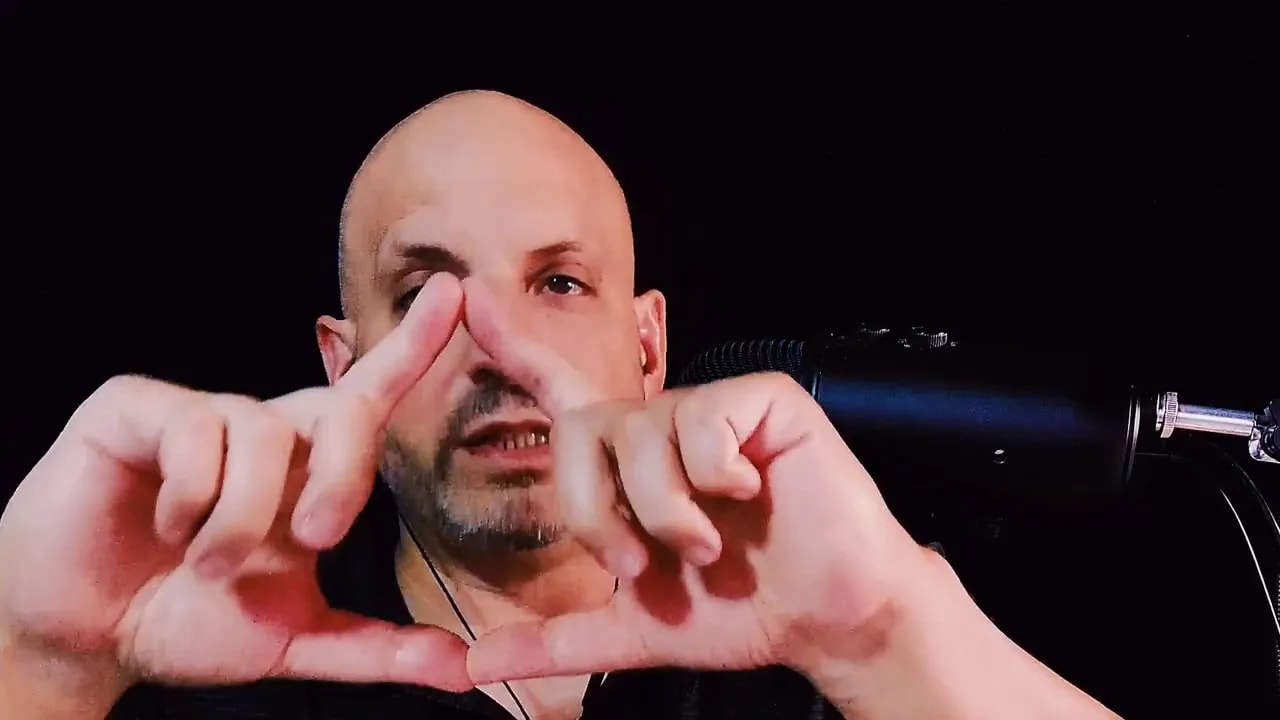
A practical wealth-building model combines three components: an operating business, tax planning, and real estate. The operating business is designed to generate cash flow. Effective tax planning helps owners make informed decisions around the business structure and available strategies. Excess business cash flow can then support long-term investments, including owner-occupied commercial real estate where appropriate.
For example, a growing service company may eventually need a warehouse or operating facility. Owning the property used by the business can create another asset within the ownership plan. This is not a replacement for careful underwriting or professional tax advice. It is a framework for thinking beyond a single income stream.
Consult qualified legal, tax, and financial professionals before making entity, tax, or investment decisions.
Common Mistakes First-Time Business Buyers Make

Photo by Rodeo Project Management Software on Unsplash
- Choosing based on excitement: A concept may sound attractive but still be a poor fit for your capital or operating ability.
- Skipping franchisee validation: Speak with owners who have lived through startup, staffing, marketing, and cash-flow challenges.
- Using every available dollar for the down payment: Preserve liquidity whenever possible because businesses need runway.
- Assuming every lender evaluates deals the same way: Lender appetite varies by industry, brand, location, and borrower profile.
- Ignoring the post-close plan: Financing gets you to closing. Systems, management, and execution determine what happens next.
Take the First Step Toward Business Ownership

Start by getting clear on the business model, budget, and ownership role you want. Then validate the opportunity, prepare your financial profile, and build the financing strategy around a real plan rather than a rushed purchase.
If you want to discuss financing readiness and SBA loan structuring, schedule an SBA discovery call. For a broader ownership assessment, you can also book a business ownership clarity call.
Entrepreneurs seeking ongoing education can join the Business Ownership Academy community or receive updates through the Business Ownership newsletter. As your company begins to grow, consider how a virtual assistant can support operational leverage and free up time for higher-value ownership decisions.
The path from W-2 income to ownership is not about chasing a shortcut. It is about finding the right opportunity, funding it responsibly, and scaling with discipline. That is the value of working through a clear process with a Business Ownership Coach.