
A Business Ownership Coach helps corporate professionals make a practical transition into entrepreneurship without treating a side business like passive income. The best opportunity depends on your available time, work schedule, leadership ability, and willingness to build systems before expecting flexibility.
If you have a full-time career, the goal is not simply to find the business with the highest revenue potential. It is to choose a model you can operate responsibly while protecting your job performance, personal life, and capital. A simple operation may fit a busy schedule better, while a larger franchise or service business may offer stronger upside but demand better hiring, training, and management.
Start With Your Capacity, Not the Business Trend

Photo by LinkedIn Sales Solutions on Unsplash
A good Business Ownership Coach starts with the owner, not the opportunity. Before evaluating vending, franchises, acquisitions, or another side business, get clear on the constraints that will shape your decision.
- Work arrangement: Working remotely or on a hybrid schedule can create more flexibility for calls, site visits, hiring, and vendor management.
- Weekly availability: Determine the hours you can consistently commit, including evenings and weekends.
- Leadership ability: Larger operations require you to recruit, train, motivate, and hold people accountable.
- Comfort with systems: Some people excel at following an established operating process. Others prefer creating and improving processes.
- Risk tolerance: Consider both the financial investment and the operational risk of managing employees, customers, inventory, or multiple locations.
The right answer is personal. A model that works well for a high-performing manager with 20 available hours each week may be a poor fit for someone with a demanding travel schedule and only a few hours of availability.
Low-Time Business Models: Why Vending Can Fit a Corporate Schedule

For professionals seeking a relatively straightforward operation, vending can be worth evaluating. A vending machine business can allow owners to track performance from a phone and focus operational time on servicing locations, restocking inventory, and handling maintenance.
As a general operating concept, the time requirement can be modest once a machine is placed and functioning properly. The real work is not just owning equipment. It is securing strong locations, monitoring sales, managing product mix, replenishing inventory, and ensuring machines stay operational.
A Business Ownership Coach would typically encourage an owner to view vending as an operational business, not a hands-off investment. You may service machines yourself at first or pay another person to do it, but either route requires oversight. Delegating restocking does not eliminate the need to monitor cash flow, inventory, machine performance, and location relationships.
Vending can make sense when you want a simpler model with fewer moving parts. It may be less appropriate if your primary objective is building a larger, team-driven operation with significant management complexity.
Higher Revenue Potential Usually Requires Better Leadership

Photo by Austin Distel on Unsplash
More revenue potential generally comes with more moving parts. A larger service business, retail concept, restaurant-style operation, or management-heavy franchise may require employees, customer service standards, scheduling, sales activity, local marketing, inventory control, and more frequent decisions.
This is where a Business Ownership Coach can help distinguish a business owner from an investor. If people will run the daily operation, you still need a plan for leadership. That means setting expectations, hiring carefully, training consistently, reviewing results, and addressing problems early.
Ask yourself these questions before pursuing a higher-complexity business:
- Can I recruit and retain dependable people?
- Do I know how to create a healthy, accountable work culture?
- Can I make decisions when performance slips?
- Am I comfortable supervising managers rather than doing every task myself?
- Do I have the time to build systems before stepping back?
There is nothing wrong with starting small. In fact, a simpler first business can be a smart way to build operational confidence. But if you already have strong management experience and are prepared to lead a team, a more complex business may align better with your long-term ownership goals.
What Semi-Absentee Business Ownership Really Means

Photo by Austin Distel on Unsplash
The term semi-absentee is often misunderstood. It does not mean you buy a business and immediately disappear from the operation. It means the business is designed to be managed by employees or a manager after the owner establishes the foundation.
For many semi-absentee models, a realistic ongoing commitment may be roughly 15 to 20 hours per week. That can be workable for a corporate professional, but the startup period is usually more demanding. The early stage often requires additional involvement to set up operations, hire employees, train staff, supervise performance, and solve issues before they become habits.
A Business Ownership Coach should be direct about this point: plan to be more involved during the first six months. The business needs operating rhythms, clear accountability, and reliable people before it can become less owner-dependent.
Managed franchise structures and CEO-oriented models can be designed with this objective in mind. Still, no structure replaces owner capability. Two people can buy the same concept and have very different outcomes because one is better at building teams, following systems, and managing the details.
Build a Practical Corporate-to-Owner Transition Plan

Rather than quitting a corporate role too early, create a measured ownership plan. The best transition is one that gives you enough time to validate the model and build an operating team without putting unnecessary pressure on the business.
- Set your time budget. Decide the exact weekly hours you can commit during startup and after stabilization.
- Choose your operating role. Be honest about whether you want to service the business, manage staff, or oversee a manager.
- Match complexity to skills. Select a model that fits your leadership, sales, and systems experience.
- Underwrite the startup phase. Expect your time requirement to be higher while hiring and systems are being established.
- Define operating metrics. Track the performance indicators that matter to the model, such as sales, labor, inventory, service completion, or customer retention.
- Create an escalation plan. Know who handles day-to-day issues and which decisions require your involvement.
Corporate professionals often have an advantage because they understand processes, reporting, and accountability. The key is to apply those skills in a business model that fits their real capacity, not an idealized version of passive ownership.
Common Mistakes When Buying a Side Business or Franchise

A Business Ownership Coach can help you avoid expensive assumptions, but every buyer should recognize these common issues before moving forward.
- Believing semi-absentee means zero involvement: A manager needs training, direction, reporting expectations, and support.
- Overestimating available time: A demanding corporate role can conflict with employee needs, vendor calls, and operational issues.
- Choosing revenue over fit: A larger opportunity is not automatically better if you dislike managing people or operational complexity.
- Skipping the hiring plan: A business cannot be semi-absentee without qualified people running the day-to-day work.
- Assuming systems run themselves: Technology can improve visibility, but it does not replace leadership, reviews, and follow-through.
- Failing to evaluate financing early: Understand capital needs and lending options before becoming emotionally attached to an opportunity.
Business ownership is not about finding a magic model. It is about matching the right model, operating structure, and financing approach to the owner’s goals and capabilities.
Next Steps for Future Business Owners

If you are evaluating a franchise, acquisition, or semi-absentee business while keeping your corporate job, start with a discovery conversation focused on fit. A Business Ownership Coach can help you think through your weekly availability, management strengths, preferred business model, and path to financing.
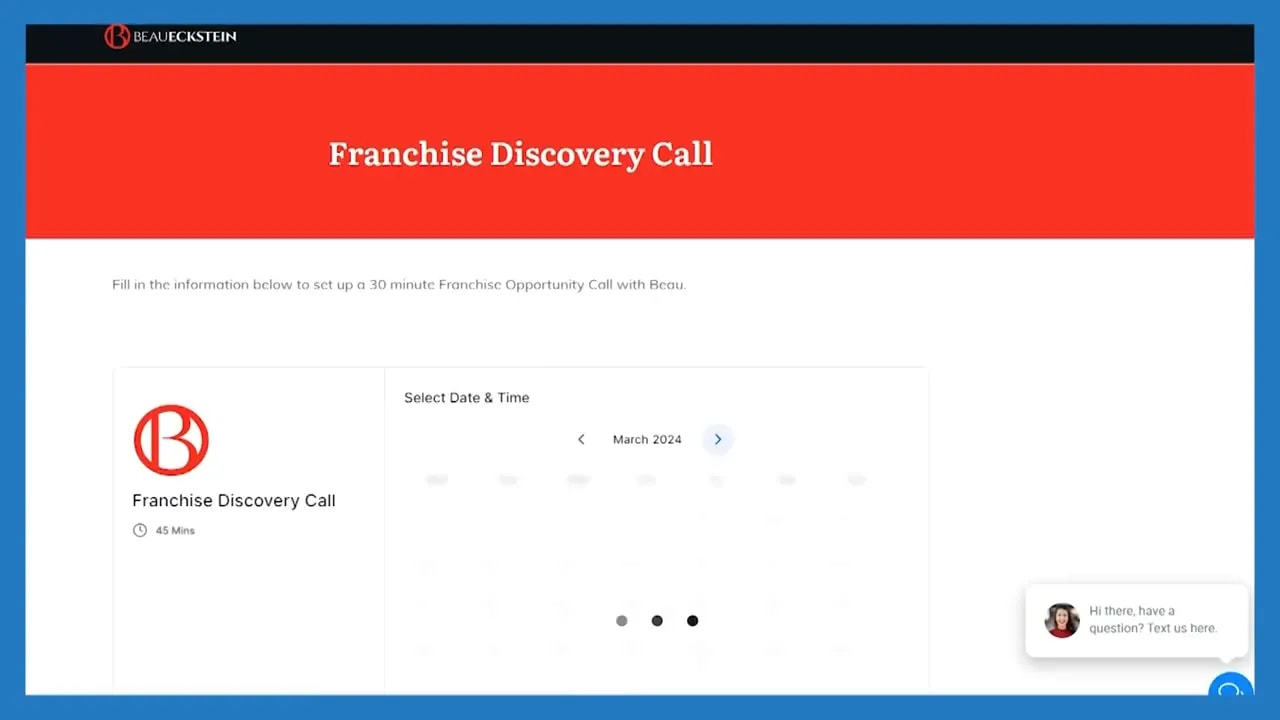
For funding questions and SBA loan strategy, schedule an SBA discovery call. For broader guidance on evaluating ownership opportunities, join the Business Ownership Academy or receive ongoing insights through the business ownership newsletter. Professionals who want to discuss their specific ownership goals can also book a business ownership conversation.
The best side business is the one you can lead well, finance responsibly, and operate consistently while your corporate career remains in place. Start with the truth about your time and skill set, then build from there.
Business Ownership Coach FAQ

Photo by Austin Distel on Unsplash
Can I own a business while working a full-time corporate job?
Yes, if the business model fits your schedule and you plan for meaningful involvement during setup. Semi-absentee operations may become manageable alongside a corporate job, but they still require owner oversight.
How many hours does a semi-absentee business require?
A semi-absentee model is commonly presented as requiring about 15 to 20 hours per week after operations are established. The initial setup period can require more time for hiring, training, and supervision.
Is a vending machine business passive income?
No. Vending can be a relatively simple operation, but machines need monitoring, inventory replenishment, maintenance, and location management. Some responsibilities can be delegated, but the owner must still manage performance.
What should I ask a Business Ownership Coach before buying a franchise?
Ask how the opportunity fits your time availability, leadership experience, startup involvement, staffing needs, operating complexity, and potential financing strategy. A strong decision starts with fit, not just projected revenue.